CRAFT, SIDE BY SIDE · 06 / 08
How Metal Takes Shape
Follow hammer blows and then a mould: examples from Tsubame, Japan, and Taiwan reveal different work behind a metal form.
The film has English on-screen notes. A complete Traditional Chinese translation is available below.
English transcript and Traditional Chinese translation
0:00–0:05
Shape by impact. Or shape by a mould.
以敲擊成形,或借模具成形。
0:06–0:14
Hammer forming • Tsubame, Japan
鎚起成形:日本燕地區
0:20–0:27
Repeated blows guide the copper.
反覆敲擊,讓銅材逐漸成形。
0:29–0:35
Support the metal as its shape changes.
在形體改變時,持續支撐金屬。
0:36–0:43
The vessel is taking form.
立體器形逐漸出現。
0:44–0:52
Casting • Taiwan
鑄造:臺灣示範
0:53–0:59
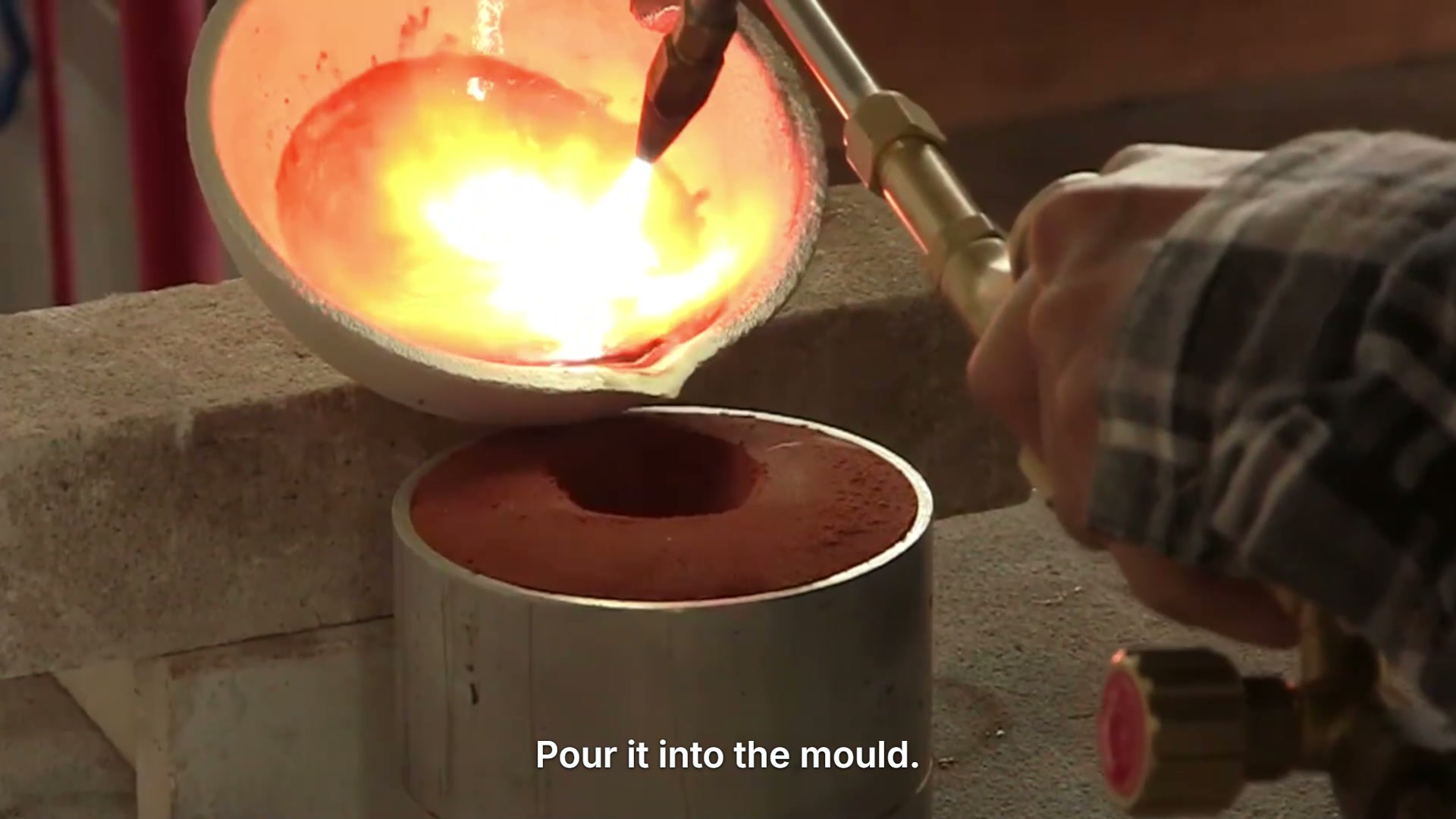
Prepare the mould and its pouring channel.
準備模具與澆注通道。
1:00–1:07
Heat the metal.
加熱金屬。
1:08–1:14
Pour it into the mould.
將金屬液注入模具。
1:15–1:20
After it sets, remove the casting.
待鑄件凝固後,將它取出。
1:21–1:29
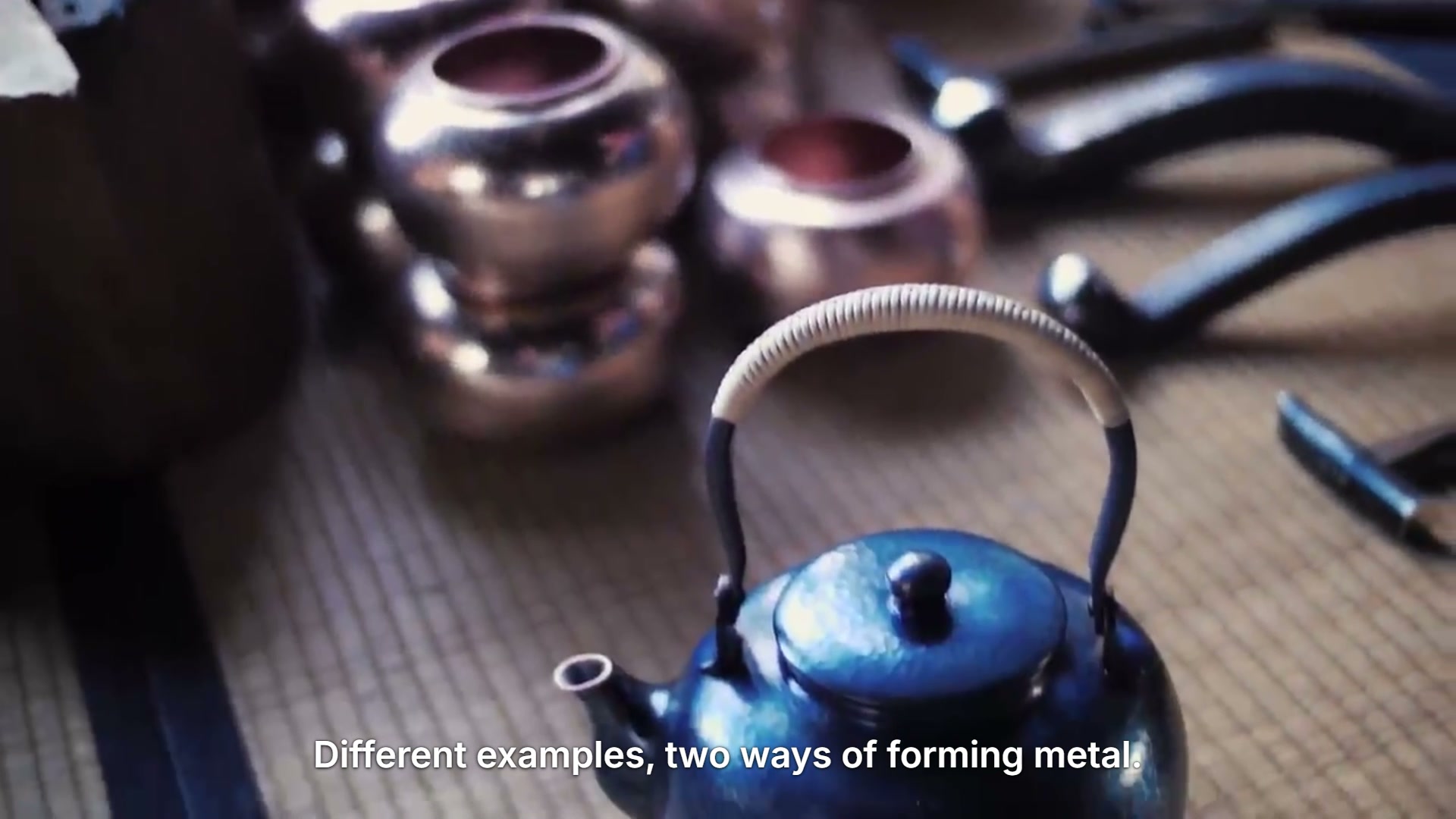
Different examples, two ways of forming metal.
不同實例,呈現兩種金屬成形方式。
A metal vessel first draws the eye through its outline and reflection. This film turns attention towards the hands that give it form. Where does a hammer land? What supports the metal? What is the mould on another worktable prepared to receive? Hand-hammered copperware from Tsubame, Japan, and a Taiwan casting demonstration provide two paths of observation. They are separate examples, not a contest with matched materials and dimensions, and each makes otherwise hidden work visible.
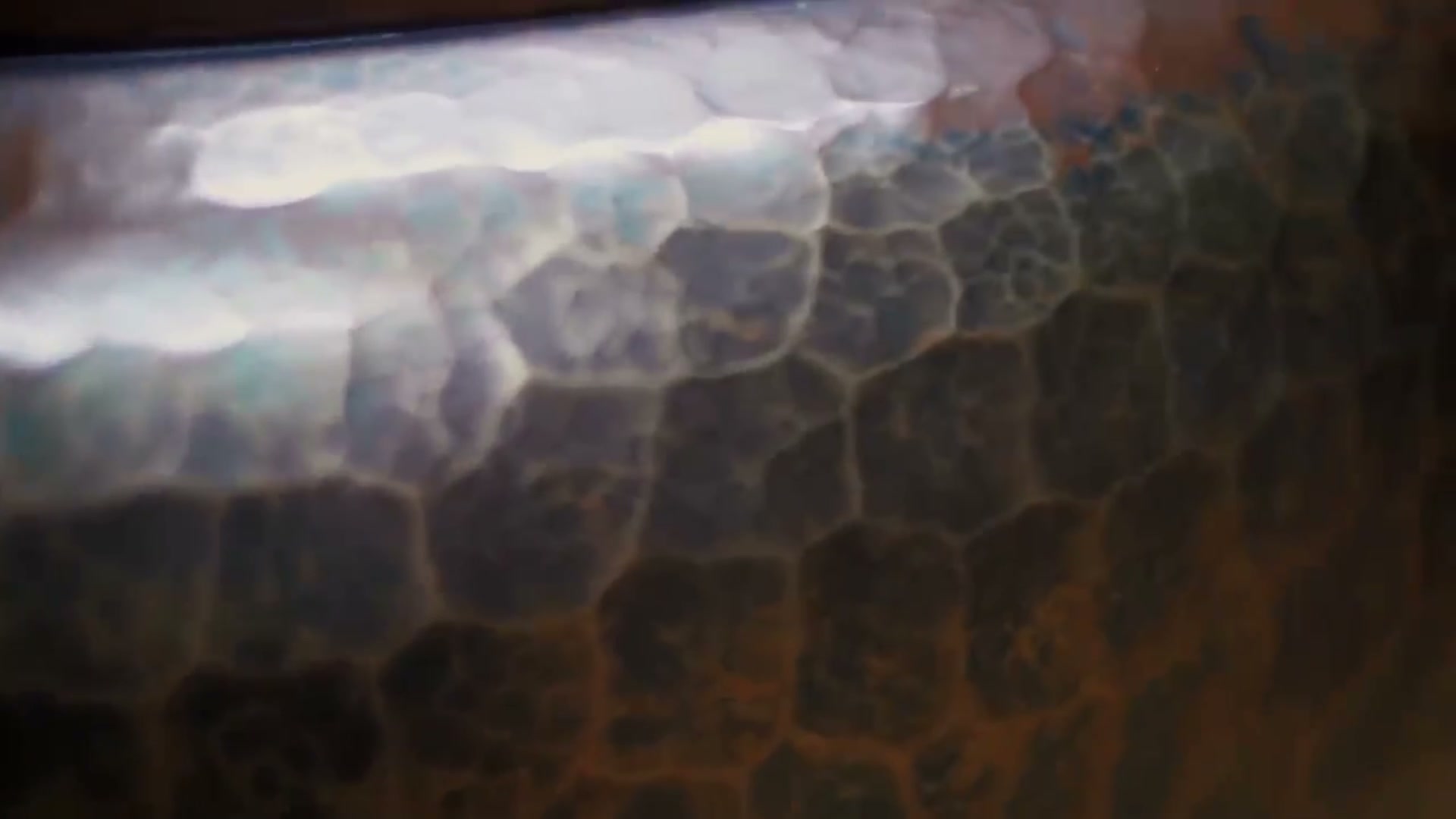
Look at the hand that is not holding the hammer
In the Tsubame footage, the hammer repeatedly meets copper while the other hand moves and supports the vessel. Follow only the striking tool and shaping can look like an accumulation of force. Look slightly to the side and you notice that the object is being repositioned before the blows continue.
The point of impact and the place of support belong to one action. The film does not measure force, but it shows that the maker does more than set the work down and keep hitting. Adjustment remains part of the forming process.
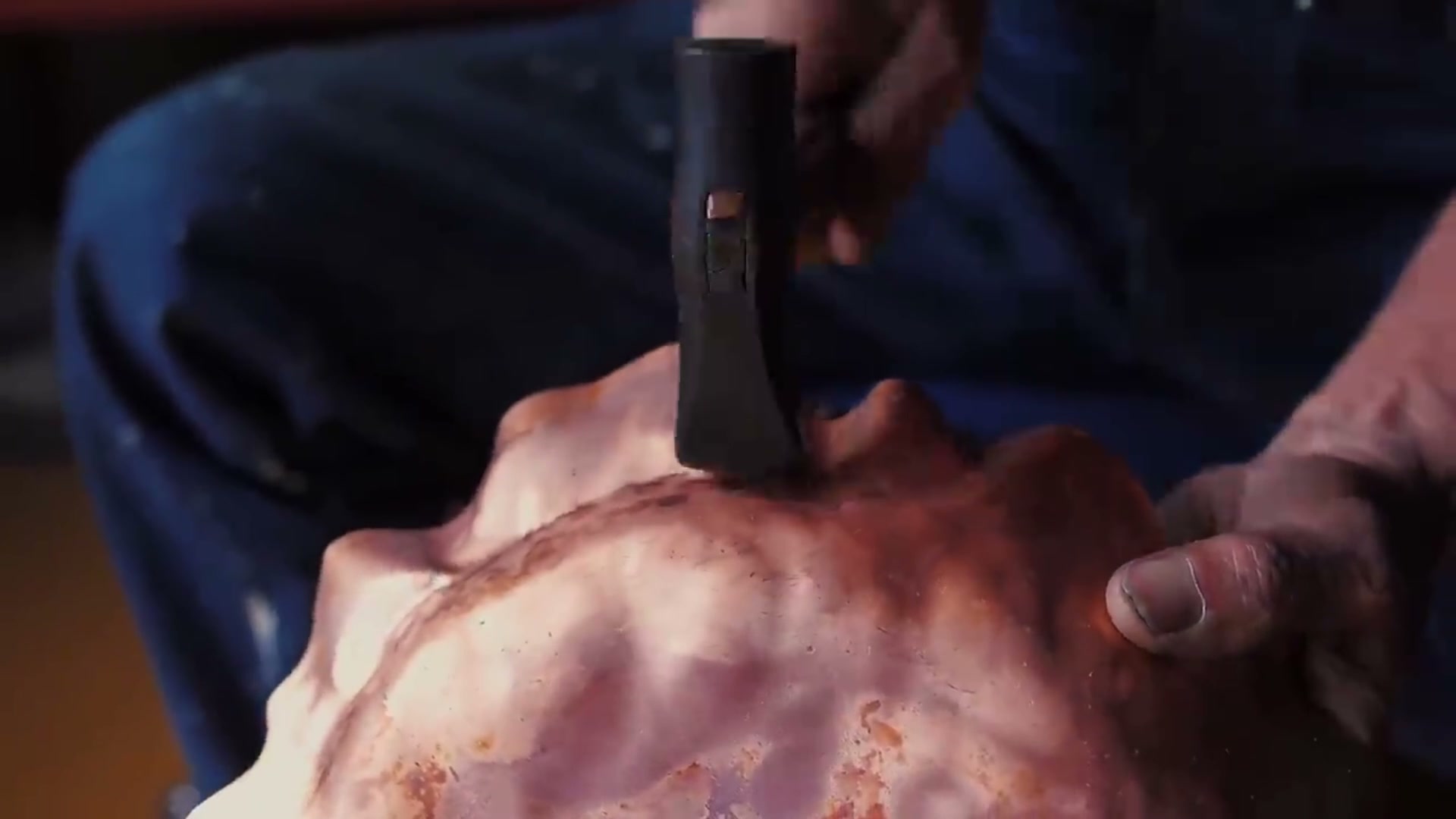
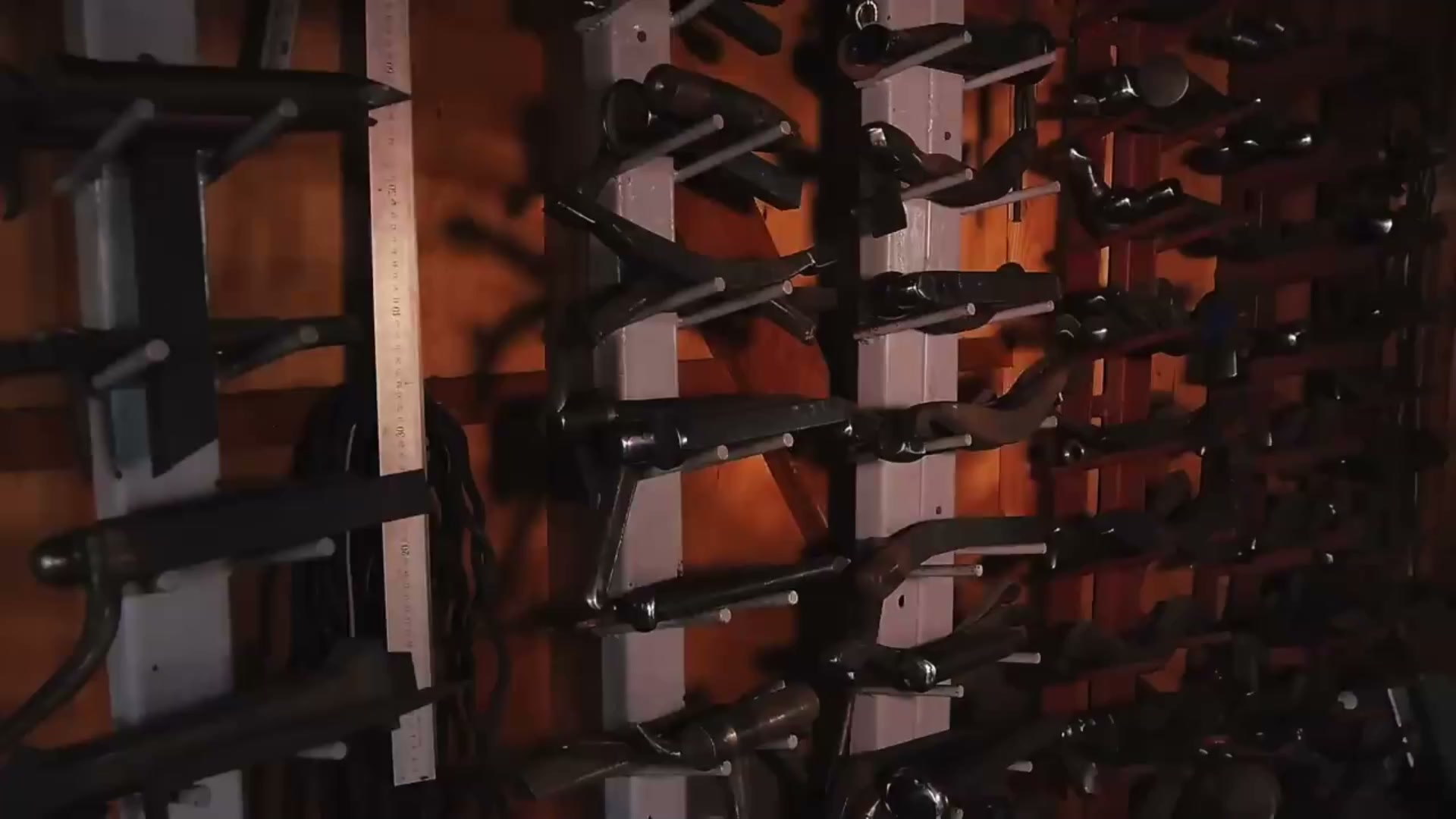
Changing form calls for changing support
The sequence also introduces different tools and ways of supporting the metal. A vessel body and opening become recognisable. The tool rack suggests that actions grouped under “hammering” may involve different contact surfaces and different access to the work.
You need not memorise every tool name. First ask which surface is being worked and which is difficult to reach. The relationship between the object’s curves and the available supports offers clues to the sequence. Marks on the finished surface can then be read in relation to an action, rather than only as decoration.
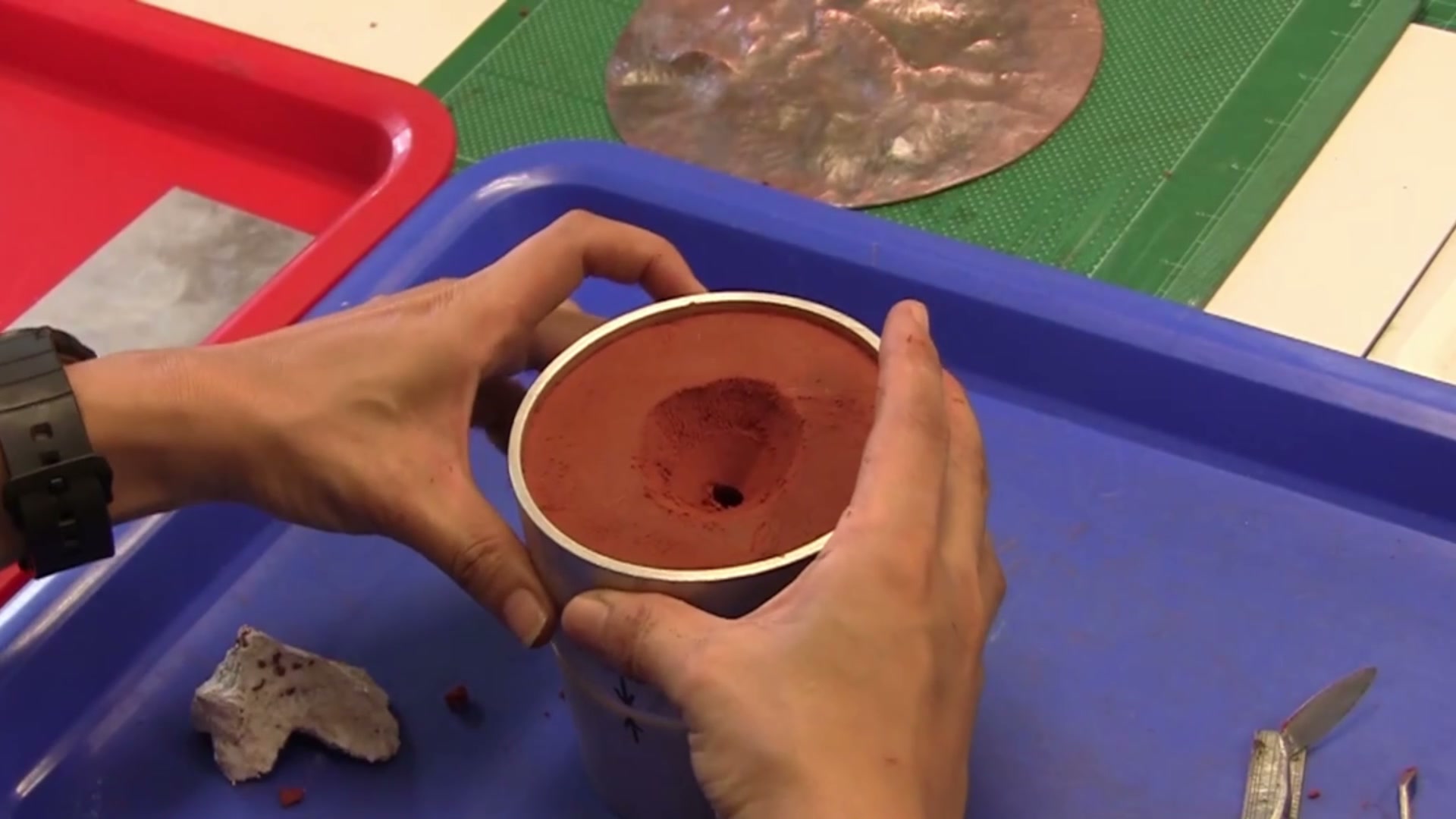
A casting begins with the space prepared for it
The second sequence comes from New Taipei City Gold Museum’s metalworking demonstration. A mould lifted by the maker does not resemble an everyday finished object, yet it already establishes a cavity and a route for molten metal. The subject is, for the moment, a space waiting to be filled.
Connect this preparation with the later pour and casting becomes more than putting hot metal into a container. The mould participates in forming the object. Its hidden interior has to be understood through the process—a clear visual difference from the earlier hammer-forming example.
The pour is followed by setting and removal
Heating, pouring and removal of the casting follow; the source identifies this metal as bronze. The bright molten material draws attention, but neither an exact temperature nor a measured setting time is established here. A few edited seconds must not stand in for the actual waiting period.
Hammer forming and casting are not necessarily opposing camps. These separate examples show different beginnings for a shape. They do not prove that every object must use only one process, nor do they compare strength, cost or degrees of being handmade.
Choose a first encounter with metal craft in Taiwan
A Taiwan experience need not pretend to repeat a complete casting process. ART64’s official workshop page lists silver-ring and bracelet experiences, including its Yonghe location. Hou San Metal Workshop in Hualien offers brass and silver bracelets. These are introductions to working with material and tools, not complete training in the vessel-making or bronze casting shown here.
In Kinmen, MAESTRO WU lists a small-craft experience with a knife-shaped key ring; that should also be distinguished from professional steel-knife production. Before taking an object home, name what you actually did and what the teacher prepared. Recognising that division makes the craft in ordinary things easier to see.
Research and image sources
Article photographs are frames from the corresponding film, kept in their original proportions. Demonstration publishers and related Taiwan venues are listed below.