CRAFT, SIDE BY SIDE · 05 / 08
How Two Pieces of Wood Join
Follow a cut socket and a screw entering an angled pocket. Two teaching examples make joining visible beneath the surface and lead towards woodworking in Taiwan.
The film has English on-screen notes. A complete Traditional Chinese translation is available below.
English transcript and Traditional Chinese translation
0:00–0:05
How do two pieces become one?
兩塊木頭,如何接成一件?
0:06–0:15
Mortise and tenon: cut a matching socket.
榫卯:鑿出相配的卯孔。
0:18–0:26
Refine the joint's fit.
整理接合面,讓木件更相配。
0:29–0:39
Bring the joint together.
讓榫頭與卯孔接合。
0:42–0:49
This example also uses a wedge and glue.
這個實例也使用木楔與膠。
0:50–0:55
Trim the protruding tenon.
修去突出的榫頭。
0:56–1:05
Pocket-hole screws: prepare the joint.
斜孔螺絲接合:準備接合處。
1:06–1:10
Align and secure the pieces.
將木件對位並夾穩。
1:11–1:21
Drive the screw into the joint.
將螺絲鎖進接合處。
1:24–1:29
Two joining approaches. Look beneath the surface.
兩種接合方式,值得看進表面之下。
We often notice the outline and grain of a wooden object before its joints. How Two Pieces of Wood Join moves closer to sockets, wedges, clamps and pocket-hole screws. The two teaching examples do not rank an old method against modern tools. They ask how pieces line up, and what visible details help bring them together.
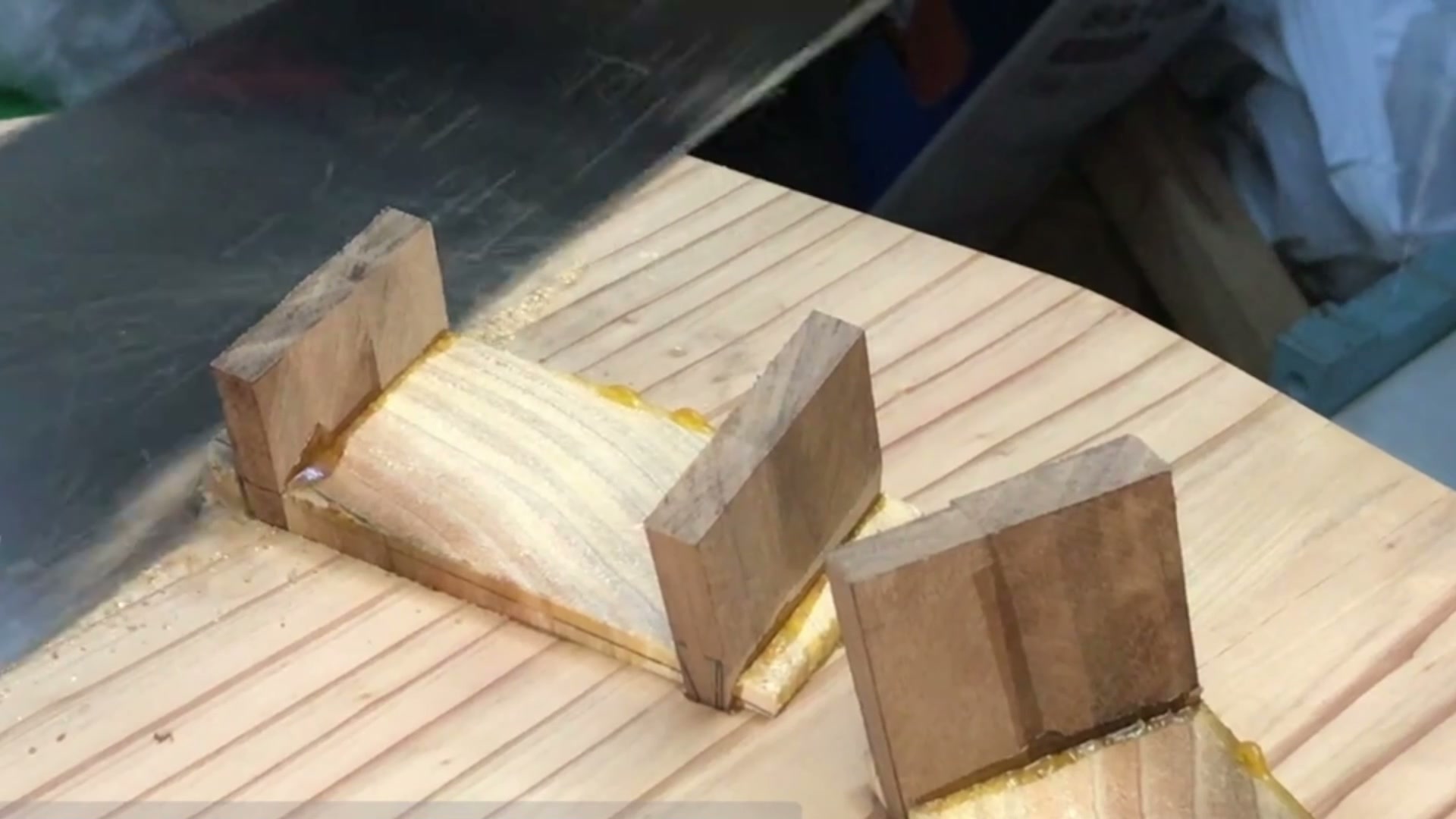
Look at the socket before the joint
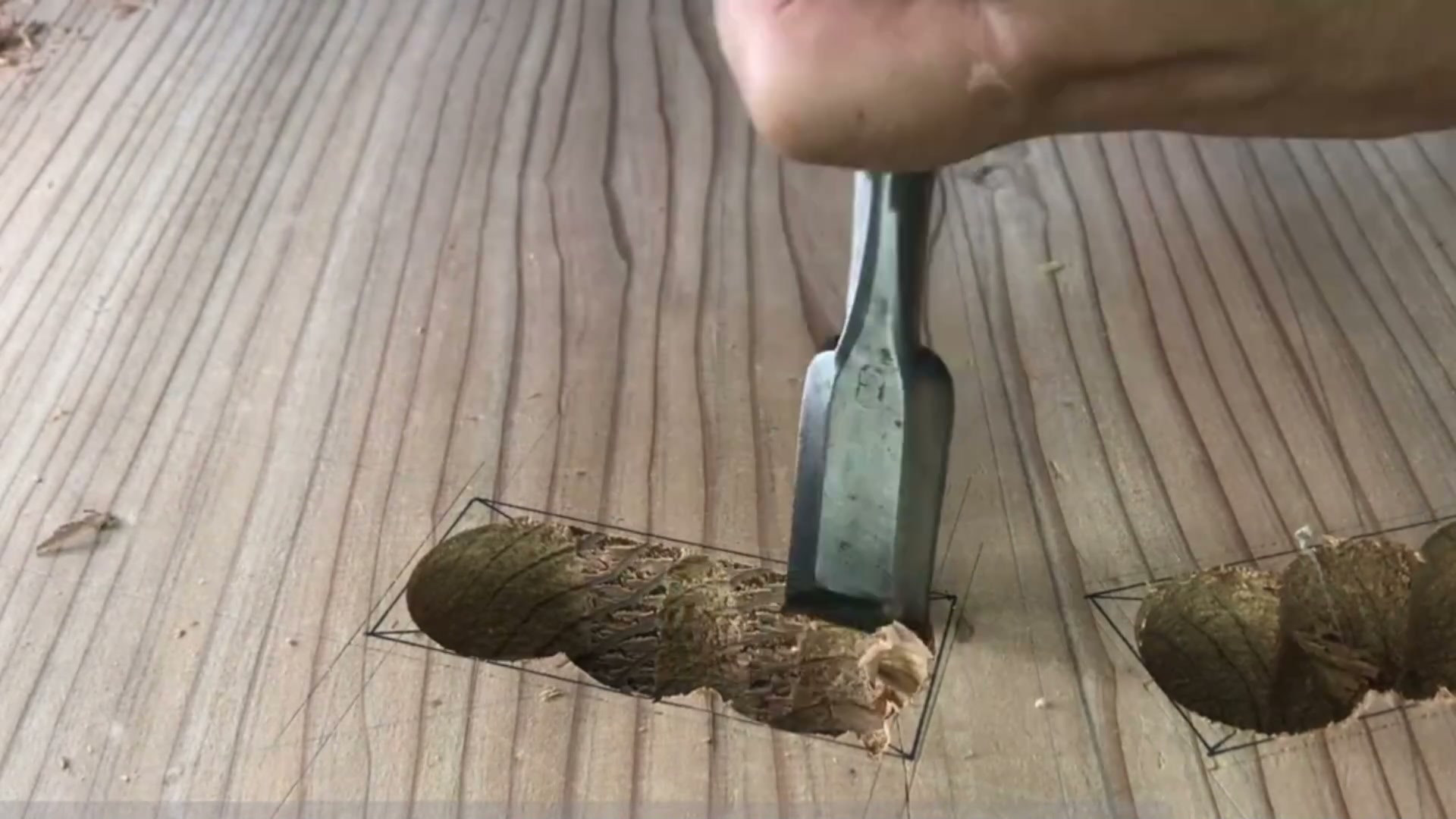
The first example moves close to a mortise in the wooden surface. A chisel removes and refines material inside the opening, working on its edges and contact surfaces. The pieces have not yet been assembled: the maker is preparing the place another part will enter. A smooth finished piece of furniture can conceal how much local work its interior required.
Keep track of which side of the joint the tool is working on. Cutting or refining the socket is not the same as trimming a projecting tenon. This sequence brings us close to a fitting surface; it does not make one movement stand for every mortise-and-tenon joint. The tutorial is by the channel 那個無聊老爸 (“That Boring Dad”). Its filming country has not been verified, so it is not described as a record of a particular Taiwan workshop.
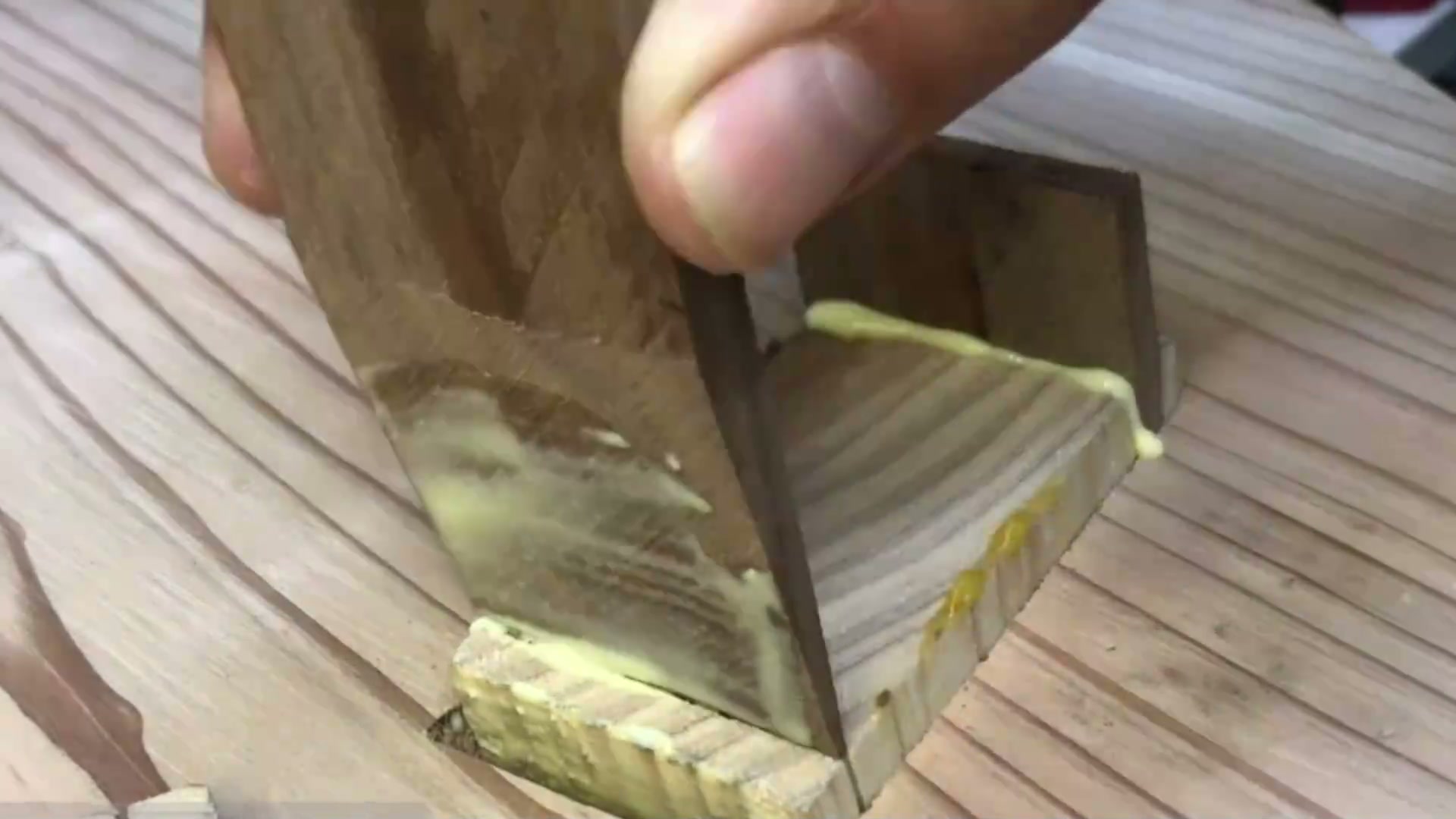
Assembly is not the last step
The pieces move together and the tenon enters the prepared socket. An assembled form begins to emerge, but this example does not stop at a snug fit. A wedge and glue are also visible before protruding material is trimmed. Watching these stages together prevents the words “mortise and tenon” from becoming an assumption that no other materials are used.
The wedge, adhesive and trimming each participate in completing this particular object. The sequence does not establish that every mortise-and-tenon joint requires glue, nor prove that such joints always avoid metal or never loosen. More useful questions are specific: which part enters which opening, and what work happened in the areas the finished surface will later conceal?
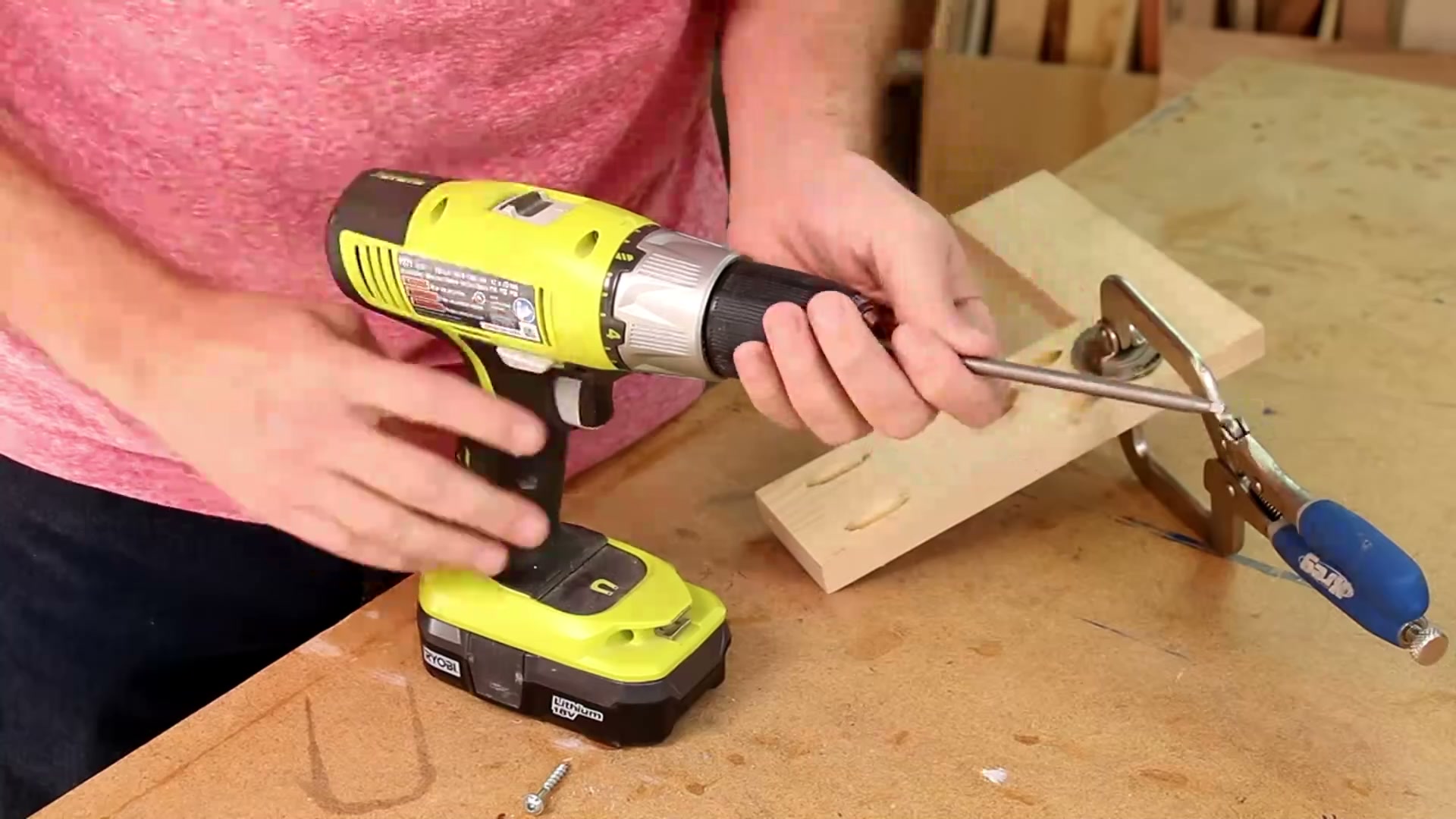
The screw enters through an angled pocket
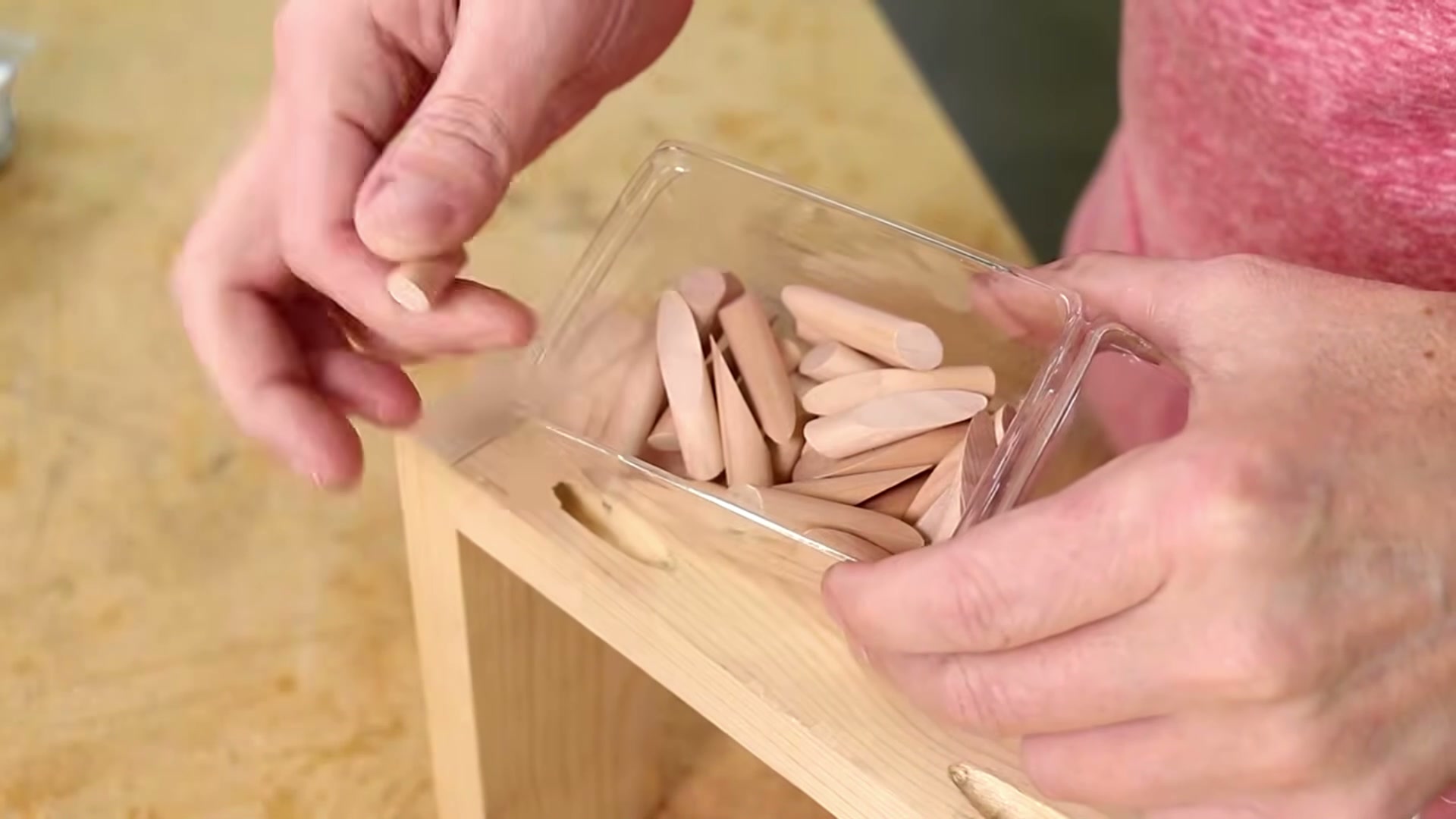
The second approach turns to Steve Ramsey’s pocket-hole screw lesson. A jig establishes the drilling direction. Once angled holes are prepared, the pieces are aligned and clamped before the driver sends a screw into the joint. This is a particular screw-joining method: the entry and path are arranged on one side of the wood rather than a screw being driven arbitrarily straight through its surface.
Steve’s official course page places his workshop context in California, USA, so this remains an overseas teaching example. The joining approaches do not use identical test pieces, and no load, disassembly or durability test establishes a winner. Watch how the clamp holds the wood and where the screw enters. That reveals more than treating every use of screws as the same method.
Bring a question about joints into Taiwan
To encounter mortise-and-tenon work in Taiwan, the Furniture Manufacturing Eco Museum in Tainan lists the solid-wood Deng Tai stool in its DIY catalogue. Its reservation form accepts a named DIY project. The stool is not the chair in the film, and the museum must confirm which operations participants carry out. Ask whether the activity begins with shaping material, fitting joints or assembling prepared components.
In Daxi, the government woodcraft platform describes Laidback Woodcraft as a wood-education studio offering bookable lessons of different levels and contents. The page does not promise mortise-and-tenon or pocket-hole joinery. Bring the question to the instructor rather than expecting to reproduce the filmed object. Understanding a socket or clamp, then using tools under guidance, can turn hidden construction into a tangible experience.
Research and image sources
Article photographs are frames from the corresponding film, kept in their original proportions. Demonstration publishers and related Taiwan venues are listed below.