CRAFT, SIDE BY SIDE · 01 / 08
How Does White Stay in the Cloth?
Read the folds, ties and plates before reading the pattern. Two resist-dyeing demonstrations offer a way into Taiwan’s indigo workshops.
The film has English on-screen notes. A complete Traditional Chinese translation is available below.
English transcript and Traditional Chinese translation
0:00–0:06
What keeps the dye out?
什麼讓染料進不去?
0:06–0:13
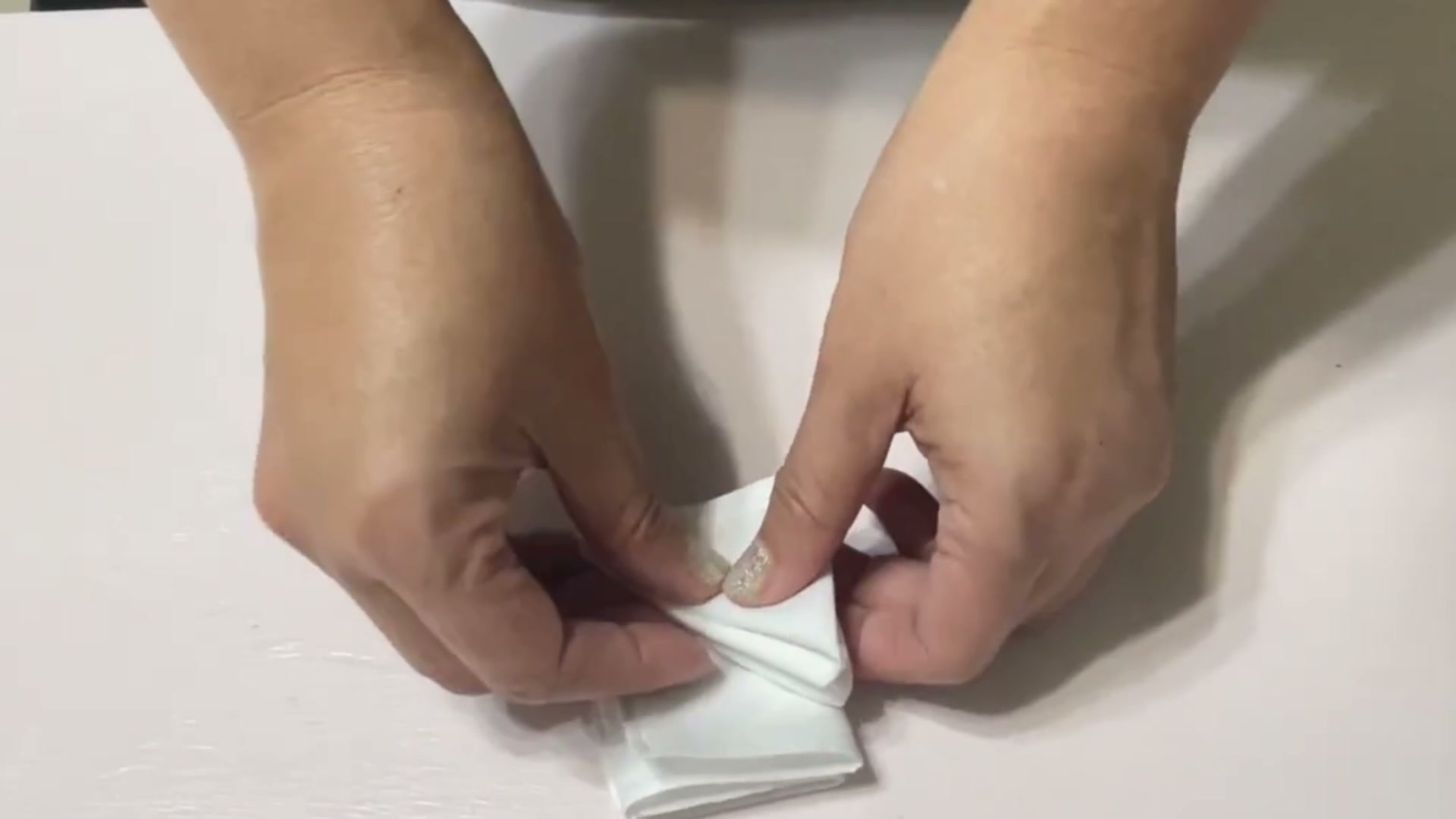
Fold the cloth.
先摺好布料。
0:20–0:28
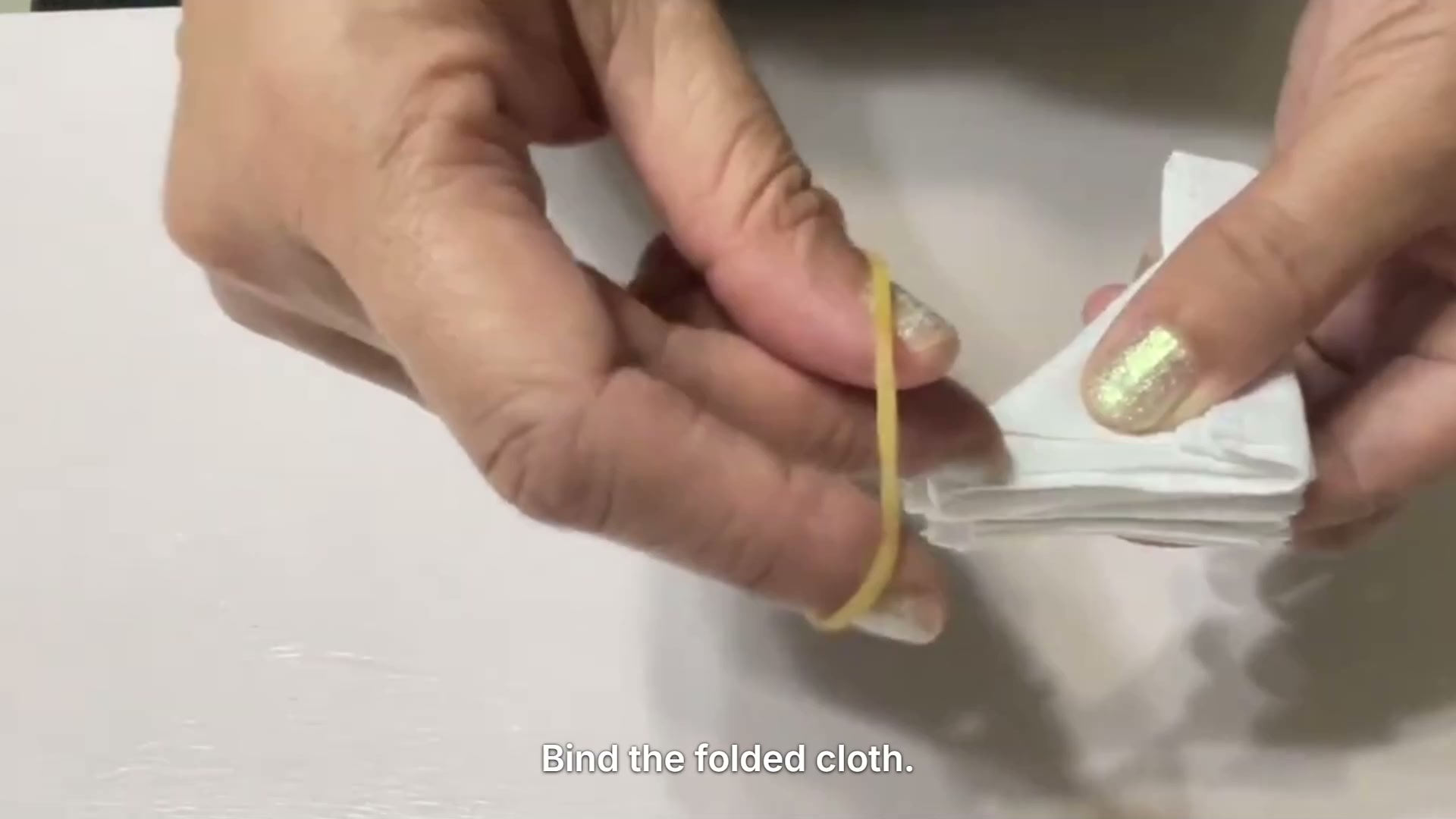
Bind the folded cloth.
把摺好的布綁緊。
0:28–0:35
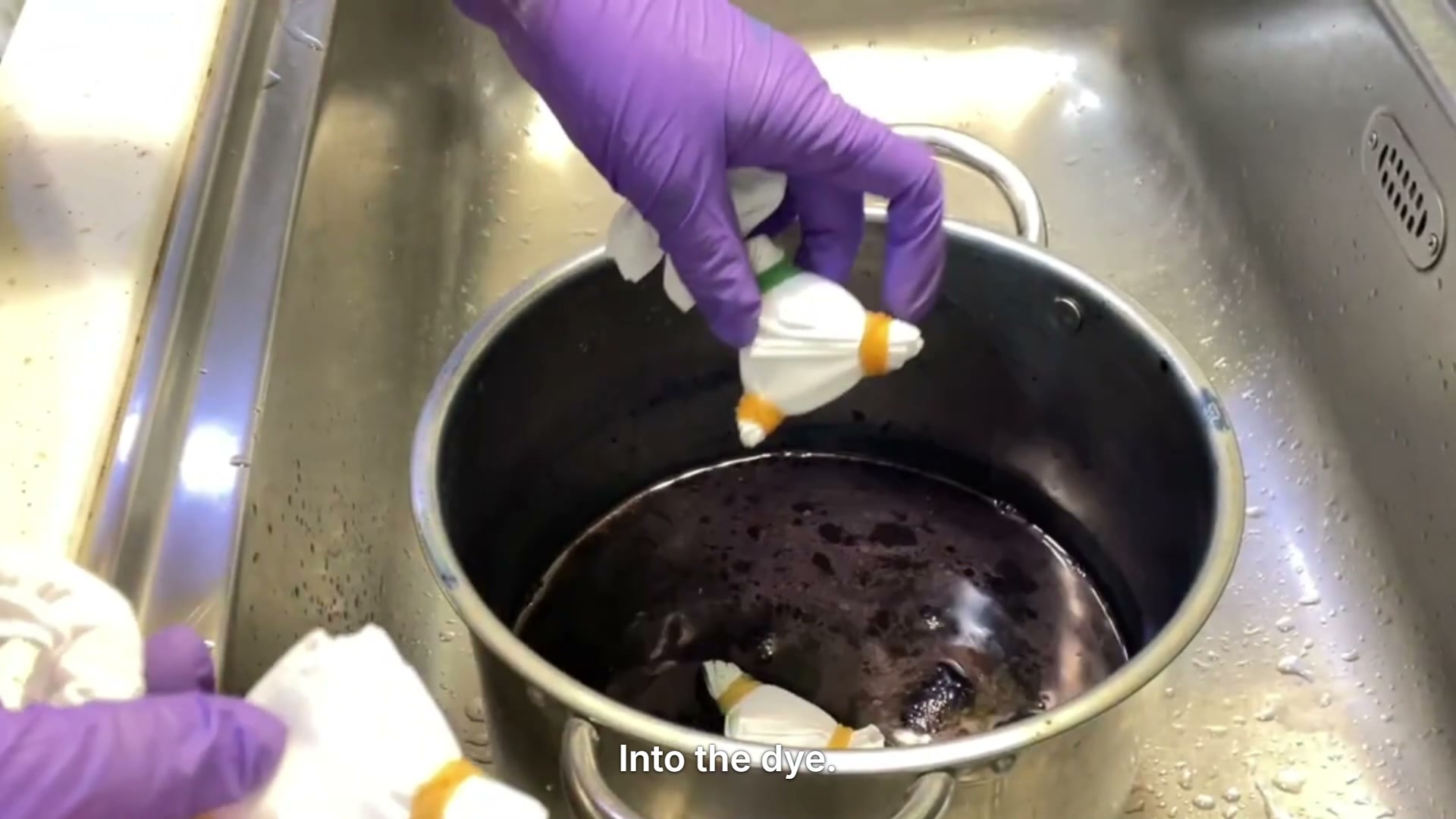
Into the dye.
放進染液。
0:35–0:44
Unbind after dyeing.
染好後,拆開綁帶。
0:44–0:50
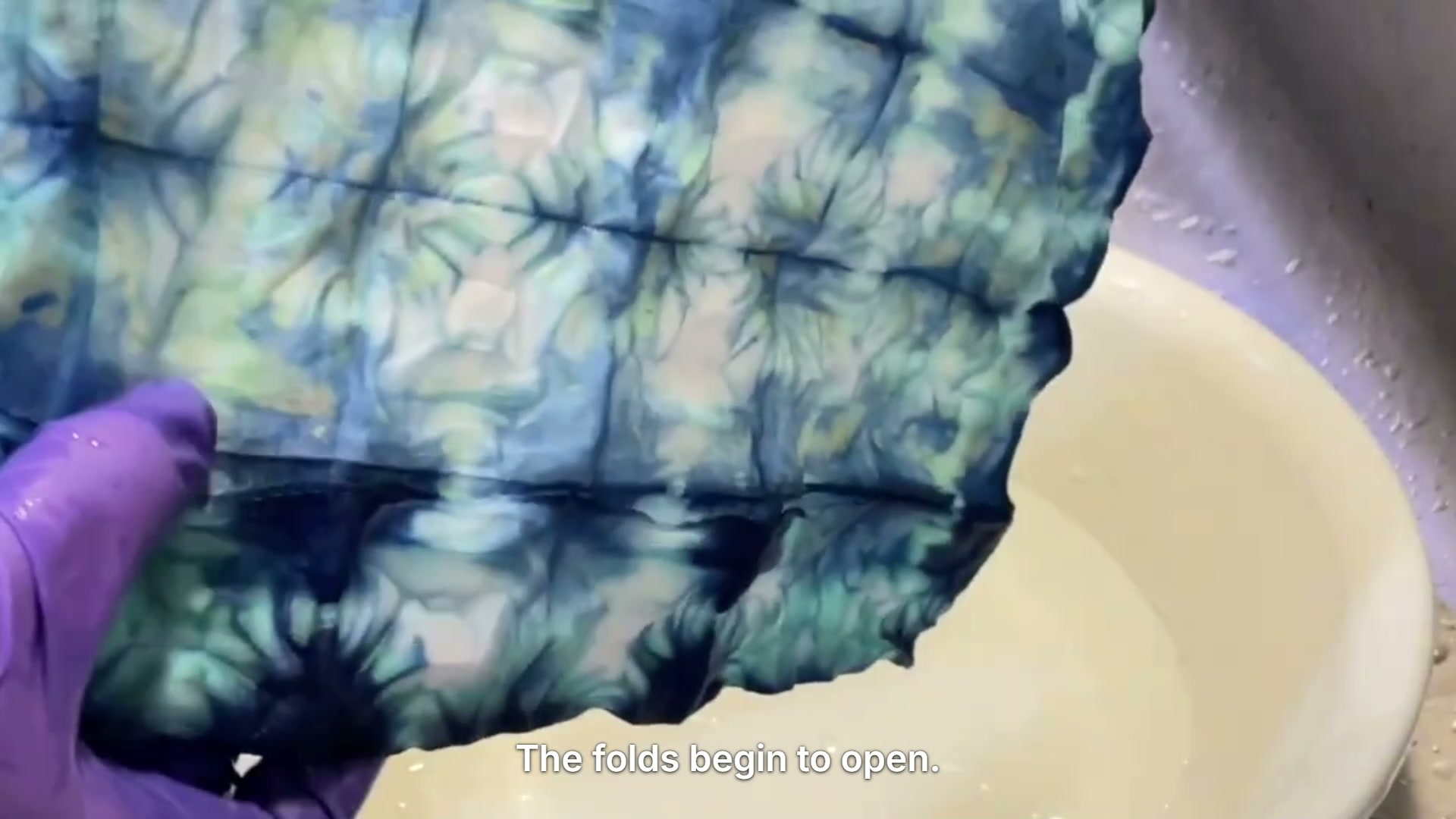
The folds begin to open.
摺層慢慢展開。
0:50–0:56
Another approach: clamp resist.
另一種方式:夾具防染。
0:56–1:03
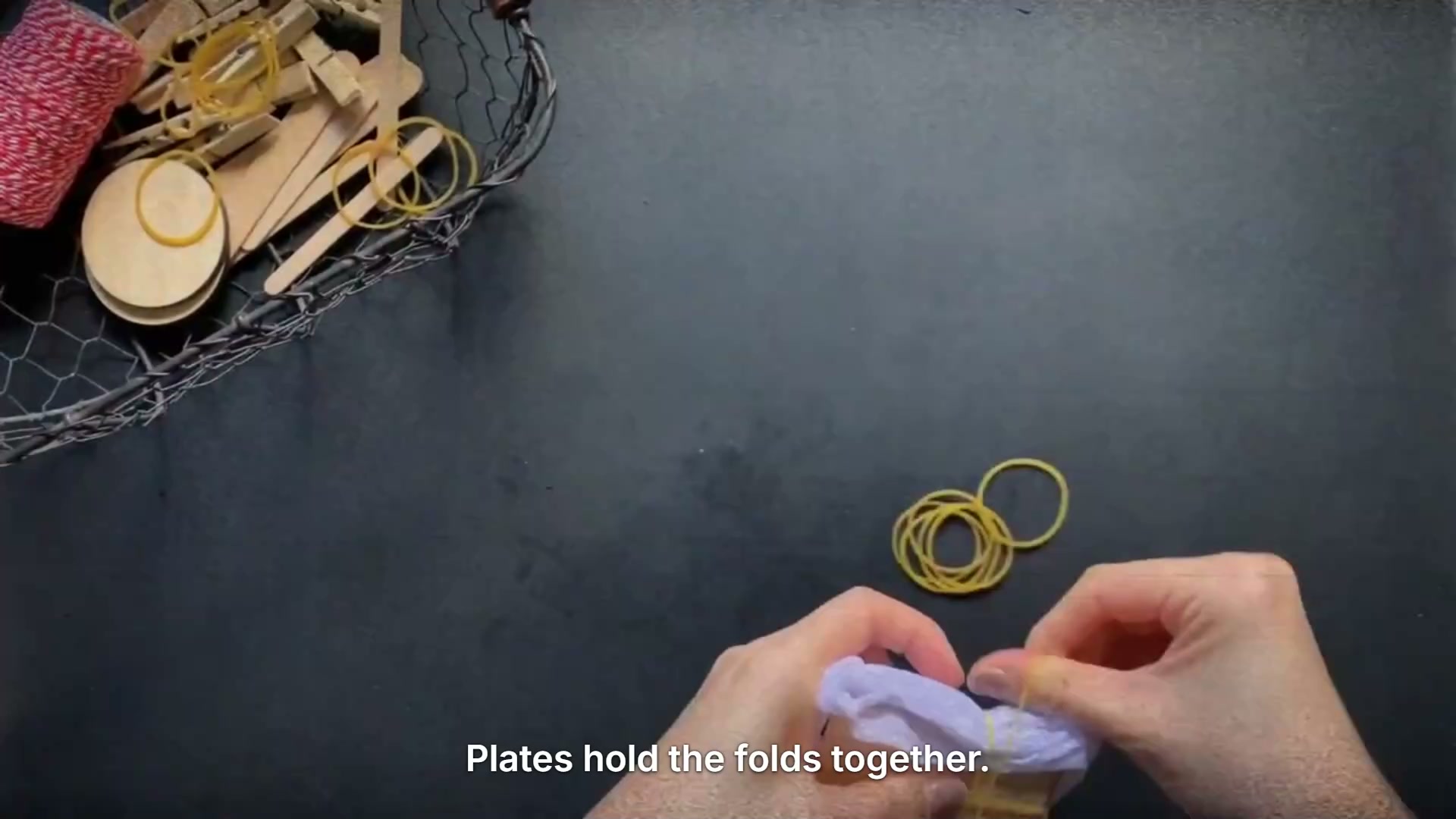
Plates hold the folds together.
用成對板件固定摺層。
1:03–1:11
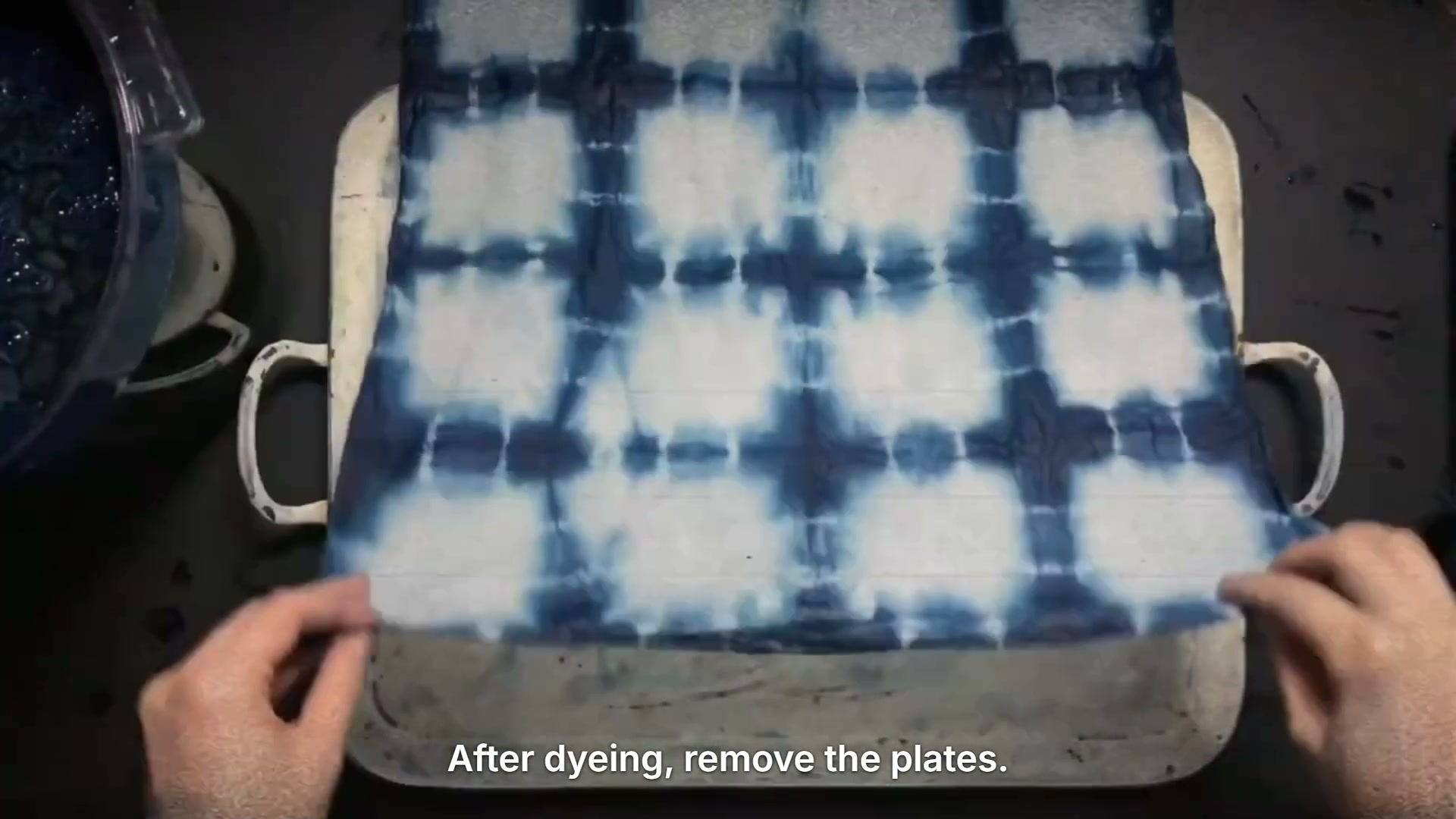
After dyeing, remove the plates.
染好後,拆下板件。
1:11–1:24
Change the clamp. Change the pattern.
改變夾法,紋樣也跟著改變。
1:24–1:29
Find your pattern in Taiwan.
到臺灣,試出自己的紋樣。
A white cloth enters a dye bath, yet does not emerge as a single, even colour. The pale areas are not a picture painted on afterwards. They begin with decisions made before dyeing: folding, binding and clamping. This film follows the space between hand and cloth—what is held, what is exposed and what appears when the bundle opens. Carry those observations into an indigo workshop in Taiwan, and a souvenir becomes a record of choices you can recognise.
The pattern begins before it can be seen
HOPEfor begins by arranging the cloth into layers and folding it down further. There is no finished motif on the table yet: only edges, folds and fingertips. A seemingly simple act of tidying is already deciding which surfaces meet and which edges remain exposed.
Choose one fold to follow. Where does it turn, and where does it land after the next fold? The pattern will become visible only when the cloth opens, but the decisions that produce it are already happening. That is a reason to watch the preparation as carefully as the reveal.
Binding sets the conditions for pale areas
The maker then secures the folded cloth with bands. Watch where each band sits rather than merely counting turns. The binding, the layers and the compressed areas affect how dye reaches the cloth; the film does not provide a measured pressure that a viewer could reproduce exactly.
After seeing the result, ask which binding might relate to a particular pale boundary. The footage cannot explain every mark point by point. Even so, looking at the pattern alongside the action is more useful than dismissing the finished design as simply random.
Opening the cloth makes earlier choices readable
The bundle enters the bath, the ties come off after dyeing, and the layers open. By keeping these actions connected, the film lets viewers relate the white cloth on the table to its later blue-and-pale pattern. Unbinding is the moment when earlier choices first become legible.
This is not a complete dye recipe. The footage does not establish every fibre, bath ingredient or immersion condition, and blue colour alone does not identify a particular natural dye. What it does show is a relationship between restraint, exposure and the unfolding cloth.
Plates offer another way to hold the folds
Jamin Koo’s clamp-resist demonstration moves to a different worktable. Plates hold the folded cloth in place before the bundle is secured. After dyeing, unclamping and opening reveal an arrangement of pale areas. The useful question is how plate and fold relate, rather than which maker wins.
These are not tests with one cloth and one dye bath, and their filming locations remain unverified. The visible actions can be compared; dye consumption, wash resistance and guaranteed edge sharpness cannot. Such conclusions would require evidence that these separate demonstrations do not supply.
Take the questions to Sanyi and Sanxia
Two verified workshops offer a next step in Taiwan. Joye’s standing course in Sanyi specifies tied-resist dyeing and explains later drying and care; the clamping shown in this film is not a promised part of that class. The Can’s Sanxia experience combines local dyeing history, making and textile care.
Take one question with you: where should I fold and secure the cloth to leave the pale area I want? Open your work and compare it with your plan. The journey from watching to making leaves you with an experience you can explain, rather than only a pattern you can buy.
Research and image sources
Article photographs are frames from the corresponding film, kept in their original proportions. Demonstration publishers and related Taiwan venues are listed below.