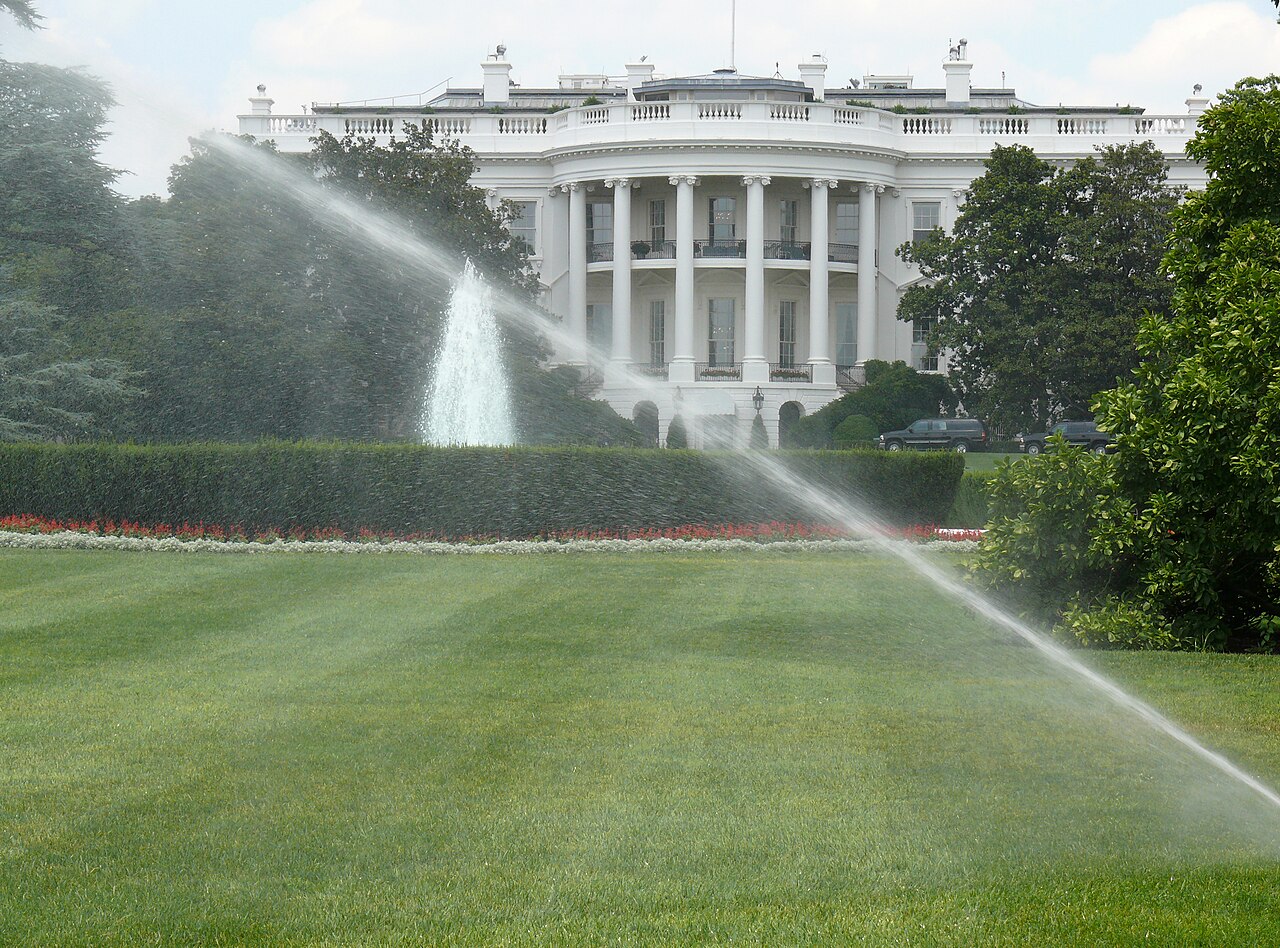
Washington, D.C. × TAIPEI / TAIWAN, LAYER BY LAYER
The Cold War enters daily life
The Cold War needed a neighbourhood to live in
An American diplomat’s family breakfasts lead from Washington’s decisions into Tianmu’s changing streets.
01 / CHAPTER 1
A Sunday breakfast far from Washington
Donald Michael Bishop’s account of working in Taipei from 1987 to 1991 includes a family routine: looking for a street cart on Sunday mornings, eating steamed buns and drinking warm soy milk. They lived in an old house on Yangmingshan, where firewood arrived for the fireplace in autumn.
His employment at the American Institute in Taiwan belonged to international affairs. The breakfast and the firewood belonged to making a home. His recollection is one family’s experience after the era of US military residence, not a portrait of every American household.
02 / CHAPTER 2
The white house was built for an earlier arrival
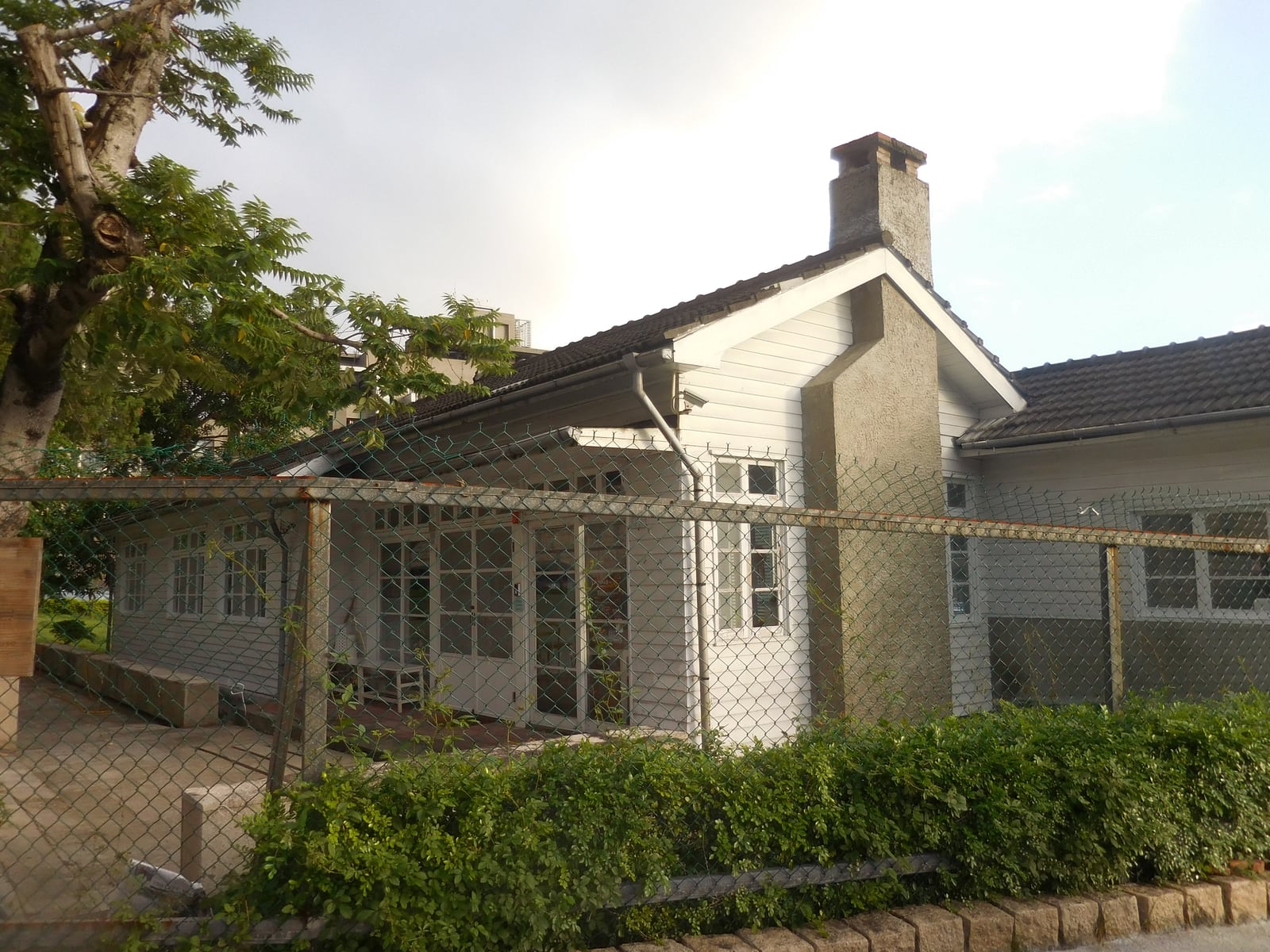
US military personnel and families settled around Tianmu and Shanzihou in the 1950s. Tianmu’s White House dates from 1953. Timber walls, roof, fireplace and garden gave overseas residence a physical form at the foot of Taipei’s hills.
The diplomatic decision was made elsewhere; here, residents needed food, laundry and appliances. The Tianmu dry-cleaning business founded in 1953, meat shops and electrical stores show local businesses responding to those needs. These are histories of services, not a promise that each old shop remains open.
03 / CHAPTER 3
Someone had to make the new home work
Taipei American School had its own history of arrivals: eight pupils met in a basement in 1949, decades before the move to Tianmu in 1989. Behind that institutional story were people helping newcomers settle. A school account published in 2026 recalls Richard Arnold arriving from America in 1970 without a stove among the furniture available to him. Mr. Yang, who coordinated transport and furniture, undertook to find one. He also drove for student outings and attended English classes after work.
The episode shifts attention from the household receiving help to the person making daily life possible. Transport, equipment and communication all required work. Remembering that work makes an international neighbourhood more than a collection of foreign residents: local staff helped turn an overseas posting into a place where people could teach, learn and live.
04 / CHAPTER 4
An announcement changed the neighbourhood’s future
Washington announced the diplomatic change in December 1978; the United States established relations with the People’s Republic of China on 1 January 1979. Military withdrawal changed the purpose around which many houses and services had formed. Some buildings disappeared.
School history records falling enrolment in the 1970s, followed by changes in the families it served. The school, later residents and new businesses continued the area’s international life. Bishop’s later family routine belongs to that next chapter. Tianmu did not remain frozen at the moment a government relationship ended.
05 / CHAPTER 5
The water story reaches further back
The 1932 Caoshan waterworks predate the US housing. The large pipe and its service path show how water reached the city from the mountain. Housing and water supply belong to different periods, joined today by the geography of Tianmu.
View the White House from public streets, then the park and lower trail entrance. The longer climb towards the upper exit is a separate mountain arrangement. A school or a private home is not a tourist stop unless it explicitly opens to visitors.
At the lower entrance, remember the breakfast rather than only the policy. The overseas relationship became useful, difficult and ordinary through the people trying to live here.
On-site guides
Find this story in Taiwan
Each outing has its own time and return journey. Mountain time is additional to the cultural walk.
CHOOSE YOUR OUTING
Cultural walk · Tianmu neighbourhood
What to see
Easy streets with crossings; full trail is a separate stair climb
Location and transport
White House → Tianmu Park → Lane 232 lower trail entrance. Return towards Shipai MRT.
Time
1.5–2 hours · neighbourhood only
Before visiting
Take the MRT to Shipai, then check a current bus connection or taxi to Tianmu White House. Finish at the lower trail entrance; use the return link for travel back to Shipai. Bus/MRT travel is extra. The walk does not include the full trail.
About 2.6 km · long stair climb, then hillside paths
Location and transport
Lane 232 lower trail entrance → upper exit near Aifu 3rd Street. Return towards Jiantan MRT.
Time
Allow an extra 2–3 hours as a planning estimate; transport extra
Before visiting
From the lower Lane 232 entrance, follow official signs towards Aifu 3rd Street near Chinese Culture University. Return from the upper end towards Jiantan MRT using current bus information. For an early turnaround, descend the same path and return towards Shipai. Check conditions and carry water; do not feed monkeys.
The Tianmu street footage was published on 19 March 2024; the individual filming day is not independently established. The article’s White House photograph dates from 31 October 2016. These present-day settings illustrate a later visit, not a reenactment of 1970, Richard Arnold’s residence or the school’s pre-1989 location. The story records Mr. Yang undertaking to look for a stove, not confirmation that one was found or bought. Views are from public streets, the park and the outside of the White House; no entry to a private home or school is promised. No AI-generated pictures or video are used; the short English narration is synthesized and the instrumental is an existing generated track.
Tianmu public-street film · published 19 March 2024 · Original record