
A festival that returns to its neighbours
In Yogyakarta, Papermoon’s work extends beyond a theatre building. Maria Tri Sulistyani, known as Ria, founded the company in 2006 and developed it with visual artist and puppet designer Iwan Effendi. In 2008 they began Pesta Boneka, an international puppetry biennale that brings visiting artists into a community setting in their home city.
Their practice makes room for performances, installations and workshops. That matters when following the company to Taiwan: the crossing involved a way of working with other people, rather than a finished puppet arriving to be admired from a distance.
The children joined before opening day
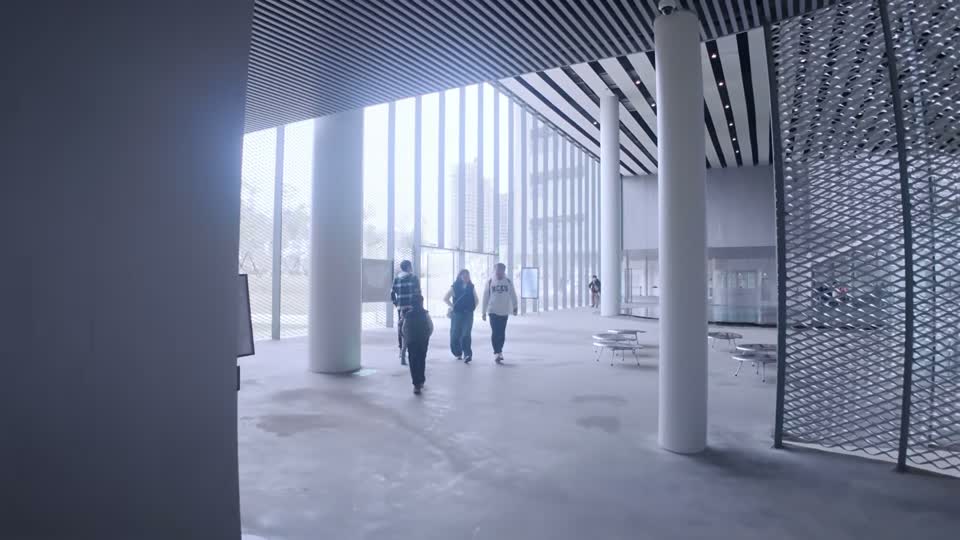
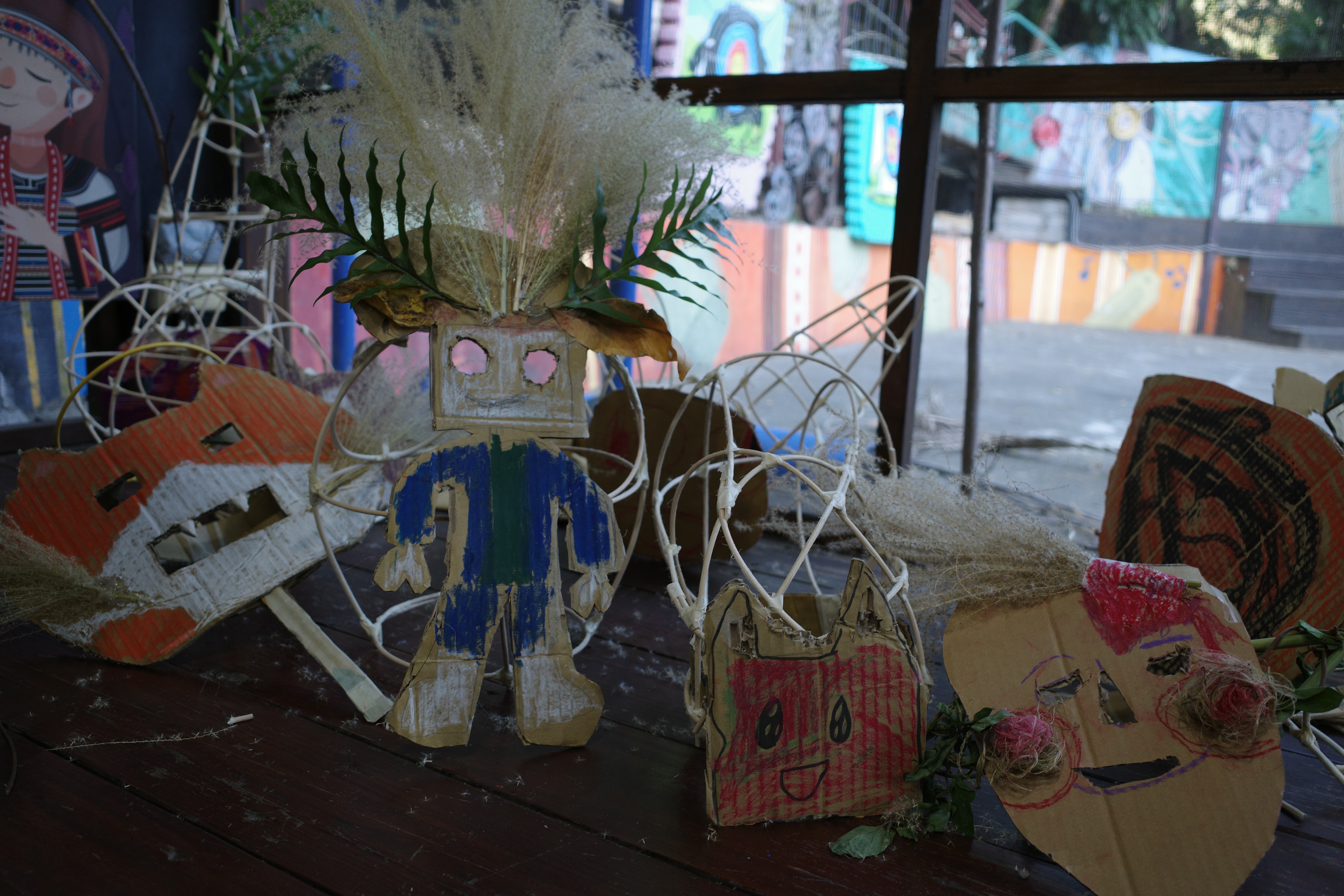
On 14 December 2025, Papermoon and P’uma Elementary School presented Story of Nature at Taichung’s newly opened Green Museumbrary. The parade used the shaded plaza and public spaces, combining puppets, performance and multilingual storytelling. It followed workshops in which pupils developed stories, made objects and worked with movement.
During the preparation, participants worked with ramie after scraping and washing the fibres, using it to decorate masks. The material connected the collaboration to a practice taught at P’uma. The children were contributing something more specific than a generic image of Taiwan: knowledge that could be handled, worked and carried into a performance.
The school had its own work to do
P’uma stands beside the Daan River in Taichung’s Heping District. Its Atayal experimental education combines the usual school subjects with cultural learning. Preparing those classes requires teachers, language teachers and community elders to work together. A school account describes lesson planning that considers not only what children will learn, but also the places, tools and safety of practical work.
The collaboration therefore met an existing educational practice. The museum’s programme described pupils turning their thoughts about land, nature and everyday life into puppetry and performance. They were not simply an audience for a visiting Indonesian troupe. Their own experience supplied part of what the collaboration could say.
Two works and two ways of bringing a river into view
For the museum’s opening exhibition, Papermoon also made KALI—Stream of Memory. Its large puppets and stilt-like structures centred on a character whose name comes from the Javanese word for river. The installation and the school parade were connected parts of the company’s visit, but they were not the same work.
Keeping that distinction leaves room for the pupils’ contribution. A story developed by artists in Yogyakarta did not replace the school’s understanding of its surroundings. The workshops and parade gave the two practices a place to meet. Their concrete result was a shared performance; it is not evidence that the two cultures have identical beliefs or that a single event completed cultural transmission.
Return to the plaza with the makers in mind
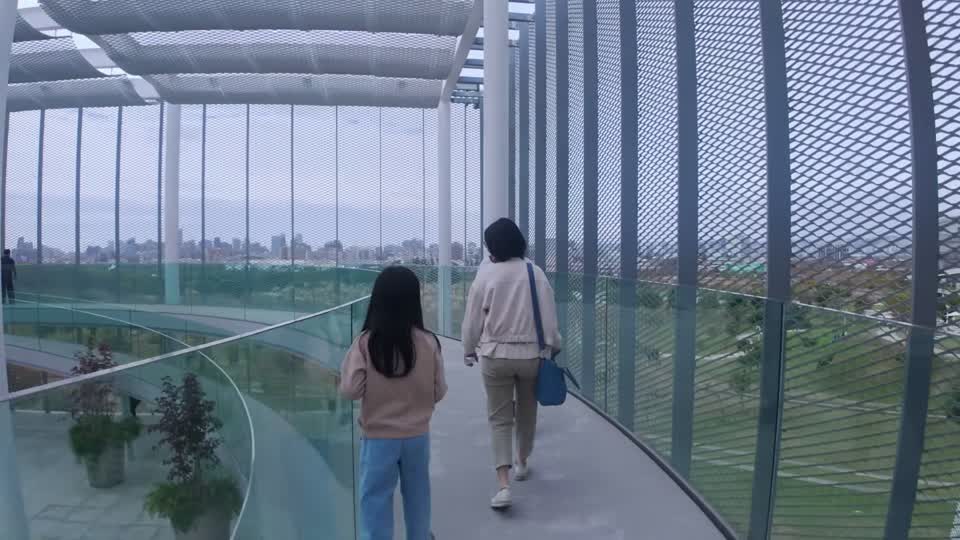
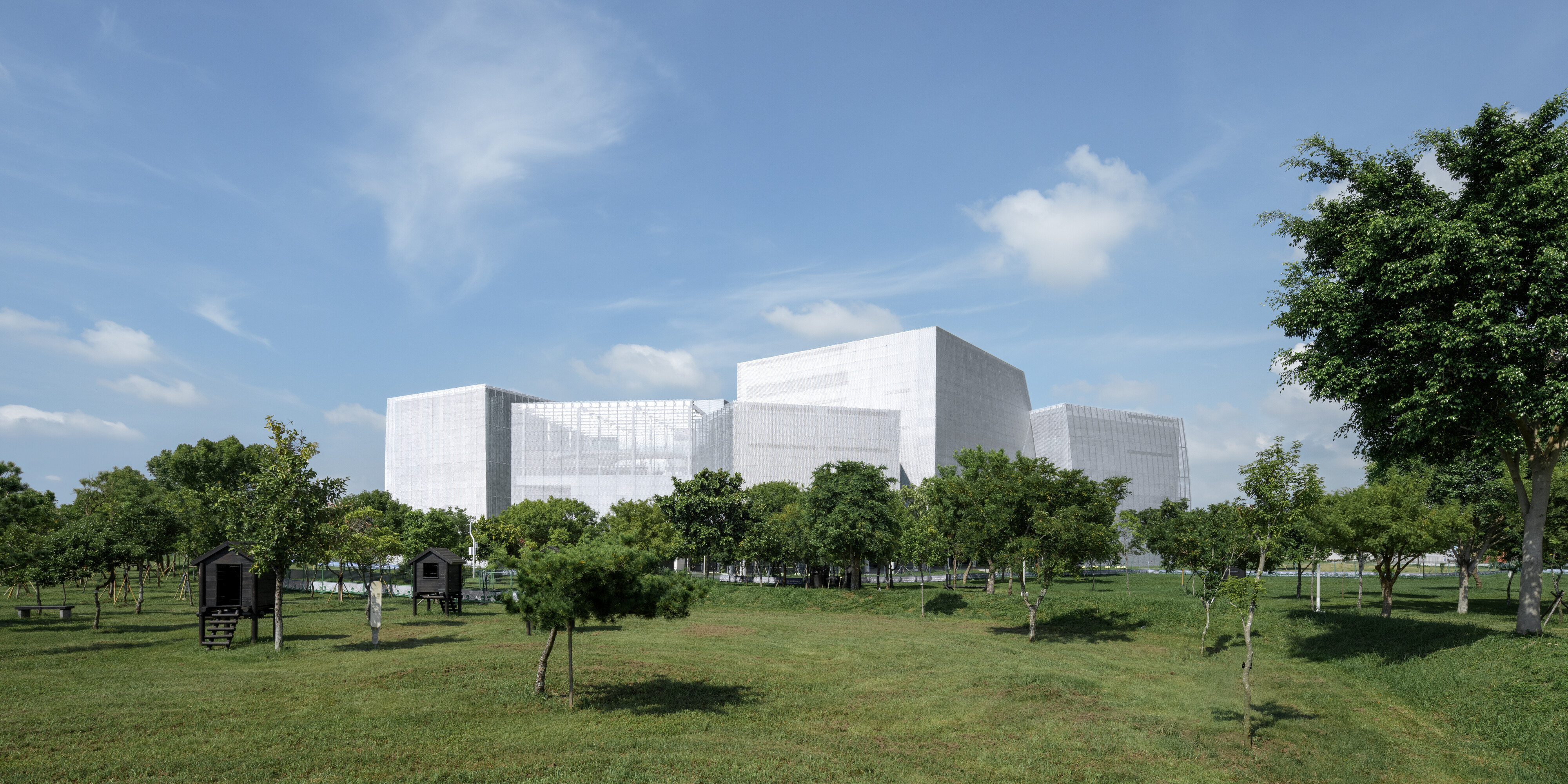
The 2025 performance is over. At Green Museumbrary today, start with the public space where the parade took place and notice how a shaded plaza connects people with the museum. Knowing what children made before arriving changes the way that space can be read: it once held the result of learning as well as the audience who came to see it.
Check the museum’s present exhibitions before travelling; neither the parade nor KALI is promised as a current attraction. The school is not an alternative sightseeing stop. This journey leads from a company’s home in Yogyakarta to a documented collaboration in Taichung, while leaving the children’s campus and daily life to the people who belong there.