The journey does not end at the shop
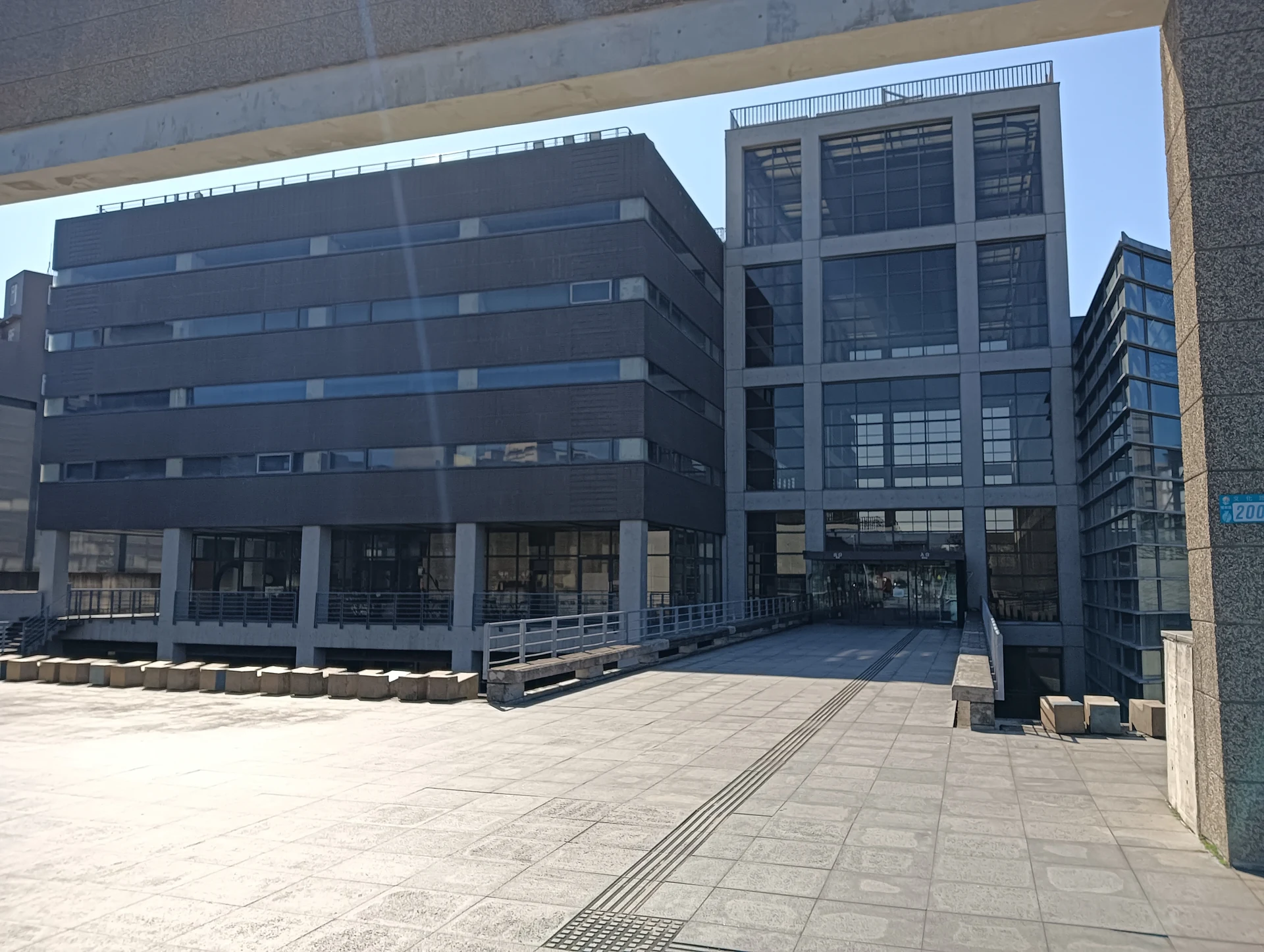
In September 2025, Hong Kong newspaper am730 took readers through Yingge’s old ceramic streets and the newly opened New Taipei City Art Museum. Its reporter noted pottery workshops where a visitor could make an object and have the fired piece sent home. The trip offers a useful starting question: what had to happen in the kiln before that object became a souvenir?
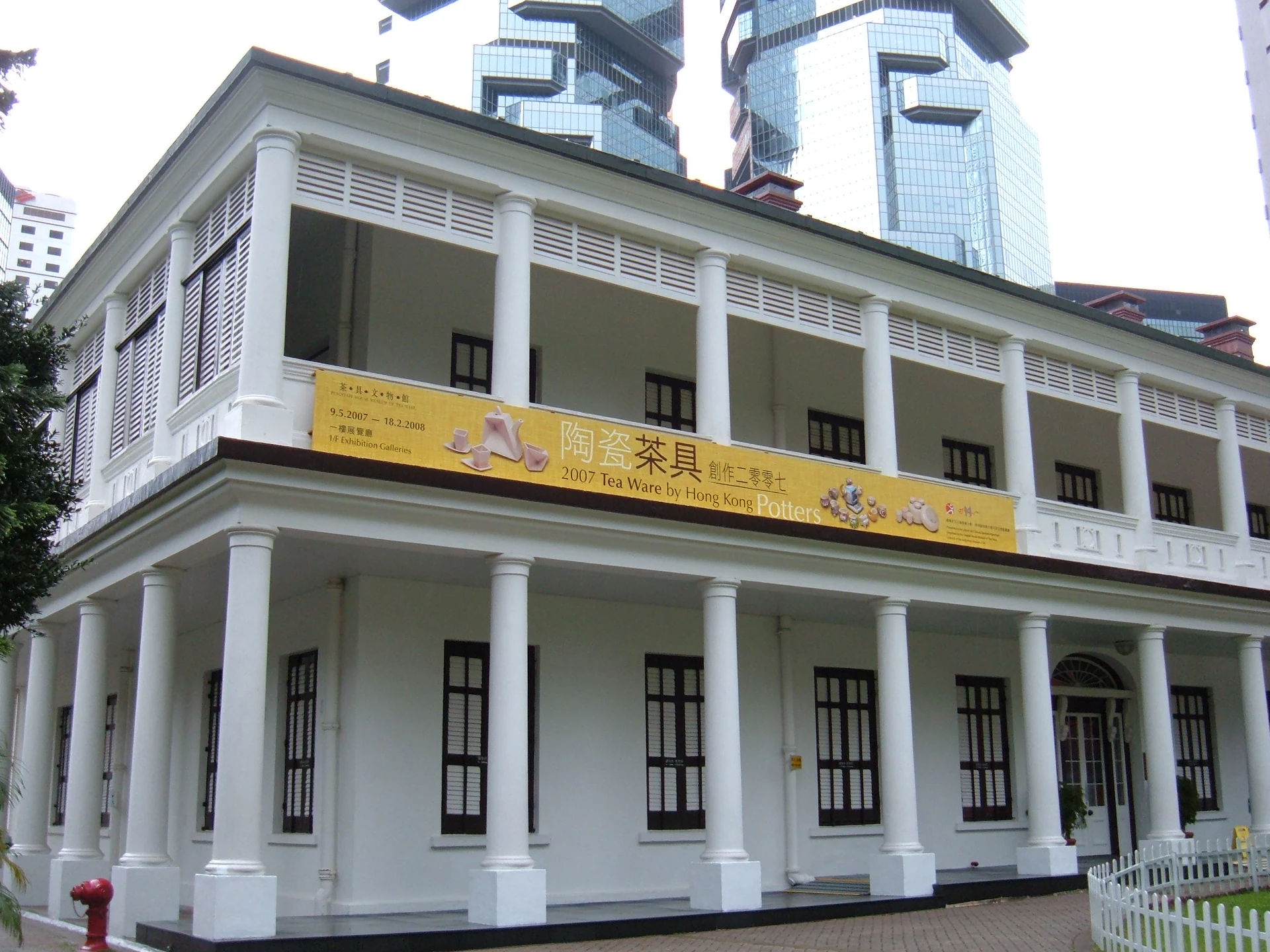
The Ceramics Museum’s written account dates Chichou Kiln’s founding to 1975 and records sourcing raw materials in Japan and technicians in Hong Kong. Practical knowledge crossed the sea too.
A maker changes with the industry
Hsu Chao-tsung, from Yilan, first worked in quality control at a Yingge ceramics company, then managed Chichou Kiln and took over its operation. Reproductions of historic porcelain provided work and a technical foundation during the export boom.
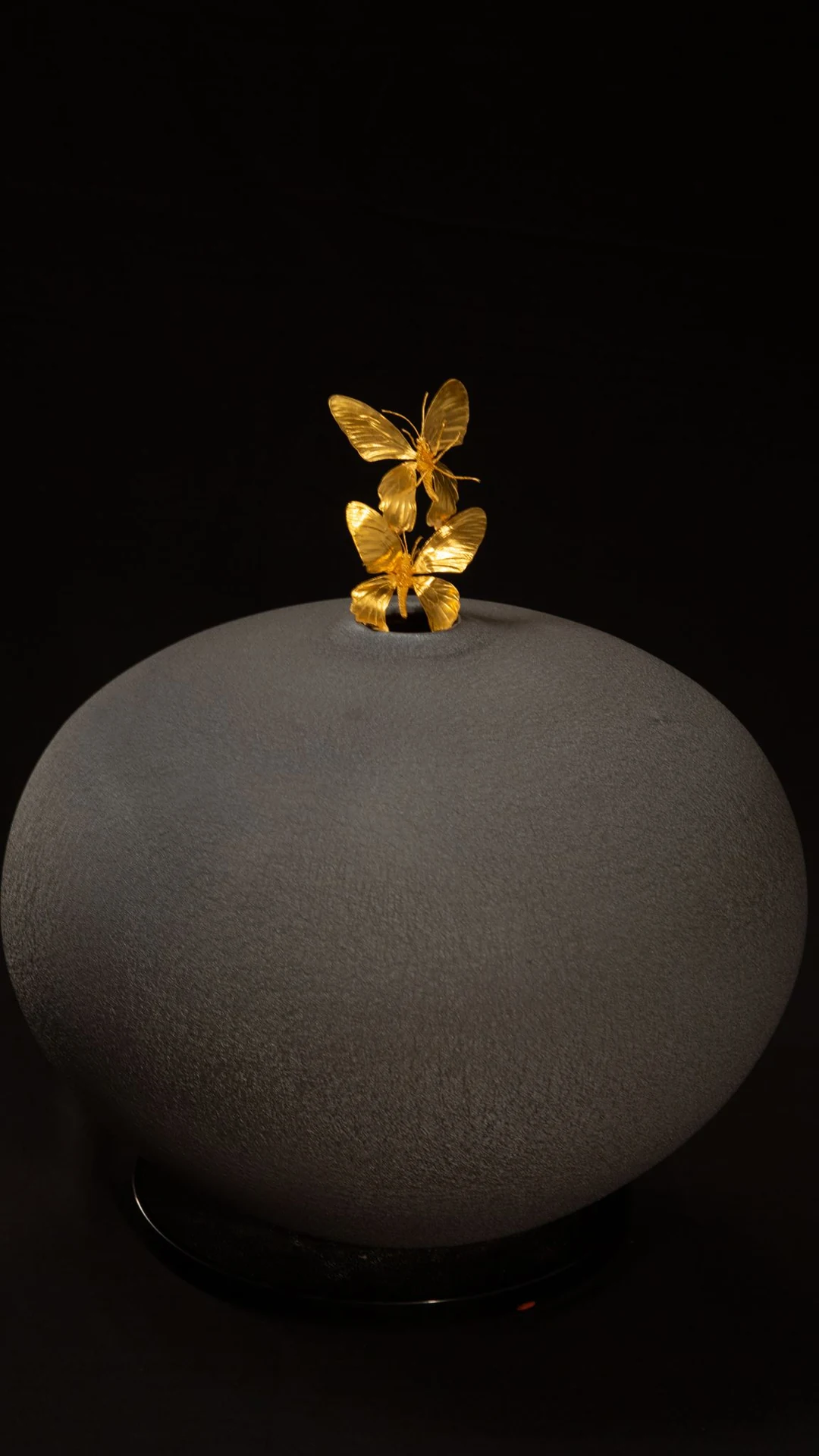
When art-porcelain exports declined in the 1990s, Hsu turned to his own ceramics. He experimented with glaze and gold decoration rather than only reproducing older forms. In Butterfly Love, gold butterflies rise from a rounded body finished with iron-rust glaze: different materials share one object.
In October 2025, Taiwan’s Ministry of Culture announced Hsu as the recipient of the National Crafts Achievement Award. Its account links research with teaching: he passed on ceramic skills in school programmes and encouraged students to experiment. A kiln’s future also depends on who will be able to carry its knowledge onward.
Look for the work inside an object
Yingge Ceramics Museum is a public place for learning about clay, separate from Hsu’s workshop. Compare the body, glazed surface and added ornament of an object. The award photograph of Butterfly Love is a reference for that exercise; it is not a promise that this work is on display there.