A familiar Canadian design returns to production
For Canadian readers who know the Twin Otter as a small aircraft serving difficult places, the name also leads to a decision made in Victoria. Viking revived production as the Series 400. Its first production aircraft flew in 2010 at the company’s Calgary final-assembly facility. Victoria was the company’s home; it would be inaccurate to place every stage of construction on Vancouver Island.
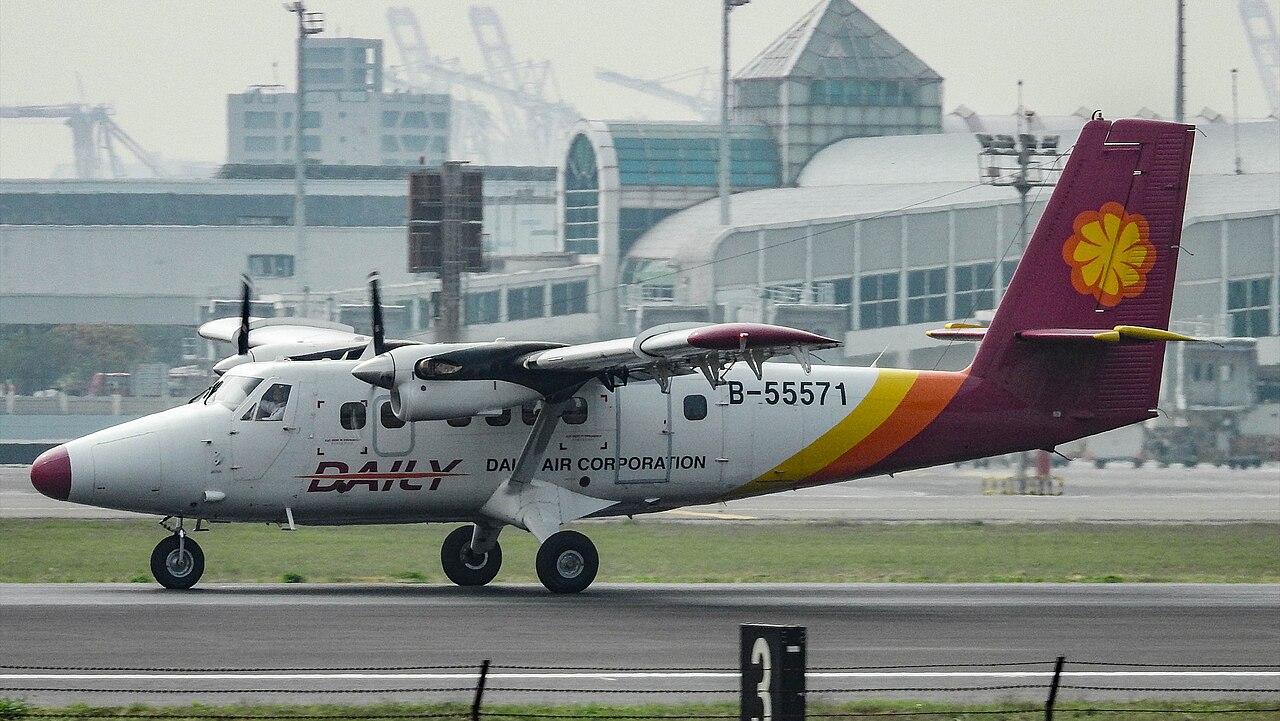
The model’s later arrival in Taiwan was not simply the sale of four identical new aircraft. In February 2016, leasing company CAVU announced a long-term lease to Daily Air: two aircraft had previously been delivered to CAVU, while two more were due from the factory. Existing airframes and new production would be brought into the same island-service fleet.
The choice began with runways and residents
Daily Air president Mark Kuo said the selection followed three years of evaluation. The company was replacing its Do228s, and the announcement identified short runways and restrictive island operating conditions as reasons for choosing the Twin Otter. An aircraft that suits a route is not necessarily the one that carries the most people; the airports and the work required there set the terms.
For the Taiwanese side, these were public transport links rather than a scenic aviation product. A later Control Yuan investigation describes how terrain, runway length, weather and limited commercial demand constrain services to Lanyu, Green Island, Qimei and Wang-an. The journey matters differently to somebody returning home than to somebody booking an island holiday.
New aircraft brought new work
The 2016 announcement promised training and spare-parts support alongside the aircraft. That detail is easy to lose in a handover photograph. Pilots and maintenance staff must be able to use and care for the new type, while the airline still has passengers waiting for its existing service. Delivery and operation are different milestones.
The Control Yuan report records the Civil Aeronautics Administration’s explanation that old and new types overlapped in 2016, and that retraining flight crews and maintenance personnel increased costs. It also records requests from Lanyu’s township head for clearer cancellation information and standby arrangements. New hardware did not remove the need to organise information around the people using it.
Read the departure board in Taitung
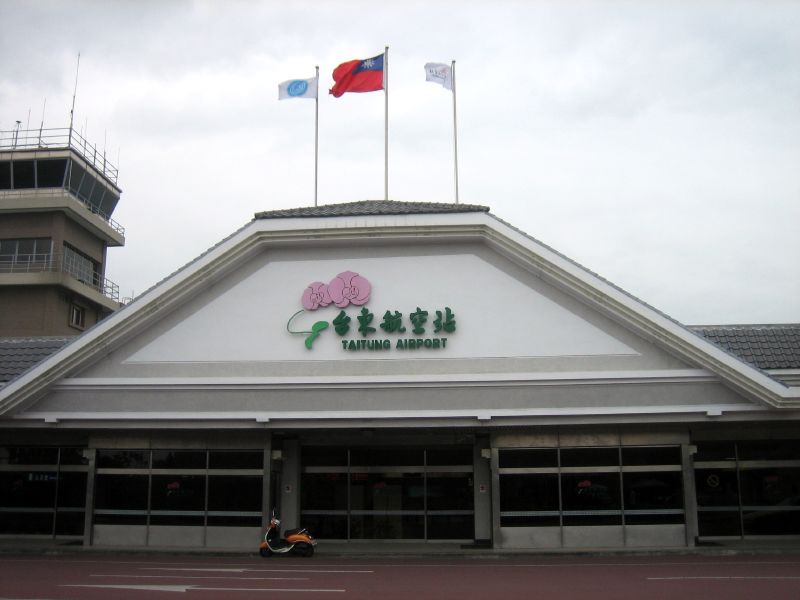
At Taitung Airport, begin with the public terminal and the departures information for Lanyu and Green Island. The useful observation is not a promise of seeing a particular aircraft: look instead at how a mainland airport serves places whose onward journey crosses water. Scheduled time, actual flight status and the type assigned that day are separate pieces of information.
The airport’s own guidance says schedules are planned and the day’s flying conditions prevail. That reminder brings the Canadian connection down to a human scale. A design can travel a very long way; whether it becomes dependable transport is also decided by crews, maintainers, ground staff and the people who need to know when they can leave.