
Two names on a programme
Vancouver TAIWANfest’s 2024 programme listed SaySiyat azem—Soul of SaySiyat, with choreographer taboeh a 'oebay tataysi', known as Shihmin Szu, and singer 'itih kaybaybaw, Kao Chih-cheng. An August interview announced the work for the ANNEX on 31 August. These are records of a specific past presentation, rather than an invitation to a performance happening now.
The same named pairing appeared in reporting on Toronto TAIWANfest. A familiar Canadian summer-festival format thus carried something more specific than a national showcase: a dancer’s contemporary interpretation and a singer’s relationship with language. Following those two lines gives a visitor a better question than asking what a whole Indigenous people is supposed to look like on stage.
What a dancer chooses to carry
Szu told Pancouver that his interest in dance grew while watching elders’ footwork in his father’s community. His father is Saisiyat and his mother Amis; he describes both backgrounds as influences on his choreography. His account does not make one dance stand for every community. It shows an artist working through more than one inheritance.
The festival describes his combination of contemporary dance and Saisiyat culture as an ongoing responsibility. That is a useful way to watch: ask what this particular artist is trying to pass on, rather than treating a movement as a complete explanation of a ritual. The distinction leaves room for both creative change and the community knowledge that cannot be compressed into a theatre programme.
Learning continues away from home
Kao comes from Baguali in Nanzhuang, Miaoli, a place where Saisiyat and Hakka lives meet. His festival biography describes both languages as part of his upbringing. It also records practical ways he keeps learning: watching Saisiyat-language news, speaking with elders, and practising on his own. Language on the Canadian programme has this ordinary work behind it.
A song can travel in an evening; the ability to sing and speak it takes repeated encounters. This is why the pairing matters. Dance and voice give audiences different ways into the work, while neither has to become a substitute for the other. Their shared programme allows attention to move from a performance abroad to the practices that sustain it at home.
A museum beside the lake
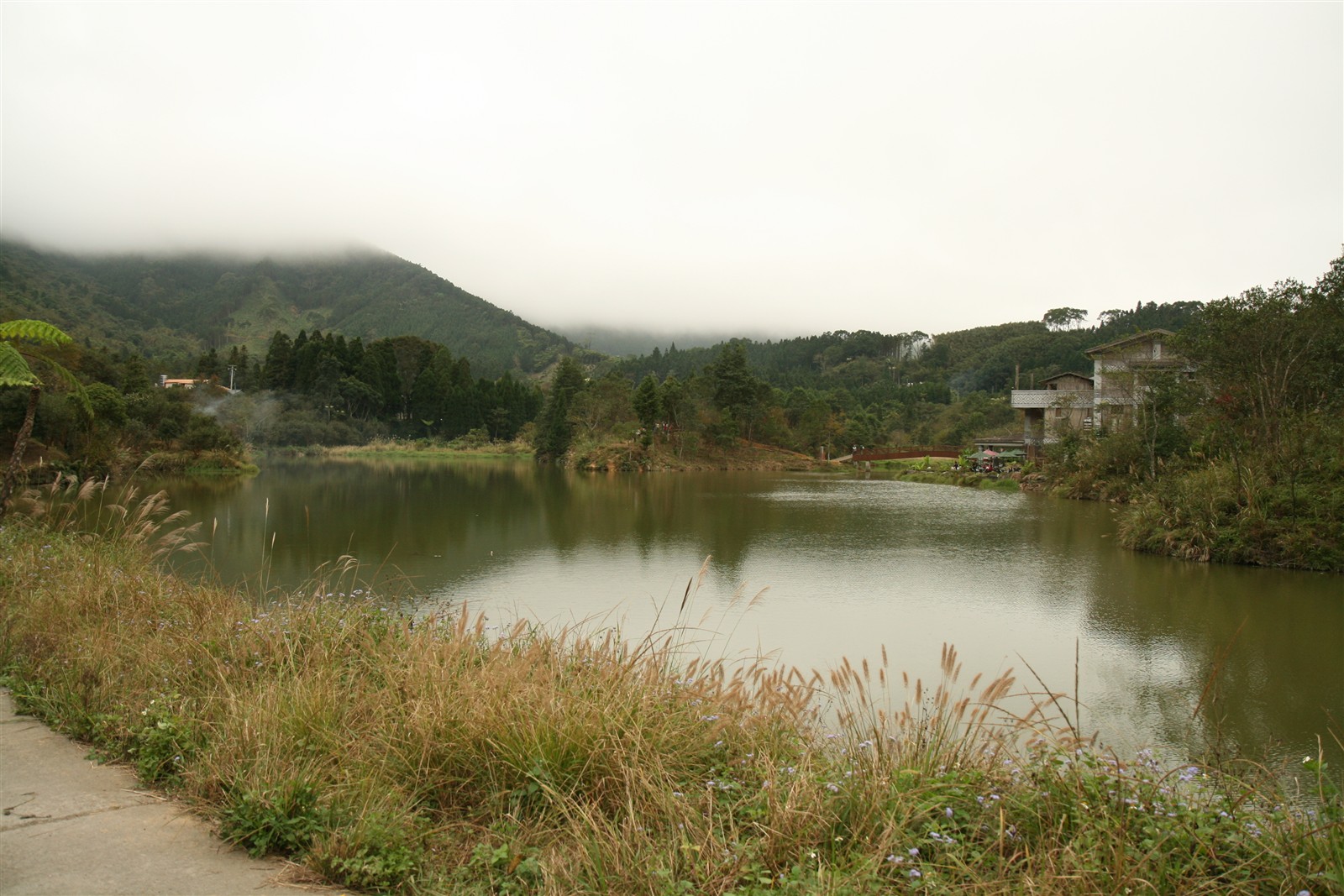
In Taiwan, a public place to continue learning is the Museum of Saisiyat Folklore beside Xiangtian Lake in Nanzhuang. Nanzhuang Township’s account dates its establishment to 2002 and identifies spaces for collections, exhibitions and community learning. This is a contextual visit, not a claim that the Vancouver work is permanently displayed there.
The current tourism authority’s description identifies bamboo and rattan work, ramie textiles, fishing and farming tools, and ritual displays. Each kind of object opens a different question about work, material or use. A visitor can slow down over a label instead of expecting a short stop to explain every aspect of Saisiyat life. The museum’s interpretation is a beginning for that attention.
An invitation with boundaries
The museum is listed as open Tuesday to Sunday, 09:00–17:00; occasional workshops require advance booking. Those public opening arrangements do not make ceremonies or community spaces freely accessible. Ask before photographing people or entering an activity, and follow the community’s own instructions. A museum visit and participation in a ritual are different kinds of encounter.
The Canadian programme can therefore become the first page of a longer encounter. Szu’s choreography and Kao’s language practice show culture as something people keep choosing to do. By the lake, the next step is modest: read carefully, listen when someone chooses to explain, and allow what remains unfamiliar to remain a question. That leaves space for the people whose lives continue after the visitor goes home.