A machine on the TED stage
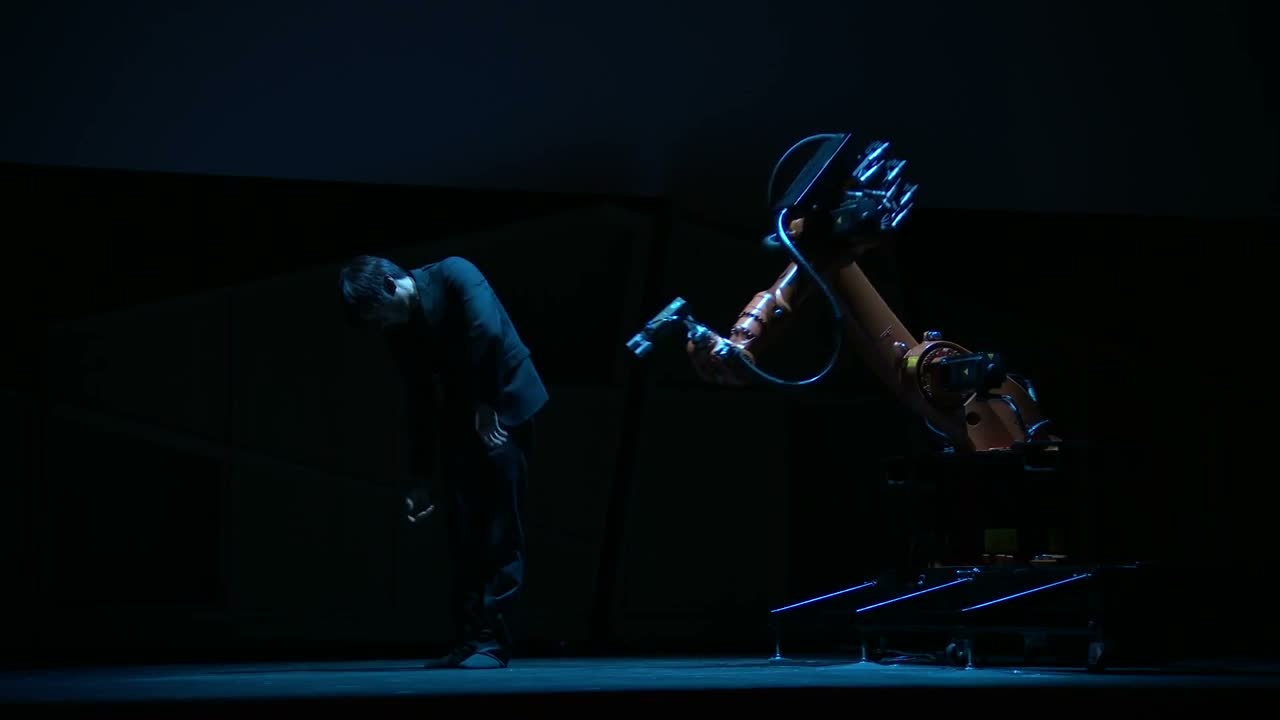
A TED audience is accustomed to seeing somebody explain an idea. On 24 April 2017 in Vancouver, the opening session also made room for a duet: Taiwanese choreographer Huang Yi faced KUKA, an industrial robotic arm, while Joshua Roman played cello. The event’s own report identifies the place and date. This was a performance at the TED conference, not an unspecified TEDx appearance.
The robot was not deciding what to do next. TED’s account explains that its movement had been programmed by Huang. An apparently responsive partner depended on prior decisions about timing, position and sequence. What arrived in Vancouver was a Taiwanese performance built through that work, rather than simply an imported machine demonstrating its specifications.
Borrowing a robot did not provide a dance
Huang’s first difficulty was access. In a 2015 interview, he recalled approaching KUKA with previous technology-based works to show that he could carry out the idea. The company’s concern was separation between a moving industrial arm and a person. His early solution used light to suggest contact while keeping the dancer out of the machine’s moving area. That was a performance solution described for that project, not advice for operating robots.
In his own published working notes, Huang describes travelling from Bali District in New Taipei City to a company warehouse in Zhongli and repeatedly revising the programme. He makes an important distinction: long hours were not spent merely producing one minute of motion, but rejecting weaker material until a minute worth keeping remained. The apparent ease onstage came after editing, deletion and another attempt.
A longer work needed support and room
The 2012 digital-performance competition gave the project an early public showing. Huang’s notes record how Quanta Arts Foundation director Yang Chung-heng approached him after the performance and offered to work on the problem of obtaining a robot. The foundation’s support helped him acquire one. A work that needed repeated access could then develop beyond the limits of a short borrowed session.
The full-length version was developed with New York’s 3LD Art & Technology Center and premiered there in February 2015. Huang’s studio credits the Taiwanese commission and the overseas co-production separately. The Vancouver duet belongs to this longer development; neither the TED clip nor the robot alone contains the whole history of the piece.
People could not be treated like another programme
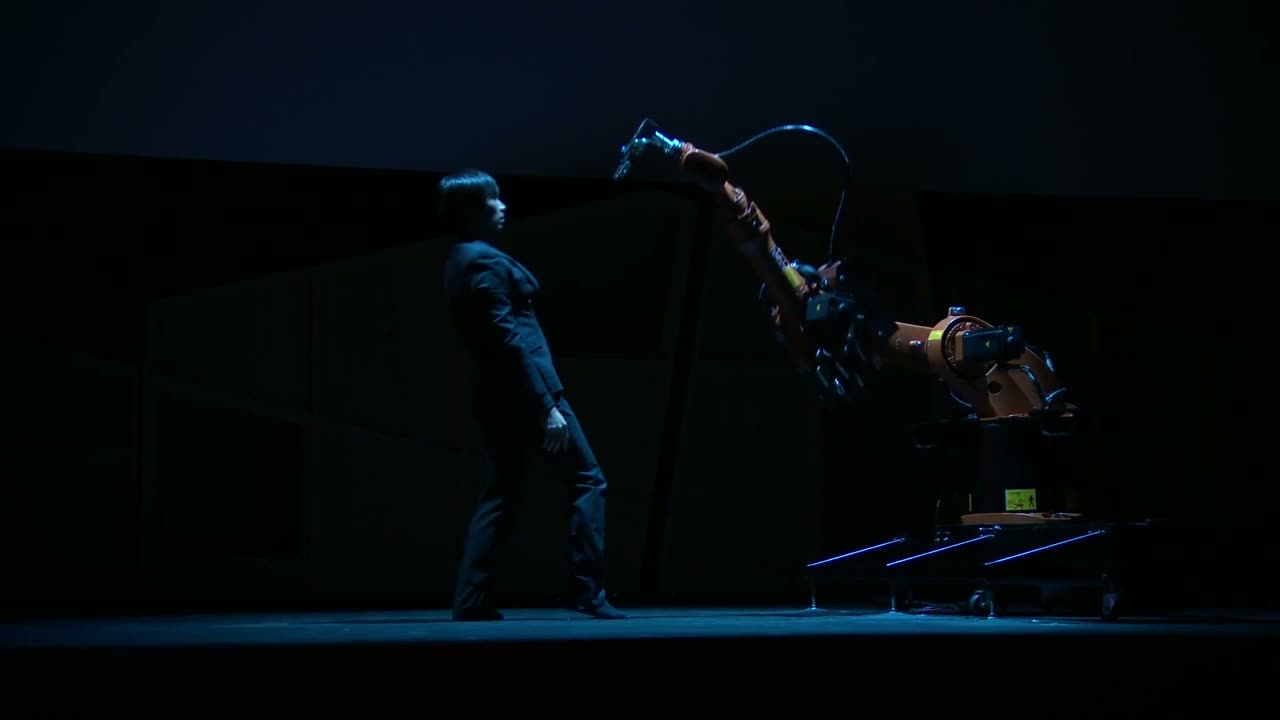
When Huang began working closely with dancers Hu Chien and Lin Jou-wen, he initially applied the methods he used when working alone. In his account, rehearsals became more difficult, more material was discarded and the small cast left little room to rest. He then adjusted the working method in response to them. The important change was not an upgrade to KUKA but a revision of how the people worked together.
He also wanted a shared space where technical staff and performers could work together, with equipment left in place instead of packed away each day. His 2015 notes describe finding such a starting point in Bali. That historical studio was a workplace, not a visitor attraction. It helps explain the practical needs behind a performance often presented through the striking image of one man and one machine.
In Tamsui, visit a former performance venue
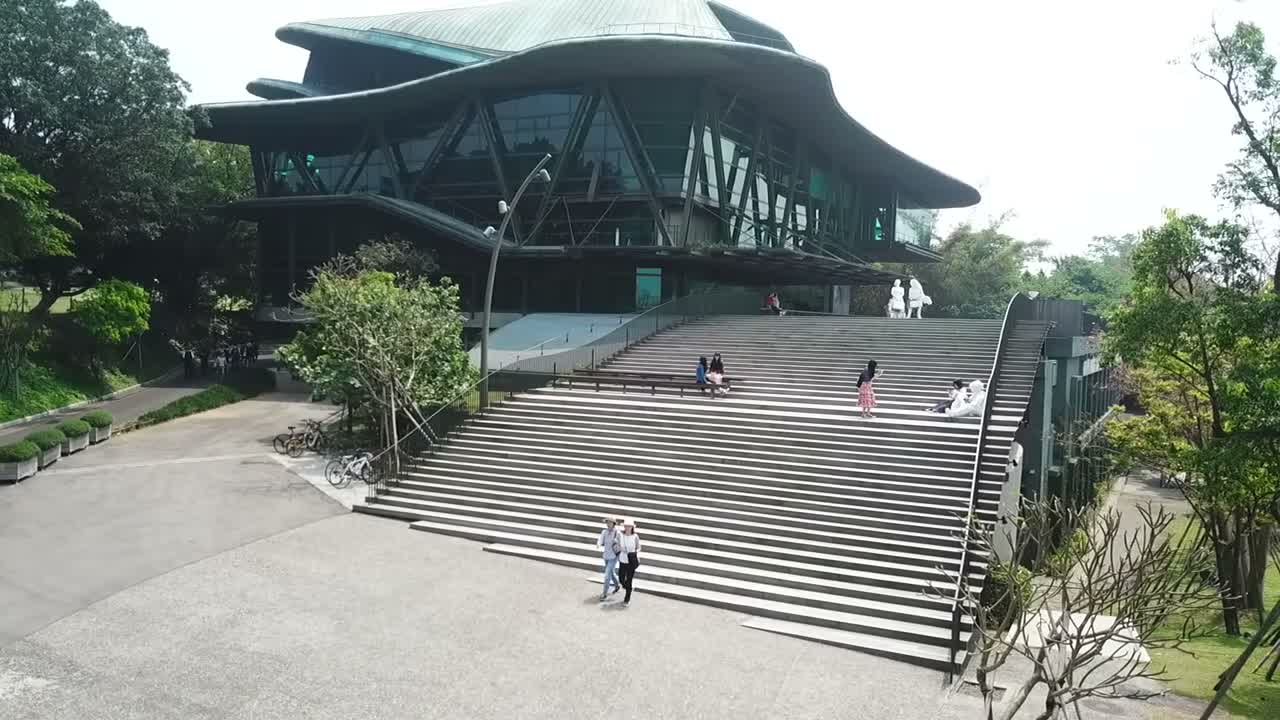
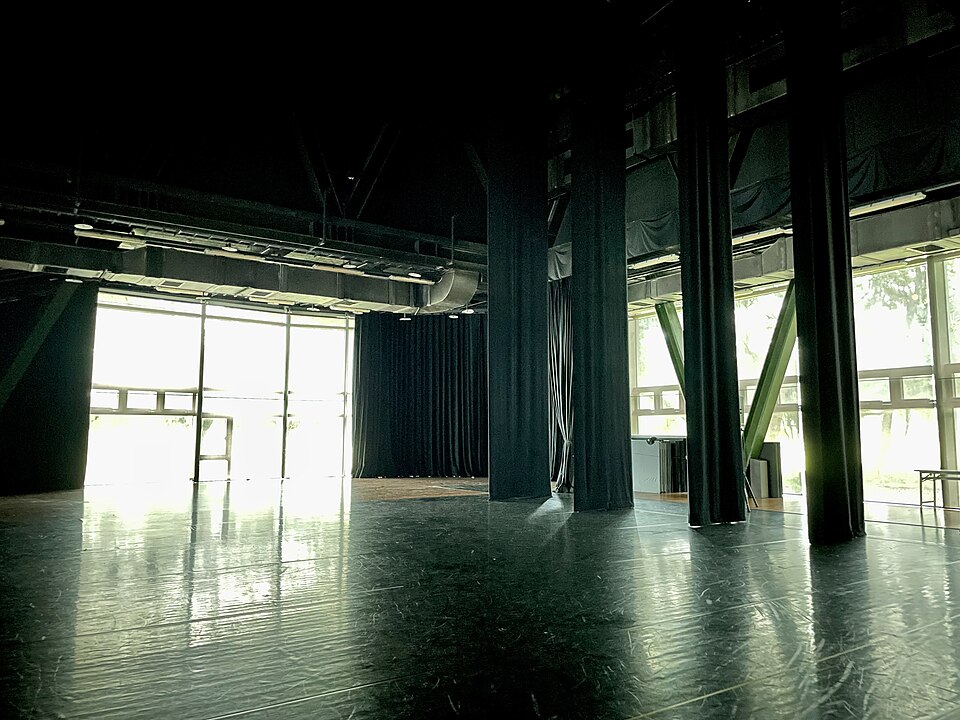
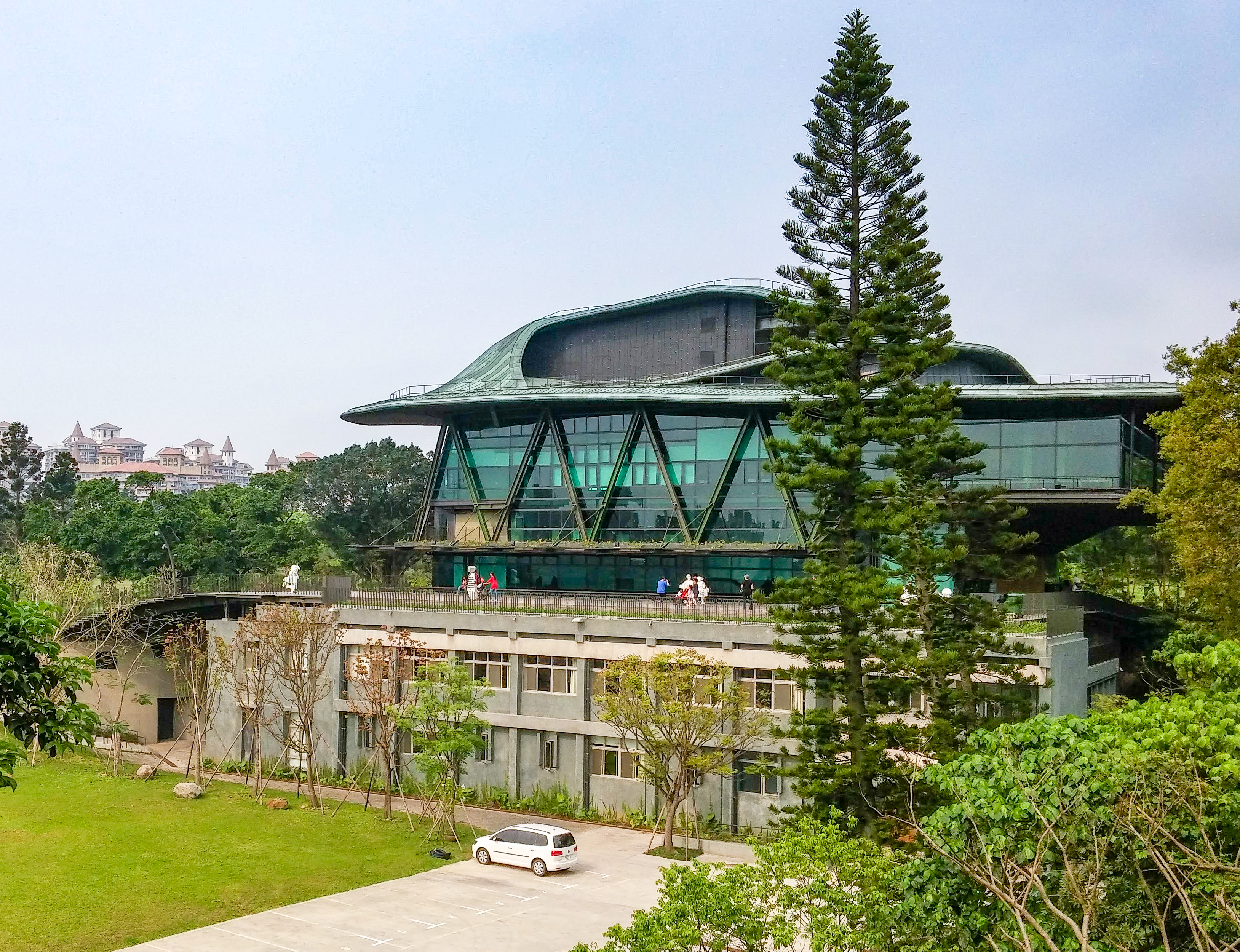
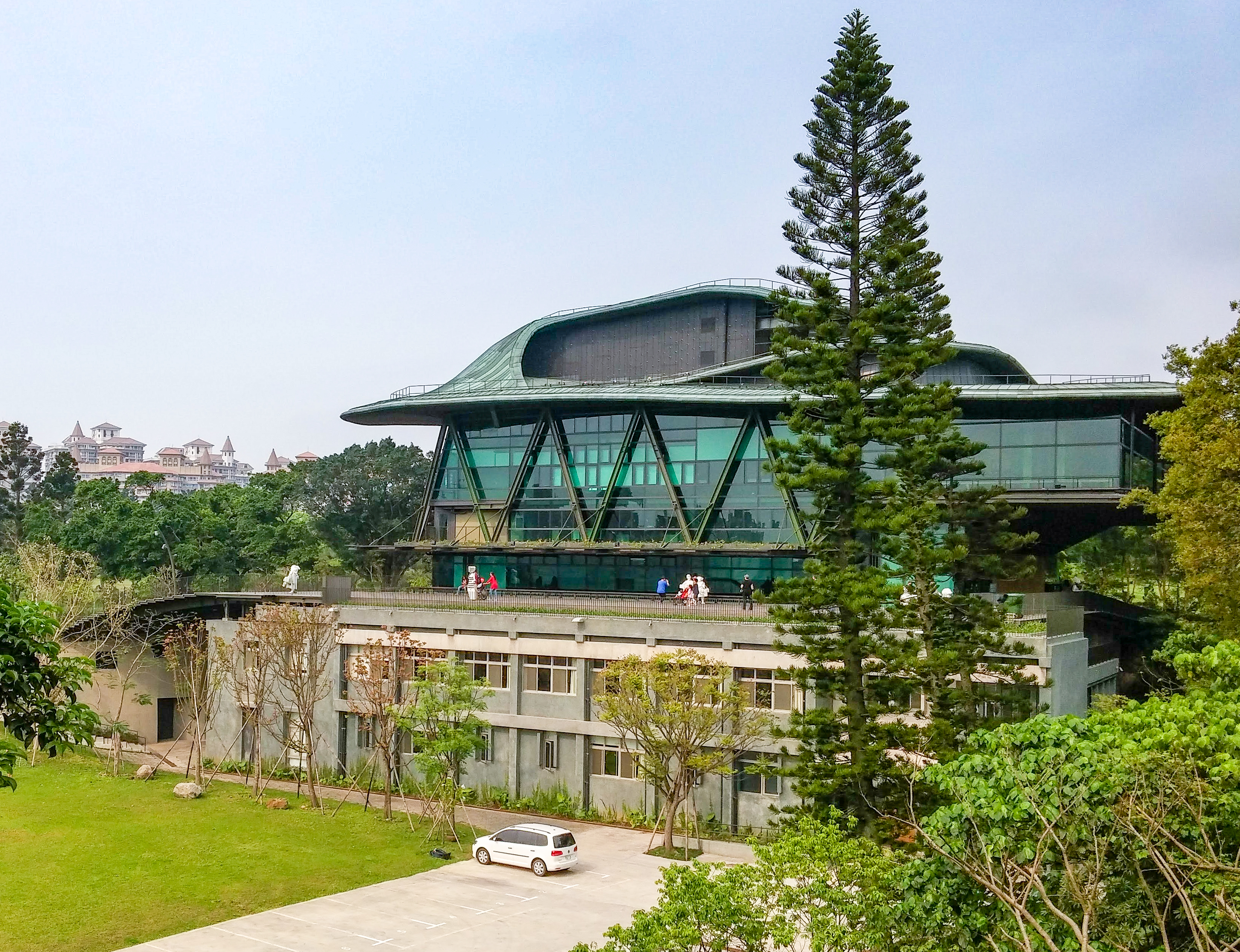
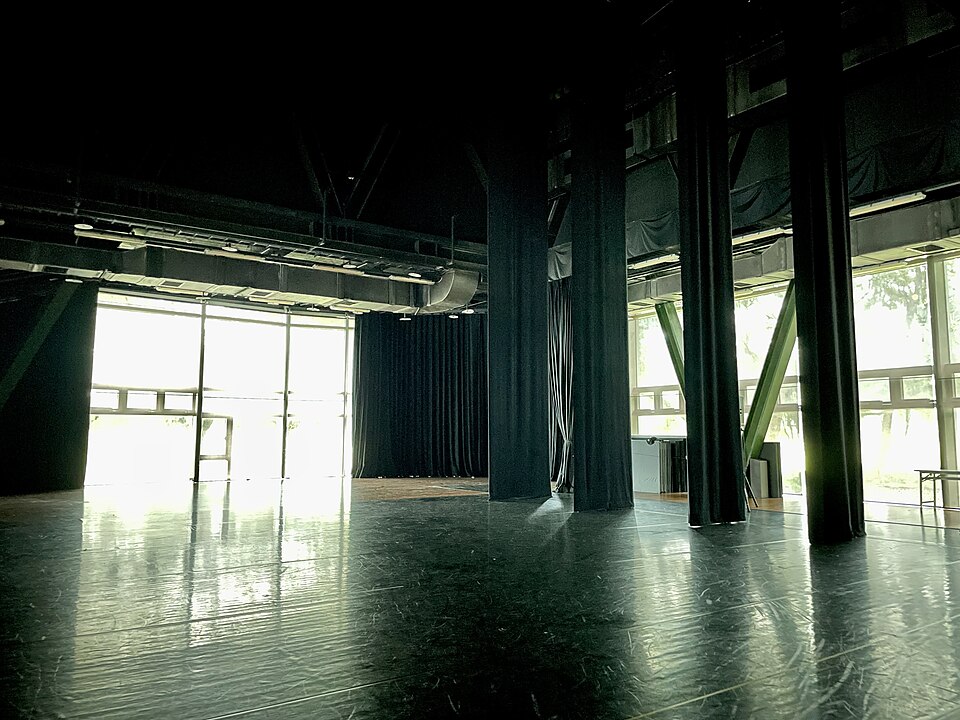
The Taiwanese venue to follow is Cloud Gate Theater in Tamsui, where the full work was programmed in June 2015. At the time, Huang described adjusting the stage’s flooring and curtains for the presentation. It was a real encounter between this production and this room. It was not the Vancouver TED stage, and a walk around the grounds cannot reproduce the performance.
Visit the currently accessible outdoor grounds, or choose a ticketed programme from the theatre’s present calendar. Bring a question rather than an expectation of meeting KUKA: how does a stage accommodate the time, equipment and mutual adjustments needed by its performers? Huang’s work makes that a question about people’s decisions, even when the most conspicuous partner is a machine.