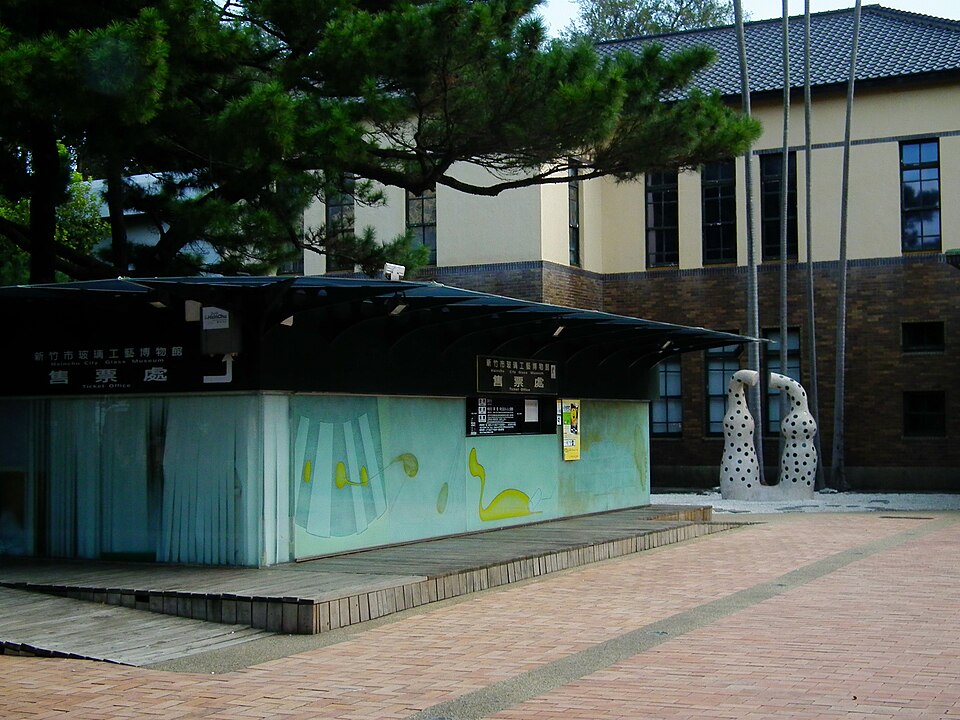
Noodle racks in another material
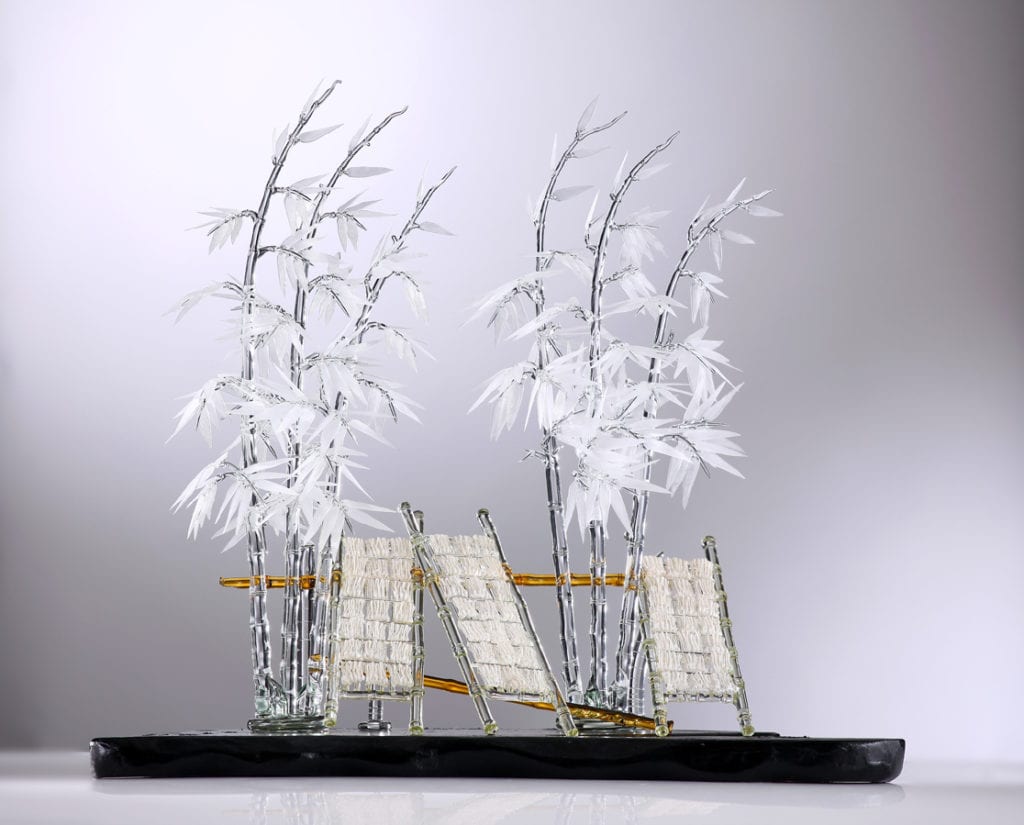
Bamboo stems rise beside pale strands laid across racks, evoking Hsinchu’s rice noodles. Hsu Yuan-jung brought this everyday subject into Wind City Rice Noodle Affection. A photograph published in 2021 under that title records its combination of glass leaves, racks and noodle-like lines. Begin with recognisable objects, then notice how the material changes their outlines. A local food becomes a maker’s way of describing a Taiwanese city.
Drawing a line, then joining it to a form
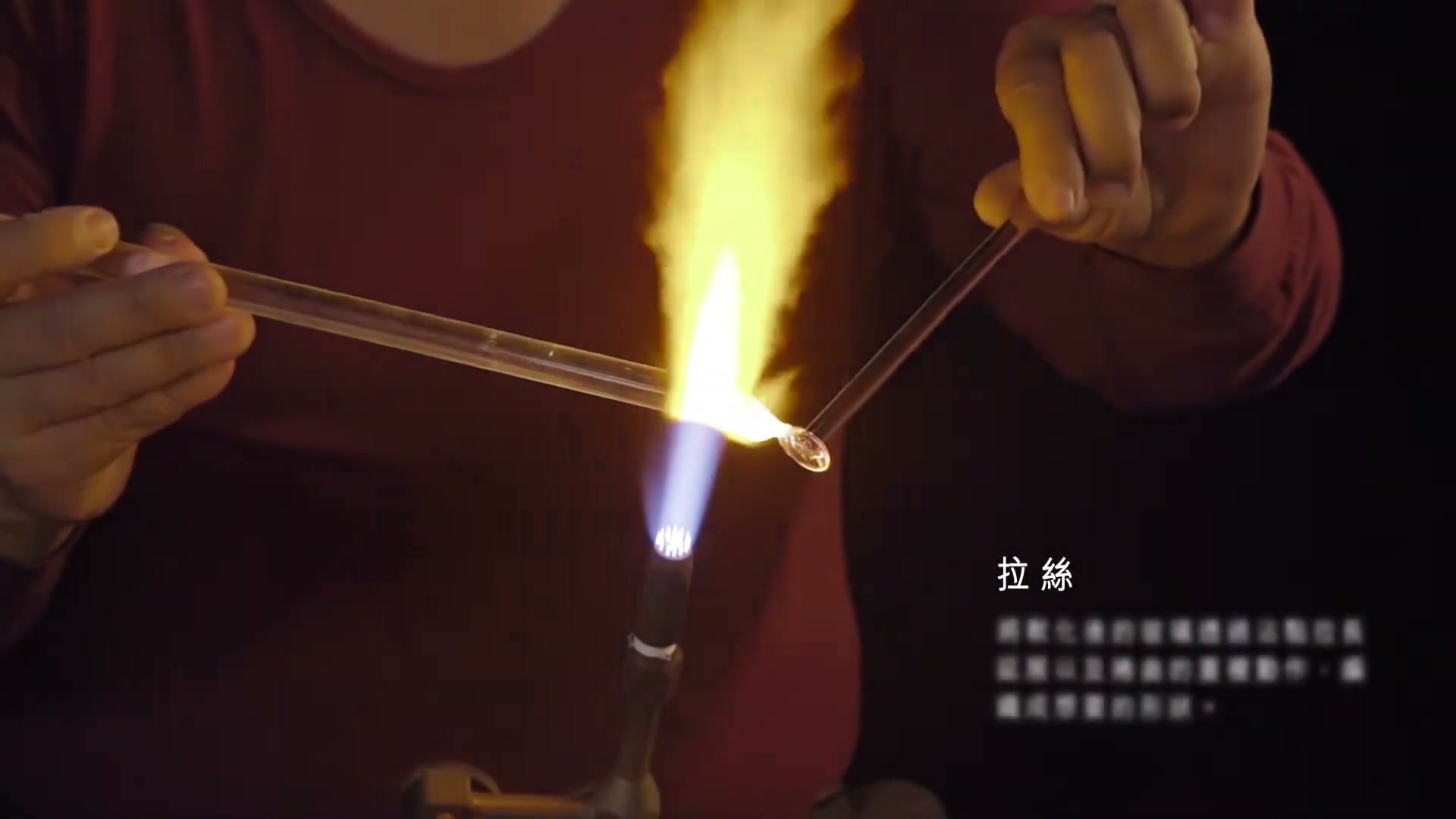
Hsu’s technique demonstration gives those lines the scale of handwork. A torch softens a glass rod; his hands draw and extend the material, then join fine strands into a layered surface. Heating, drawing and joining alternate as his hands shift around the flame. The viewing question becomes concrete: how does a fine line become part of a whole form? Reading the lines reveals a sequence of adjustments behind the surface.
From worked lines to familiar images
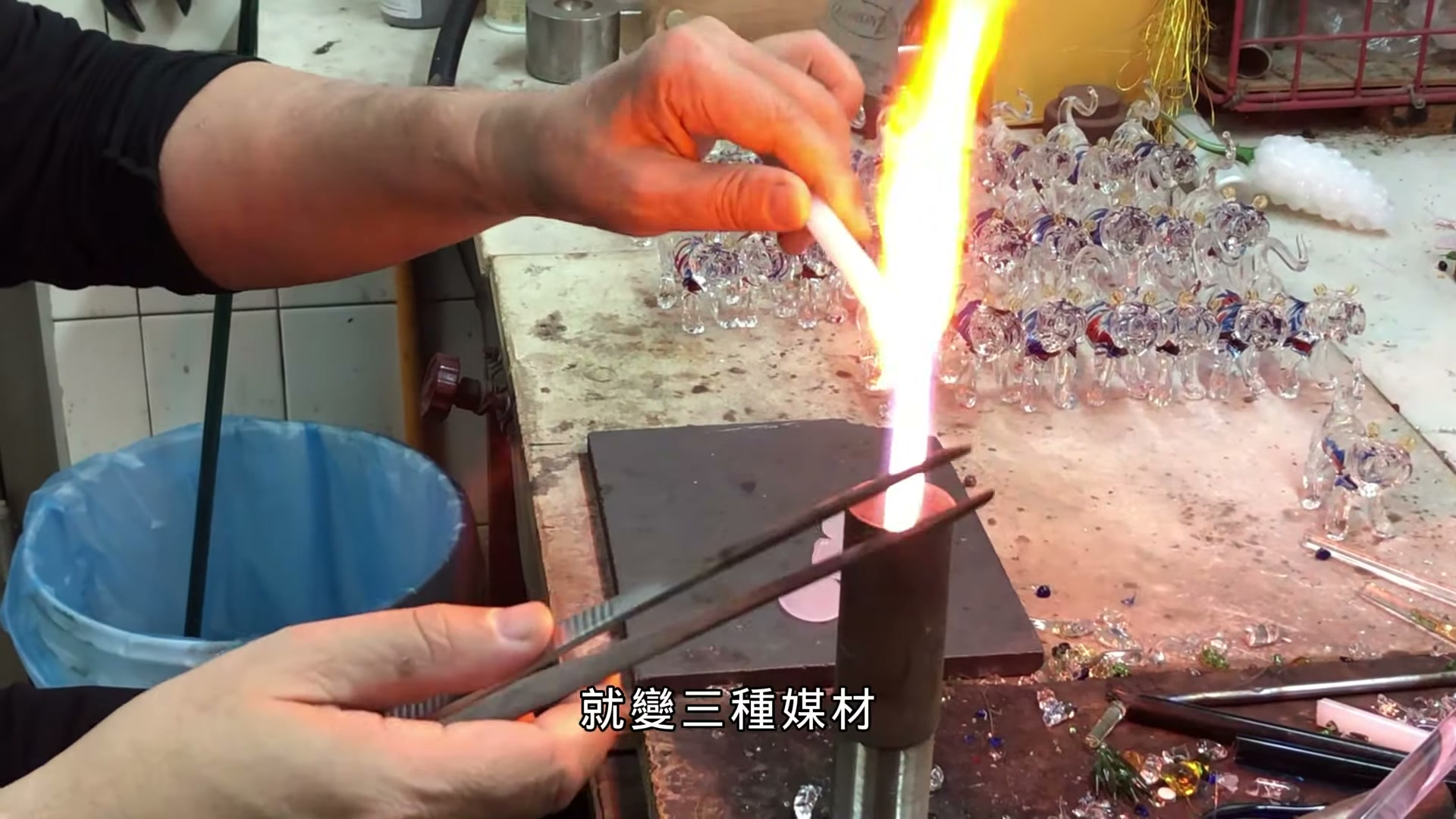
At Hsu’s workbench, glass-flower components turn beside a flame. Tools bring their joins into view as the flower’s outline emerges. Following this handwork offers a way to move between works and observe how the maker uses his material. Return to the noodle racks with another question: how do dense lines meet an everyday image? Hsinchu’s food, bamboo-like outlines and the artist’s technique become parts of a description of place.
A Hsinchu subject reaches Toyama
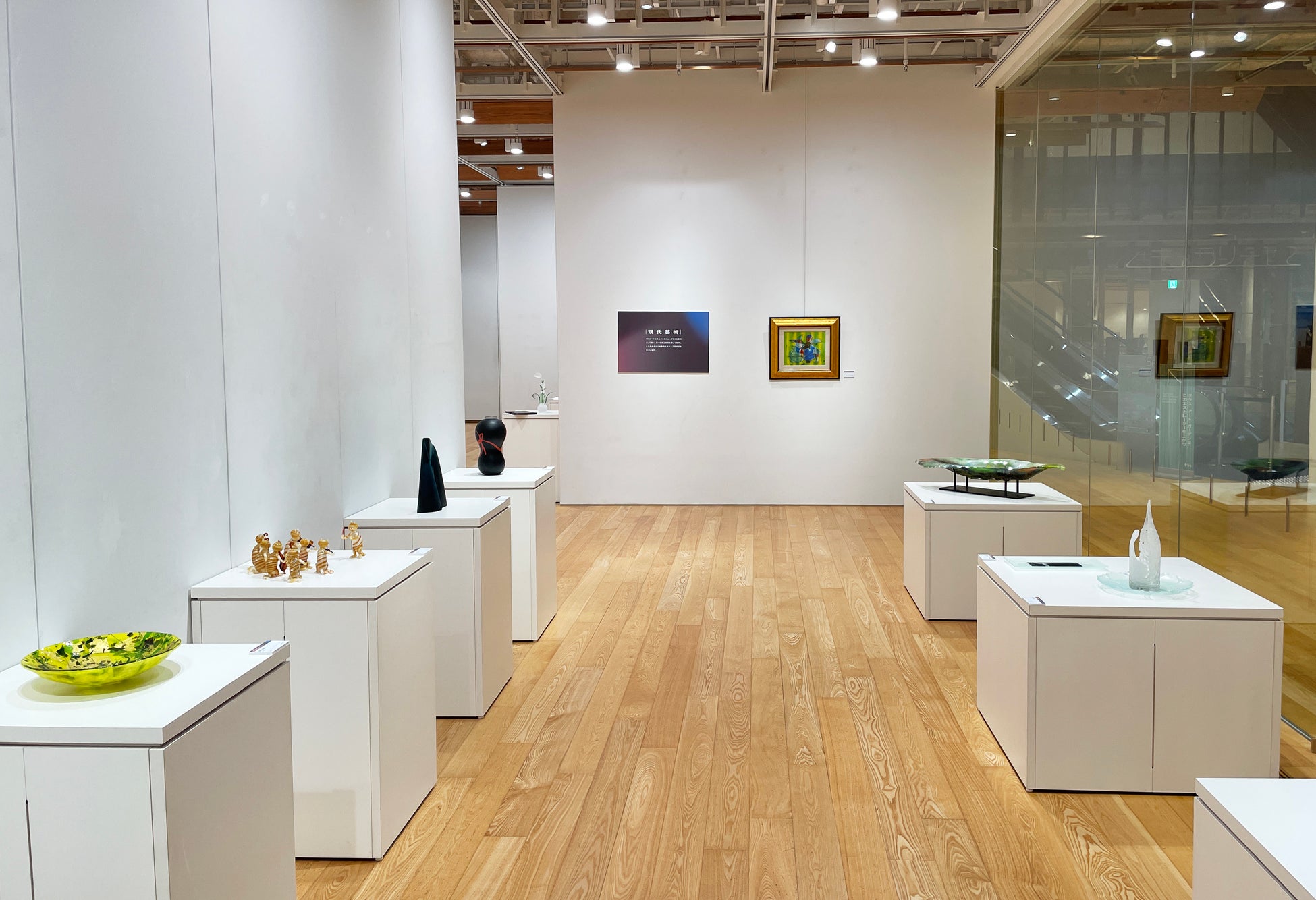
From 8 to 18 November 2025, Hsinchu’s culture bureau presented a Taiwan-themed glass exhibition at Toyama Glass Art Museum, with Communa handling operations in Japan. Its announcement listed Wind City Rice Noodle Affection and described drawn glass as an expression of Hsinchu’s food culture. Taiwanese makers brought subjects from their surroundings into a Japanese gallery. Viewers familiar with Toyama’s glass could follow the works towards another city’s everyday life. The connection takes shape through named work, technique and an actual exhibition.
Back in Hsinchu, take the question into the museum
At Hsinchu’s Glass Museum, begin with the artist, material and technique labels, then examine lines, solid areas and openings. Ask both how a work was made and which images of life its maker selected. The museum is at 2 Dongda Road, Section 1. Check its current programme and access before visiting, including whether a particular work is on view. Return to the city after looking at technique: an everyday food can also become a shape through which a place travels.