
A familiar craft receives a new question
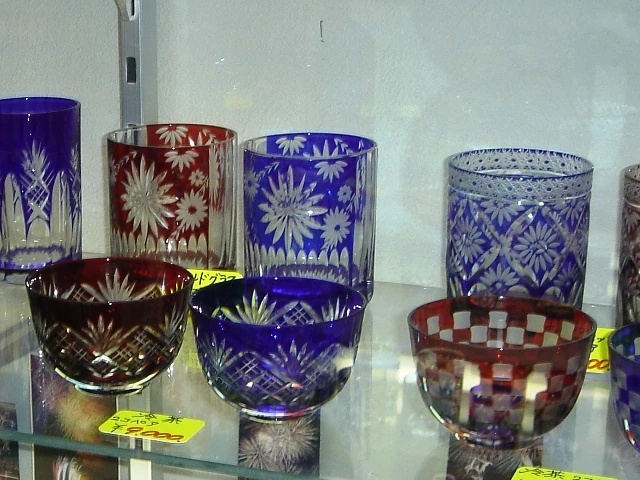
In Sumida, the Tokyo ward that is also home to Tokyo Skytree, Harisho Yamada Glass works with both Edo kiriko and hana kiriko. The latter produces soft, frosted-looking shadows by shallow cutting and leaving parts unpolished. A drinking glass can therefore carry sharply cut lines and quieter images on the same surface.
At an exchange event in Tainan on 9 August 2026, drinks were served in hana-kiriko glasses made with the local bistro 酣呷餐酒. Its bartender had proposed a leaf pattern that would function as a measuring mark. Decoration and use were being discussed together: the person pouring the drink had helped decide what should be cut into the glass.
Making room for the person using the object
There was already a route for these conversations. Sumida and the Taiwan Design Center signed a memorandum in 2015, and Taiwanese designers worked with Sumida manufacturers on new products. The exchange later broadened, with a 2023 agreement involving the Taiwan Design Research Institute and Chiba University. These arrangements gave small workshops and designers ways to find one another.
An earlier collaboration shows how Yamada Masaaki, the workshop’s third-generation maker, handled an unfamiliar request. For wind chimes developed with Taiwanese design unit an everything in 2025, he received illustrations, tried his available techniques and showed prototypes by video call. One design used feathers inspired by ducks at Taipei’s Songshan Cultural and Creative Park. This was a separate project, but it reveals a working method: drawings, trials and discussion before a finished object.
The Tainan glass takes that exchange into the bartender’s routine. Its leaves ask the viewer to read the surface twice, first as an image and then as a tool for pouring. At the August gathering, the glasses held finished drinks while their patterned surfaces carried a practical decision made with the person preparing them.
Yamada also demonstrated glass cutting at the gathering. For the Taiwanese participants, collaboration involved seeing what a maker could do, as well as contributing ideas of their own. A future proposal for glasses suited to Taiwanese drinks remained a proposal; the leaf-marked glass was the completed, specific result already on the table.
Look for the decisions inside the display
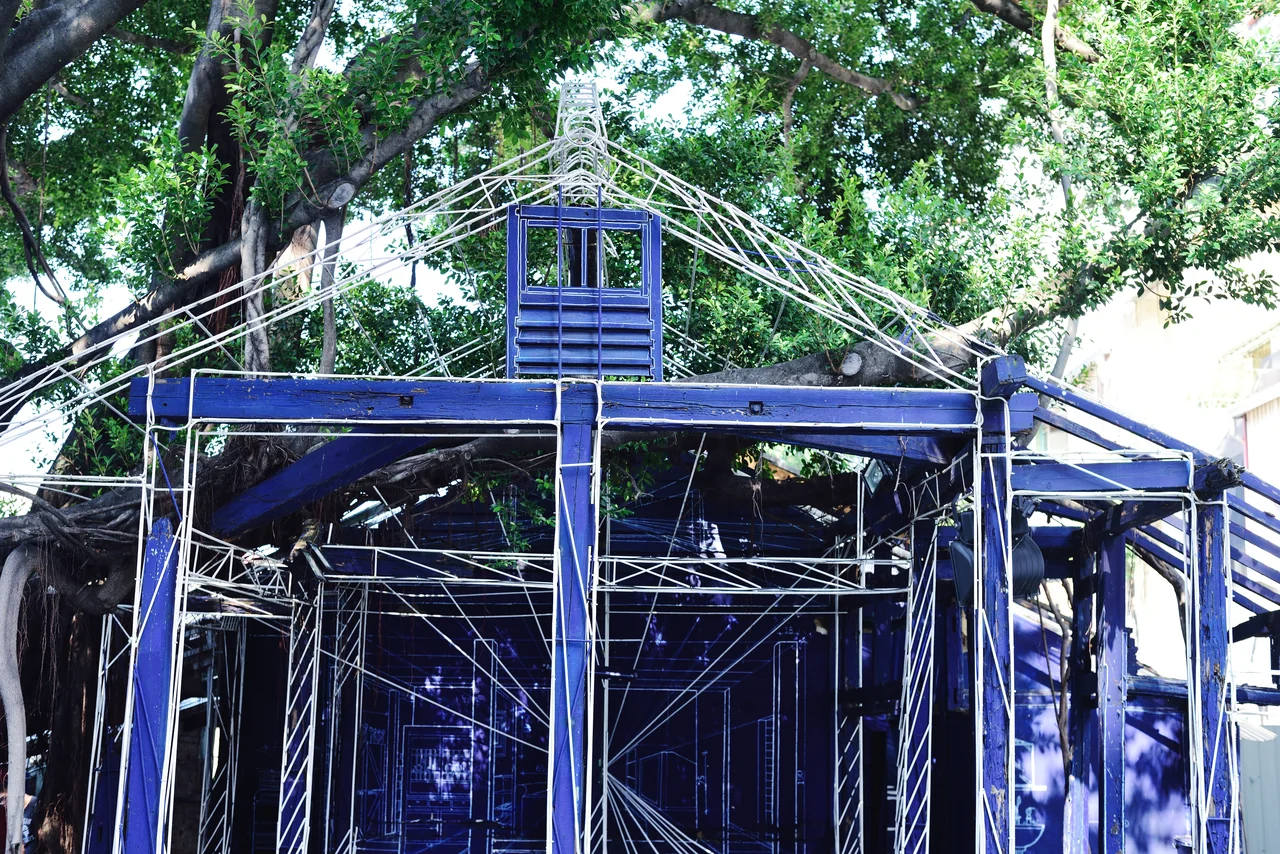
The 2026 exhibition Sweet, Slow Heat: Tainan × Tokyo Sumida Life Exchange at SPEY Art Space in Tainan’s Blueprint Cultural and Creative Park offers a place to continue reading this relationship. Sumida’s announcement lists 1 August–7 December 2026 and includes Yamada Glass among the exhibitors. Look at how the displayed objects combine a maker’s technique with a particular use; ask the venue which collaborative pieces are actually on view.
A display cannot reproduce the August gathering or guarantee a meeting with either maker. What it can make visible is a small but consequential shift: a Taiwanese bartender’s practical knowledge became part of the design brief, and a Tokyo workshop gave that knowledge a place on glass.