
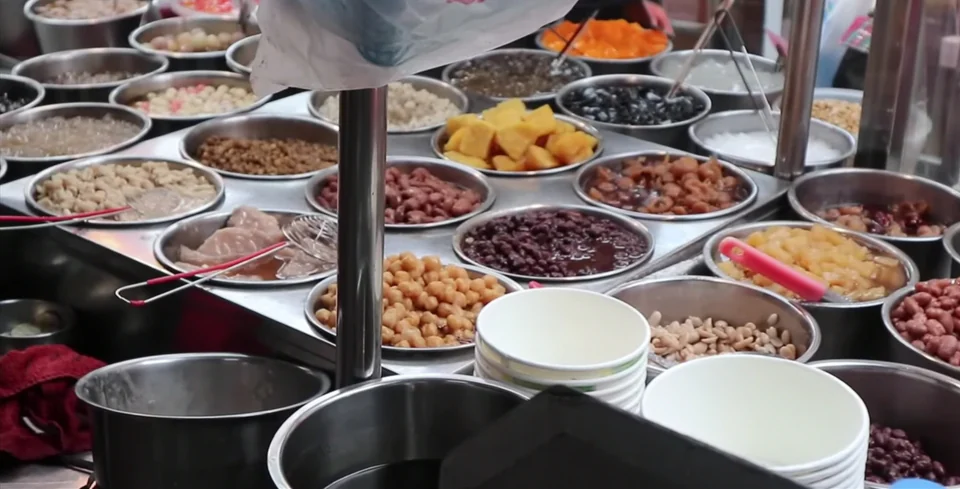
Tracing a Kawasaki shop backwards
Among the douhua shops around Tokyo, Kuroneko Douhua in Kawasaki’s Futako-Shinchi has a Tainan connection. Owner Yuji Miyoshi (見吉勇治) formerly worked in semiconductors; his learning journey led to Yantian Douhua in Tainan.
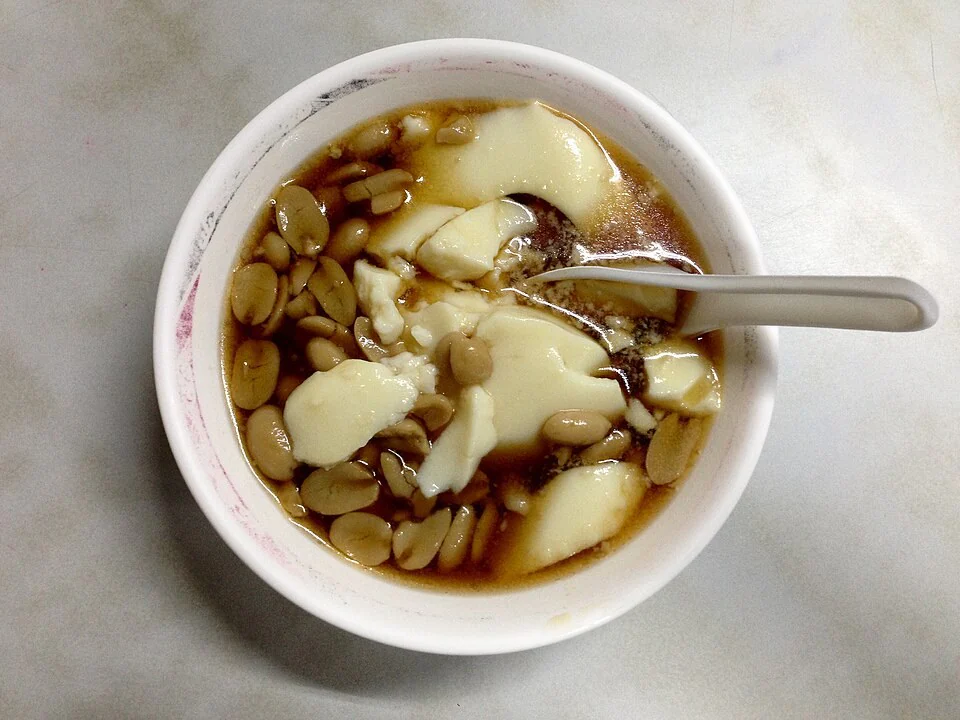
Douhua is soy milk set into a delicate curd, served with syrup or toppings. Following the maker backwards from a Japanese shop opens another question: how does a seemingly simple food become a new livelihood across the sea through teaching and learning?
Several visits before asking to learn
In a 2026 interview, Miyoshi recalled visiting the Tainan shop several times before asking its owner to teach him. The teacher spoke Japanese, allowing direct conversation. Miyoshi practised on weekend mornings, fitting the learning around weekday work.
The teacher valued a smooth texture. Learning therefore involved judging the result as well as knowing the ingredients. Their exchange had a practical goal—something that could be made repeatedly, compared and adjusted.
Three variables have to meet
Miyoshi discussed soy-milk concentration, the quantity of coagulant and the temperature at mixing as connected variables. A new batch of soybeans calls for measurement and adjustment again. Memorising a recipe does not end the work; a change in material starts another decision.
This is a useful part of food craft to notice. Toppings can be compared at the counter, while decisions made before the curd sets are usually less visible. Understanding that work shifts attention from what was added to how the douhua itself was made.
The Tainan kitchen also had to learn
A 2014 interview recorded why father and daughter Kuo Ming-jung (郭明融) and Kuo Mei-jui (郭美叡) began Yantian Douhua. The father had lost his factory-manager job and returned home; his daughter proposed a small business so they could begin working together. They learned an initial method, opened a shop and then found that instructions alone did not produce the texture they wanted.
Their reported work included kneading ground soy mixture through a cloth bag to extract the liquid, stir-frying coarse sugar for around twenty minutes, then simmering it with hot water for two to three hours. A visiting experienced maker helped them adjust texture and syrup. A problem with the sweet-potato raw-material harvest also prevented the curd from setting: consistency depended on the materials as well as the cook’s movements.
Miyoshi’s later apprenticeship therefore reached a kitchen that already knew what relearning required. The family’s trials in Tainan and his measurements in Japan were different stages of the same practical question: how to make a delicate curd consistently when materials change.