
Bringing friends back to a city he knew
Why did Lee Jang-woo choose Taichung for I Live Alone? MBC’s December 2023 account explains that the Korean actor had stayed in this central Taiwanese city for about six months while filming a Taiwanese drama. As host of the trip, he wanted to give Jun Hyun-moo and Park Na-rae the happiness they had given him on earlier journeys. A place once linked to work became somewhere to bring friends.
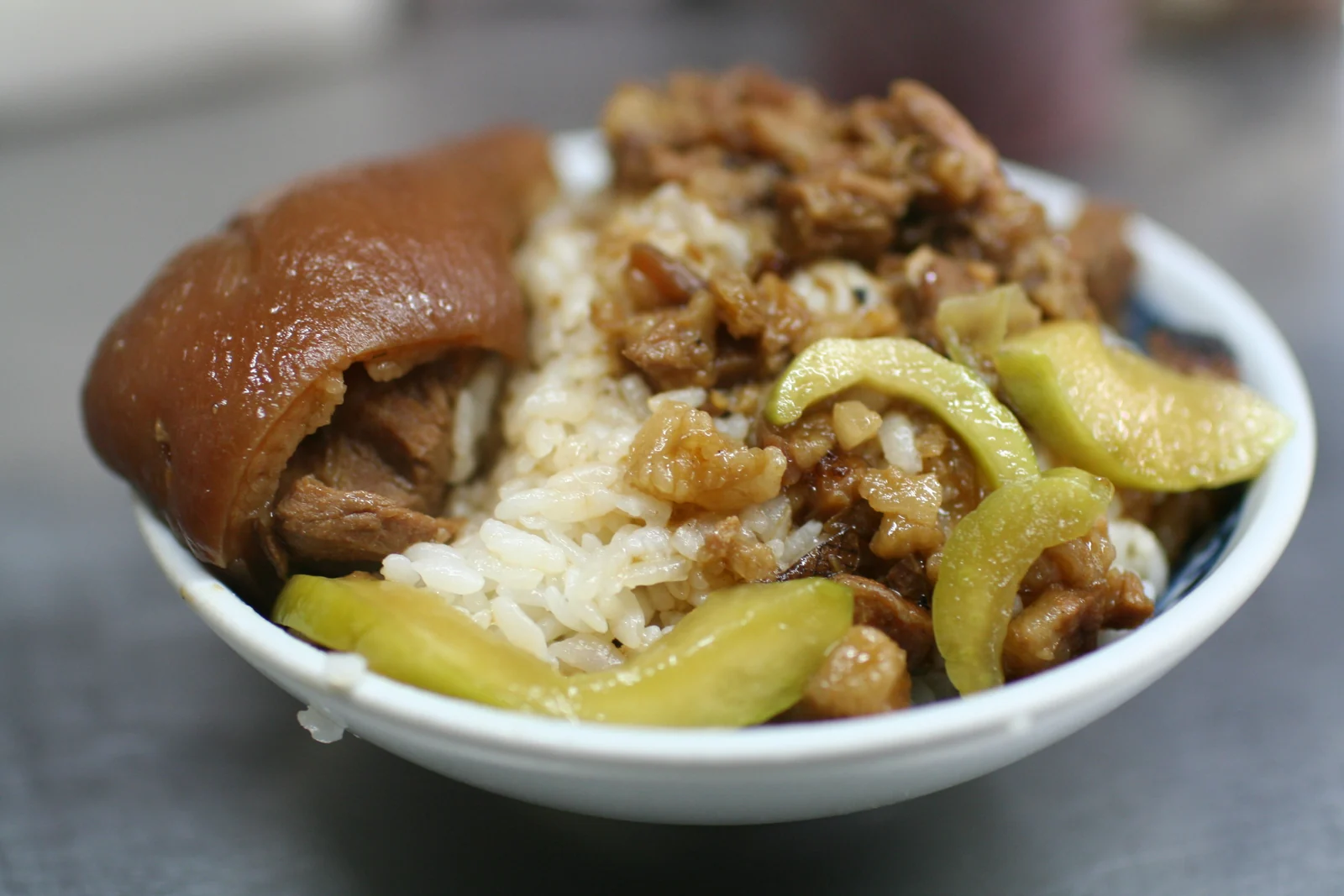
In the episode broadcast in December 2023, their first meal included rou wan, a filled dumpling with a chewy wrapper, and yi mian noodles. Korean Star Daily identifies the restaurant as Ding Shan Meatballs near Second Market. The programme gave viewers an entrance into Taichung through a Korean visitor’s experience; the people serving that meal had a longer story of their own.
Before the visit, a family had already handed over the shop
Turn back to a 2020 interview with Ding Shan’s third-generation proprietor, Mrs Sun. Her son proposed changing the shop’s interior; she accepted the plan and let him manage the business. The handover included room for the next generation to decide how the shop would welcome customers. These choices preceded the Korean programme’s visit.
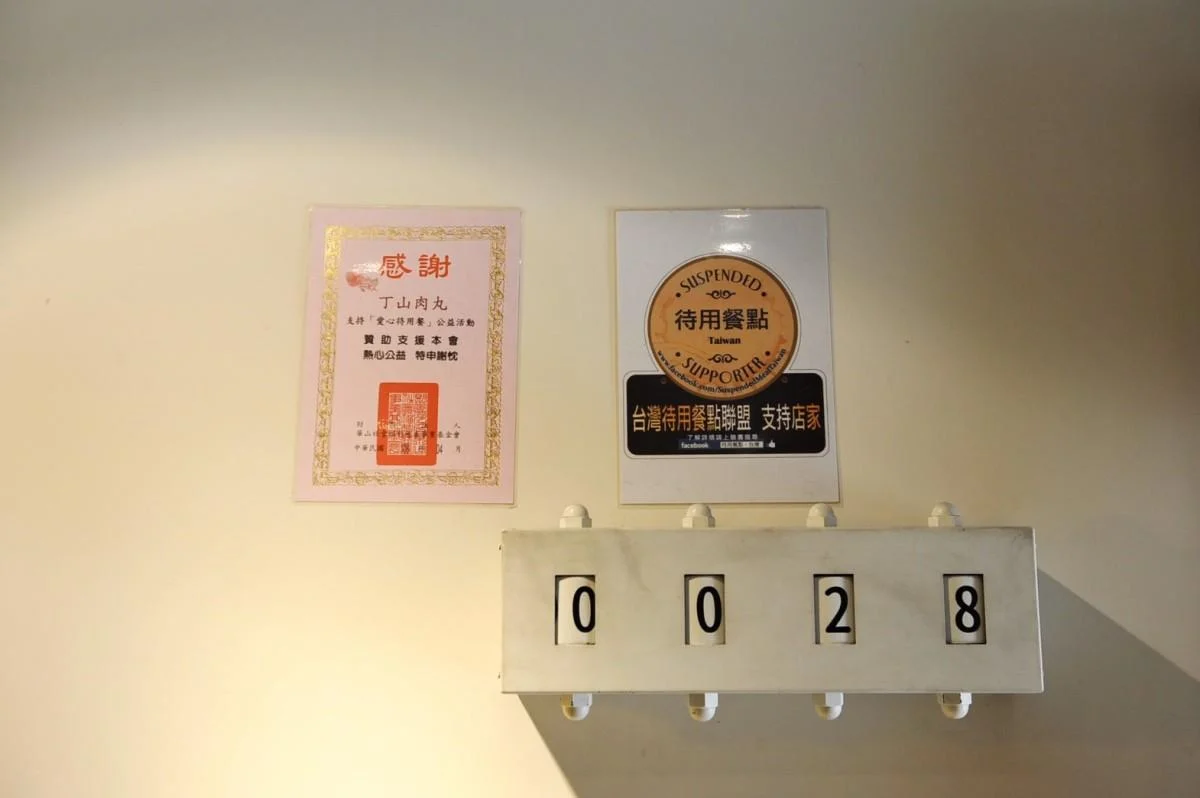
The same interview named the Huashan Social Welfare Foundation, the city’s social-welfare office and Taiwan Fund for Children and Families among its meal-voucher partners. A counter on the wall recorded meals claimed through the supported-meal service. In that 2020 account, a bowl of food linked the shop to people and organisations beyond its kitchen. It is a historical record, not a promise about today’s voucher arrangements.
Beyond one restaurant, a market carries on
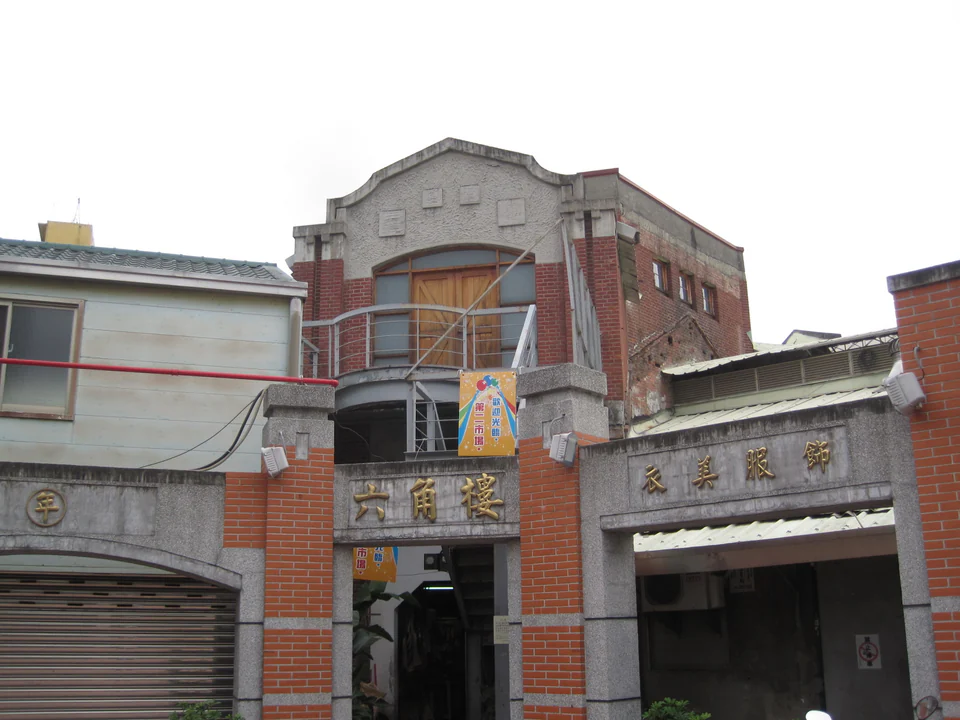
Ding Shan is a separate business near Second Market. Leaving one restaurant does not mean leaving the story of the neighbourhood. Second Market opened in 1917 as Shintomicho Market and remains a public market for food and everyday goods. The programme’s first restaurant and the wider market offer different views of local life.
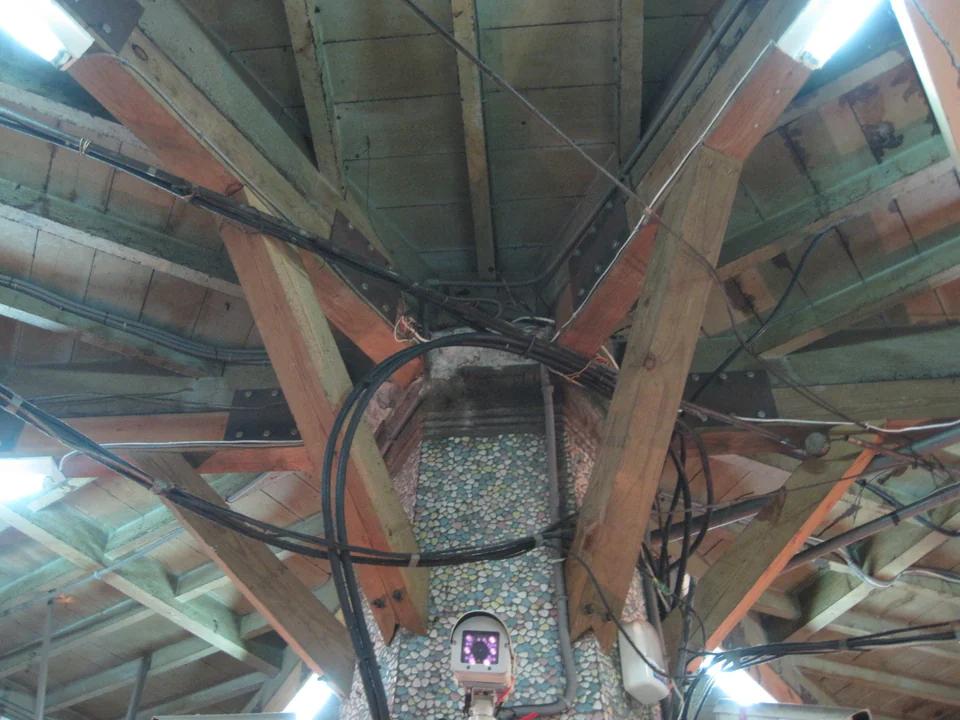
Inside the market, radiating passages meet at the central hexagonal building. Food counters share the space with sellers of clothing and other daily goods. Walking these passages shifts attention from a dish seen on television to the people who shop, work and move through the market.
Follow the story at the neighbourhood’s pace
Start with the central hexagonal building and choose from stalls actually open that day; each keeps its own hours. Keep the public passages clear for shopping and serving, and order before using a stall’s seats. A television visit can be the reason to arrive. Paying attention to how people use the neighbourhood gives you a reason to stay.