
A leading role is also a chance to learn
Yu Jiulin and Shen Fengying, young performers at Suzhou Kunqu Theatre, became Liu Mengmei and Du Liniang in Pai Hsien-yung’s production. He wanted younger actors to meet younger audiences. Choosing them placed the future of the form inside a demanding leading role, rather than waiting outside the stage.
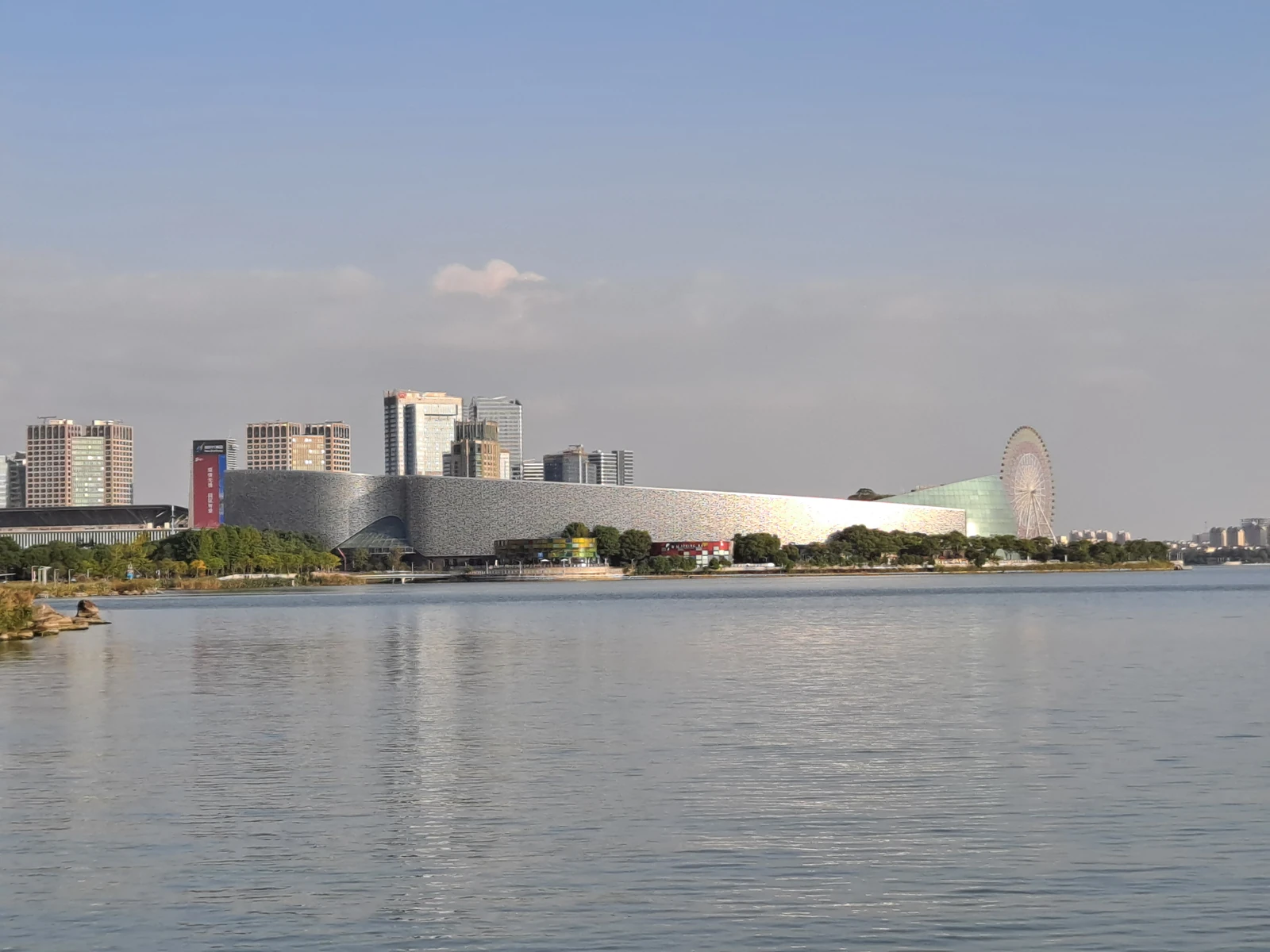
For a Suzhou audience who already knows the opera’s title, the interesting change lies in how the work reaches a different theatre. Pai later recalled that props arriving late from Suzhou reduced the Taipei setup time. The young cast’s journey required people to solve practical problems before anyone could see the dream.
The teachers make the role possible
Wang Shiyu trained Yu; Zhang Jiqing taught Shen. Pai’s 2004 account describes intensive rehearsal beginning the previous April and their formal apprenticeship that November. Youth was an entry point, while sustained training made the new leads capable of carrying singing, speech and movement together.
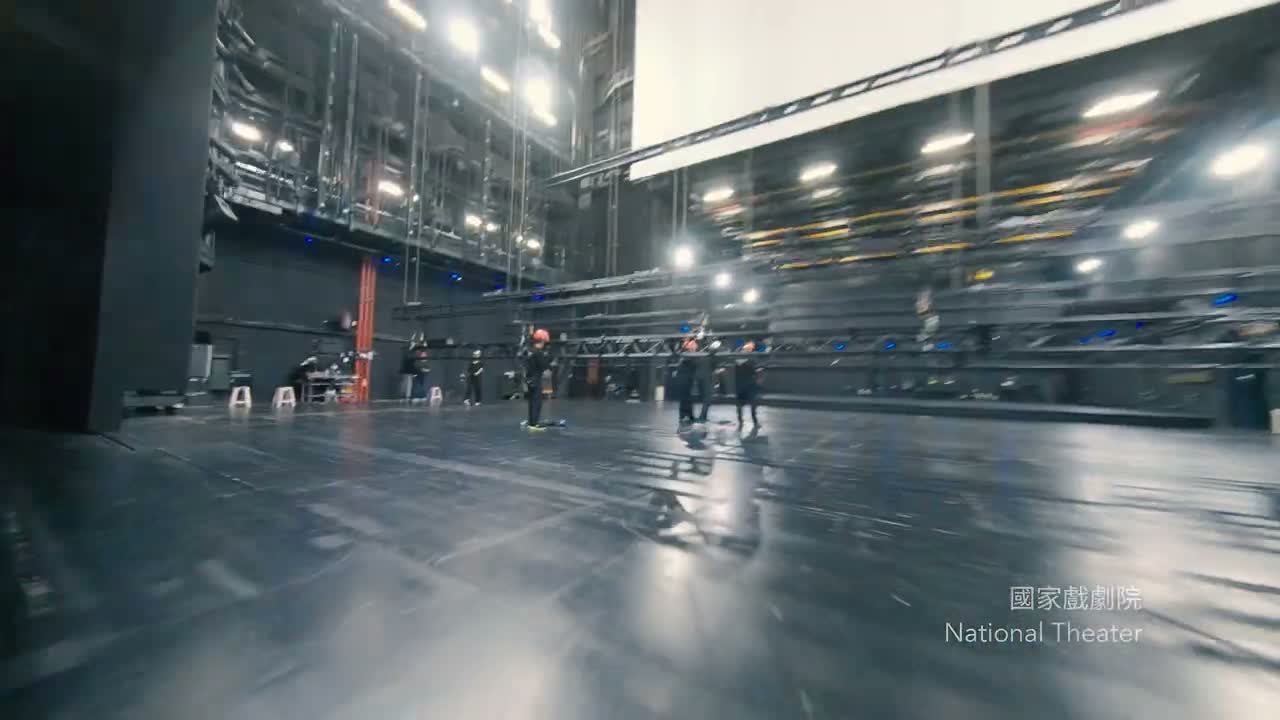
Pai wanted Liu Mengmei’s part to regain weight beside Du Liniang’s. The production developed a mirrored relationship between their experiences of the garden and the dream. That choice gave the two performers a shared dramatic task: the audience needed to follow both people through the love story.
A dream also needs people behind the stage
Hua Wei, Chang Shu-hsiang and Hsin Yi-yun worked on the script adaptation; Wang Tong took artistic responsibility, and Wu Su-chun designed movement. A literary work was becoming time, space, clothing and bodies. Each decision had to remain usable by the performers who would repeat it in front of an audience.
Wang Tong and Tseng Yung-ni designed the flower spirits’ appearance, while Wu shaped their movement. Embroidered flowers and flowing ribbons replaced the old image of performers holding plastic flowers. The change shows a concrete place where Taiwanese design work met the Suzhou cast’s actions.
Original image information
Adece033090 · Original · CC BY-SA 4.0 · Original JPEG; not cropped or editedAfter a premiere, the work has to travel
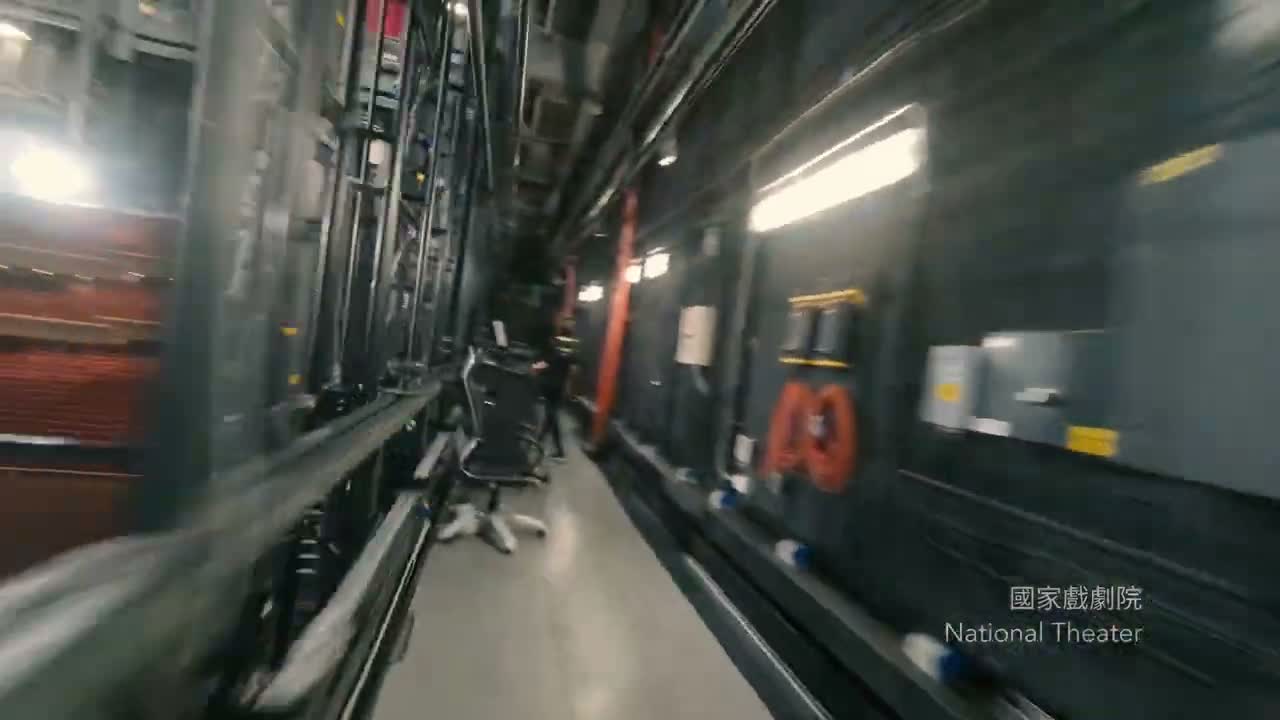
Lighting designer Huang Tsu-yen first watched the Taipei premiere as an audience member, then joined the production in 2005. His account explains that each venue required adjustments to the lighting. A completed design could not simply be packed up and played unchanged in the next theatre.
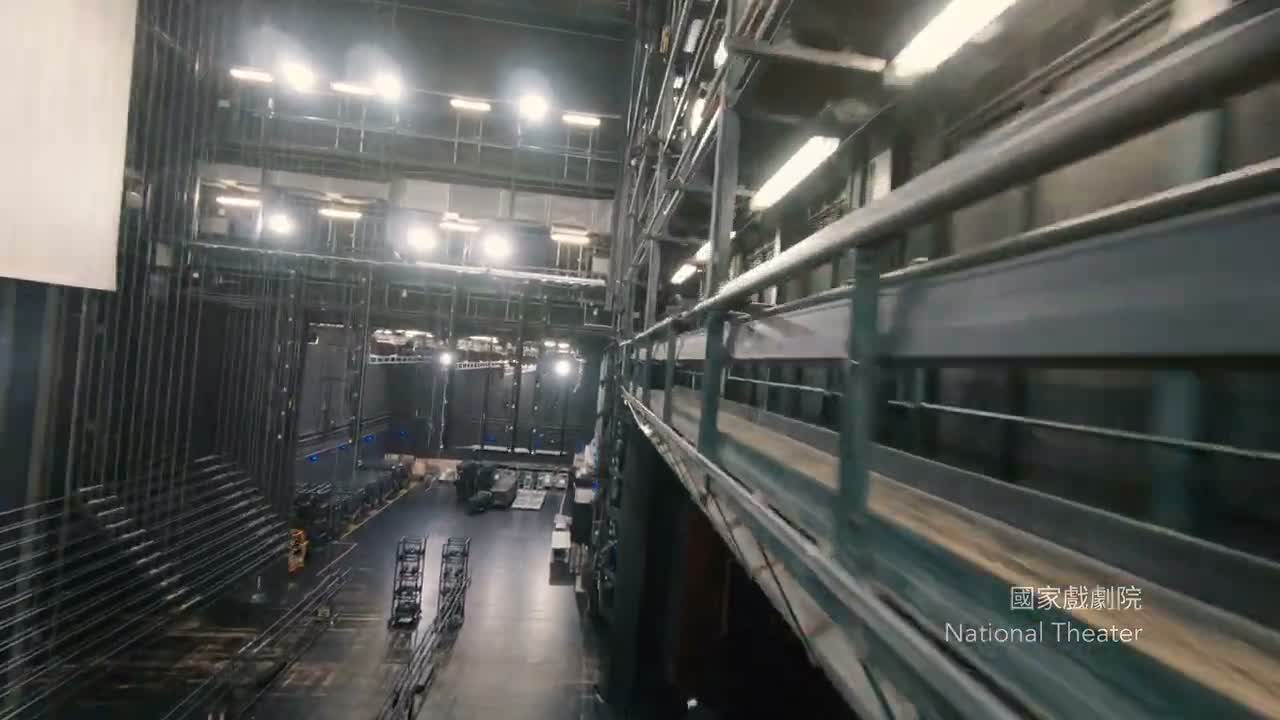
University halls brought tighter conditions. Huang recalled using bamboo poles to hang lights when a campus venue lacked sufficient rigging. The effort to reach students changed the makers’ working conditions too. The audience’s new access depended on people finding workable solutions above the stage.
Twenty years later, the leads return in Suzhou
The production premiered in Taipei on 29 April 2004. On the same date in 2024, Shen and Yu led an anniversary performance at Suzhou Culture and Arts Centre. The city’s report identifies a condensed version lasting about three hours. These were different occasions and different lengths, within the same continuing production.
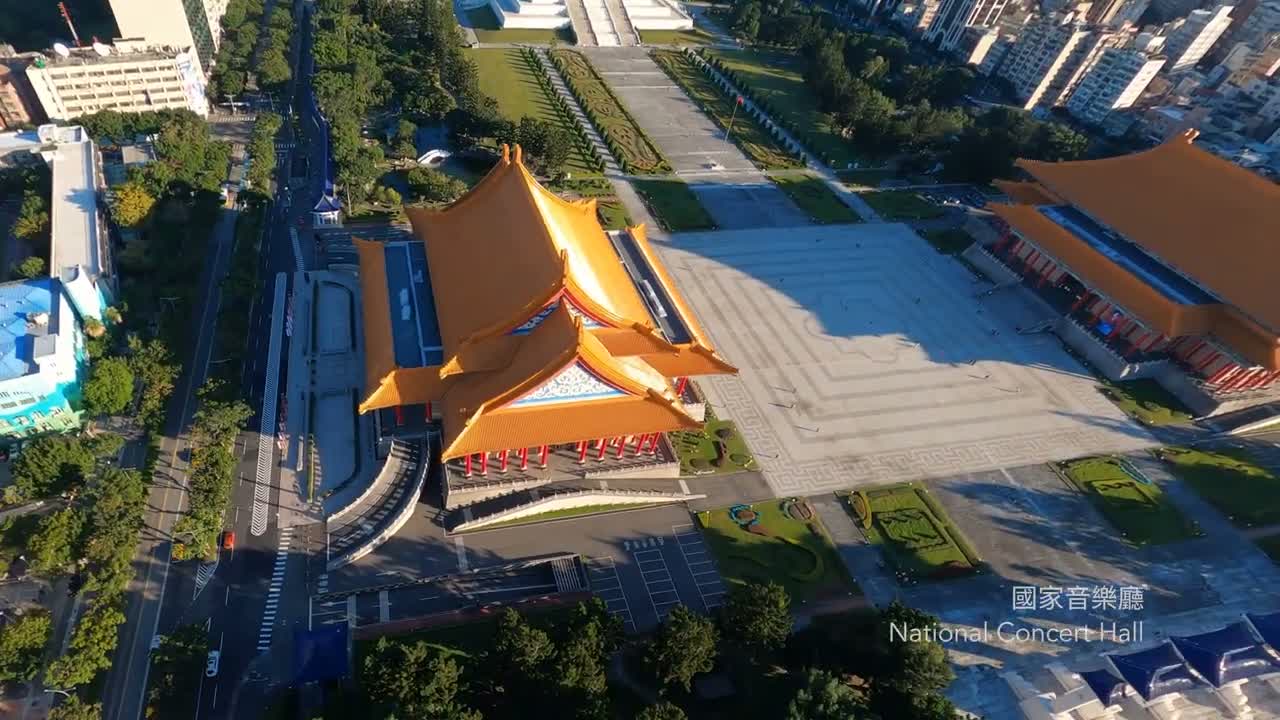
Yu described youthful performers, a youthful story and the cultivation of youthful audiences as the starting purpose. By this anniversary, the performers themselves carried twenty years of working memory. That makes the title “Young” worth reconsidering: it also describes whom the production keeps trying to bring into the theatre.
Original image information
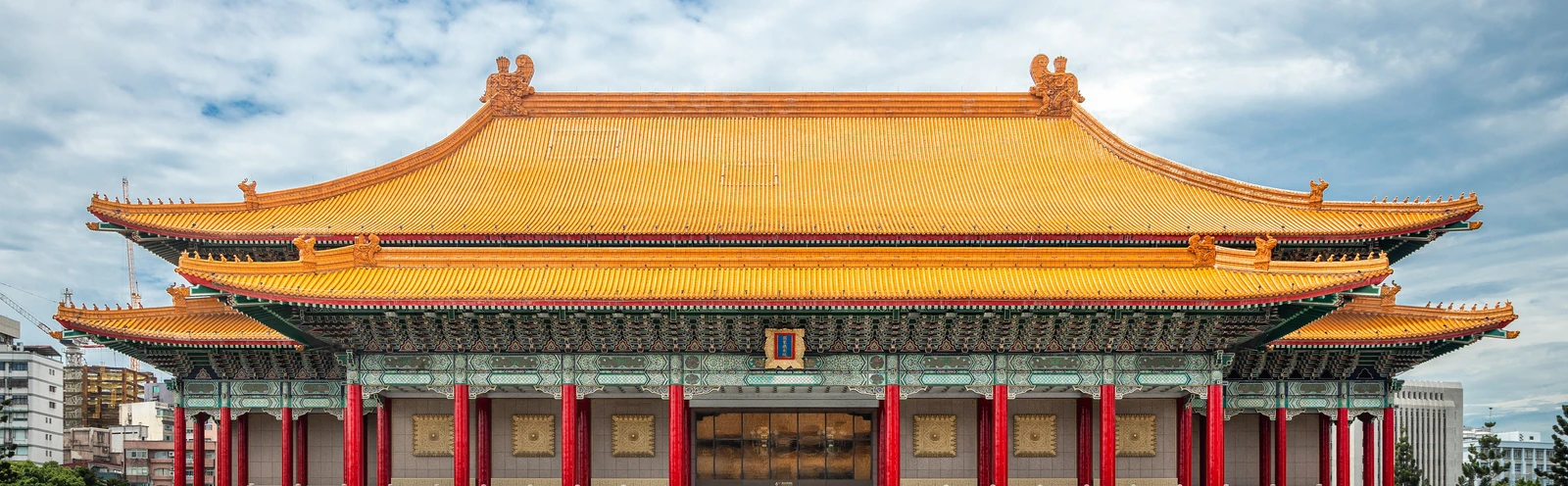
This Photo was taken by Supanut Arunoprayote. Feel free to use any of my images, but please mention me as the author and may send me a message. (สามารถใช้ภาพได้อิสระ แต่กรุณาใส่เครดิตผู้ถ่ายและอาจส่งข้อความบอกกล่าวด้วย) Please do not upload an updated image here without consultation with the Author. The author would like to make corrections only at his own source. This ensures that the changes are preserved.Please if you think that any changes should be required, please inform the author.Otherwise you can upload a new image with a new name. Please use one of the templates derivative or extract. · Original · CC BY 4.0 · Cropped to retain roof and upper facade and exclude all people; resized and converted to WebPBegin at the theatre, then choose what to enter
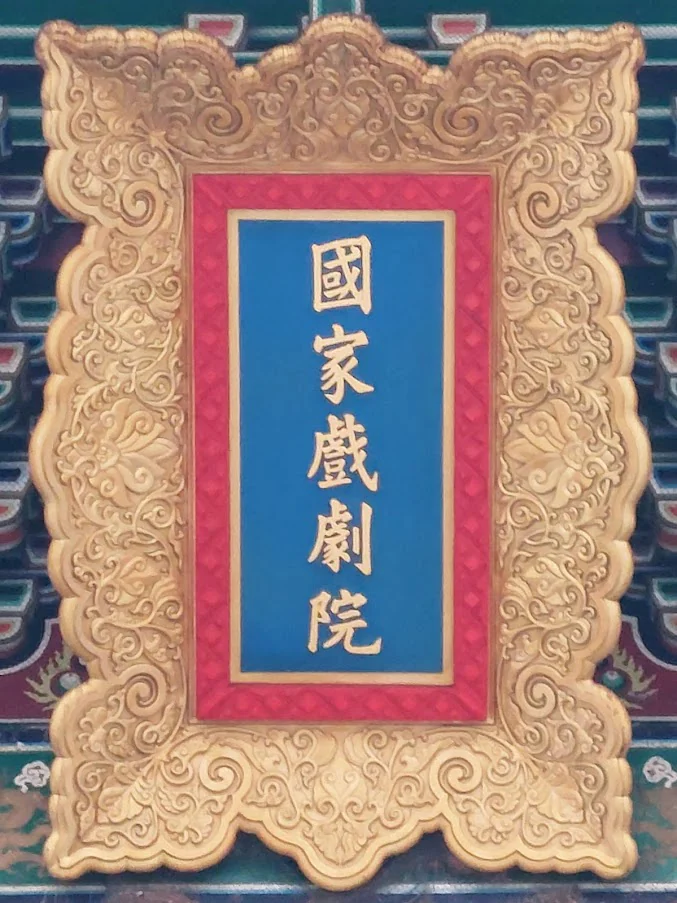
In Taipei, start with the National Theater’s public areas or reserve an NTCH tour. Public access does not include an automatic visit to the auditorium; guided routes also depend on the spaces available that day. Seeing the premiere venue today is a building visit, with a performance chosen separately from the current programme.
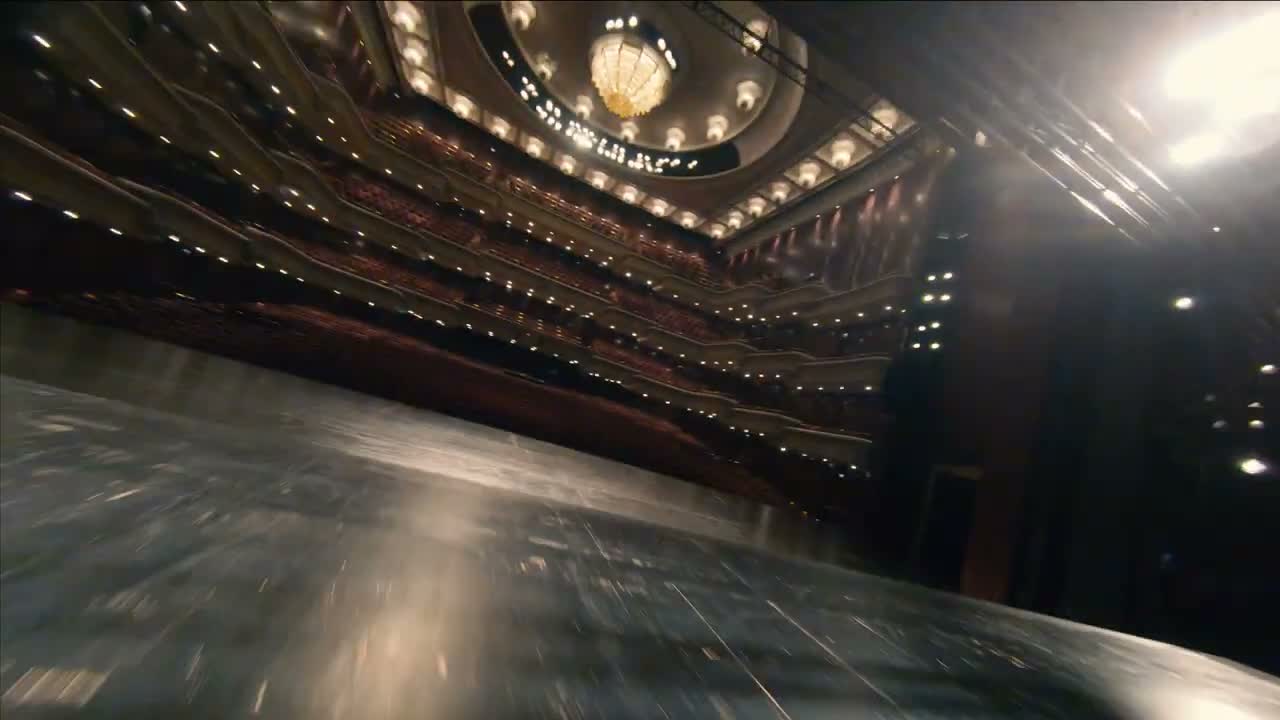
Pause before entering and notice the route from square to door. At a performance, watch how costume, movement and light give an actor room to appear, then how that room changes. The story of the production offers a way to notice people whose work remains visible even when their names are absent from the stage.
