An object can inherit a person’s trouble
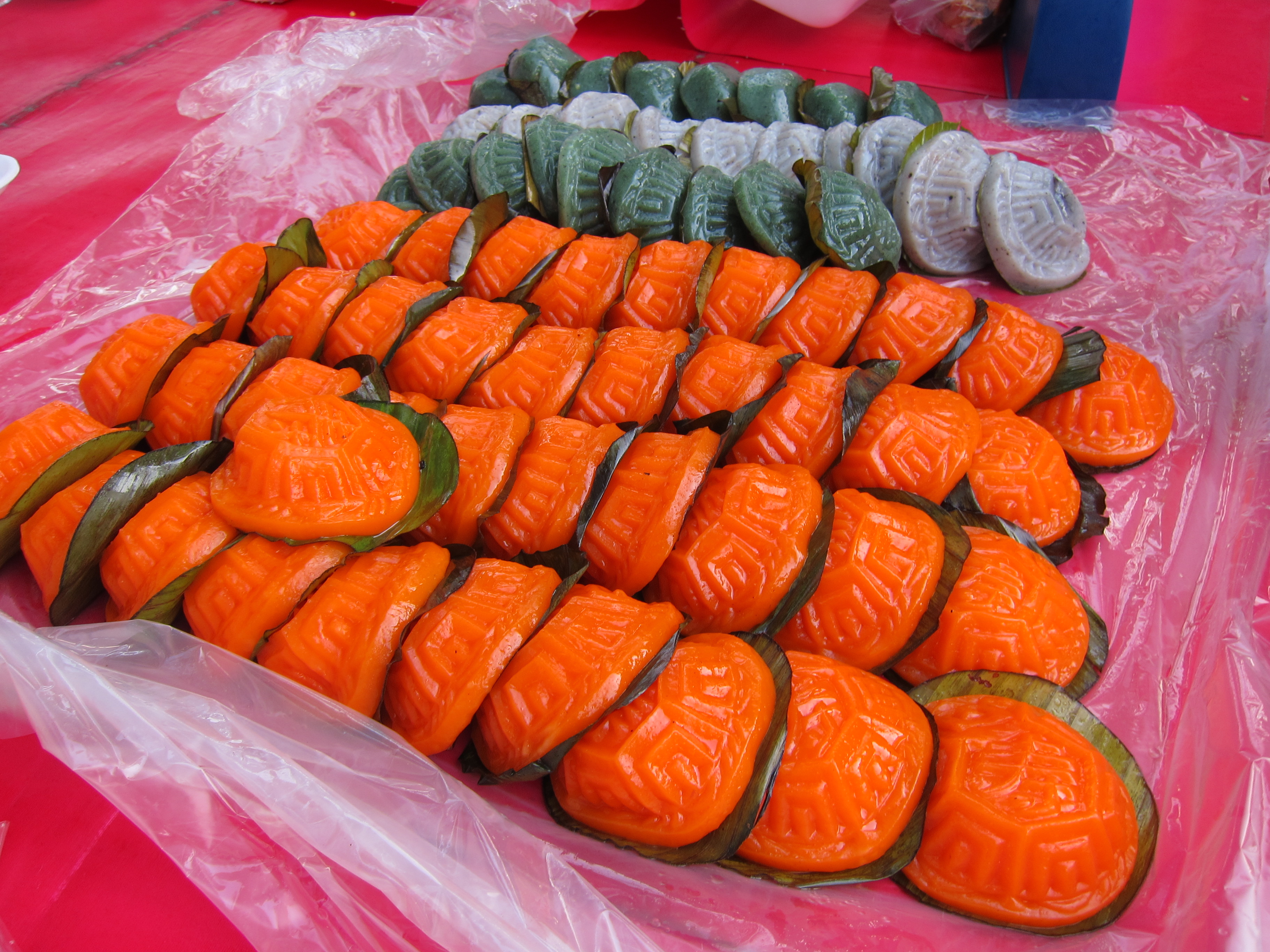
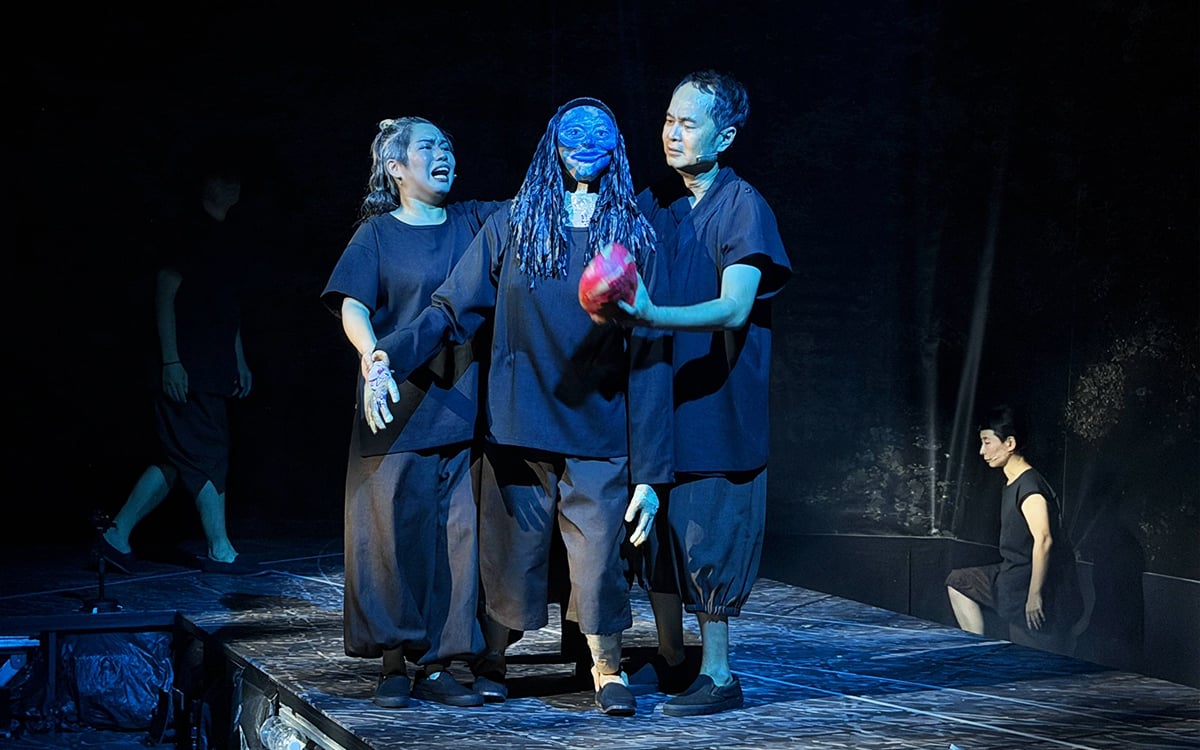
Tall Tales: Bananas & Ang Ku Kuehs ran at Esplanade Theatre Studio on 6–8 March 2026. Its programme brings The Snake Prince and Princess Tailan into a structure of stories nesting inside other stories. Puppets and live performers share the work. The production is a new adaptation, not a claim to recover one unchanged original legend.
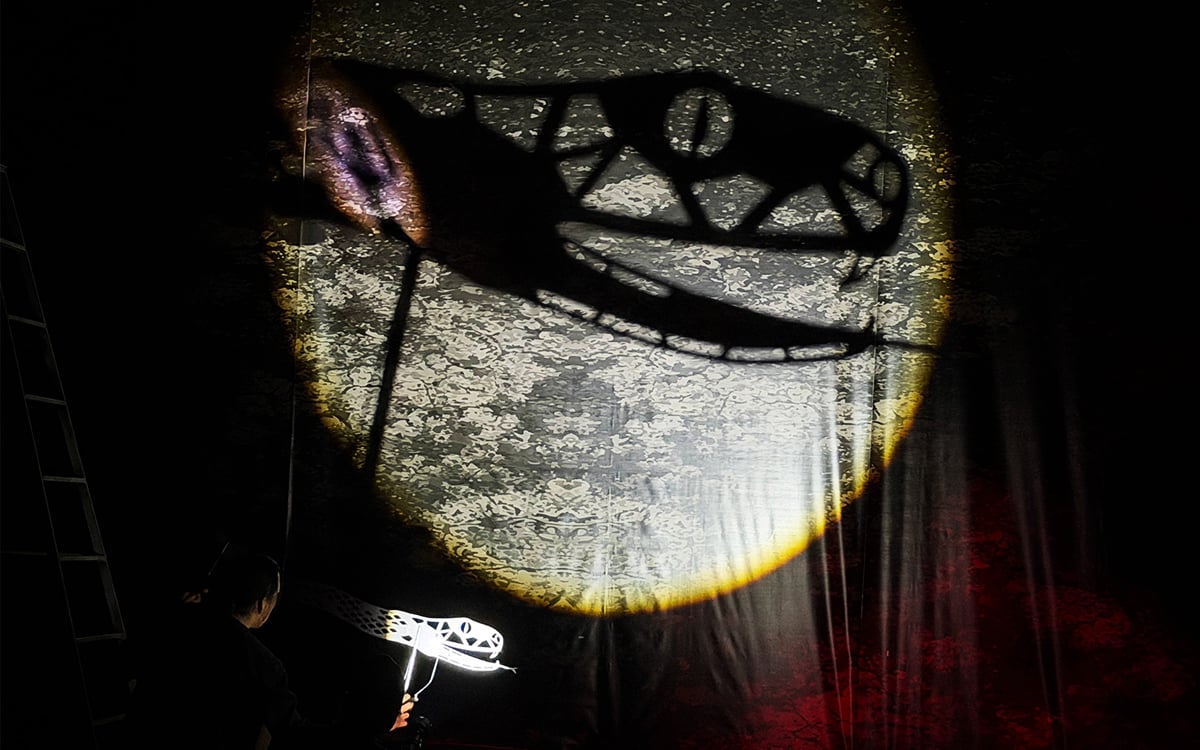
A March review describes a father, cursed pastries and a daughter caught in the consequences, followed by further transformations. Those are events in the performance, not customs that visitors should expect to observe in Taiwan. The familiar food in the title supplies an entrance to an unfamiliar question: what happens to a person’s story when another body has to carry it?
The distance was part of the writing
Singapore’s The Finger Players and Taiwan’s Shakespeare’s Wild Sisters Group co-produced the work. Chong and Wang co-wrote and co-directed it after their earlier 2018 collaboration. In his programme note, Chong describes three years of exchanging stories through screens and across the sea, with misunderstandings and displacements remaining part of that process.
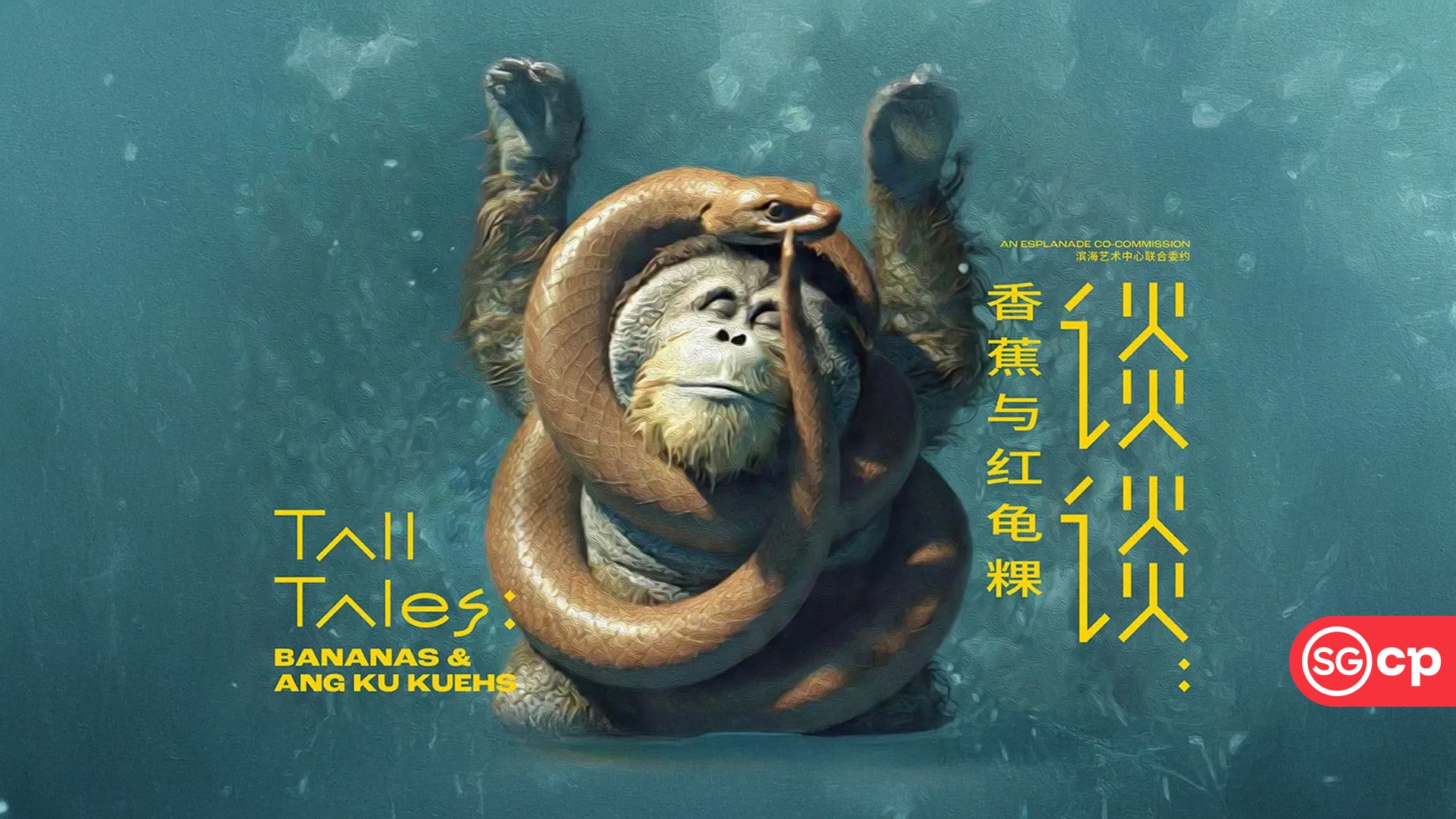
Their response was to let stories change shape in a new setting, rather than make the production a polished demonstration that the two cultures were identical. The Decameron supplied an inspiration for stories told within stories. Taiwanese theatre-making and regional folktales could therefore meet through a shared structure, while retaining the friction of different tellers.
Wang chose a physical answer
Wang’s own note asks why a puppet whose facial expression never changes can still produce an emotional response. He places that question in the physical, three-dimensional space of theatre. His Taiwanese contribution is therefore a choice of how to tell, not simply a name added to a production credit. Fixed objects and changing human relationships become part of the same experiment.
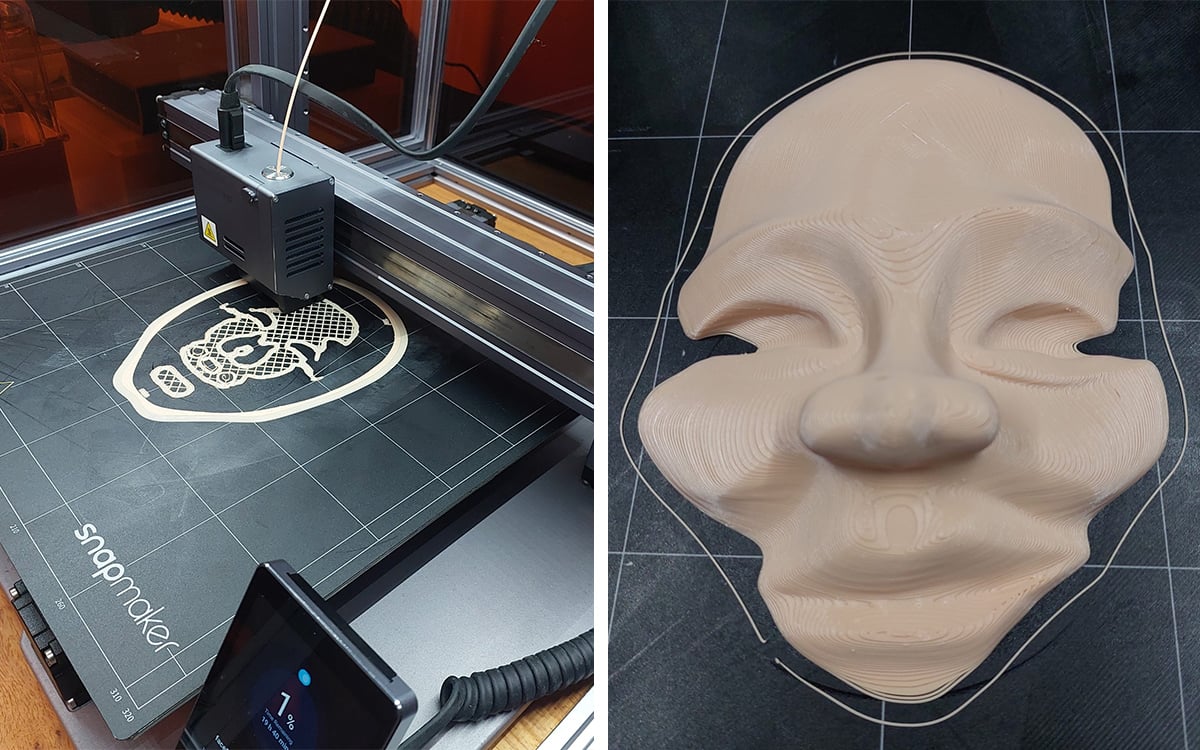
The production credits carry this further into work: Chong also designed the set, Wang the sound, and artists from Taiwan and Singapore handled costume, lighting, music, puppets and performance. A collaboration on paper became a distribution of practical responsibilities. Neither an imported technique nor a shared dessert alone explains the resulting piece.
The result was performed, and could still be uneven
The official programme describes a world assembled from plastic bags and discarded remnants. The March reviewer records that material setting and discusses the performance’s abundance, while also finding that its many ideas did not always cohere. That response is one critic’s judgement. It helps establish an actual encounter after the announcement without turning publicity into unanimous approval.
For Chong and Wang, the years of talking acquired a physical consequence: performers, objects, sound and a shared audience in one room. The stories had passed through different hands and become a new work. Its success as an exchange can be located in that completed act of making, while leaving audiences free to disagree about the artistic result.
The Taiwan connection is a commission, not an invented premiere
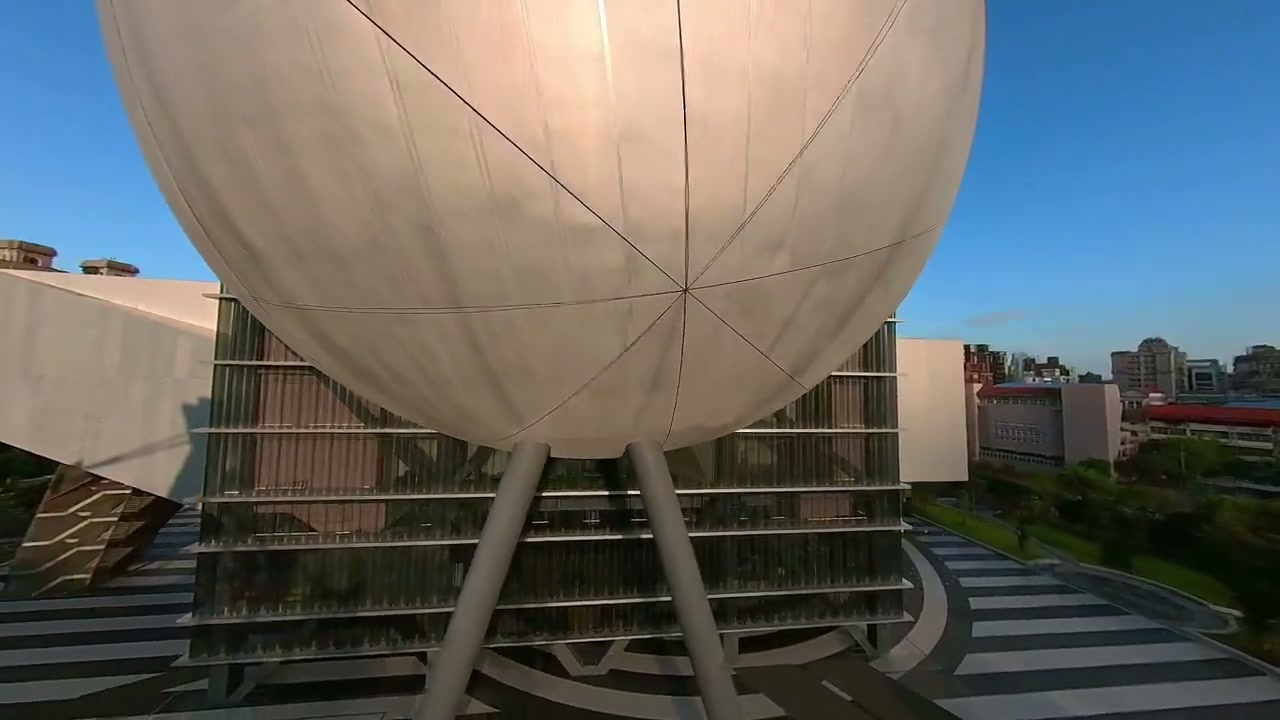
Esplanade and Taipei Performing Arts Center co-commissioned Tall Tales. This gives a precise Taiwan place to continue the story. The sources read for this draft do not establish a Taiwan season of this production, so a visit to the Taipei centre should not be sold as a chance to see it or its puppets.
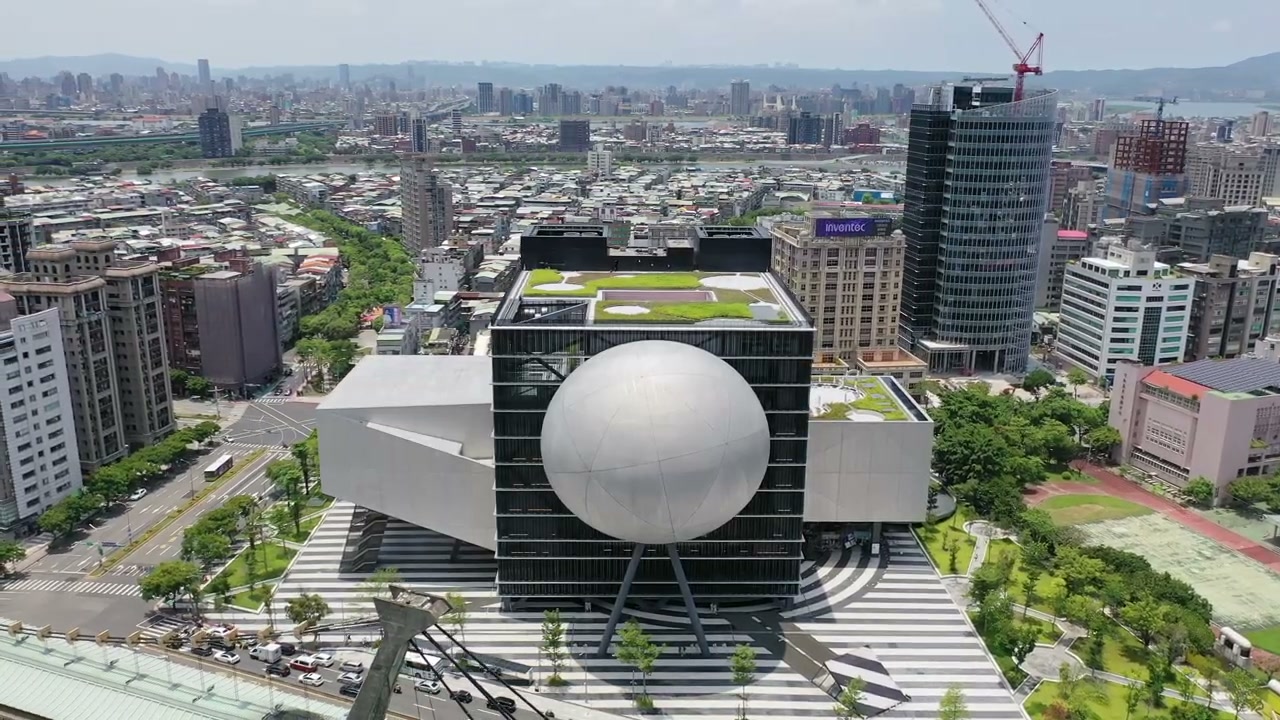
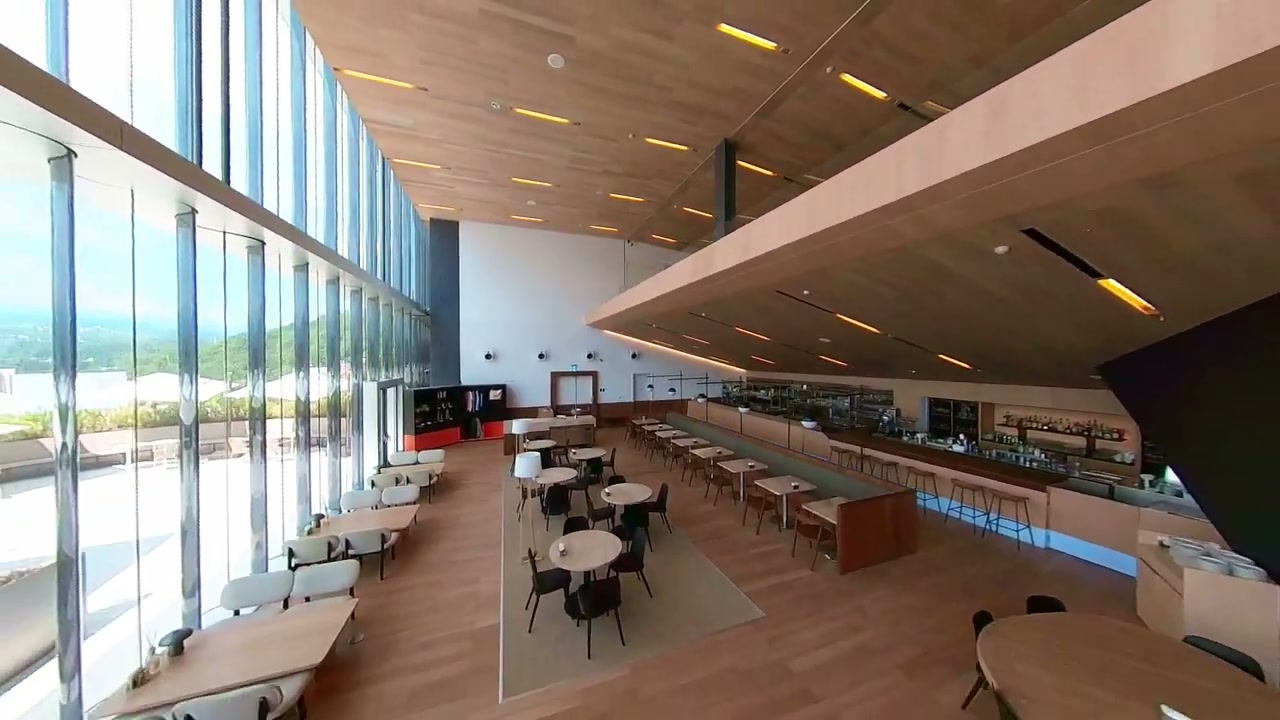
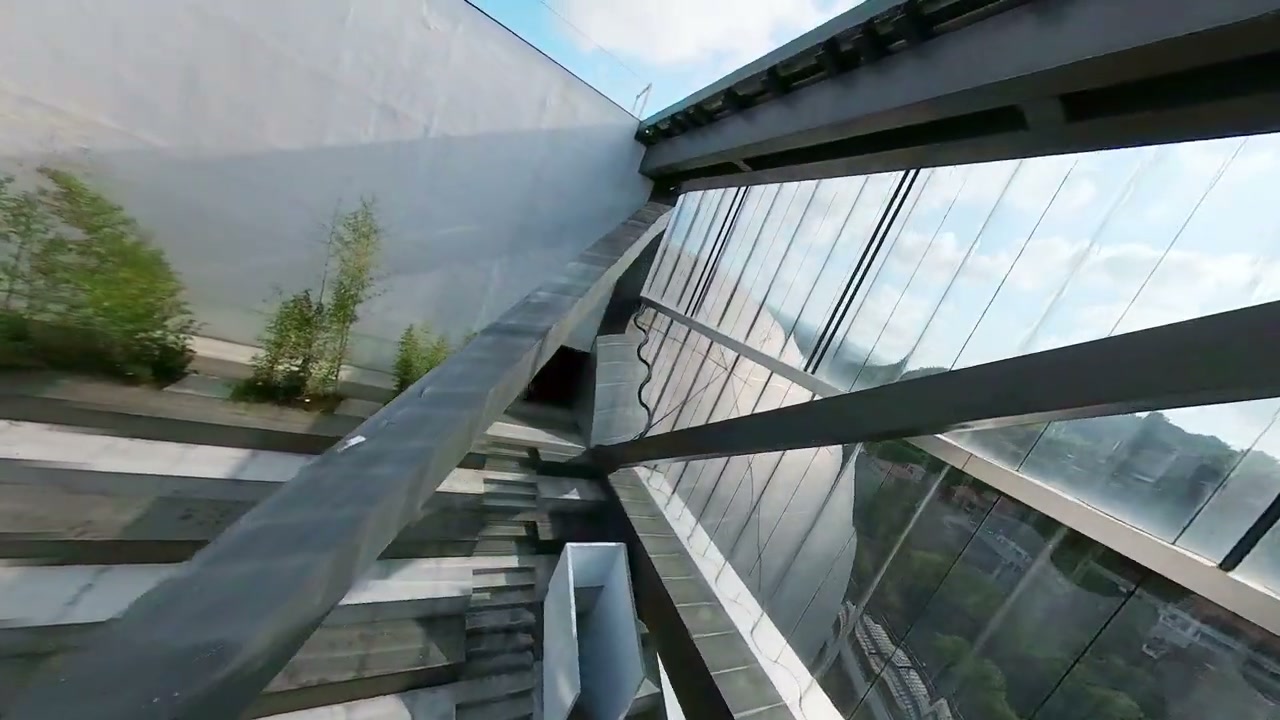
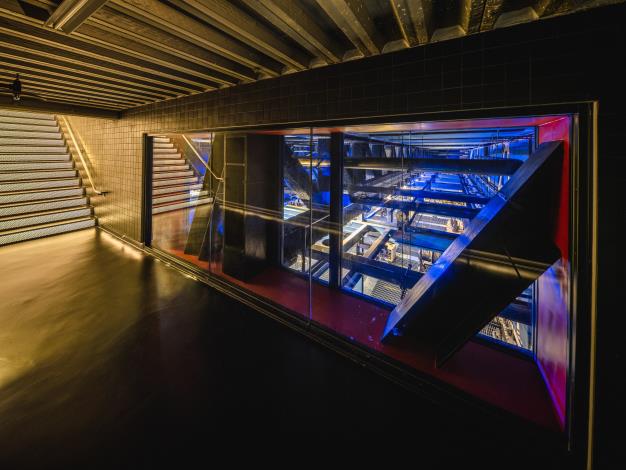
The centre’s public loop instead lets visitors see selected parts of a working theatre, with windows governed by stage activity. That boundary fits this story: shared culture also requires rooms, time and decisions about who may enter. The route from a Singapore programme to Taipei is through those people and arrangements, not through a claim that the building itself explains the folktales.