Familiar songs, an unfinished story
Nanyin’s sung texts use Minnan; in Taiwan the tradition is commonly known as Nanguan. When Katherine Hui-ling Chou began writing The Heart of Jun: Memoirs of Zhaojun, she faced a practical problem. Nearly ten surviving Nanyin works concerned Wang Zhaojun, but repeated scenes and lyrical fragments did not form a continuous play. In her programme note, Chou asked how those older songs might speak to Singapore audiences today.
Before the theatre production, Siong Leng had made an online music film of the same title. In a 2025 official interview, artistic director Lin Shao Ling recalled combining Nanyin and dance during the pandemic. Vocalists from Taiwan Tsin-Sing-Sia Nanguan Conservatory and Taipei Hua Sheng Nanguan Music Club also contributed to that music film, published in 2022. In the interview, Lin connected the wish to bring The Heart of Jun to a wider audience with Huayi. Moving to the stage also called for new work on the relationship between songs and characters.
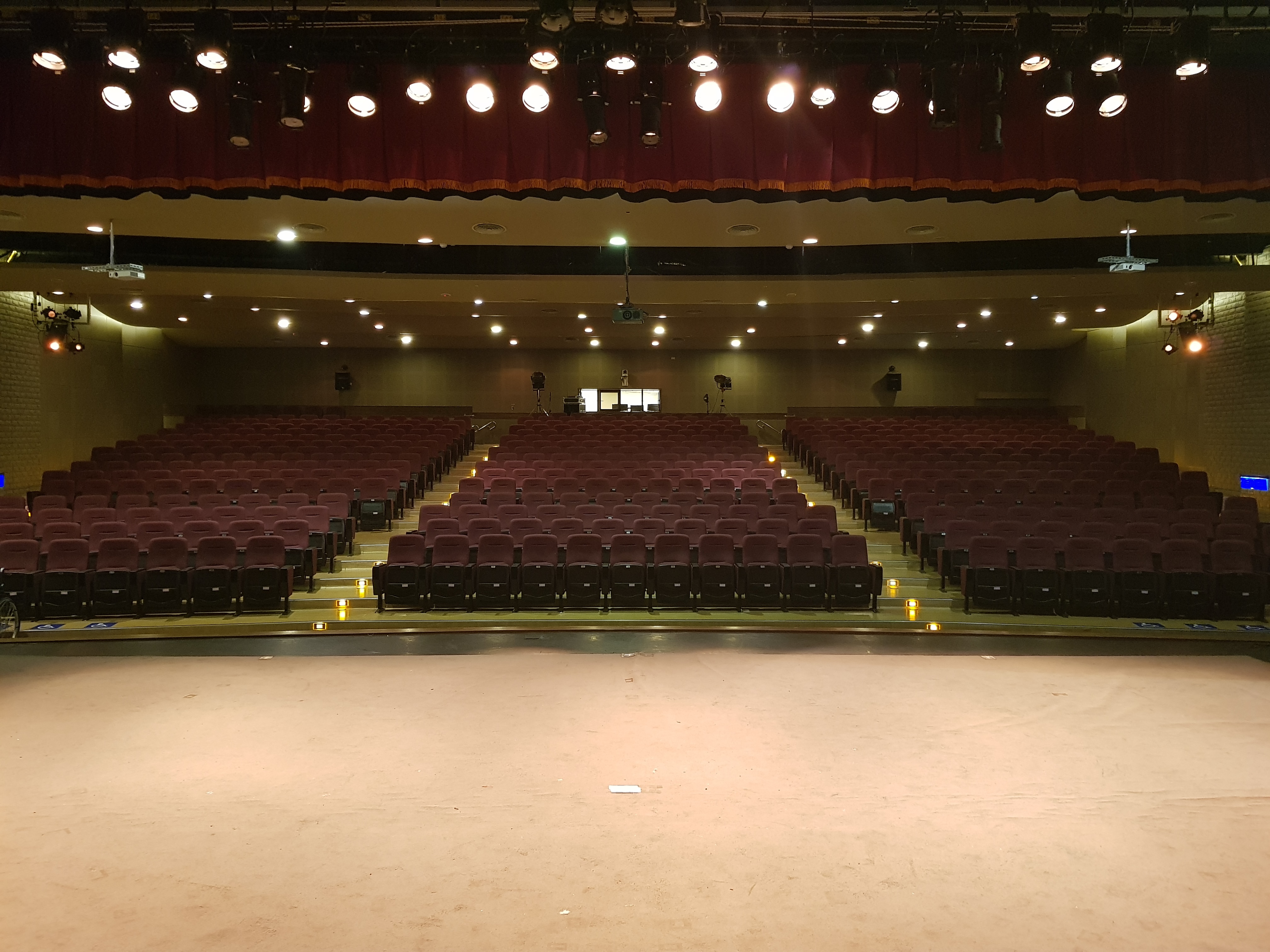
That question reached Huayi in Singapore on 14 and 15 February 2025. Siong Leng and Esplanade co-produced The Heart of Jun, working with Chou and fellow Taiwanese theatre maker Lee Yi Hsiu, and presented it at the Singtel Waterfront Theatre. Their shared task was to turn the songs’ departures and separations into a journey an audience could follow.
Bringing different women aboard one ship
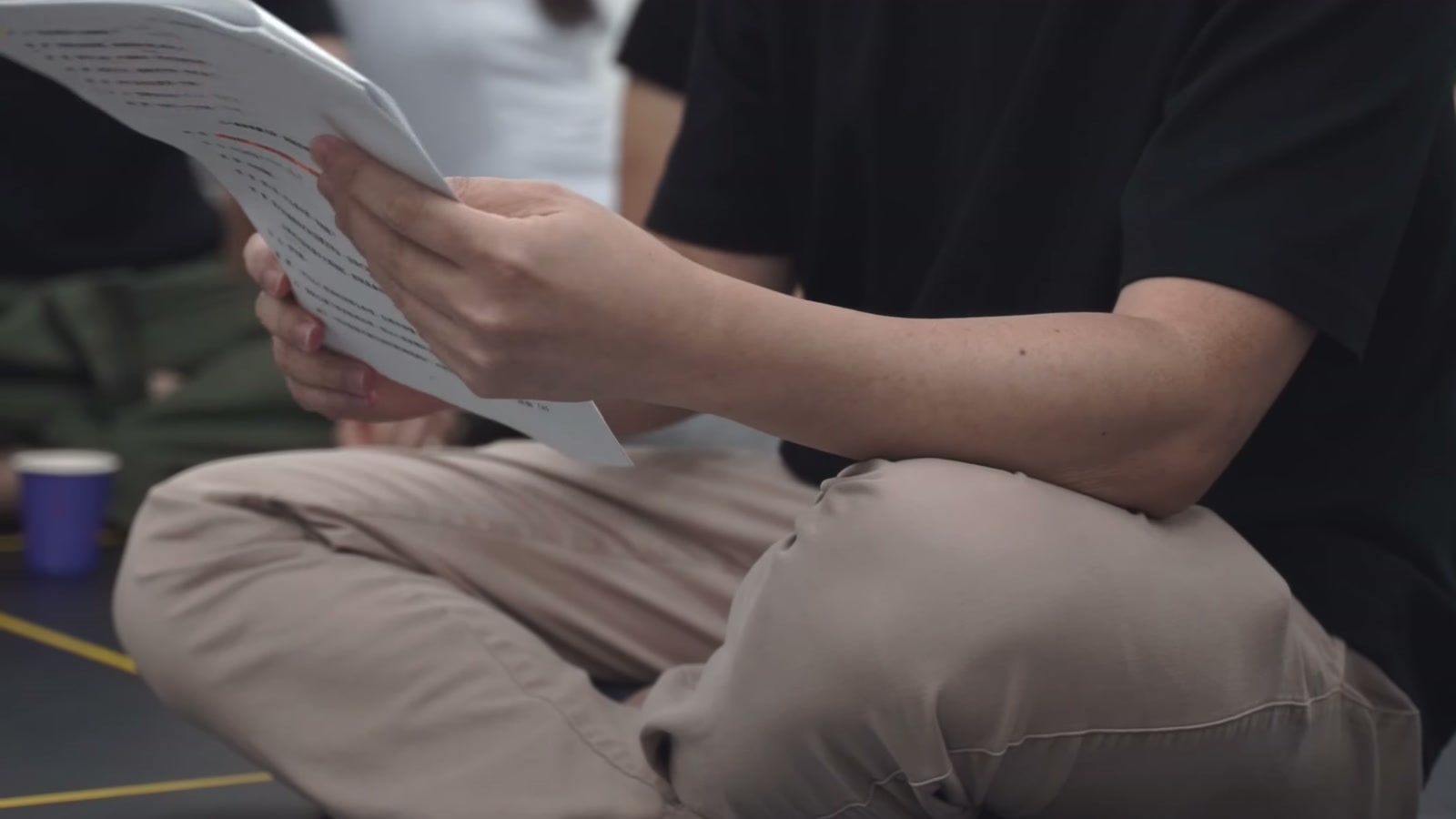
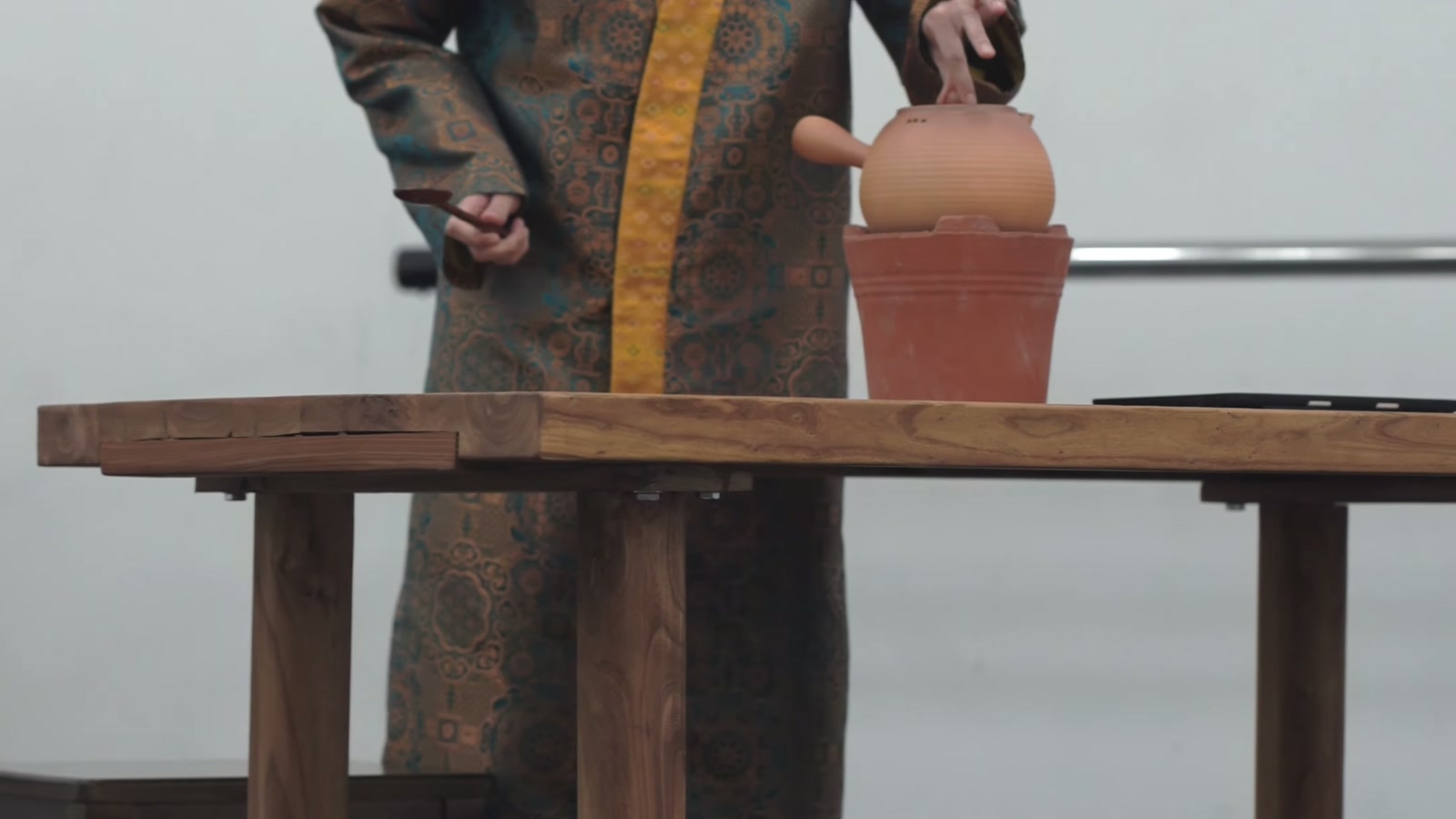
The script brings three fictional women together aboard an early twentieth-century merchant ship. Liao Ah Zhao, a Nanyin singer from Taiwan, sings Leaving the Han Frontier with the sorrow of earning a living far from home. Chen Yixin writes to her parents, pulled between homesickness and ambitions for the voyage. Zhao Nanjun manages the journey and prepares tea while carrying family responsibilities of her own. The older songs meet the women through the things they are doing.
As the voyage repeats, Yixin starts the same letter again. Ah Zhao moves from the sorrow of Leaving the Han Frontier to the energy of The Rhythm of Drums. Within that music, Yixin imagines the freedom of sailing as galloping through Yanmen Pass. Familiar words take on different possibilities as the characters act and their circumstances change. The fragments Chou began with acquire relationships within a drama.
Theatre experience carried from Taiwan
Lee’s work with La Cie MaxMind has drawn on Taiwan’s traditional Nanguan and Beiguan music. In The Heart of Jun, his directing and Chou’s writing met Siong Leng’s own performing and arranging practices. The Taiwan–Singapore connection lies in identifiable theatre makers working through a new production together.
In his programme note, Lee describes Nanyin as taking part in a dialogue between periods and cultural viewpoints. Songs carry sound and emotion; the script creates situations. Direction brings singers, actors and music into those situations onstage. Theatre practice developed in Taiwan works here alongside Siong Leng’s understanding of the songs and their performance.
A performer who also teaches the next generation
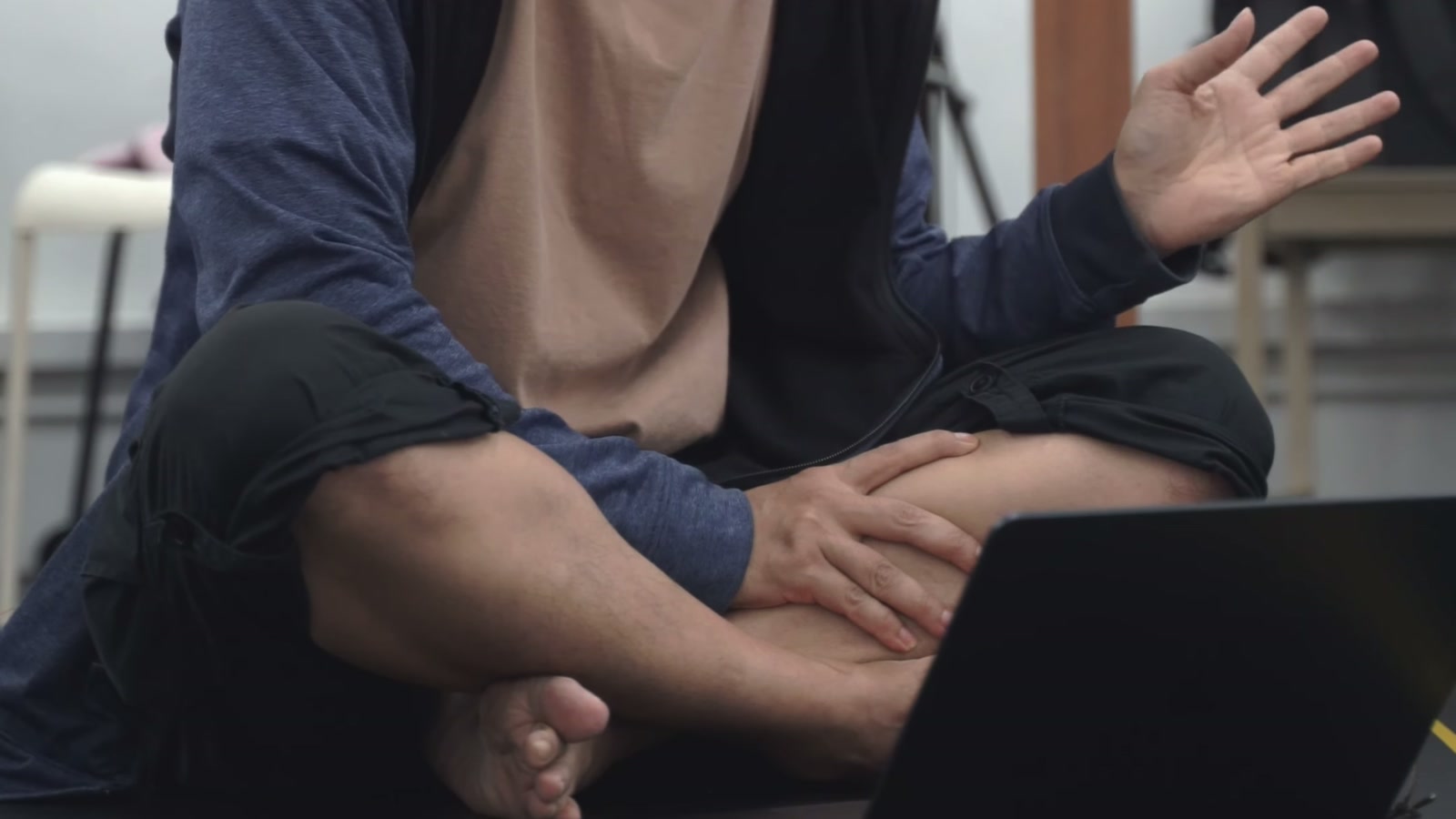
Playing Ah Zhao, Lim Ming Yi works both with the songs and with a dramatic role. The 2025 programme records her specialisms in Nanyin pipa, sanxian and singing, and her training with Cai Wei Biao through a grant from Singapore’s National Arts Council. The voice onstage connects to a performer’s own experience of study and practice.
The same programme describes Lim leading youth education and mentoring apprentice artists. Learning a piece and helping someone else learn it gives transmission a practical human form. The Taiwanese theatre makers join a learning practice already continuing at Siong Leng. A new story creates another occasion for the music to be used and heard.
Bringing performance, arrangement and audiences together
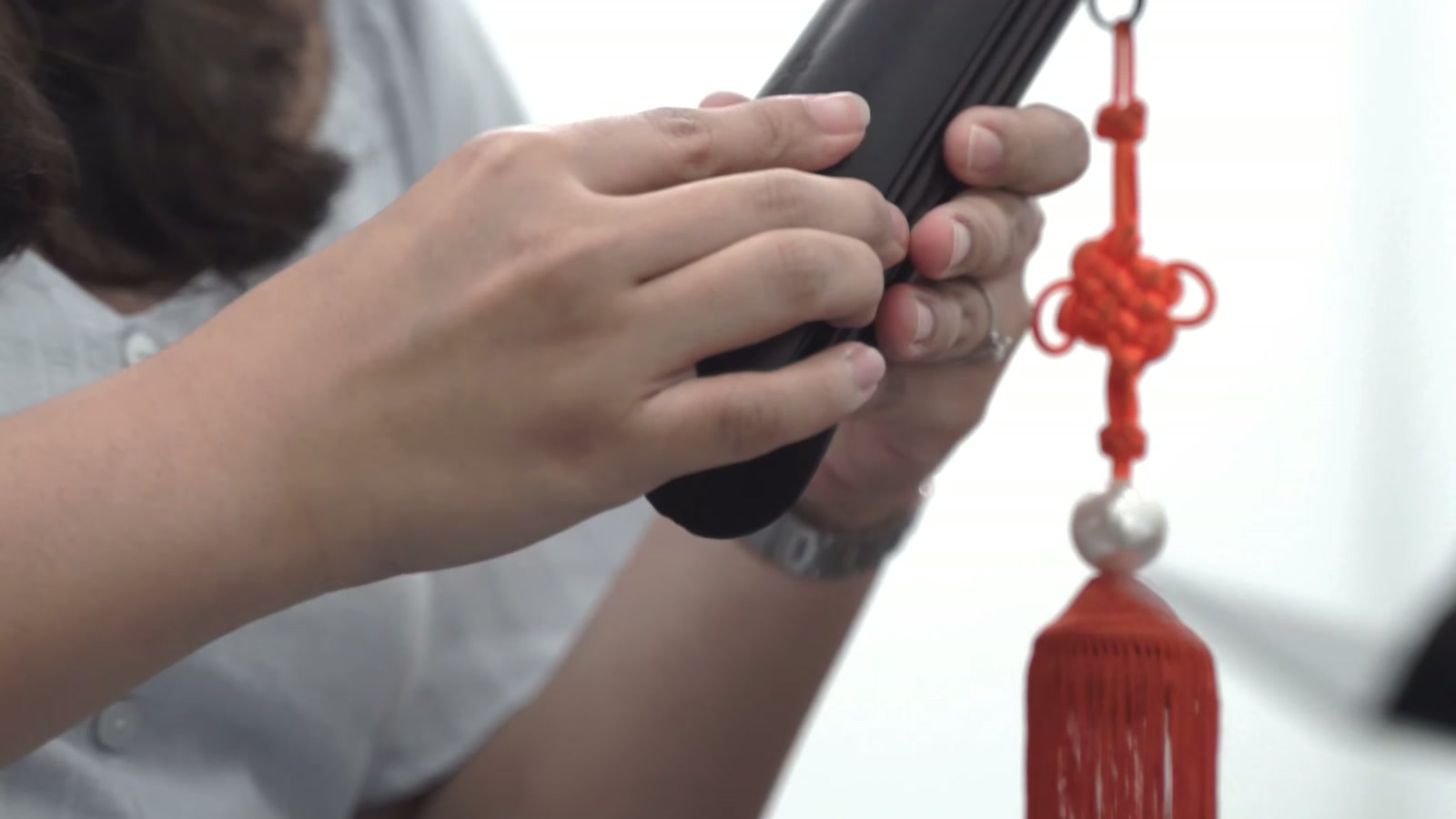
Siong Leng rearranged the Zhaojun-related Nanyin material for this production. Music director Ng Kang Kee contributed composition and arrangements, while principal Nanyin artists and singers performed with other Eastern and Western instrumentalists. Choosing a passage, a dramatic context and an instrumental relationship involves decisions across the team, giving older music a place in contemporary performance.
The performance combined Mandarin and Minnan with Chinese and English surtitles, offering different audiences a way into its characters and lyrics. The Singapore–Taiwan collaboration can be followed through concrete work: the playwright shapes the material, the director organises its dramatic life, musicians perform it anew, and an audience encounters the result.
Continue listening in Taiwan
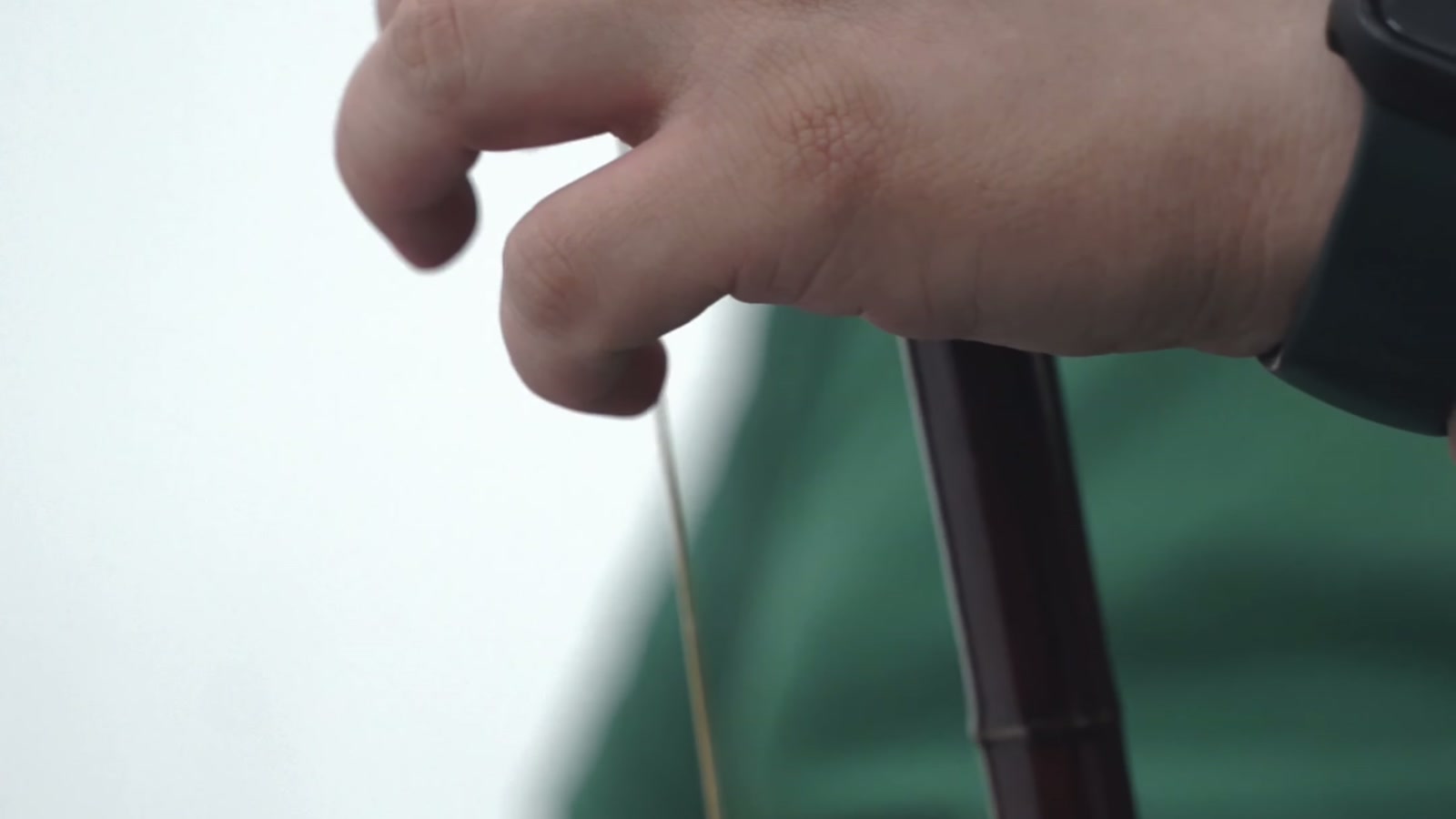
In Taipei, continue at Dadaocheng Theater above Yongle Market. Its ninth-floor theatre presents traditional performing arts, including Nanguan. Check the current programme, choose a Nanguan event and follow its admission arrangements. This is a present-day encounter at a different venue: The Heart of Jun was performed in Singapore in 2025, while a Taipei visit depends on the programme actually offered. The ninth floor is closed outside performances.
Once seated, listen to how instruments wait, respond and continue when a singer begins a phrase. What do the lyrics express, and what space do they leave for a listener? Chou’s original problem offers another way to attend to a live performance: who learned this music, how is it being presented, and how does the next act of listening continue its life?