The visit continues beyond an awards result
On 22 November 2025, Singapore actor Richie Koh attended the Golden Horse Awards in Taipei as a Best Actor nominee for A Good Child. He did not win; the award went to Taiwan’s Chang Chen for Lucky Lu. Koh’s happy account of meeting Ang Lee and taking a photograph captured one encounter during the visit. He also spoke about the value of audiences outside Singapore seeing a Singapore film.
A nomination places an actor’s work beside performances from elsewhere. What follows can be as ordinary as a conversation with another filmmaker, or as demanding as hearing strangers respond to the film. To understand this visit, it helps to leave the red carpet and ask what Koh had made visible on screen—and what Taiwan’s viewers brought to it.
Costume changes how a body moves
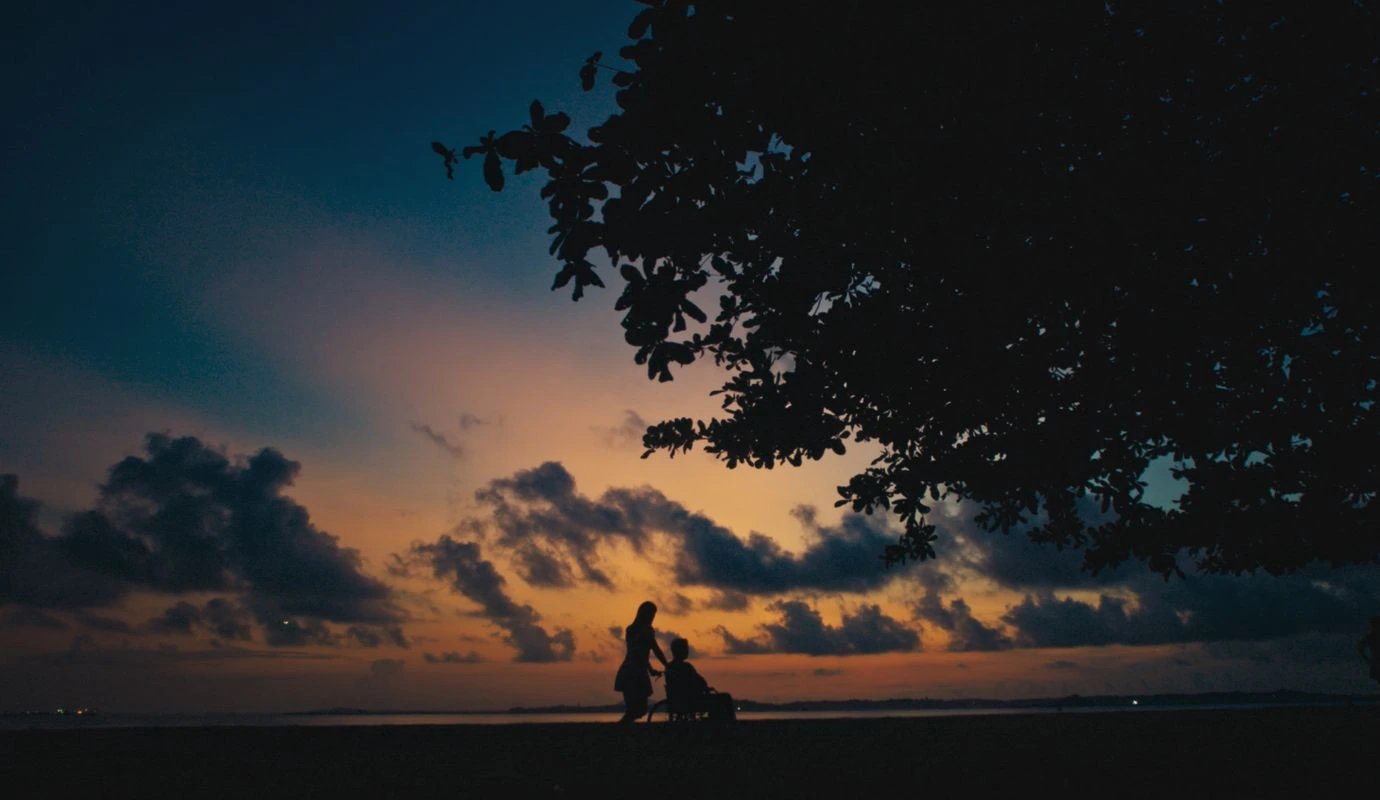
In Ong Kuo-sin’s A Good Child, Koh plays a drag performer who returns to care for his estranged mother, played by Hong Hui-fang, after she develops dementia. The fictional relationship brings stage performance and daily caregiving into the same life. Returning home means facing old hurts while doing the work another person now needs.
Koh described how a corset changed his posture, how he sat and even how he delivered lines. High heels and the position of his fingers became part of constructing the character. Costume and make-up therefore did work throughout the performance, shaping more than the spectacle of a stage entrance. The film received separate 2025 Golden Horse nominations for acting and make-up and costume design.

Students answer with experiences from home
At a youth screening at Xinyi Vieshow’s Auditorium 12 on 8 November 2025, the film met students’ responses. Students from Taichung Girls’ Senior High School and Taipei’s Zhongshan Girls High School joined individual registrants. Drag artist UG led the discussion with Ong. One student responded through a family elder’s dementia; another described an elder whose way of expressing affection had changed after a stroke.
Those contributions changed the scale of the conversation. A film made in Singapore met memories belonging to people sitting in Taipei, including experiences they could not read off an awards list. The audience did more than approve or reject a character. It offered other instances of dependence, hurt and affection, allowing the film’s imagined household to sit beside real ones.
The director takes the position of a neighbour
When a student asked which character he most identified with, Ong described himself as a neighbour learning to understand drag performers and support a friend. The answer made room for someone who did not begin with understanding. A filmmaker could acknowledge that distance, then work towards a more attentive portrayal.
That stance is useful for an audience too. Watching care on screen does not immediately make us know another person’s life. It can, however, change the questions we ask: who can show vulnerability at home, who is expected to stay, and who gets to explain what happened? The screening’s value lies in this exchange between the work, its maker and the students’ own words.
An earlier household entered Golden Horse
Singapore cinema’s Golden Horse history includes Anthony Chen’s Ilo Ilo. In 2013 it won Best Feature Film, Best New Director, Best Supporting Actress and Best Original Screenplay. Its Singapore household hires Teresa, a domestic worker from the Philippines, to care for a child and help with the house. These are the awards of a different film in a different year.
In 2019, Chen explained that he begins with characters rather than an issue to illustrate. He described how accents, homes and location choices help an audience understand how people live. Reading Ilo Ilo beside A Good Child can follow that method: attend to the person doing the caring and the details of the relationship before deciding what larger question the film represents. Each film offers different details through which to watch the work of keeping a household together.
Find a place where listening is part of watching
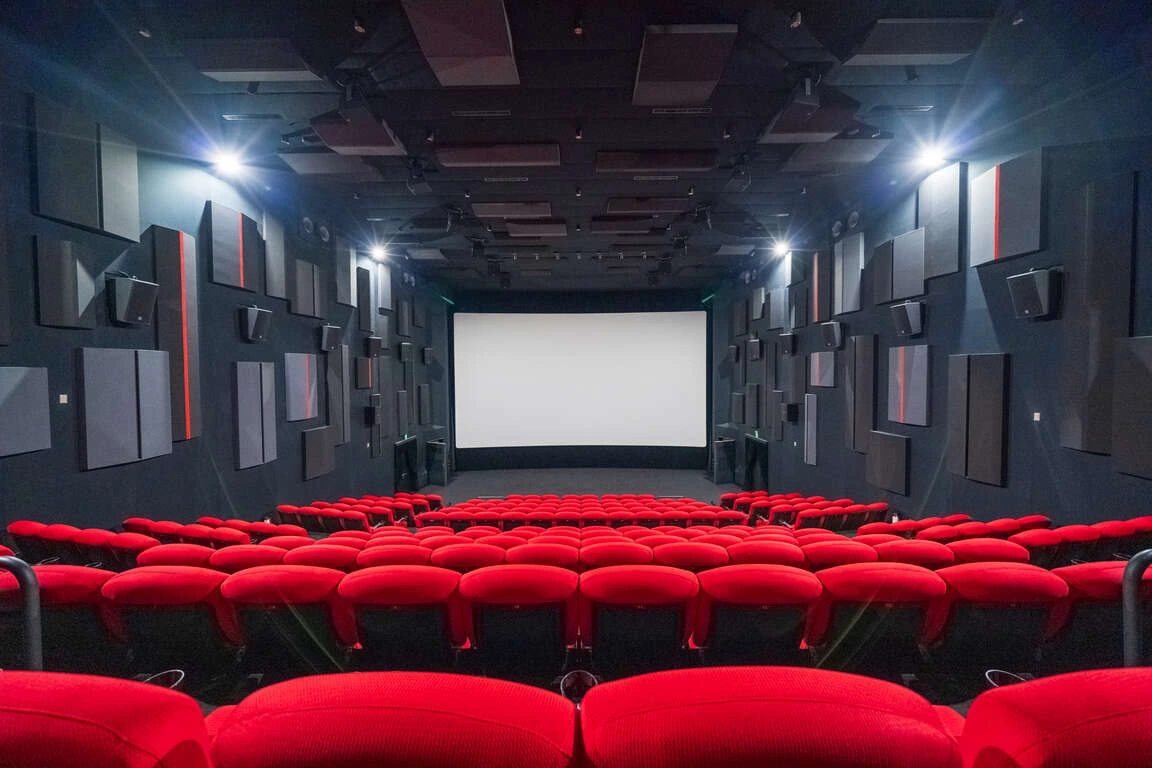
The November 2025 discussion is a past event at Xinyi Vieshow. A present-day extension is to choose an announced film or talk at Taiwan Film and Audiovisual Institute in Xinzhuang. Its Big Cinema’s sound environment was supervised by Taiwanese sound designer Tu Duu-chih. The empty auditorium pictured here belongs to that institute: a different venue where a visitor can pay attention to how voices, off-screen sound and silence reach an audience.
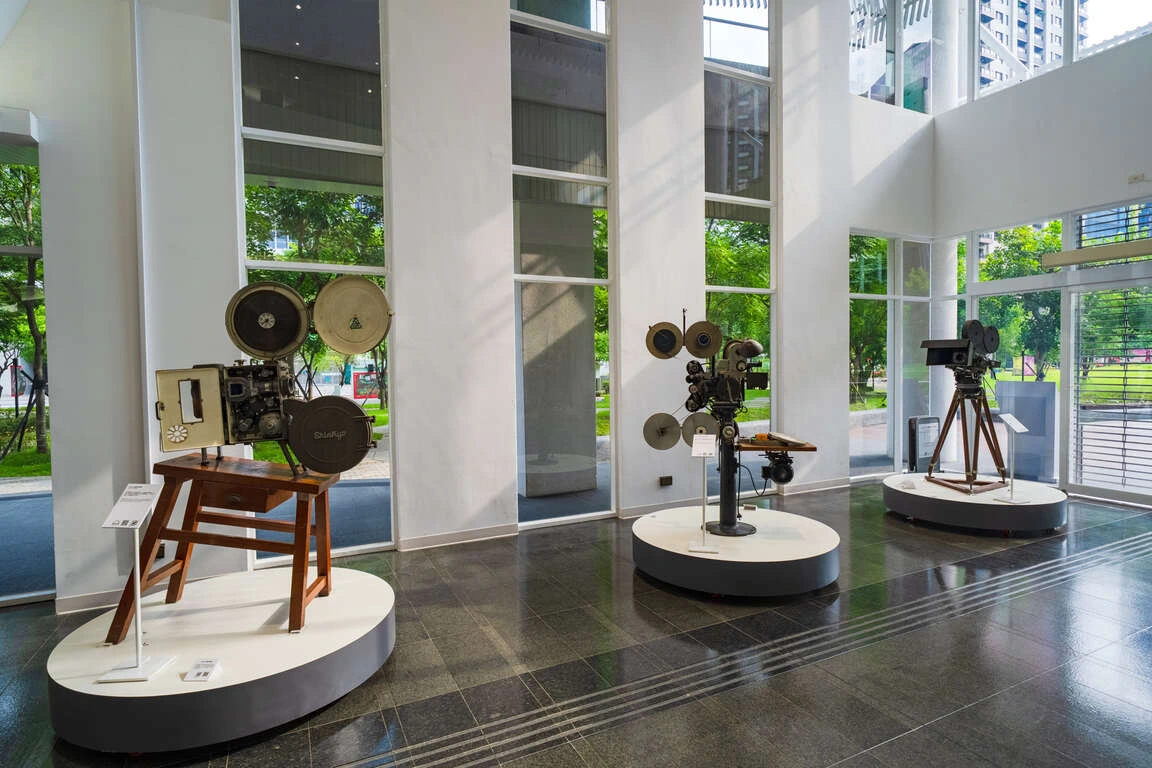
Before entering a screening, spend some time in the public display areas, where the institute introduces film-making equipment and related materials. The venue record’s equipment-model photograph offers one view of those displays; current selections can change. After the film, keep one question from it long enough to discuss it with a companion. This continues the students’ example: bringing a life to the conversation and allowing the film to keep doing work after the audience has left the room.