A small market, and the people who choose a film
For Anthony Chen, Singapore cinema’s growth involves its audiences as well as its filmmakers. Speaking in 2023, he described the work behind directing and producing: assembling a team, finding finance and persuading people that a film deserves support. Festival recognition could not answer all of those questions. He wanted local viewers to give home-grown work the attention that would allow the next film to be made.
He also wanted room to tell stories beyond Singapore. International collaboration offered a way to work at a different scale, while leaving familiar surroundings tested his judgement. Drift brought him into a European production and a story centred on two women meeting on a Greek island. The decision expanded the circle of people making the film. One of its continuing connections was his work with the Taiwanese editor Hoping Chen.
The Taiwanese writer who went back to learn editing
Hoping Chen had already worked in Taiwan as a screenwriter, documentary filmmaker and television producer. Cutting her own documentaries gave her a first encounter with editing; work on television drama made her feel that she needed to study the craft more thoroughly. She went to Britain’s National Film and Television School. After years of telling stories, she was learning another part of the process: how filmed material becomes a story.
In 2008, she edited Anthony Chen’s first-year short at the school, Hotel 66. Both spoke Mandarin, and their interests met in the Taiwanese cinema of the 1980s and 1990s. She had worked in that filmmaking world, with filmmakers including Edward Yang; he loved its films. Their collaboration grew from a student production into feature filmmaking, with a shared cinematic interest alongside the work of getting each new film finished.
Greece on set, London in the edit
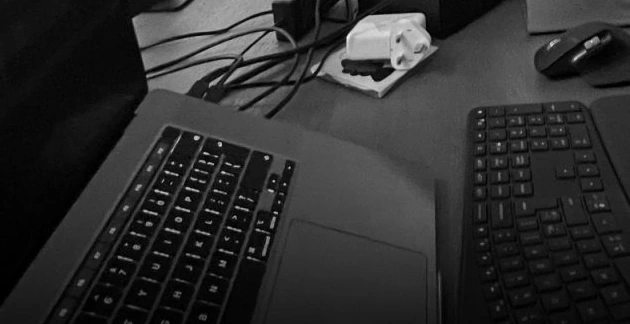
The film was shot in Greece, with Hoping in London and assistants in Helsinki and Paris. They used Avid Media Composer throughout the remote edit, which began during filming. An assembly editor and assistant helped her keep some distance from the set.
A long working relationship still left space for a different first cut. Hoping described how Anthony let her assemble her own version before they watched and discussed it. A director’s preferred take might change if another served the scene better. She brought her own judgement to the material; he remained willing to be surprised. The editing room became a place where two readings of the same footage could be tested.
Finding what to tell, and what to leave in the images
With an initial cut in place, the team used scene cards to review the structure. They moved and removed scenes, building sound alongside the picture. Each change concerned how viewers would gradually understand Jacqueline.
The bathtub scene needed more work. Extra dialogue explained Jacqueline’s past, but Hoping wanted words and violent memories to converge without revealing everything. After repeated team viewings, fresh eyes in the final week—including editor Chris Donaldson—helped them rethink it. They completed the cut.
Bring that attention to a cinema in Taiwan
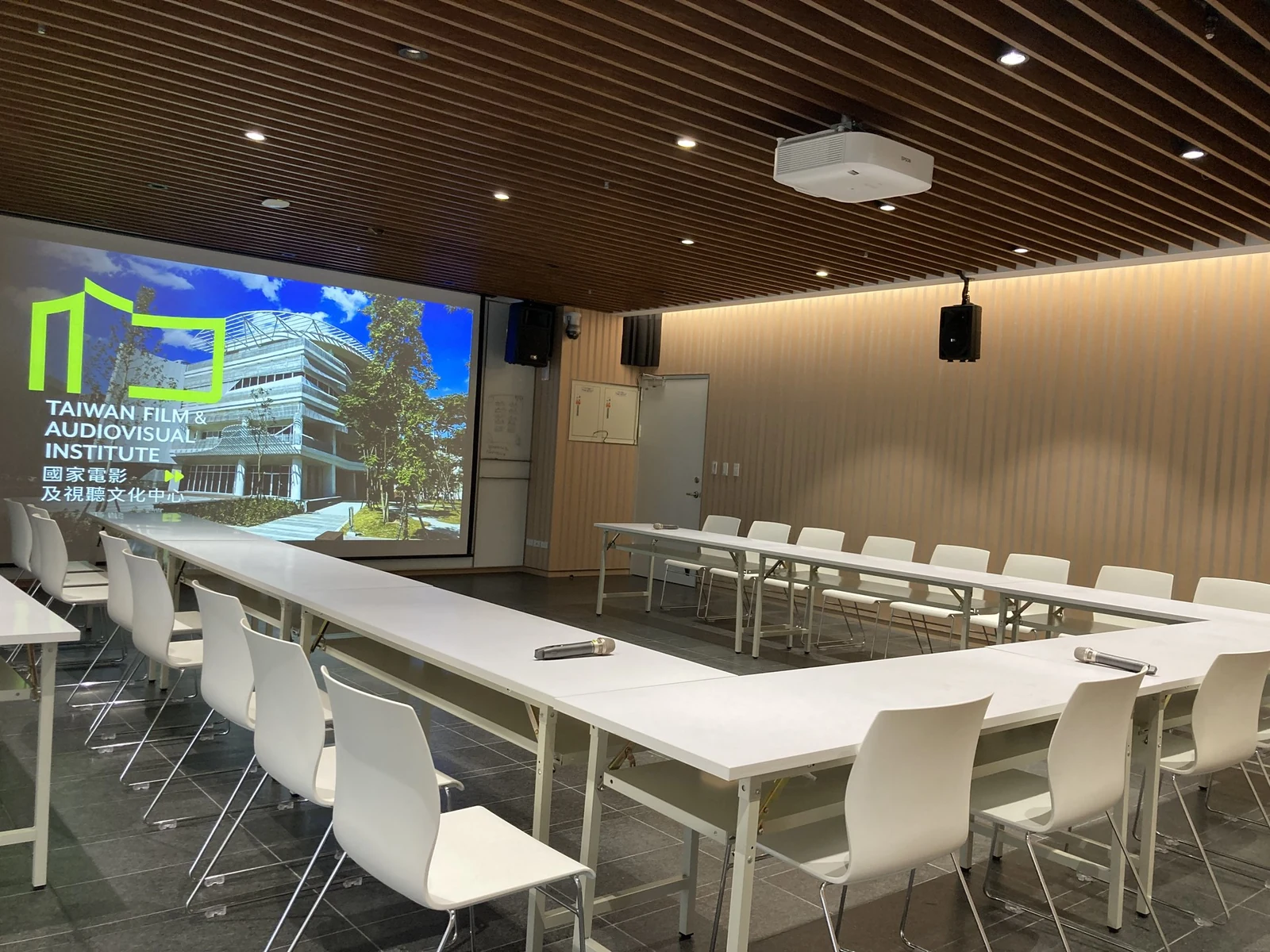
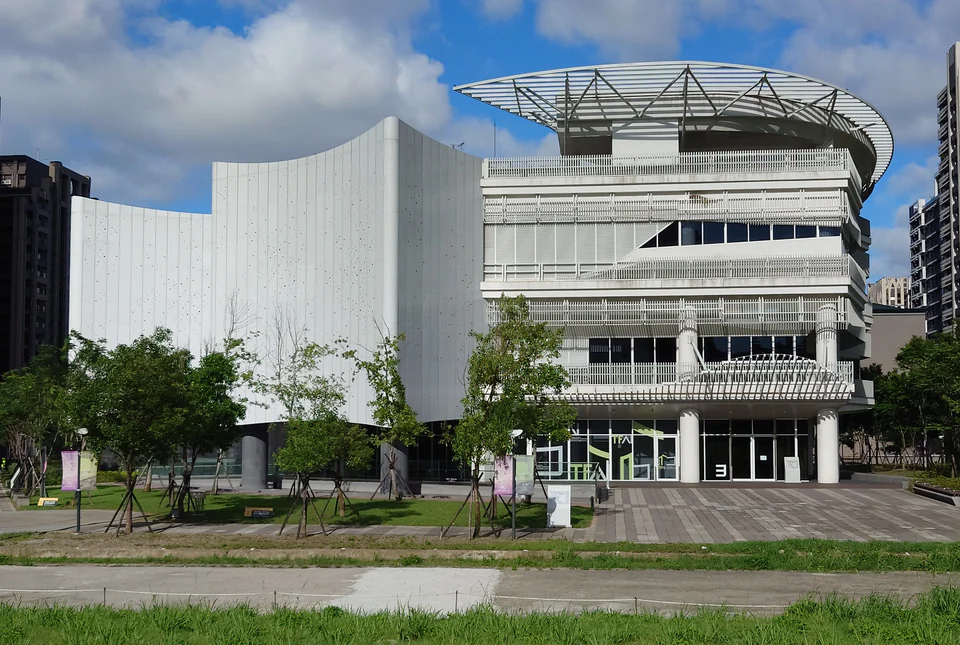
Drift premiered at Sundance in 2023 and appeared in the Golden Horse Film Festival programme that year. Its credits carried a collaboration connecting a Singaporean director and a Taiwanese editor working abroad. On a visit to Taiwan, the Taiwan Film and Audiovisual Institute in Xinzhuang offers a public place to continue looking at film as work: exhibition spaces, archival culture, screenings and a room for talks and workshops share one building.
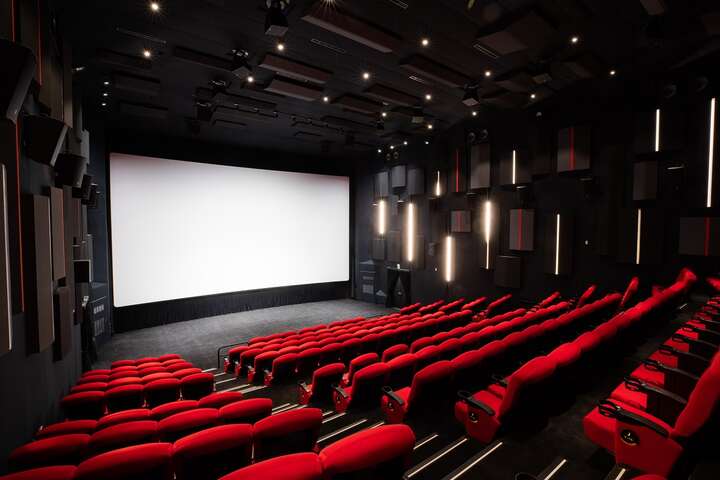
Begin with the first-floor displays, then choose a screening from the current programme. Cinema A combines 35mm and digital projection with a sound space supervised by Tu Duu-chih. During the film, notice when a voice begins, when an image stays and when a cut changes what you understand. Let the end credits run. Editing and sound are names attached to decisions you have just experienced.