A festival performance with work around it
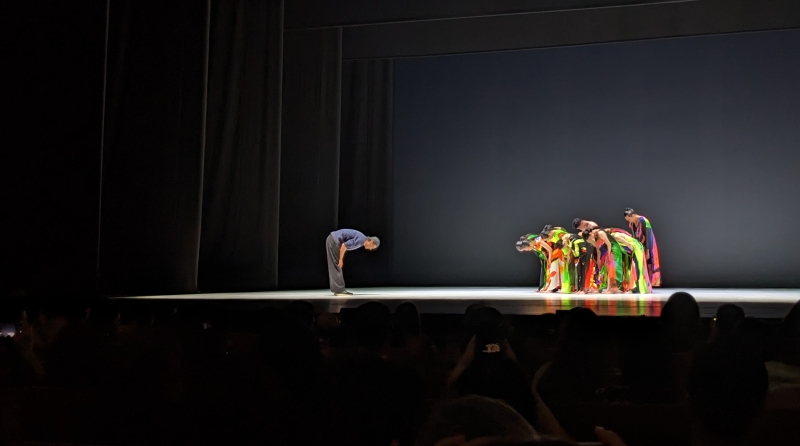
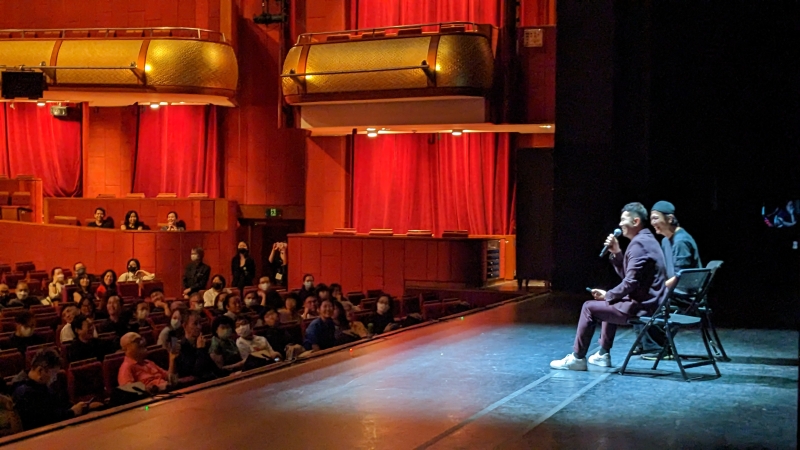
On 3 and 4 February 2023, Cloud Gate performed 13 Tongues at Esplanade Theatre during Singapore’s Huayi festival. A local review records the dates and the ensemble’s performance. Cloud Gate’s report to Taiwan’s National Culture and Arts Foundation adds what happened around the stage: two ticketed performances, a post-show discussion with Cheng Tsung-lung, a dancers’ masterclass and a talk for secondary-school students.
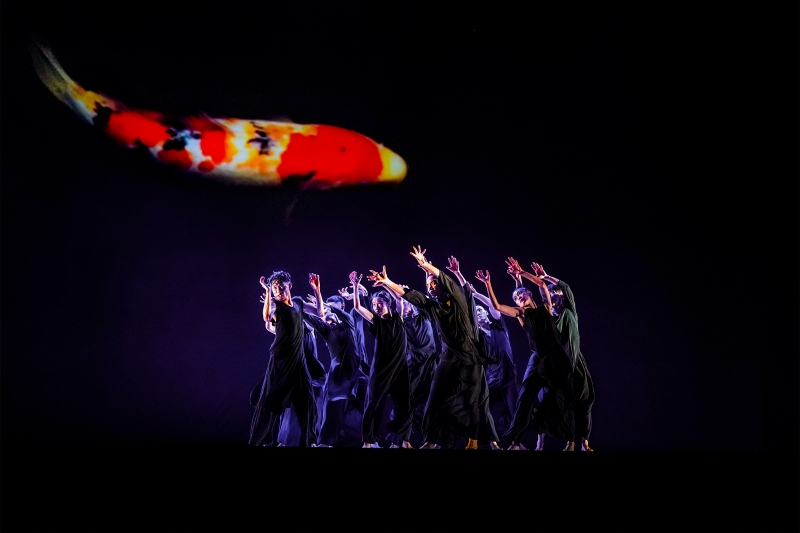
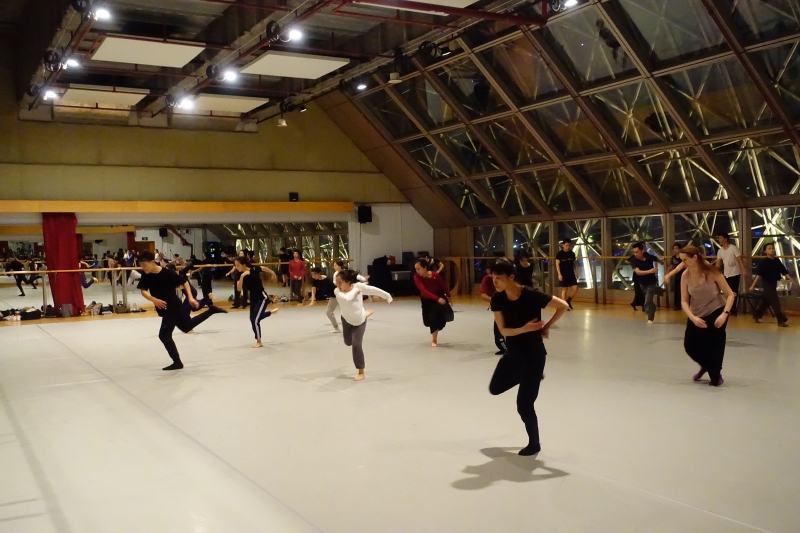
The report’s photographs identify executive director Hung Chia-chi speaking to students and dancers guiding masterclass participants through movement. These details make the exchange concrete. The travelling production brought people who could explain how it was made, and people in Singapore could ask questions or try its movement practices. The work continued on either side of the performance itself.
Bangka entered through a family’s livelihood
The local review begins with Cheng helping his father sell slippers in Bangka, the historic district of Taipei now generally called Wanhua. It also recalls the street storyteller known as Thirteen Tongues whom Cheng heard about from his mother. The dance takes its name from that figure, while its material reaches towards the neighbourhood’s many people and ways of moving.
In a Taiwanese interview, Cheng said that working with factories and selling slippers had shaped how he dealt with collaborators. He preferred to leave room for different people’s strengths. That account gives the childhood detail a consequence beyond nostalgia: a livelihood became part of the way he organised creative work with others.
A neighbourhood needed more than one maker
A Cloud Gate release describes Cheng and musician Lim Giong bringing ritual specialists into the theatre and collecting songs passed down by women in Manzhou, in southern Taiwan. Designer Ho Chia-hsing visited Bangka repeatedly to develop its colour concepts. Sound, light, projections and clothing then required other makers, including Tsai Po-chang, Ethan Wang, Shen Po-hung and Lin Bing-hao.
Those sources should keep their own locations. The songs collected in Manzhou are not described here as recordings of Bangka, and the stage is not a documentary reconstruction of one street. What links the materials is a production team making choices together. The Singapore critic describes folk and electronic sounds, projections and changing costumes as parts of the resulting performance.
Image information
Dancers had to find another vocabulary
Cheng’s interview explains a challenge in rehearsal: movements drawn from people beside a Bangka street did not necessarily resemble the polished body a dancer had been trained to present. He wanted performers to learn from different states and different people. The point was to enlarge their vocabulary, so that an everyday posture could become a deliberate choice on stage.
The work also changed over time. In the 2021 production release, Cheng described continuing to adjust it during the previous European tour as its dancers grew. That record helps explain what reached Singapore in 2023: a work first performed in 2016, repeatedly practised and revised by people, rather than a fixed memory packed for export.
Continue at the company’s home in Tamsui
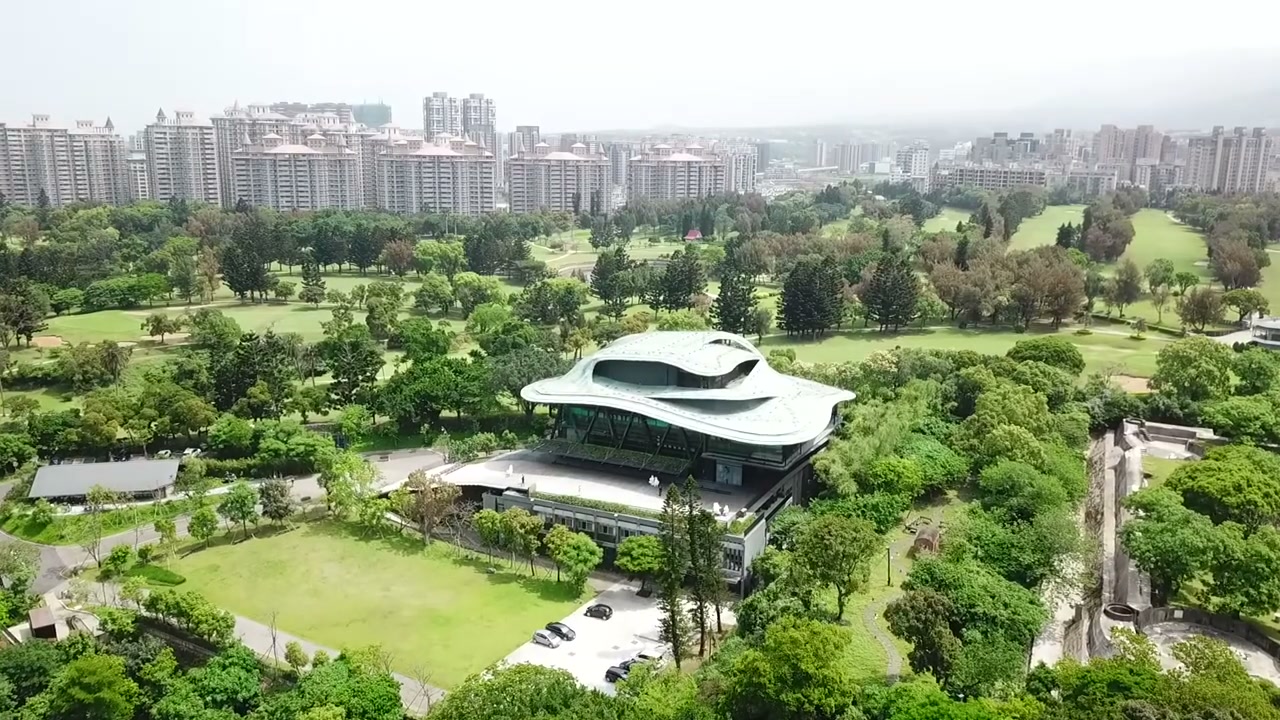
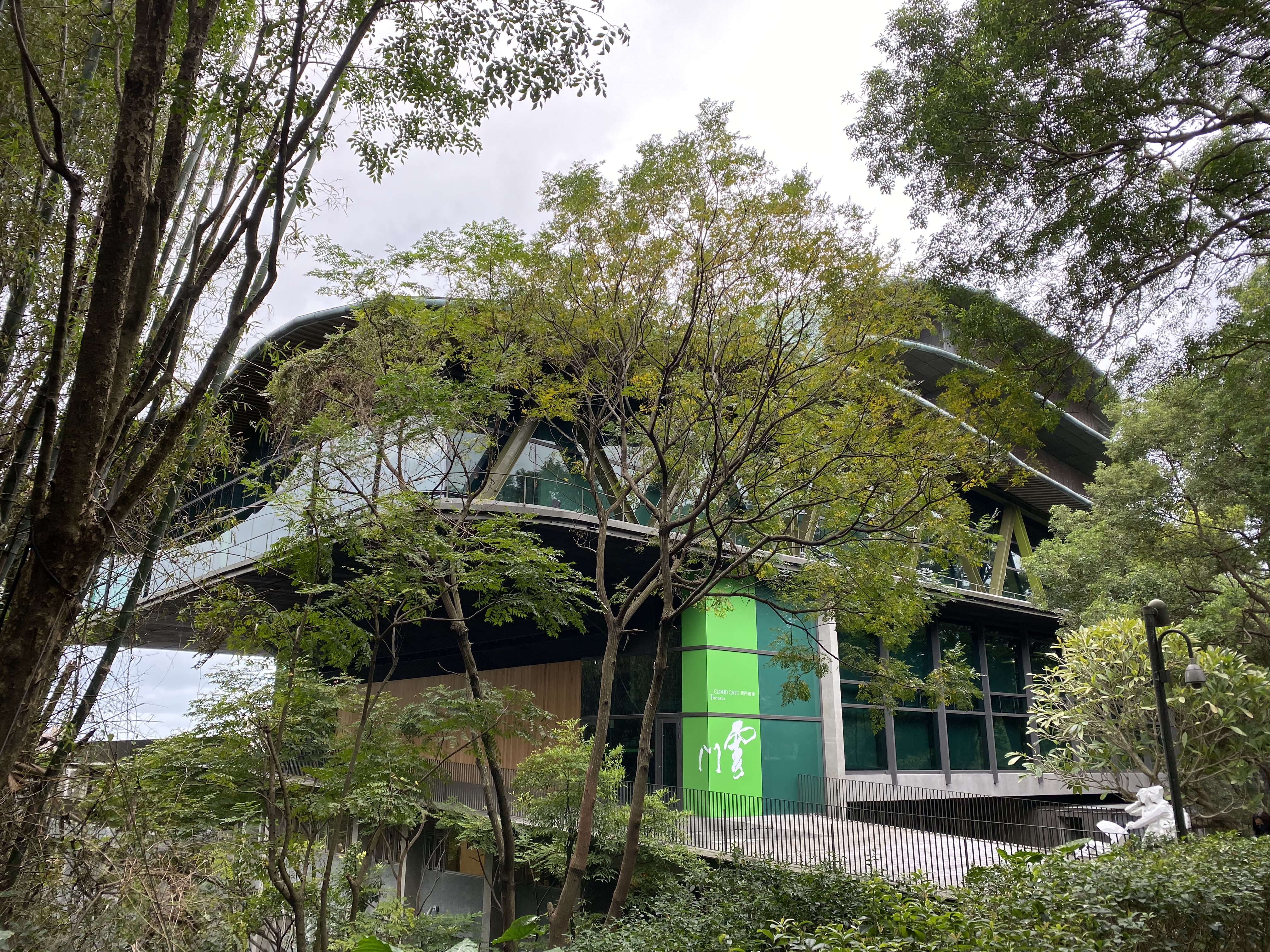
In Taiwan, Cloud Gate Theater in Tamsui offers a place to continue the story. The 2021 record lists performances of 13 Tongues there, while the company works on the site. Its public-space rules distinguish the outdoor grounds from the interior workplaces: visitors can usually use the grounds, but entry to buildings depends on performances, exhibitions or other arranged activities.
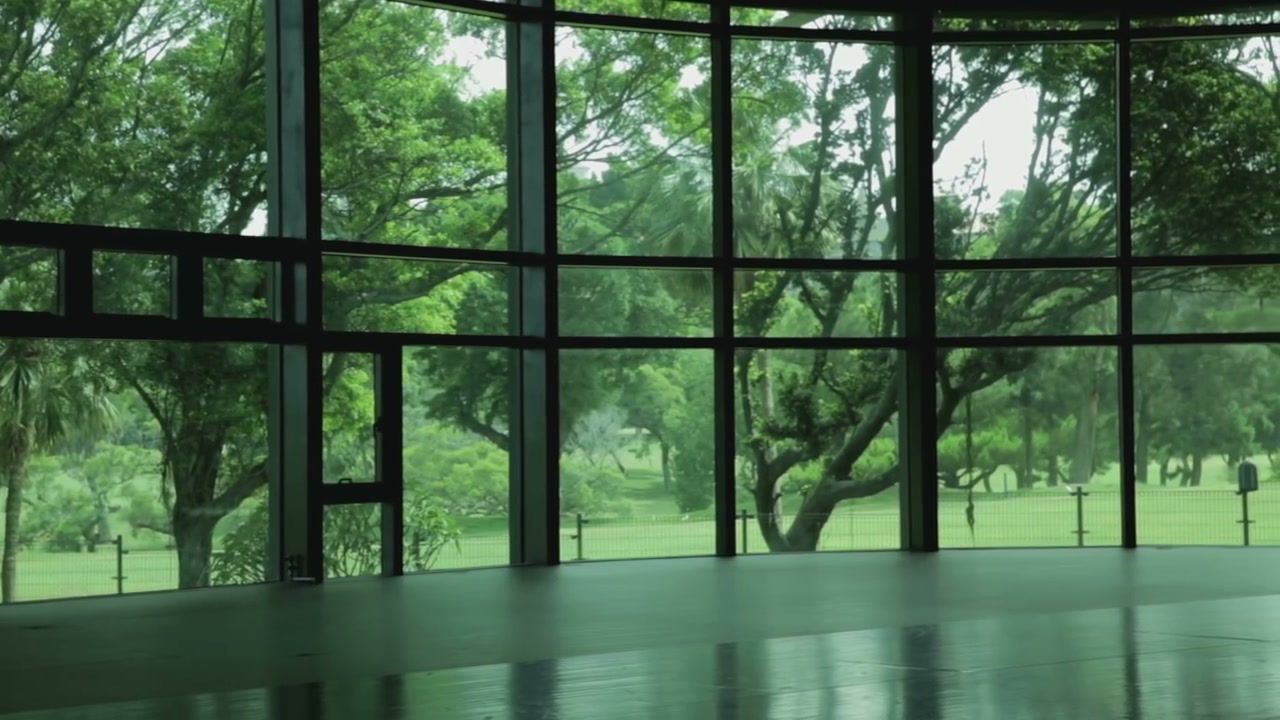
Start outside, and choose a current programme separately if you wish to see a performance. Neither a walk nor a theatre photograph recreates the 2023 Huayi event. What a visit can connect is more tangible: the people whose work travelled to Singapore still need places to rehearse, prepare and meet audiences. The next encounter begins with noticing that continuing labour.