
A reading in Seoul, then a new Korean edition
On 18 June 2025, Wu Ming-yi addressed readers at the Taiwan pavilion of the Seoul International Book Fair. He read a passage from The Man with the Compound Eyes and introduced the shopping complex behind The Magician on the Skywalk through photographs. The buildings had disappeared, but the images gave his listeners something concrete to place beside the stories: a city where families worked, children grew up and memories outlasted their surroundings.
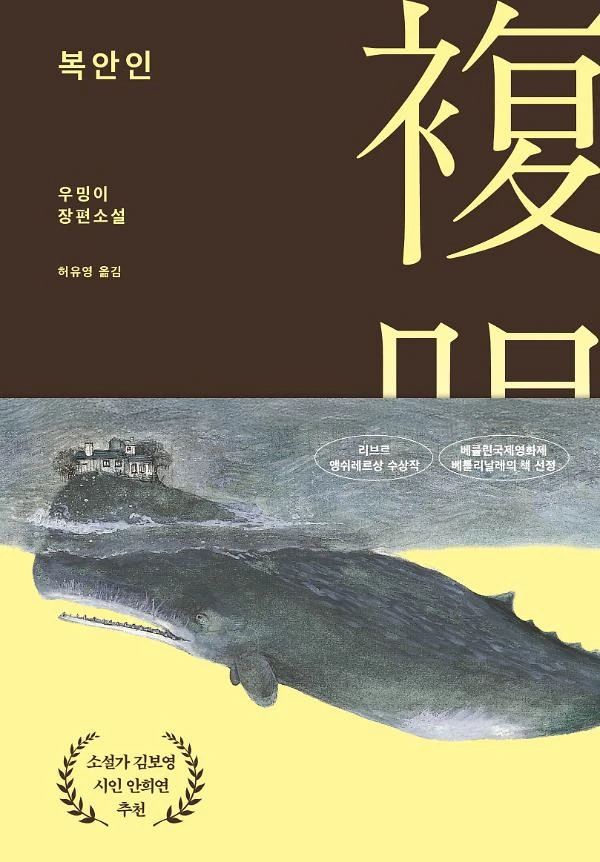
The Korean edition, 복안인, was published on 25 September by Bichae, an imprint of Gimmyoung, in Heo Yu-yeong’s translation. The June reading and the September release were different stages of the encounter. First, an author spoke across the room; later, readers could turn the pages at their own pace. A translated book gives that brief meeting a life beyond the fair.
The bicycles were research before they became a collection
During a Seoul interview on the same visit, Wu showed photographs of the bicycles he had collected. He explained that he first sought them out for The Stolen Bicycle; studying them later became an interest of its own. The objects were a way into histories he had not lived through. A bicycle could make an abstract period tangible through its manufacture, use and survival in an ordinary household.
He also described the Taiwanese, Indigenous, Mandarin and Japanese languages that enter his writing, making translation a matter of more than changing words. The exchange ran in both directions. In Taiwan, his world-literature classes had already included works by Han Kang and Cho Nam-joo. Korean readers were discovering a Taiwanese writer who was, in turn, reading their literature with students at home.
A shoe-shop family, and a photograph in a drawer
Wu grew up as the youngest child in a family selling shoes at Taipei’s Zhonghua shopping complex. Later, a photograph found among his father’s belongings showed the older man as a boy who had gone to Japan to make military aircraft. Family history opened onto a larger wartime history, and the discovery helped lead to Routes in the Dream. Writing began with something held inside a household, rather than with a ready-made account of the nation.
Making time for the novel was another problem. In 2006, the young university teacher tendered his resignation because preparing classes left too little space for writing. Colleagues persuaded him to stay, and research leave gave him time to continue. Behind the books travelling overseas lay a practical choice: how to keep teaching while making room for work whose outcome was still uncertain.
Nature became a question for fiction
Butterflies and waterside observation had entered Wu’s nonfiction before his novels travelled abroad. He later explained a need to move beyond the habits of documentary nature writing: fiction could explore people’s inner lives and their changing relations with other species. A 2009 report about a vast Pacific plastic vortex helped prompt The Man with the Compound Eyes. An environmental event became a problem that called for a different form of storytelling.
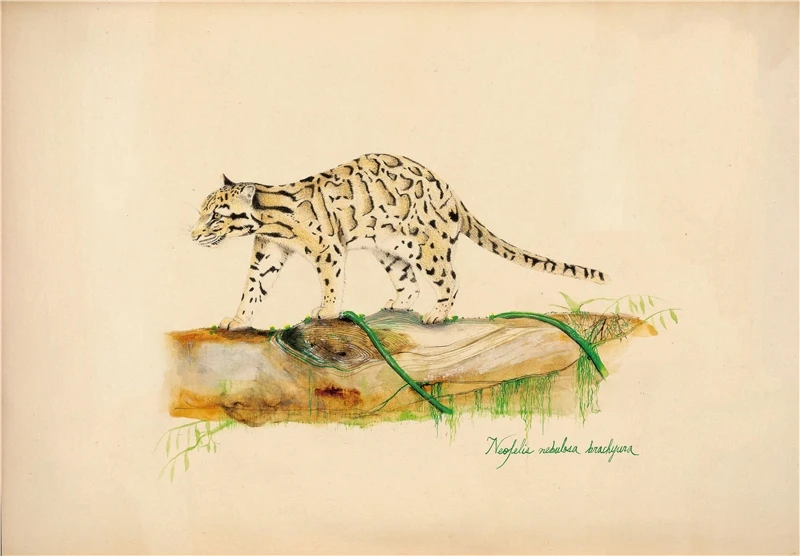
Writing also moved into images. At the 2018 Taipei Biennial, excerpts from six stories in Land of Hard Rain appeared with Wu’s own coloured-pencil illustrations. The Clouds Are Two Thousand Meters Up shows a clouded leopard balanced on a branch. The drawing belongs to that later collection, while the Korean Compound Eyes carries the earlier novel onward. Together they reveal a working practice that crosses observation, imagination and the patient act of putting a life into words or lines.
Continue the reading in Tainan
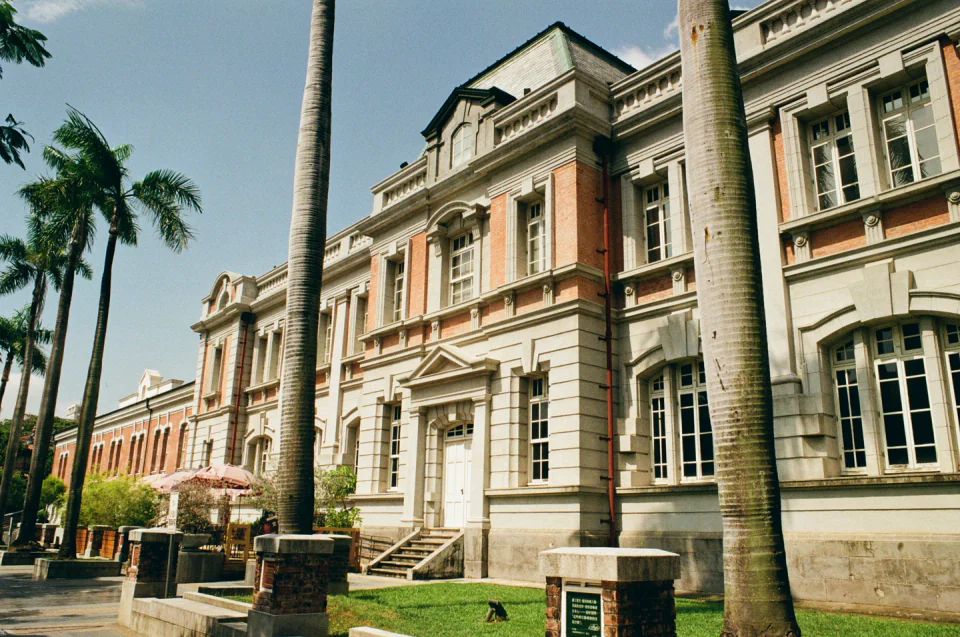
The National Museum of Taiwan Literature helped build the Seoul book-fair encounter. Its selected books carried introductions in Chinese, English and Korean, while the programme brought writers and translators into conversation. In Tainan, the museum provides a public place to continue that reading. Its permanent exhibition, Literary Power: Writing Our Taiwan, places authors and languages within changing social conditions, offering a wider setting for the individual life encountered in Wu’s work.
Look for the kinds of materials an exhibition uses to tell a life: a manuscript, an edition, a recording or an account of publication. Notice who speaks and what survives translation. Then consult the reading-room catalogue for a work you would like to spend more time with. The visit can end with a page, rather than a photograph: a passage that makes a street, a household or another living creature newly worth noticing.