
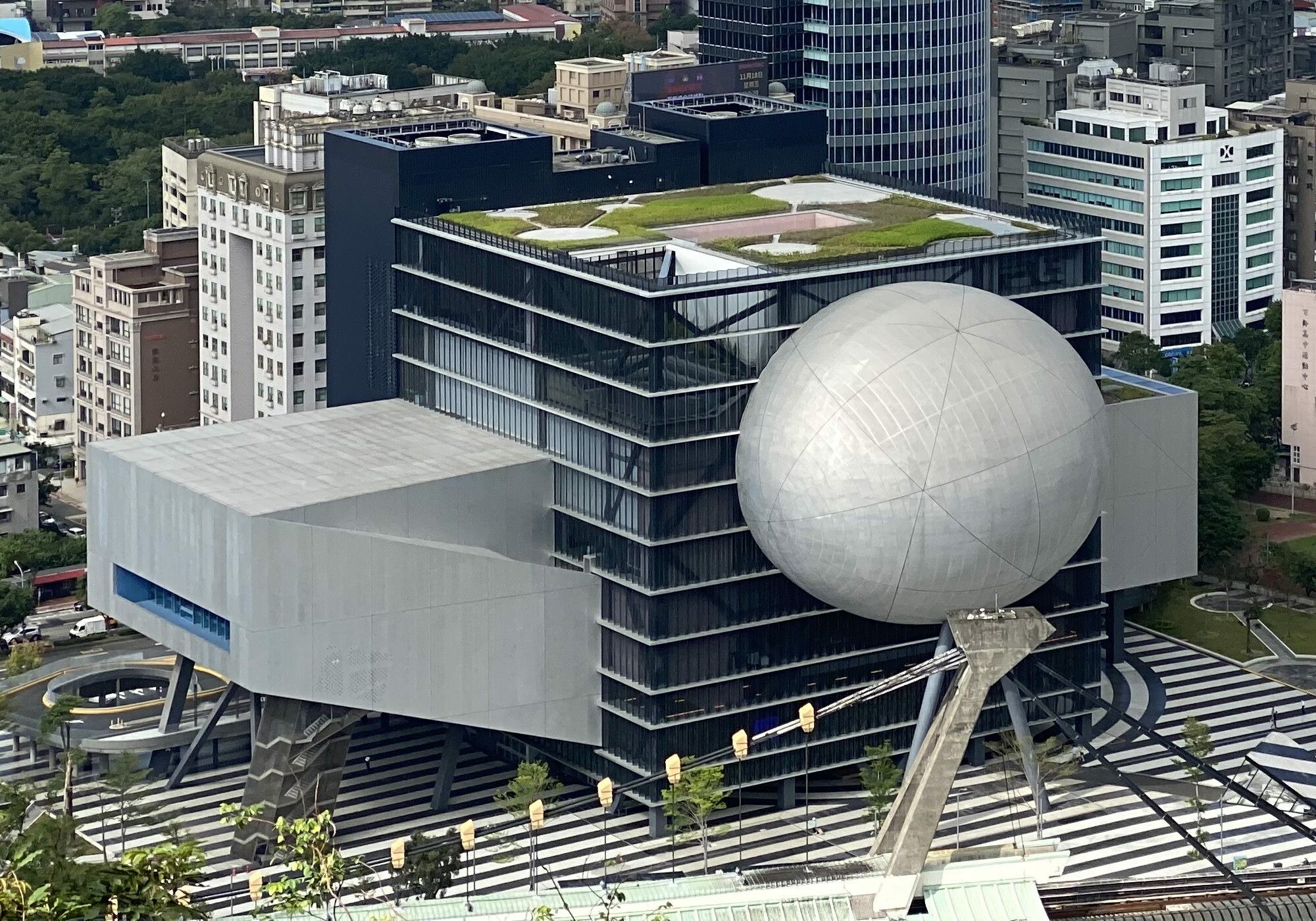
A father’s plan does not decide a son’s life
The Korean synopsis introduces Huang Chi-ken, who came to Taiwan with the Nationalist retreat and planted a mango tree for his eldest son. The son does not live as his father expects. Long Live the Mango Tree turns Taiwan’s postwar migration and military dependents’ village life into relationships that actors in another language can argue through.
These are fictional characters, not a recovered history of the family who owned the Taipei garden. That distinction matters. The work offers one constructed family through which to approach Taiwan’s history; it does not ask that every displaced household, parent or child be treated as the same story.
Lin Kuan-ting chose to stay with the characters
In 2023, Lin Kuan-ting joined Believe in Next Generation’s artist residency. The host’s account describes a month and a half working around University Cafe and its mango tree. Instead of treating the site as a brief backdrop, he developed a play there, which was subsequently revised through readings and staged performances.
In a 2025 interview with the host, Lin explained that his task was to find the difficulty of each person. The father’s wish to control the tree and the son becomes a way of writing about the limits of controlling time. His choice was to give conflicting characters their own problems, rather than supply a single family lesson.
A new provincial company chose a Taiwanese script
Chungbuk Theatre Company, established in 2024, worked with Taiwan’s Prologue Center for New Plays. Seoul Arts Center’s own record says the two Taiwanese texts were read in March 2025 before coming to the RE:BOUND Festival in Seoul on 15–16 November. Here the overseas event has a traceable route, not just an announced intention to exchange.
Believe in Next Generation’s December account records the Korean interpretation after the Seoul engagement. The Taiwanese playwright’s family relationships had become working material for Korean actors. A play developed around one Taipei household space could now be rehearsed elsewhere: the tree stayed in Songshan, while the voices carrying its story changed.
Translation creates another job for the writer
The work appeared again in the 2026 Taiwan International Play Reading Festival programme. The published credits name Kim Nak-hyung as director, Lin Mei-chou as script translator, and Lin Kuan-ting himself as the English surtitles translator. The writer did not disappear once the script left his desk: another audience required another layer of language work.
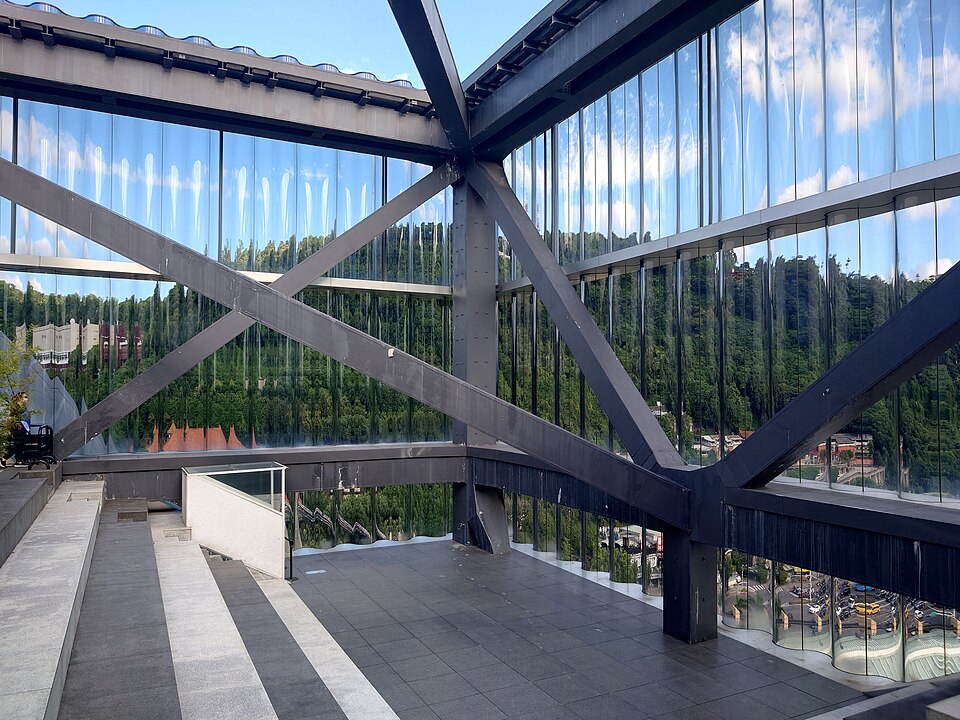
That programme belongs to a past festival, not a current booking promise. Its Taiwan host, Taipei Performing Arts Center, offers a public route around the building today. Visiting that route means seeing the spaces that support performance, not walking into the fictional Huang home or claiming entry to the original Songshan garden.
Listen for what survives the journey
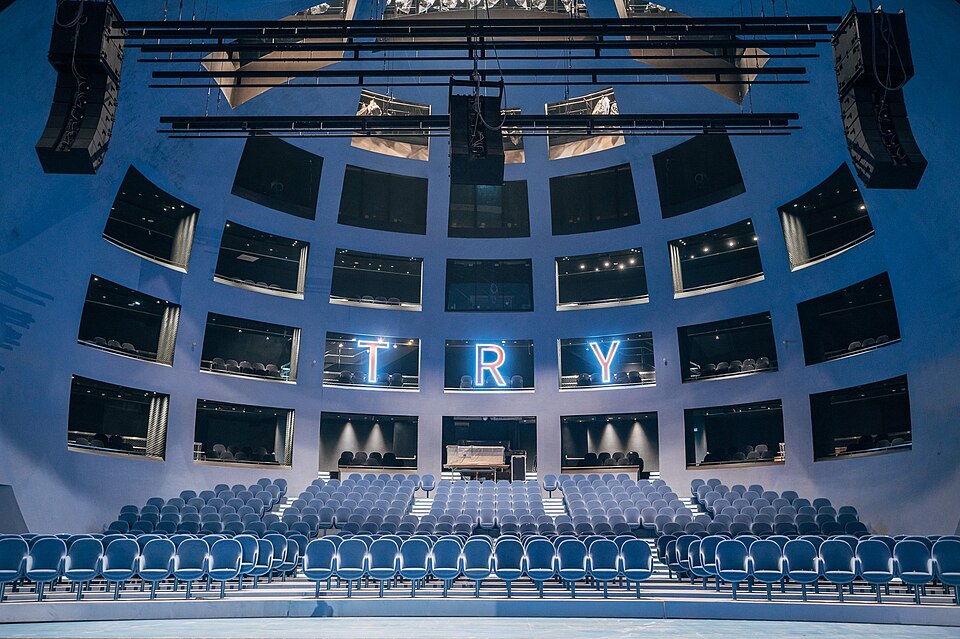
A reading leaves a useful question for the next performance you attend: when the language changes, how do a pause, a demand or a refusal carry a family relationship? This is an invitation to notice the actors’ work, not a claim to have heard the Korean performance ourselves.
The tree’s route joins a residency, repeated revisions, a translator and a provincial theatre’s programme. Each step made room for someone else to read. That is the Taiwan connection worth following in Seoul: not a tropical fruit as a national symbol, but a piece of writing that people kept making available to new voices.


