
A Korean book with an older date on its cover
Korea’s official publishing database dates Matisseblue’s print edition of 1938 Taiwan Travelogue to 25 November 2025. It names Yang Shuang-zi as author and Kim I-sak, known in Chinese as 金依莎, as translator. Its introduction describes two women travelling in Taiwan under Japanese colonial rule. The date in the title belongs to fiction; the work of introducing it to Korean readers belongs to the present.
The publisher credits Kim with proposing and translating the book. That distinction matters: translation began before there was a manuscript to deliver. In an interview in Seoul, Kim recalled discovering Yang through exchanges in Taiwan and recommending the novel to publishers. A setting under Japanese rule made some publishers cautious; finding a home for the project took repeated introductions.
A translator asking how readers would hear a word
Kim was already a fiction writer. Speaking at Taiwan Literature Base, she described decisions that could not be settled by a dictionary alone: how to render place names, how to name unfamiliar foods, and how to preserve the viewpoint of a Japanese visitor who does not know what she is seeing. One test was whether someone listening to an audiobook would still understand the sentence.
The Taiwanese author took part in that work. Kim told CNA that Yang supplied a list identifying words as Hakka or Taiwanese, helping her choose their Korean forms. Each food name carried a language as well as an ingredient. A natural reading experience was the aim, but it depended on close attention to differences that could easily disappear in translation.
A concrete example is muâ-ínn (麻薏), tender jute leaves used in soup. In The Reporter's interview, Kim explained that she discussed such local food names with Yang and retained Taiwanese or Hakka pronunciation where it carried local memory. She checked the audiobook before making the sounds readable in Korean. Taichung's district account describes rubbing and rinsing the leaves to remove bitterness: a name in a novel also points towards work in a kitchen.
What travelled beyond the food
In May 2026, an academic forum at Hanyang University in Seoul brought Yang, translators and researchers together. The report records discussions of how the Taiwanese interpreter Wang Chizuru shapes what the Japanese novelist Aoyama Chizuko can know. Their unequal positions do not disappear because they travel or eat together. For an overseas reader, the invitation to enjoy food gradually becomes a question about who is allowed to explain a place.
Yang described romance and daily activity as ways of drawing readers towards difficult history. The Korean publisher’s own introduction similarly places colonial status, employment and family expectations around the women. These are accounts of a novel, not proof that its characters or meals were real historical people and events. Their importance lies in the questions readers can carry into their own reading.
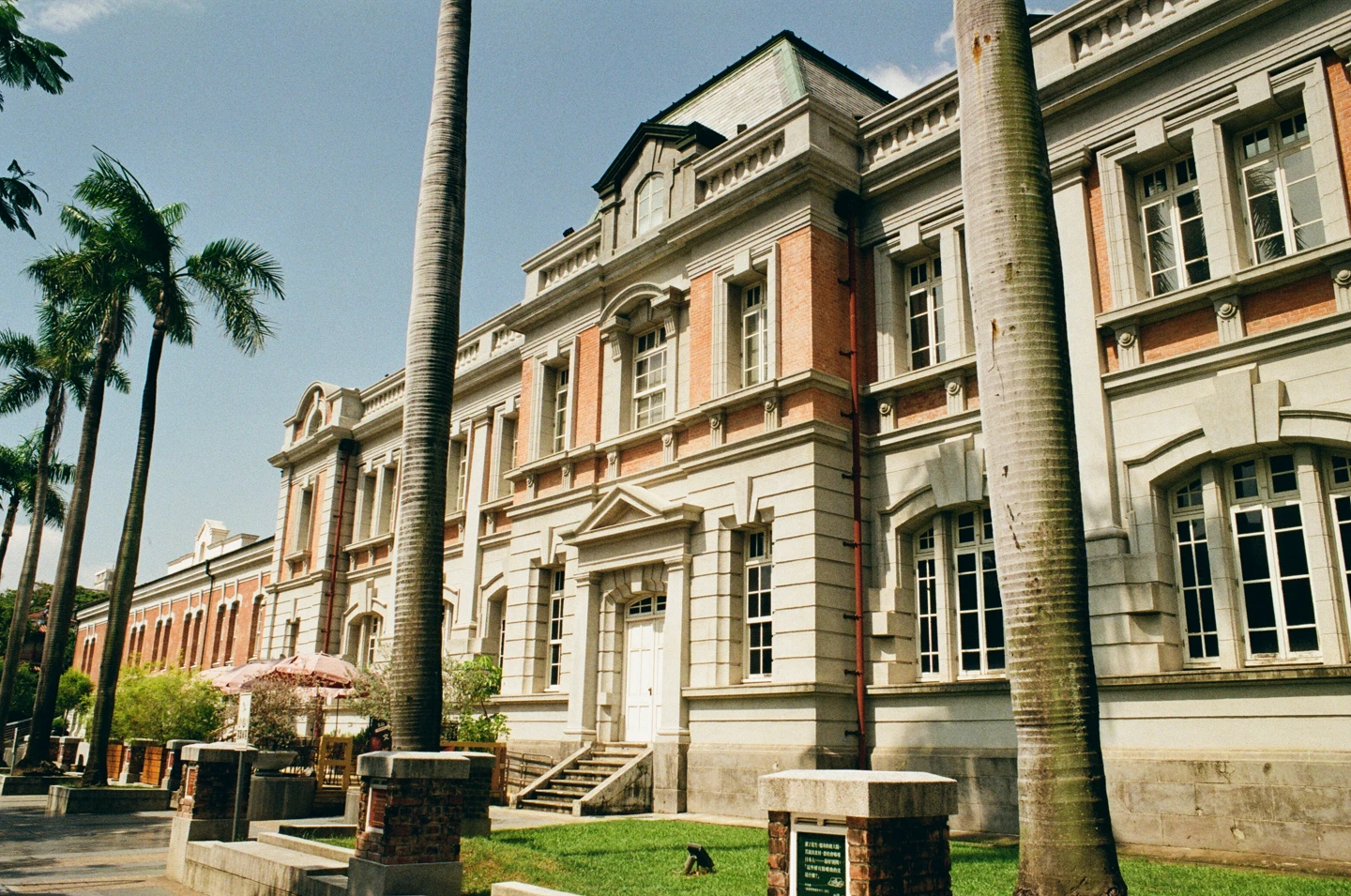
The conversation also came to Tainan
The exchange was not confined to a Korean bookshop. The National Museum of Taiwan Literature scheduled a discussion for 3 January 2026 in Tainan, with Yang, Korean writer Seo Jang-won and Kim. Its notice says demand led to a move to the museum’s lecture hall. The announced focus included how Korean readers understand Taiwanese queer writing, history and society. The notice establishes the programme and its intended questions, rather than recording everything the speakers actually said.
Kim’s later interview adds a continuing form of work: introducing writers to one another over meals and arranging exchanges. She also acknowledges earlier translators, including Hsu Yu-ying, whose work made further contacts possible. A translated book emerges from this practical chain of recommendations, explanations and meetings. The connection is sustained by people who keep making time for the next conversation.
Bring a reading question into the museum
For a visit in Taiwan, the museum in Tainan is the direct point of connection: it was the announced venue for that January discussion. The past event should remain a dated event. Today’s visit can instead begin with the museum’s current displays and programmes, asking how writers, editors and translators make different Taiwanese experiences available to readers.
Afterwards, return to the Korean title and choose a food name or place name to follow through the book. Kim’s choices and Yang’s explanations make it possible to notice the people behind an apparently simple word. Travelling from a familiar Korean reading shelf to Tainan then becomes a continuation of reading: paying attention to how a place is described, and to the people who help others understand it.