A sandwich found a new shopfront in Seoul
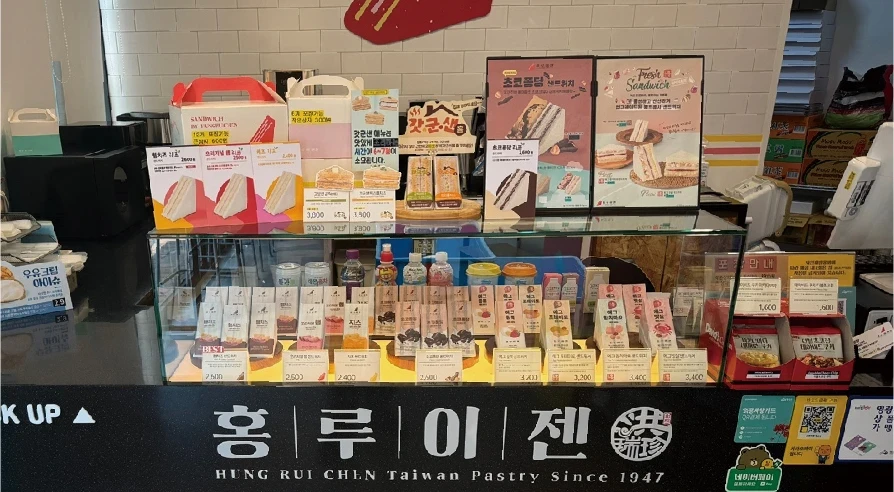
At a Hongruizhen display, individually wrapped sandwiches stand beside takeaway boxes. The Korean name 홍루이젠 sits over a food with a Taiwanese shop name, Hung Rui Chen. That combination began taking a new form in March 2018, when the Korean operator opened its first shop in Hongdae. The sandwich was entering a retail setting different from the Taiwanese bakery in which it had been made.
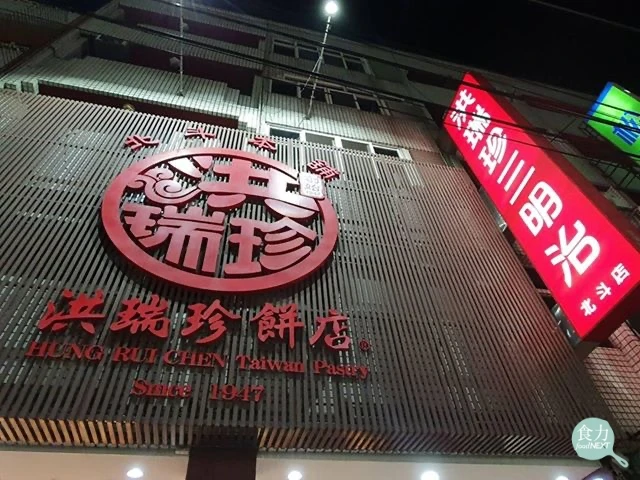
The Korean company Taiwei, headed by Song Won-seop, described its formal partnership with the Taiwanese business in an announcement that November. By 2020, Taiwan’s reporting showed a simpler logo, newly designed wrapping and carrying boxes. These were practical changes: a customer had to recognise the shop, choose a sandwich and take it away. For the Taiwanese owner, those decisions would become more than an overseas sales exercise.
The name belonged to a bakery and a family’s work
The original Hung Rui Chen bakery was founded by Hong Yishan in Beidou, Changhua, in 1947. His son Hong Junsheng grew up helping with the family’s pastry business and later took over. In his 2020 interview, he located his life as firmly as the business: the original shop was in Beidou, and he still lived there. The overseas story therefore leads back to a working town and a person who remained in it.
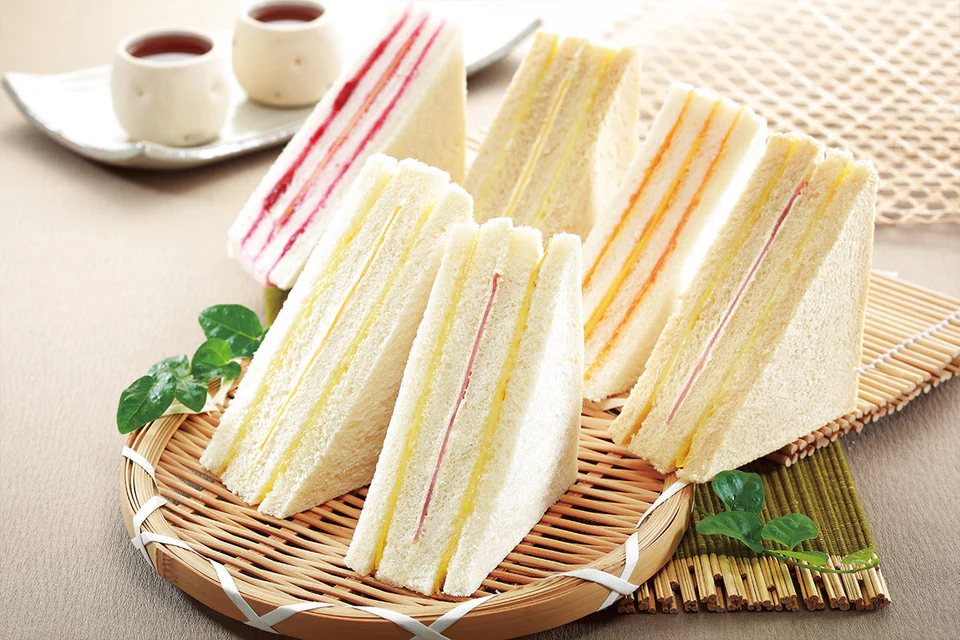
Hong described a sandwich whose apparent simplicity demanded careful choices: bread with softness and some chew, a fragrant egg layer and a balance of sweetness and acidity in the mayonnaise. The original shop’s account also explains how relatives opened and operated their own branches, preparing their own bread and spreads. A shared family name could contain different kitchens and tastes. This story follows Hong Junsheng’s Korean partnership and concept-store changes within that wider family history.
The owner brought the retail lesson home
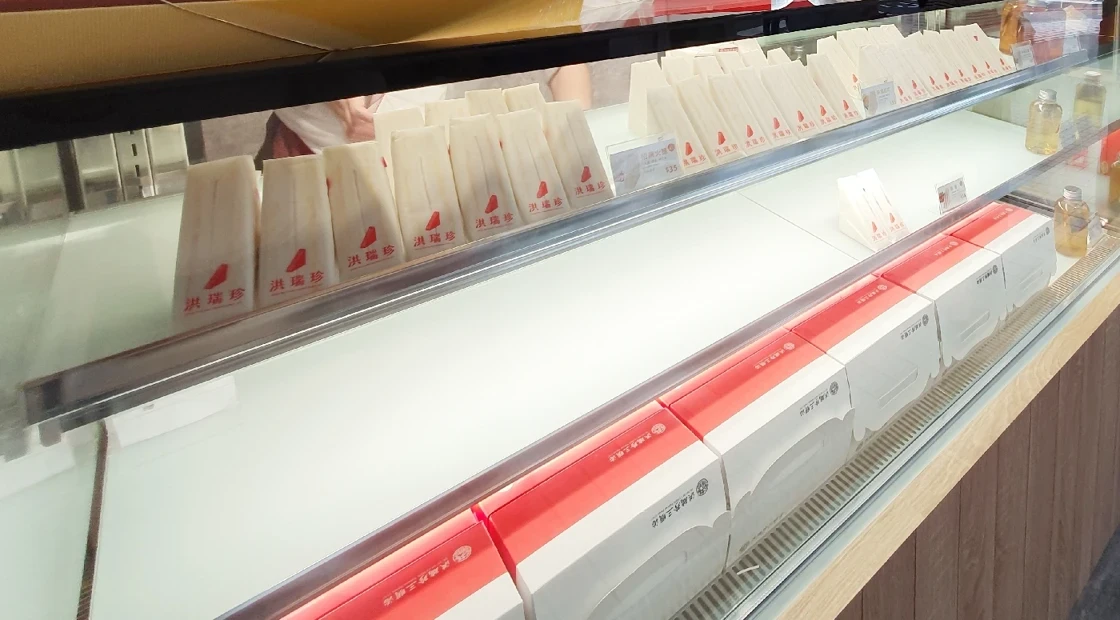
Hong Junsheng explained in 2020 that working with the Korean agent had taught him a great deal. He saw a direction for Taiwan in what the Korean shops had done. Taiwan’s new concept stores put sandwiches in refrigerated displays and added tea drinks. The return journey carried ideas about presentation and buying, as well as the familiar food that had first crossed the sea.
The concept also appeared in Eslite Life locations, including Songyan and Ximen. A pastry shop’s sandwich could now be encountered within a different kind of shopping trip. Look at the 2020 display photograph: individual packs, larger carrying boxes and drinks share the counter. The arrangement shows the work of making a longstanding product legible in a new setting, while giving the customer a way to combine and carry what they chose.
A new display needed work behind it
A refrigerated cabinet changed only one part of the sandwich’s journey. The 2020 interview described Hong beginning to organise central production and refrigerated delivery from 2019. He wanted the concept stores to demonstrate a change from the family bakery’s earlier pattern of making food behind the shop and selling it at room temperature. Maintaining texture and quality as production expanded required a different sequence of making, transporting and displaying.
In Korea, the first Hongdae shop was accompanied by a sandwich production facility at Samsong. The operator’s current shop-format catalogue offers staffed, unstaffed and partly staffed models. A recipe crossing the sea thus created work in the receiving place, and retail organisation continued to develop there. Hong’s return to Taiwan was one part of that ongoing exchange: he could learn from the selling system while deciding how his own business would change.
Return to Beidou and look at what the bakery sells
The original shop identifies its address as 198 Zhonghua Road in Beidou. Its catalogue keeps the signature ham sandwich alongside a broader bakery business, including peanut brittle, traditional pastries and wedding pastries. Begin with that range. The sandwich encountered in a Korean shop belongs here to a business shaped by several kinds of food and occasions for buying them.
When choosing a sandwich, look at the layers Hong described, then notice how the shop presents single portions and items to carry away. Ask about that day’s selection and follow the storage directions on the package. The Korean experience adds a useful question to the visit: how does an old bakery make its food fit a new way of buying? Hong’s answer took shape in packaging, drinks and refrigerated sales, while Beidou remains the place from which his account begins.