
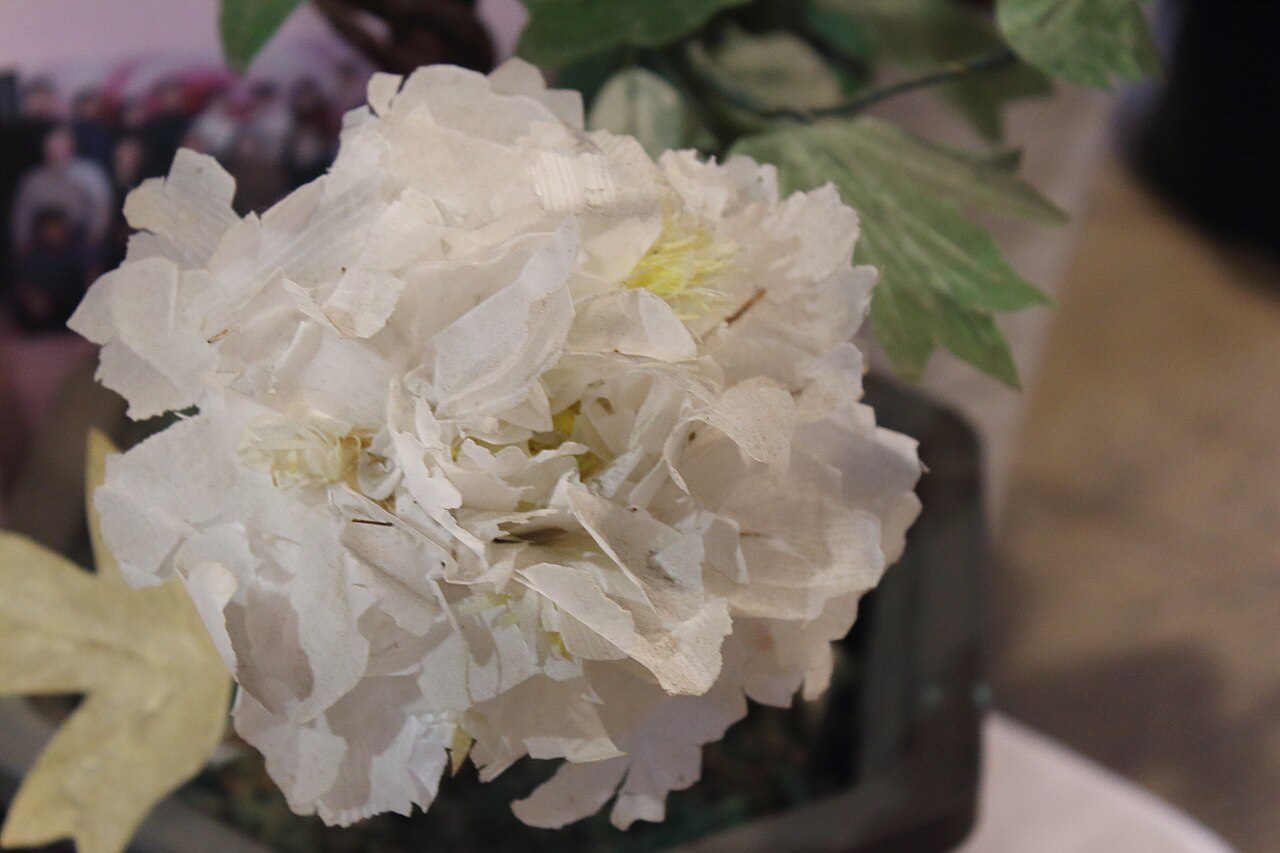
The flower was also a lesson
At Coex in Seoul’s Gangnam district, the 2024 Craft Trend Fair ran from 12 to 15 December. The fair’s concern with objects in everyday life met a very small Taiwanese example: Chen Chien-hua’s hands-on plum-blossom lesson. Participants worked with pith, the soft material inside the stems of the tongcao plant, rather than conventional paper pulp.
This was an exchange that could be carried through making. A petal gave a learner something specific to examine: how a light material could be shaped into a flower. The fair ended on 15 December; the lesson was part of that past event, not a standing class available at Coex today.
The designer had to become a learner
Chen had spent more than twenty years in industrial design before turning towards ecological design and greener materials. The resident-artist account at Bakuaicuo Folk Art Village records his study with Huang Te-ho and Lin Hsin-chih in 2012. Both had learned flower making from Pan Niu. Chen helped establish the Taiwan Pith Association in 2017, seeking others with whom to continue the work.
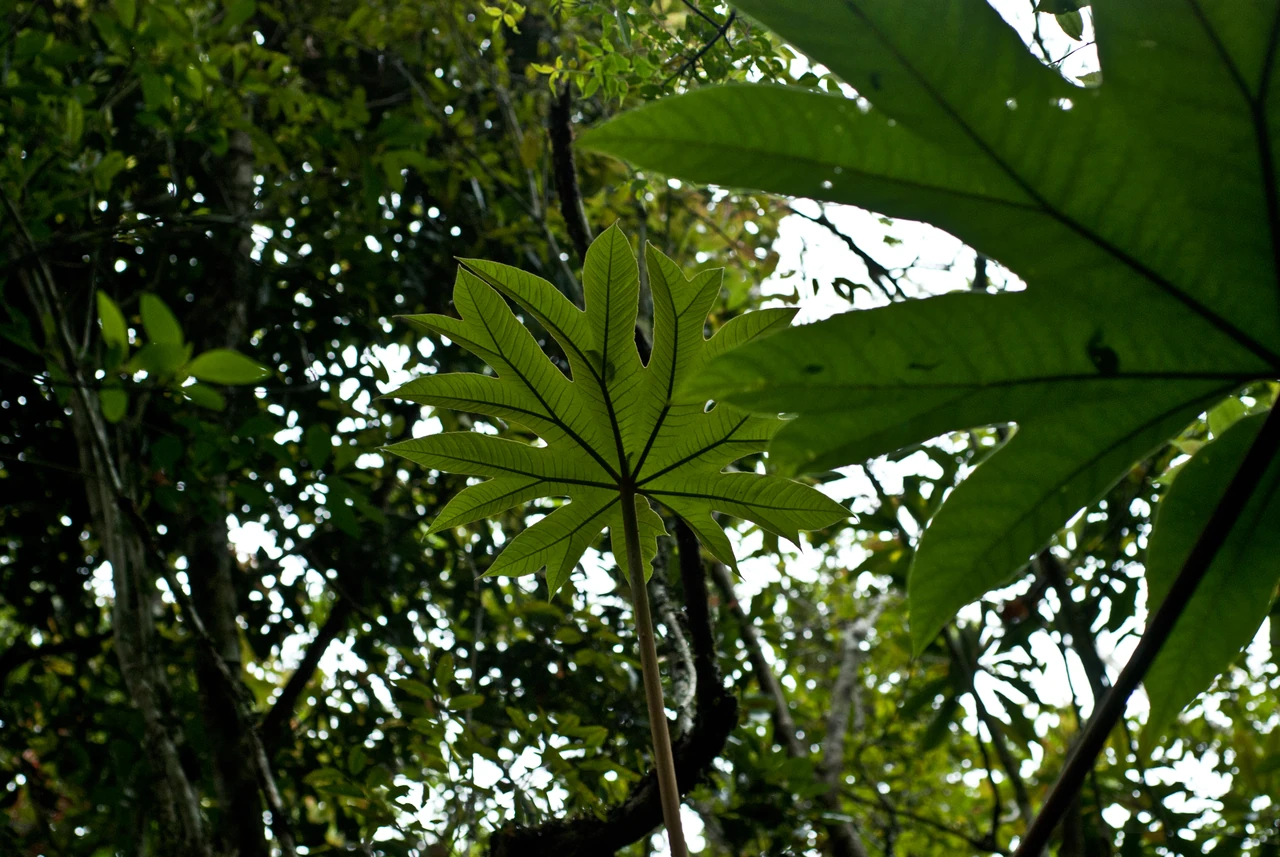
The material still needed people upstream. A December 2024 report followed Atayal grower BawTu, Chen Teng-shun, cultivating tongcao in Huayuan community in Wufeng, Hsinchu. At Huayuan Elementary School, teacher Lin Wan-rou described lessons that begin with children observing the plant before making things with its pith. The work behind a flower extended beyond the person demonstrating it abroad.
Keeping a craft alive includes unfinished experiments
Turning pith into a sheet requires a difficult shaving process called liaocao. A 2025 interview records Chen still describing himself as a beginner in this skill. He was learning how to adjust a specially prepared blade and how to move back as well as forward to avoid breaking the material. Teaching finished flowers did not mean he considered every stage of production mastered.
Colour brought another problem. Chen found that bright older dyes faded under sunlight and tried a different class of dye. He then experimented with natural colours, including coatings of soy milk or milk to help pigment attach, with limited results. His trials with gardenia yellow were still experiments in the 2025 account. A flower’s colour therefore carries choices about durability and materials, along with achievements that remain incomplete.
Continue looking in Bade
In Taoyuan’s Bade district, Bakuaicuo Folk Art Village lists Chen’s Green Knowledge Workshop among its resident studios. Its craft hall introduces a peach-blossom grove made with pith, including community-made work. Chen has also collaborated there with calligrapher Hsu Tung-wu, using the way damp pith swells to create raised writing. These are local uses of the material, separate from the Seoul lesson.
Begin with an object’s label, then look at the edges of petals and the way the surface catches light. Ask whether it was cut, shaped or painted, and who made it. Current display arrangements and teaching dates need separate confirmation. The useful connection from Seoul to Taiwan is a sequence of tasks—growing, learning, cutting and trying colours—that no single exhibition can complete.