
01
Before the mine, there were fields
For readers familiar with Japan’s industrial heritage, company housing and a mine office may look recognisable. In Jinguashi, on Taiwan’s northeastern hills, ask what preceded them. Historian Sō Hatano’s study of cadastral records and contracts shows agricultural land being drawn into the mining settlement. The company was entering a landscape already used by Taiwanese farmers.
Water made the change particularly tangible. Records concerning a 1906 hydropower waterway include compensation agreements with seven local landowners. A resource needed for cultivation was also needed for industrial expansion. The documents record compensation arrangements; they do not allow us to invent what each farmer felt or to assume that every household experienced the change alike.
02
Production reorganised the hillside
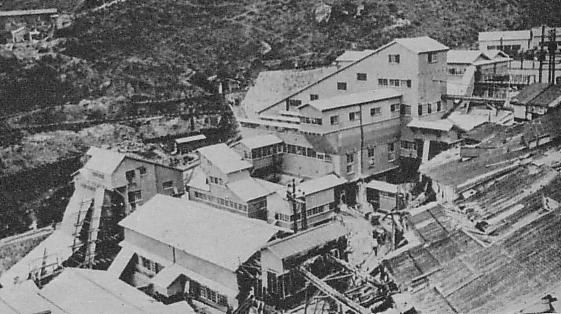
Mining ownership changed over time. In 1933, Nippon Mining acquired the operation and expanded its facilities, including the Shuinandong processing complex. The hillside settlement and the coastal industrial buildings belonged to a production system larger than a single pit. Following that system helps explain why the surviving sites are spread across different elevations rather than gathered around one scenic street.
Housing brings the scale back to daily life. The Gold Museum identifies the Four Joined Buildings as residences for Japanese employees and their families, probably built in the 1930s. Each household had its own entrance and domestic rooms. After the war, the buildings housed employees of the Taiwan Metal Mining Corporation. The same walls therefore contain more than one company’s period of occupation.
A restored interior is a way of interpreting that past. It should not be mistaken for an untouched household or treated as representative of every miner’s home. Compare how rooms are arranged, how houses meet the slope and how close they stand to work sites. These observations connect the visible architecture with questions about occupation, household life and differences within the settlement.
03
A visit with more than gold in view
Begin at the Gold Museum’s publicly accessible areas, using the housing and industrial displays to distinguish periods and functions. The waterways and agreements discussed here are research evidence, not a promise that the original contracts are on display. Nor does a view of an old processing plant mean that entering its ruins is permitted.
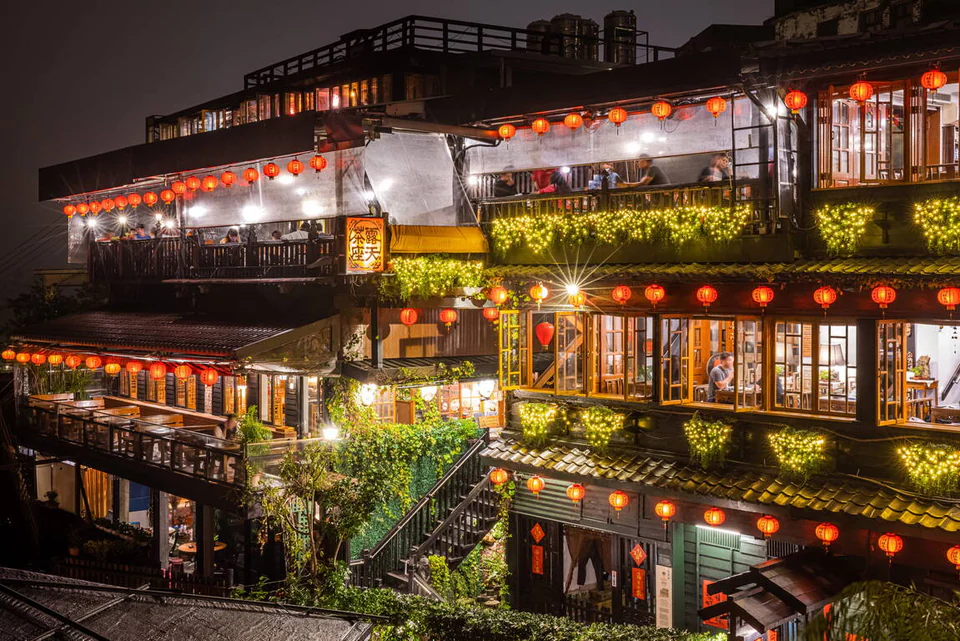
Ruifang, Jiufen and Jinguashi require deliberate transport planning; a linked cultural story does not make them a continuous walking route. Choose the stops your time and the current access rules allow. Even a visit limited to the museum can hold a larger question: when a mountain became a place of extraction, whose land, water and home had to change with it?