A scholarship made the journey possible
For a student in Princeton, a summer placement can begin with routine tasks rather than an invention. That is how Chintay Shih remembered his first RCA job. His supervisor arranged a placement at the nearby David Sarnoff Research Labs; Shih prepared samples, helped with measurements and looked after equipment. The laboratory was also a workplace with a system he could learn from.
Shih had chosen Princeton because it offered a scholarship. Without that support, he said, his finances would have kept him in Taiwan. This small condition matters: the later movement of technical knowledge depended first on whether a young person could afford to cross the ocean and gain experience.
Returning meant finding work that did not yet exist at scale
After studying, Shih worked for Burroughs in San Diego. In March 1976 he returned to Hsinchu to join the Industrial Technology Research Institute, or ITRI. Soon he was heading to the United States again for the RCA technology-transfer programme. His route was not a single journey from an American university to a ready-made Taiwanese industry; the industry itself was still being assembled.
ITRI records nineteen people in the first RCA training group. Yang Ting-yuan led the group studying design in New Jersey; Shih led manufacturing learning in Ohio; others studied testing and equipment. The knowledge needed for a factory was spread across people and locations. Returning to Taiwan would mean joining those specialisms together.
The missing knowledge was between the machines
While the overseas engineers learned, Hu Ding-hua led the work continuing in Taiwan. Buying machinery and bringing back instructions were only parts of the task. A production line joins design, equipment, materials, testing and the people responsible for each. If those connections fail, an individual machine can work perfectly while the final product still fails.
In Shih’s account, improving yield—the proportion of usable products—became an especially valuable part of learning. ITRI records that its demonstration factory opened in 1977 and reached a seventy-percent yield in its sixth month, compared with fifty percent at the RCA source plant. That dated comparison describes a specific early line, not every Taiwanese chip factory. In 1978, the institute completed its first locally made batch of electronic-watch ICs.
Look for a production system, not a single inventor
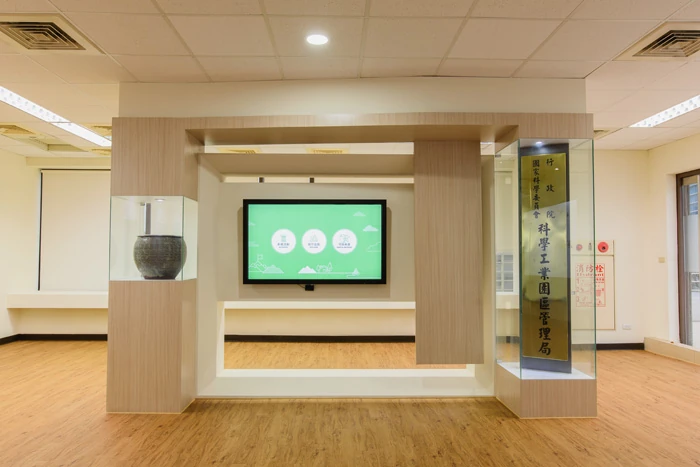
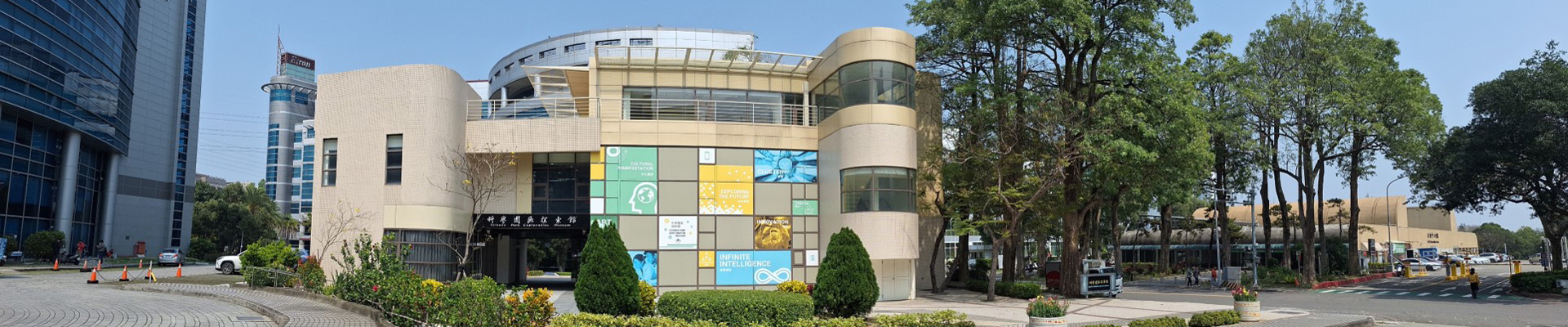
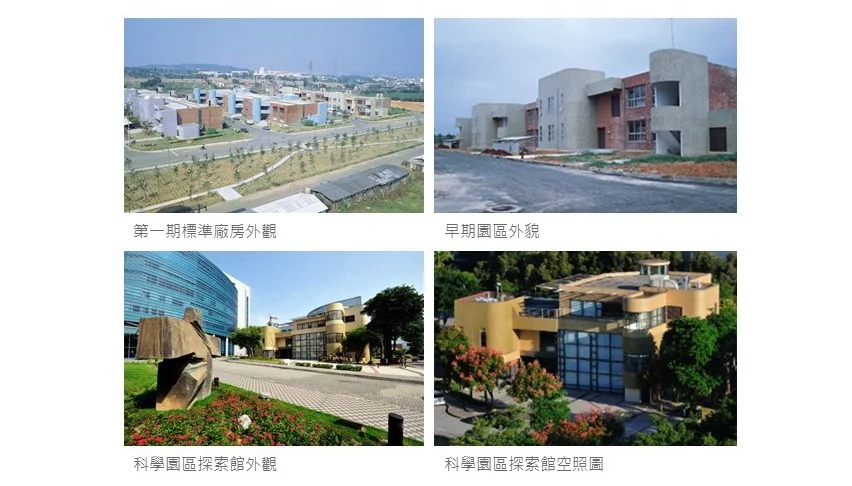
At Hsinchu’s Science Park Exploration Museum, begin by looking at the building itself: it was one of the standard factory buildings from the park’s beginnings, later converted into a museum. Its industry displays and third-floor chronology offer a way to ask how research becomes repeated production. This is a later science-park setting, not the original RCA laboratory or ITRI demonstration factory.
Princeton belongs in this story because Shih could study and work there. Hsinchu belongs because a team had to turn that experience, and the experience of many others, into everyday production. Following both ends lets an American research story become a Taiwanese working story, with responsibility passing between people rather than ending at a technology-transfer agreement.