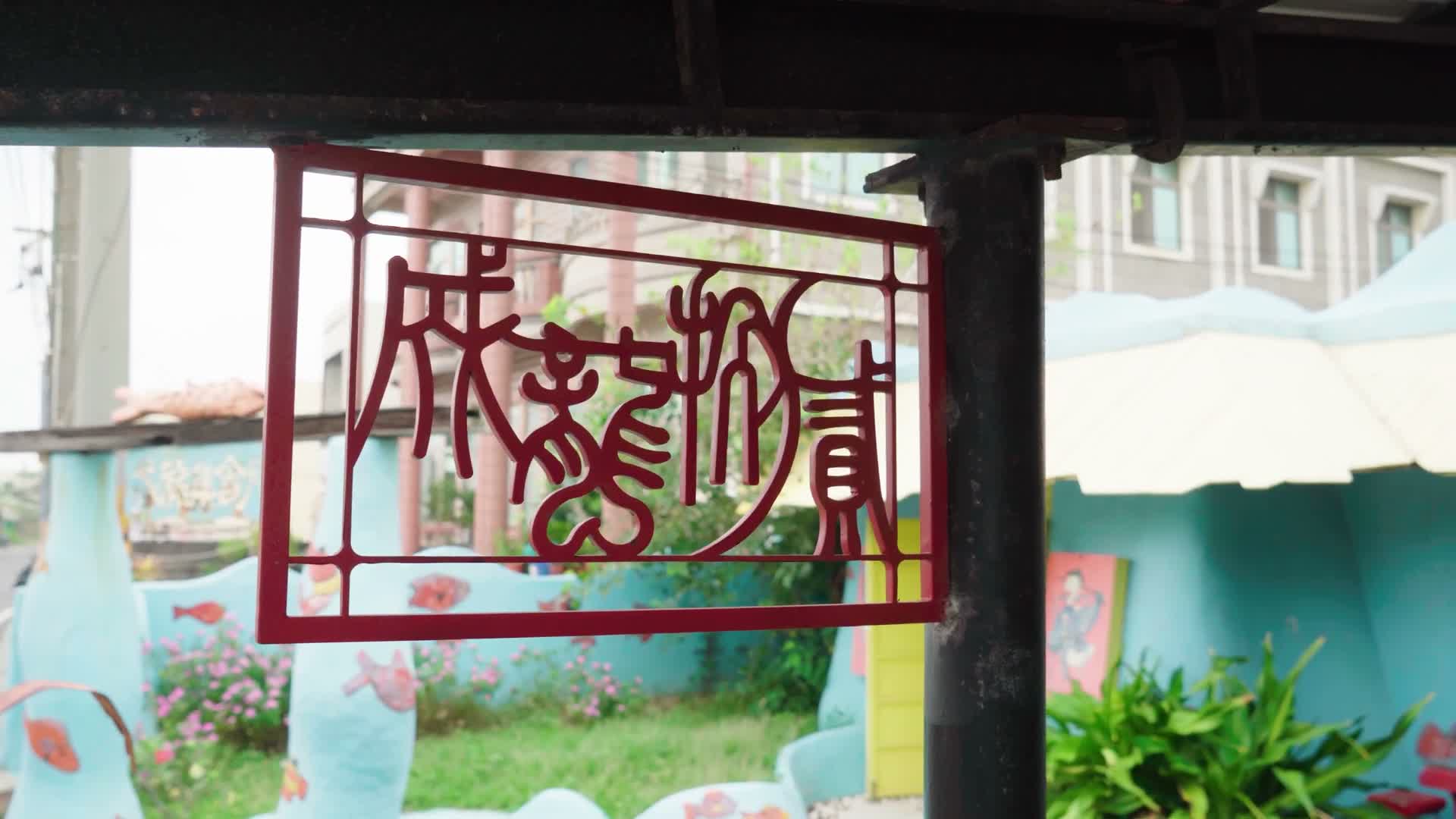
How many people does it take to remember a shirt?
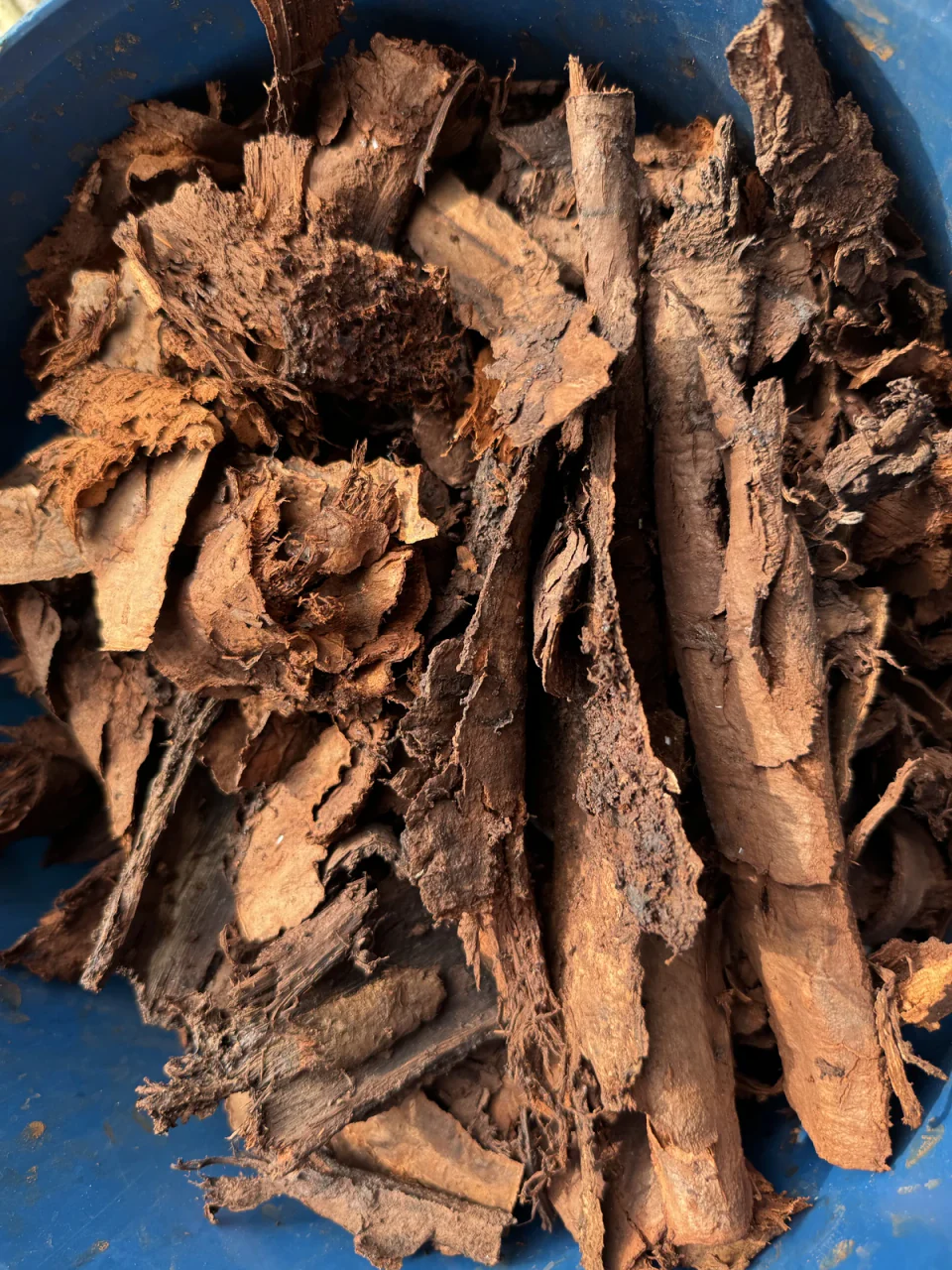
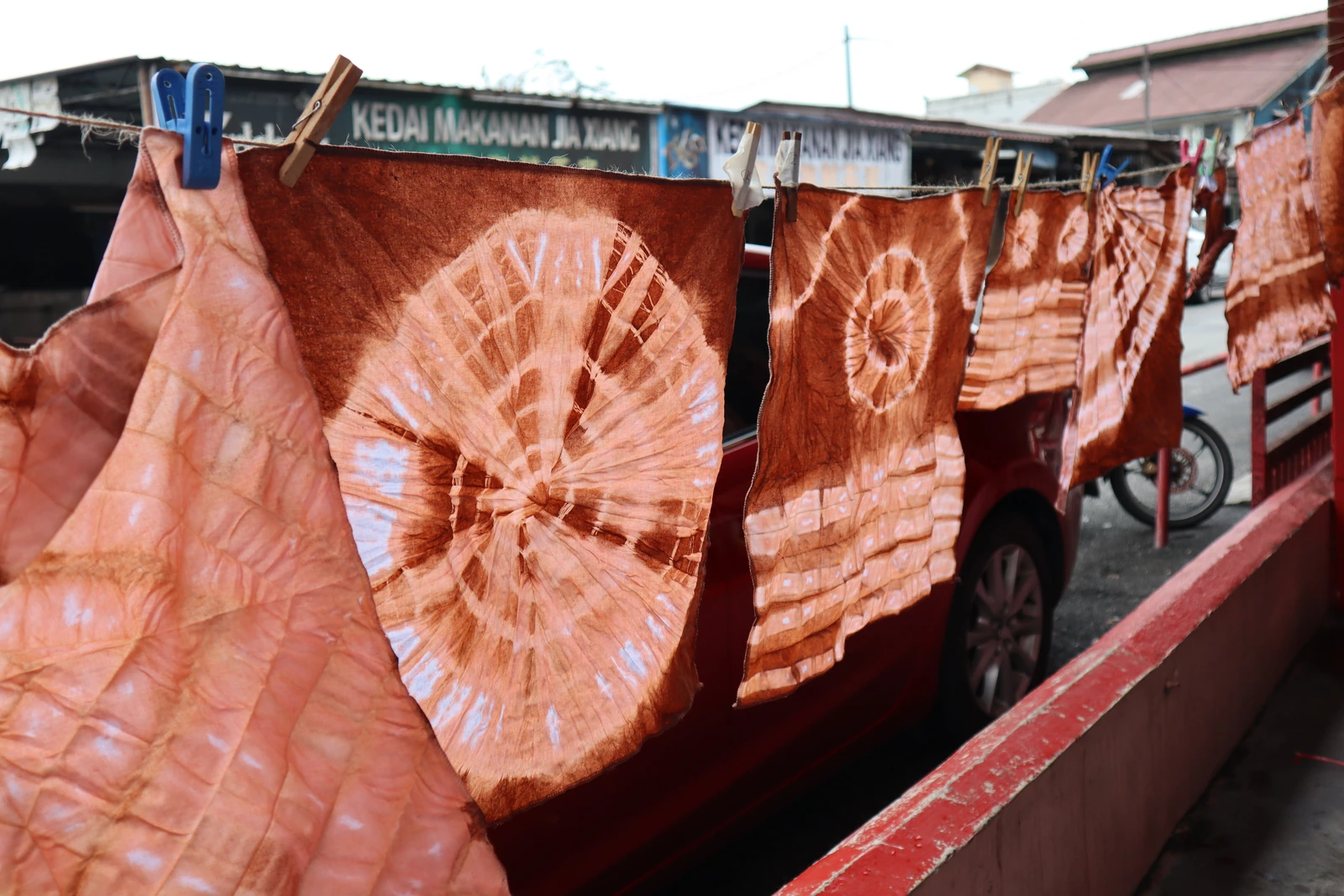
In Kuala Sepetang, on Malaysia’s Perak coast, Ni Siap means dyeing with mangrove-bark extract in the local Teochew dialect. Older fishing shirts and trousers carried this reddish-brown treatment. Recovering their colour was only part of the work: younger people had scarcely seen the garments themselves. A seventy-year-old villager could describe their sleeves and pockets, while an eighty-year-old grandmother drew the shapes from memory. Details held by different people had to be brought together before anyone could cut a pattern.
Fish seller Lin Caiyun, 林彩雲, had another kind of knowledge. As a child she went fishing with her mother in her grandparents’ dyed trousers, pulling a cord tight around the waist. Later she learned to sew and dye her own. Interviewed in June 2025, she still wore Ni Siap clothing at work. Her experience ties the remembered garment to an ordinary working day: a loose waist, a practical cut and a skill learned with one’s own hands.
From a dye bath to a garment pattern
Mangrove bark connected the village’s charcoal industry with its fishing craft. Look Port Weld was introducing children to bark dyeing by 2015. Local craftworker Go Tyan Yin, 吳恬盈, encountered Ni Siap through an ecology camp, then spent years experimenting with the dye and with fabric patterns alongside the women’s group. By 2023, workshops had been linked with charcoal-kiln visits. The material already belonged to this Malaysian community; reviving its use depended on local knowledge and repeated work with cloth.
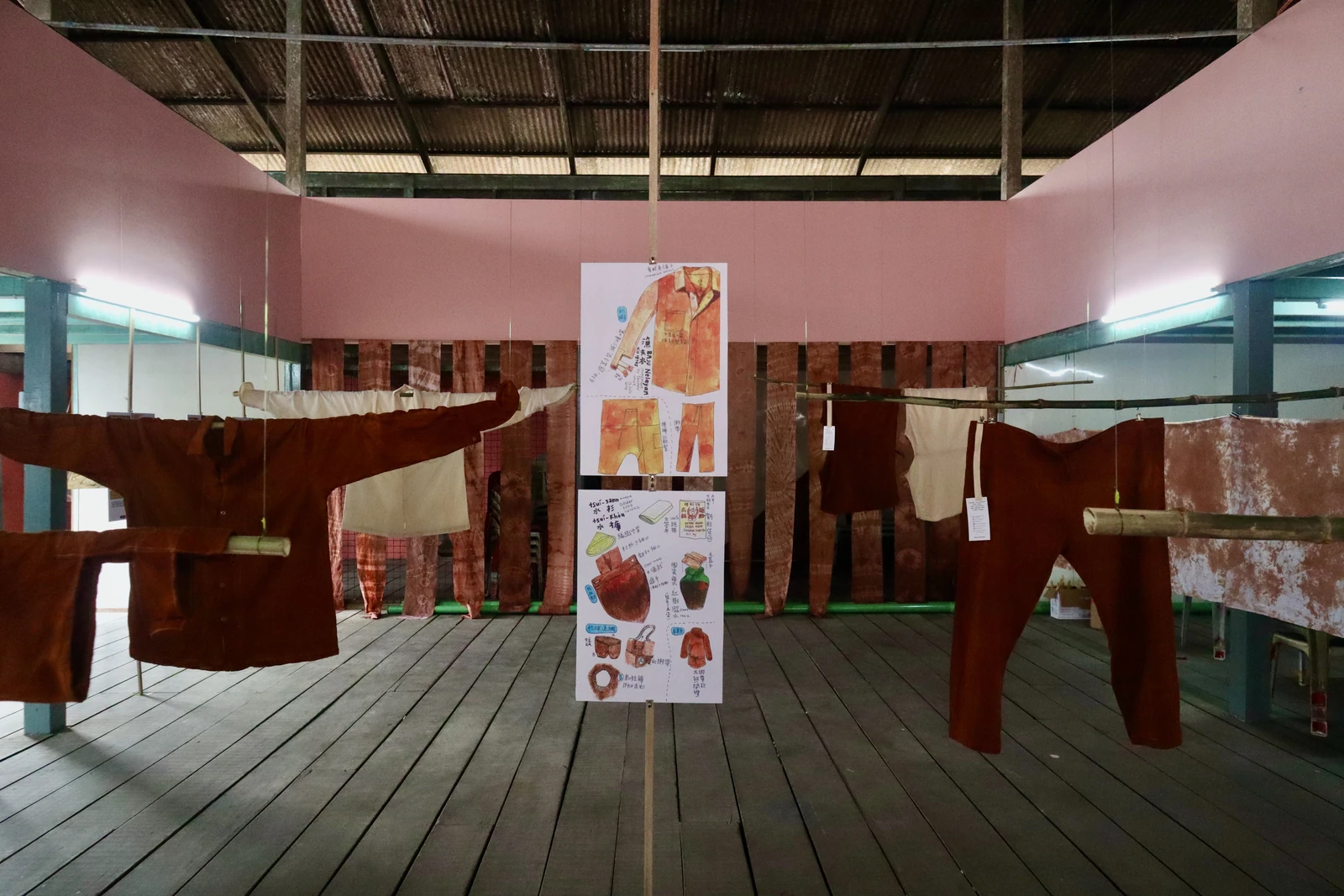
The 2024 fishing-clothes project brought in Taiwanese field researcher and artist Luisa Hung, 洪菀璐, who lives in Malaysia and had studied urban planning and anthropology. She recorded elders’ descriptions and gestures in words and drawings. Discussions with fishermen, tailors and other residents gradually clarified the designs, fabrics and sewing work. An oral history could now be consulted during making: a drawn sleeve or pocket gave the next person something specific to discuss, measure and try.
The wearers have a say
A drawing still needed someone who could make it wearable. The team persuaded experienced tailor Hou Meizhu, 侯美珠, to take up her scissors and patterns again; the project also invited Cibabond as a clothing-design adviser. Recreated working clothes appeared in the tenth-anniversary exhibition, while the outfits for the villagers’ show followed the wearers’ own wishes. A village fashion show took place on 28 December 2024. Memories supplied the starting point, but residents also decided how they wanted to appear in newly made clothes.
In June 2025 the work reached a new audience in Ipoh: seven children and eight adults walked an unfamiliar stage. Fish sellers, fishermen, a basketball coach and a barber brought their working identities into the outfits. Hou, seventy at the time of the report, both sewed the clothes and joined the show. Gathering bark, dyeing, designing and sewing had taken months; the village rehearsed its walk during the final week. What the audience saw rested on many kinds of labour, including the residents’ decision to step forward themselves.
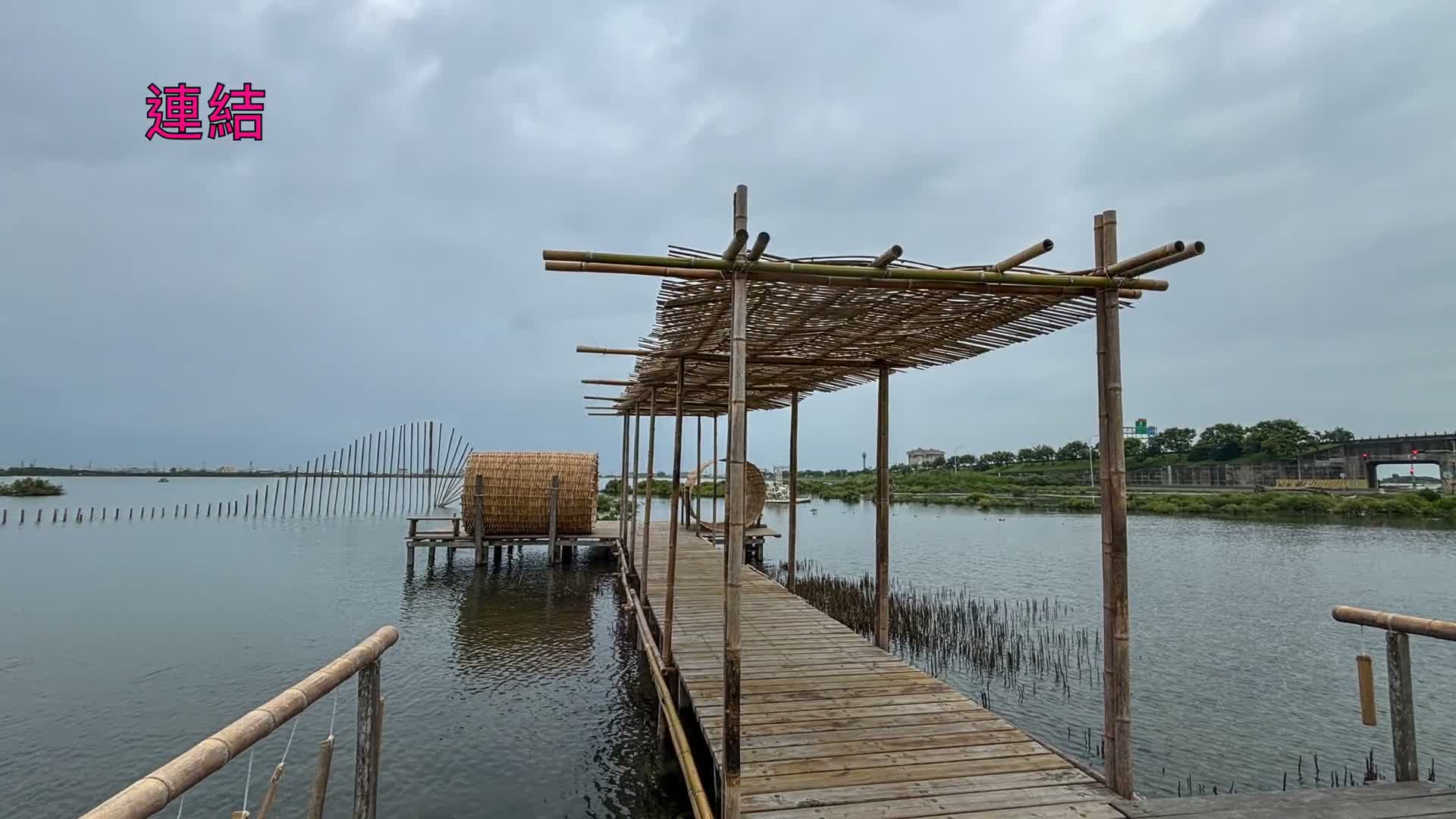
Community work travels in both directions
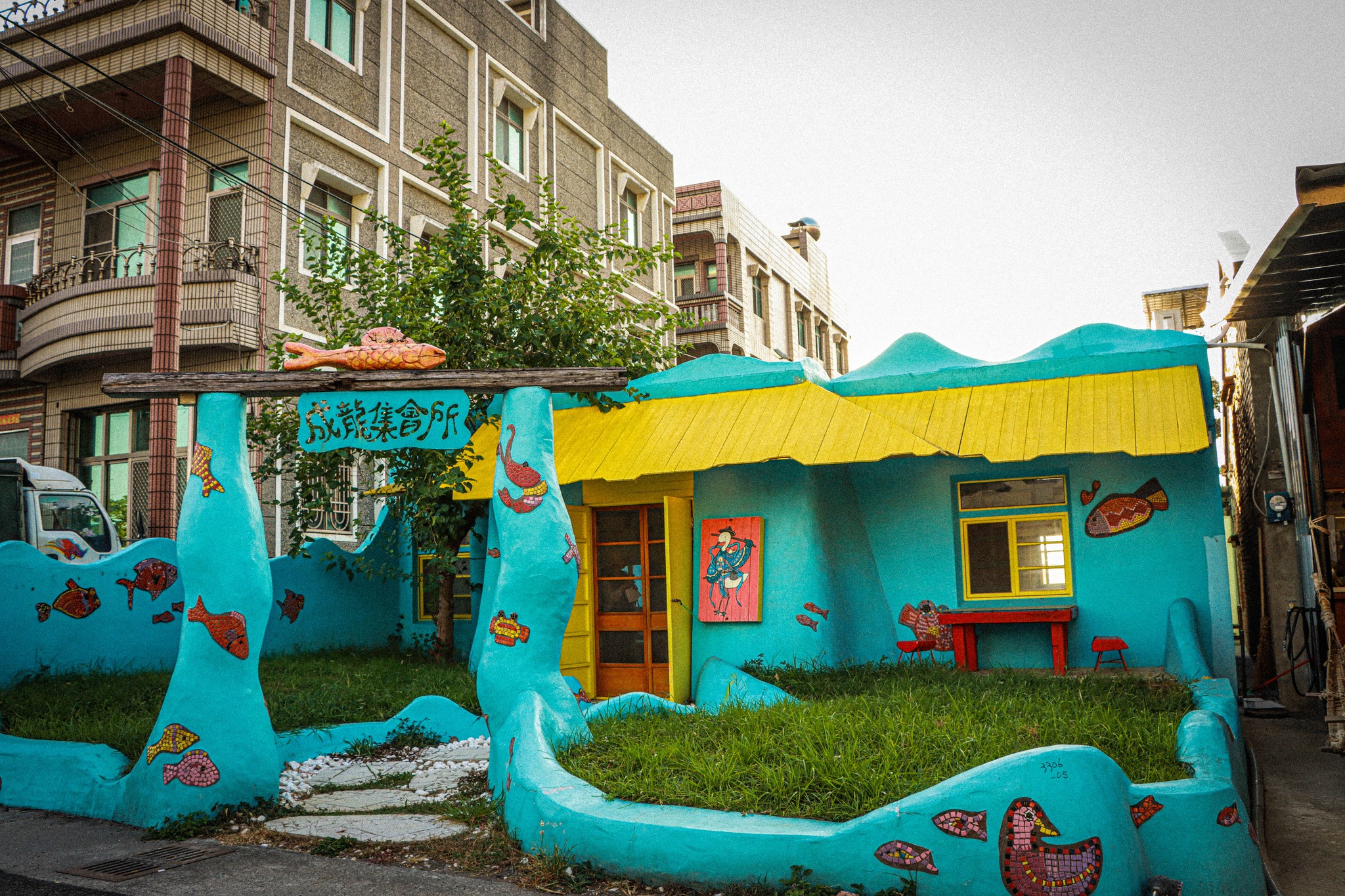
The exchange with Taiwan also involved people working with entire villages. In March 2024, organiser Zhuang Baiqi, 莊白祺, invited environmental educator Wang Zhaomei, 王昭湄, to Malaysia. Wang gave talks in Penang and Kuala Lumpur about her long involvement with Chenglong’s environmental art, and visited Kuala Sepetang. Chenglong had been a reference for Look Port Weld. Hearing how residents came to see value in a changed landscape strengthened the team’s commitment to community education and mangrove care.
On 7 November 2024, Look Port Weld chair Cai Hanlun, 蔡漢倫, took the conversation to Taichung’s Military Kindred Village Museum. He shared the village’s mangrove-bark craft alongside Taiwanese community workers. Zheng Chengri discussed a home opened as a base for young people in Dajia; Lu Xiuhui and Paiwan youth Ye Wangjing spoke about cultural and language continuity in an urban community. The meeting placed Kuala Sepetang’s own work beside other practical efforts to give residents a part in their community’s future.
Chenglong’s earlier experiment with old clothes
An earlier Chenglong project shows what that question could mean in practice. In 2019, Wang Zhaomei sought a way for creative skills to remain after visiting artists left. The team gathered second-hand clothes and other surplus fabric. Artist Lala Wang, 王彥臻, guided residents through cutting strips, winding them into balls, combining colours and weaving by hand. Women who were busy with aquaculture and household work joined the sessions and made pot mats, floor mats and fruit baskets.
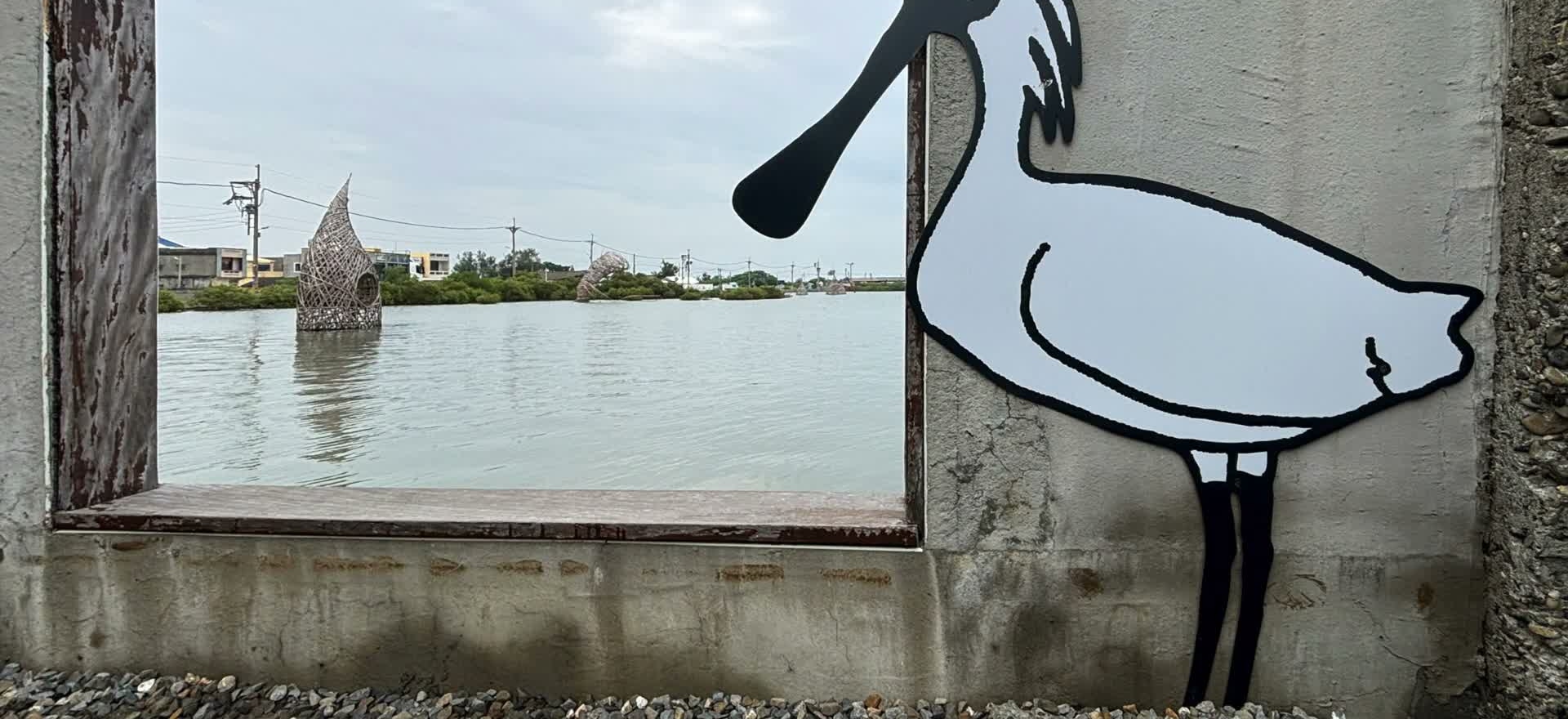
Wang Zhaomei observed that some participants continued weaving at home, enlarging their pieces and sharing them in the group’s Facebook community. The work had found a place beyond the class. This 2019 activity in Taiwan preceded the 2024 recreation of fishing clothes in Malaysia. Following each project’s people and materials makes the relationship clearer: the workers exchanged community experience across the sea, while residents in each place developed their own ways of making.
A shell wall and a house to start from
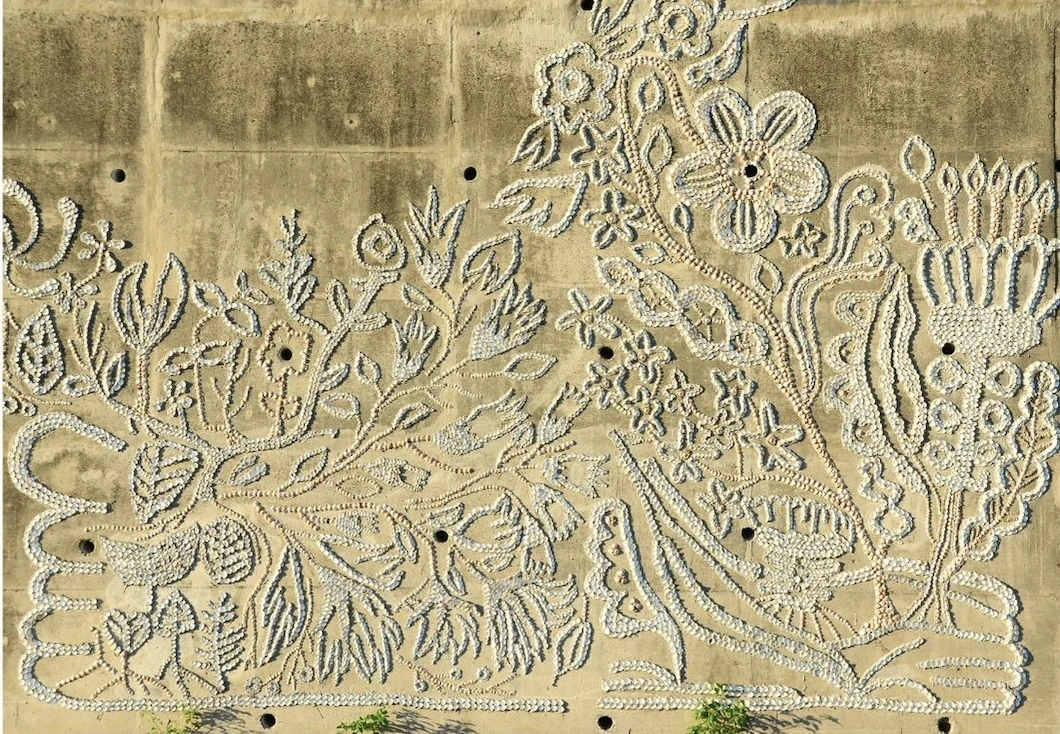
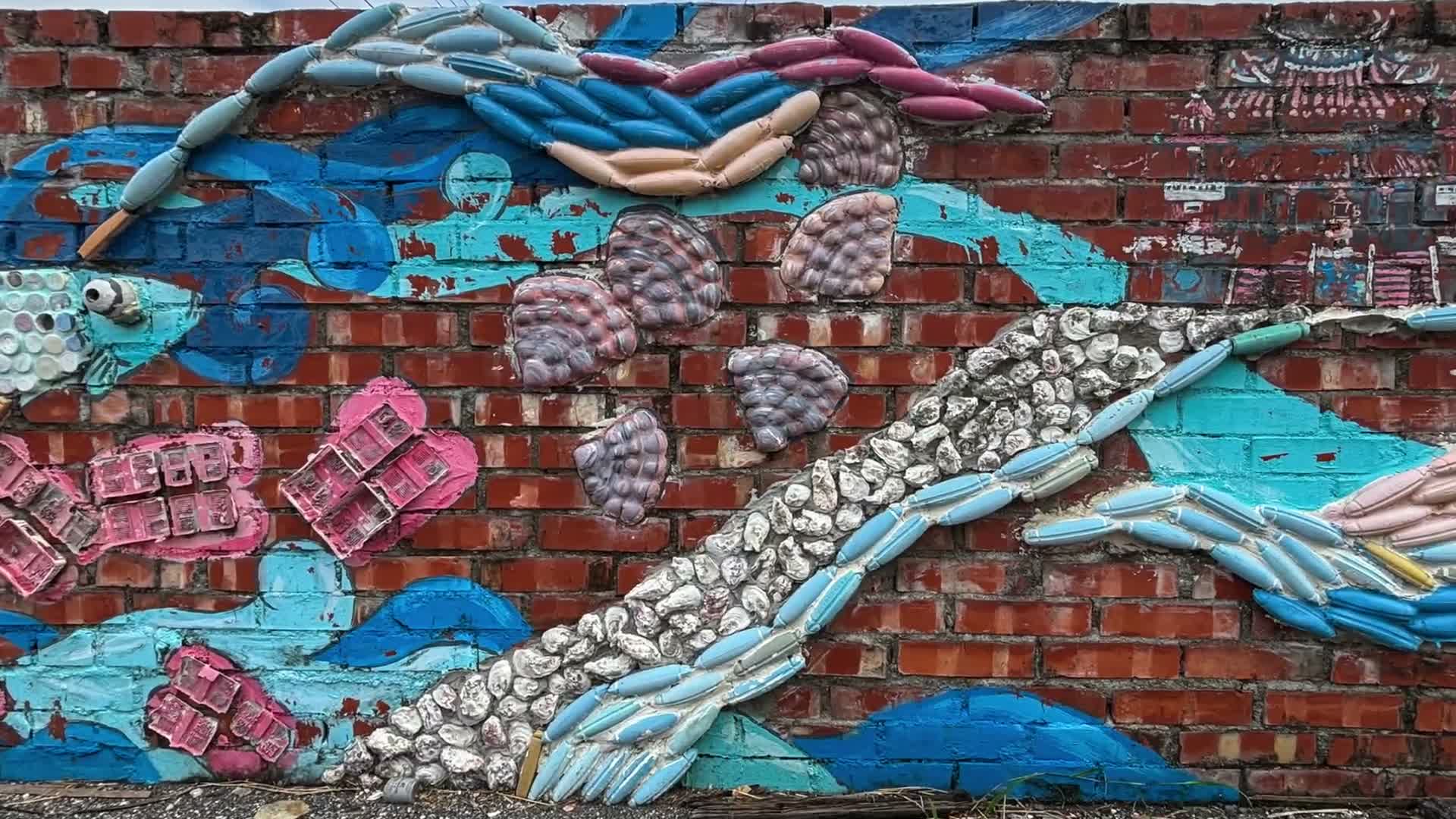
Today, Lala Wang’s 2025 Chenglong work 落地生花, Flowers Taking Root, offers something concrete to look at. Clam shells arranged across a public wall form branching plants and flowers. Individual shells follow one another around the curves; the repeated placing of small pieces becomes visible when you slow down. The work is a permanent installation that weathers with its surroundings. The artist’s visitor guidance asks people to leave the shells untouched and in place.
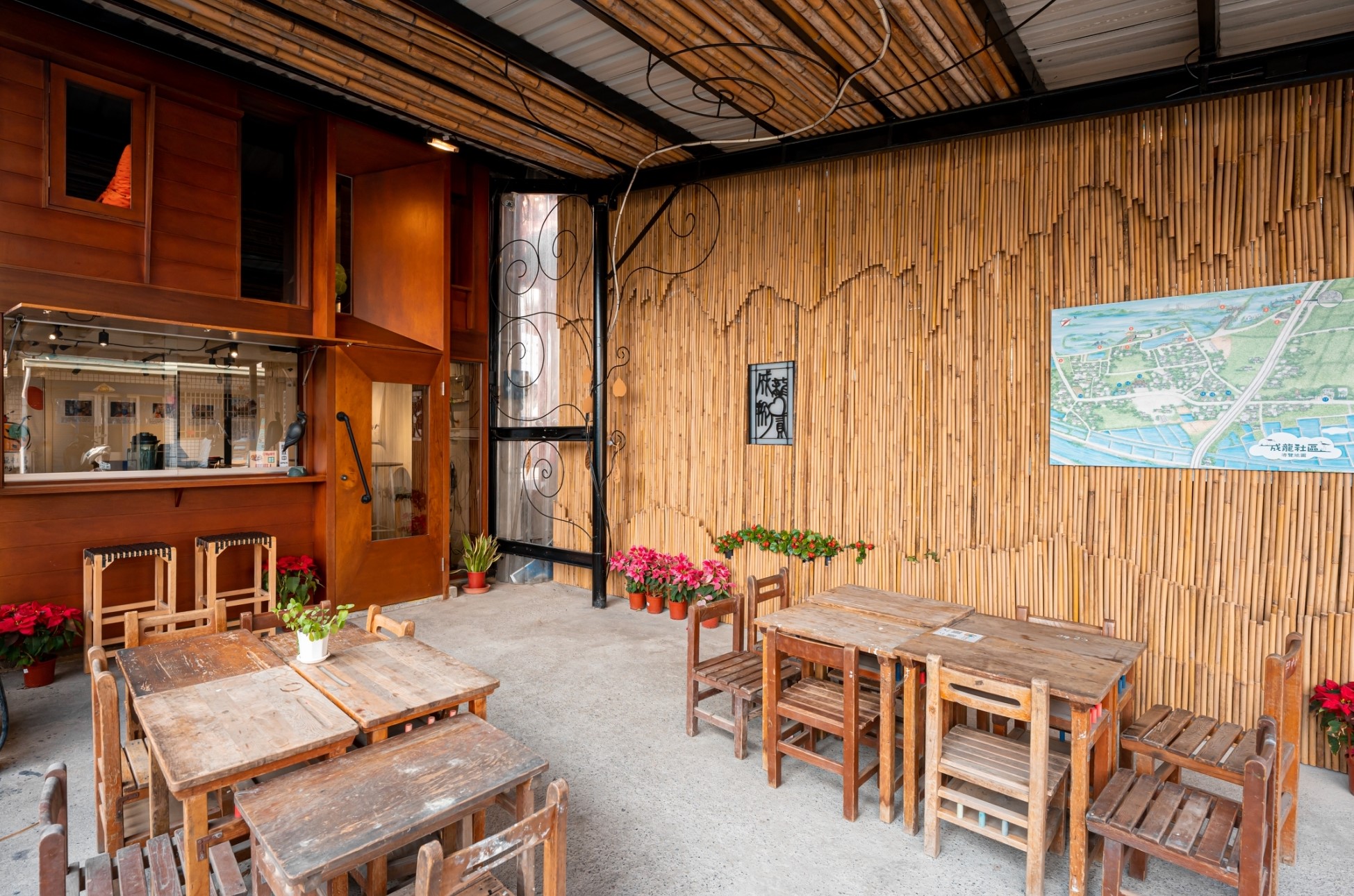
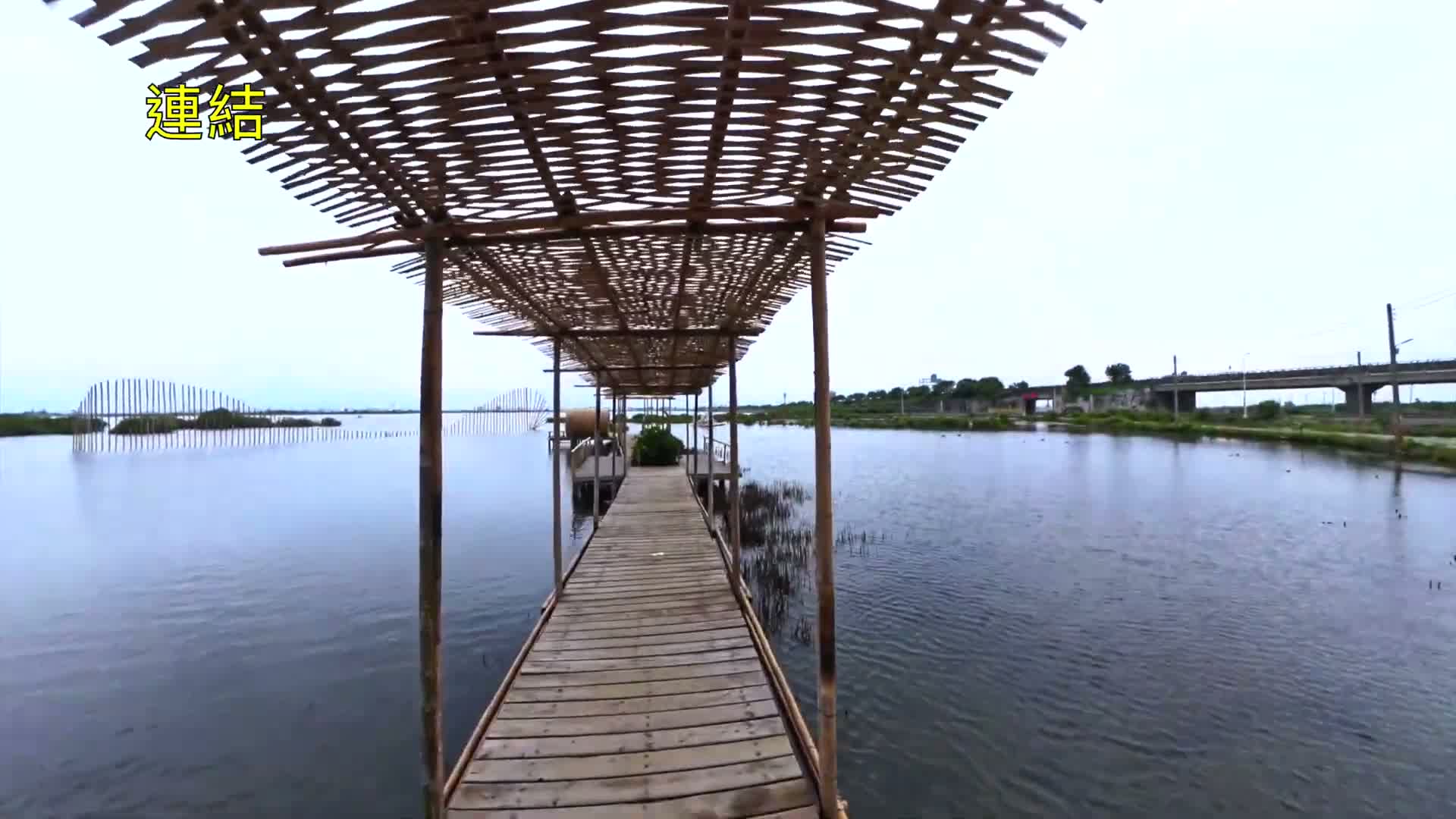
Start at Chenglong 82, the old house at No. 82 in Chenglong Village that now serves as a community information point and youth base. Local worker Lin Peizhen, 林珮甄, first volunteered for the art programme in 2015 and began working in the community in 2017. The house provides a place to rest, read village stories and find out about current routes and activities. From there, take time with the public artwork and wetland: the journey continues among people who keep working in the place where they live.