
Armour in a museum prompted a question
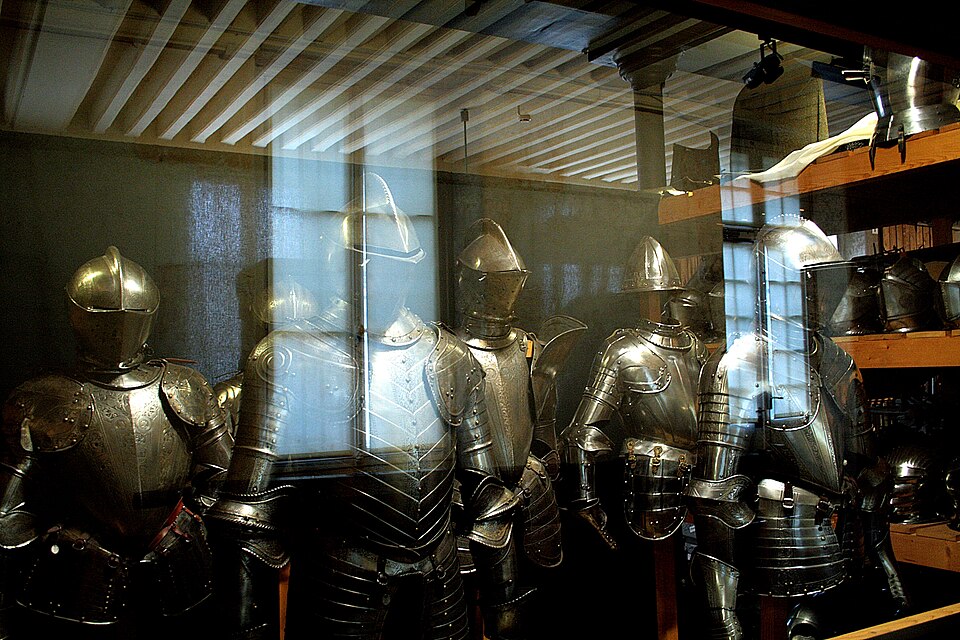
In Paris, a visit to the Army Museum gave Taiwanese puppeteer Li Tien-lu an unexpected teaching opportunity. As Jean-Luc Penso later recalled, they were looking at medieval weapons and armour when Li pressed him to create stories closer to his own culture. Penso’s 2007 acceptance speech and a 2008 interview both preserve the recollection. The encounter concerned what an apprentice should do with an inherited skill.
Penso had initially performed the repertory he learned in Taiwan, including Journey to the West and The White Snake. Staying with those stories could demonstrate fidelity to his teacher. Li, however, expected a creative decision from the pupil. The Taiwanese master was setting the challenge, rather than serving only as the source of something a European artist took away.
Two puppets in Paris, years of learning in Taipei
The route began with small puppets at the Kwok-On museum in Paris, where Penso’s Chinese teacher Jacques Pimpaneau worked. Penso said he was drawn to the Taiwanese figures and then to a short film of Li performing. In 1974 he came to Taiwan to ask for instruction. A museum encounter had led to a demanding apprenticeship, not an instant ability to perform.
In his own account, Li returned an unopened envelope offered as tuition and agreed to teach him seriously. Penso followed lessons with time around the troupe’s temple performances, learning movement alongside music, singing and spoken delivery. What travelled depended on learning how a performance was put together, not on shipping a puppet alone.
Li chose a name for the new troupe
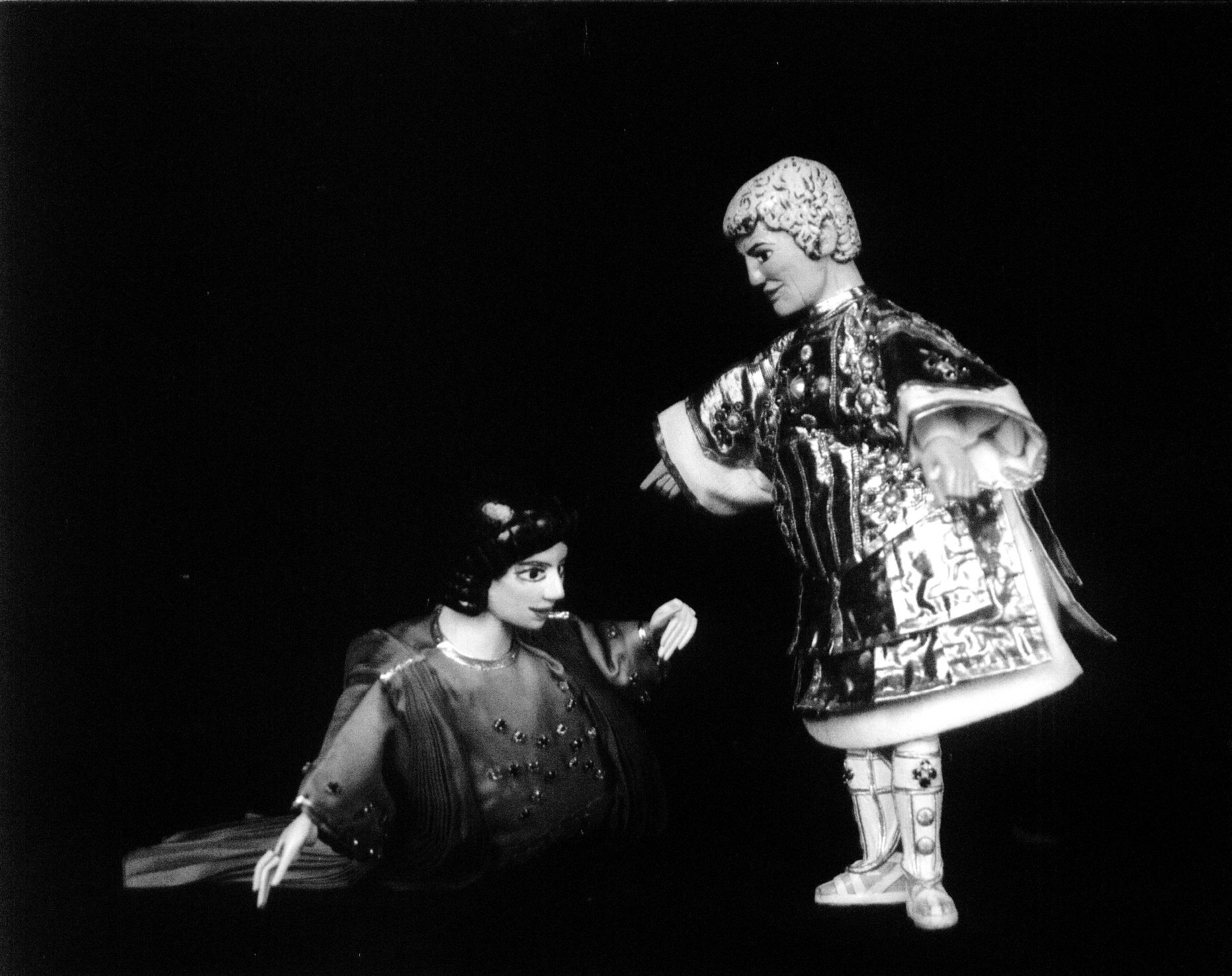
Catherine Larue joined this period of study. In 1978, Penso and Larue formed a company with a name chosen by Li: Xiao Wan Jan, linked to his Yi Wan Jan troupe. In France it became Théâtre du Petit Miroir. The name made the relationship visible, while the new company needed a repertory it could bring to its own audiences.
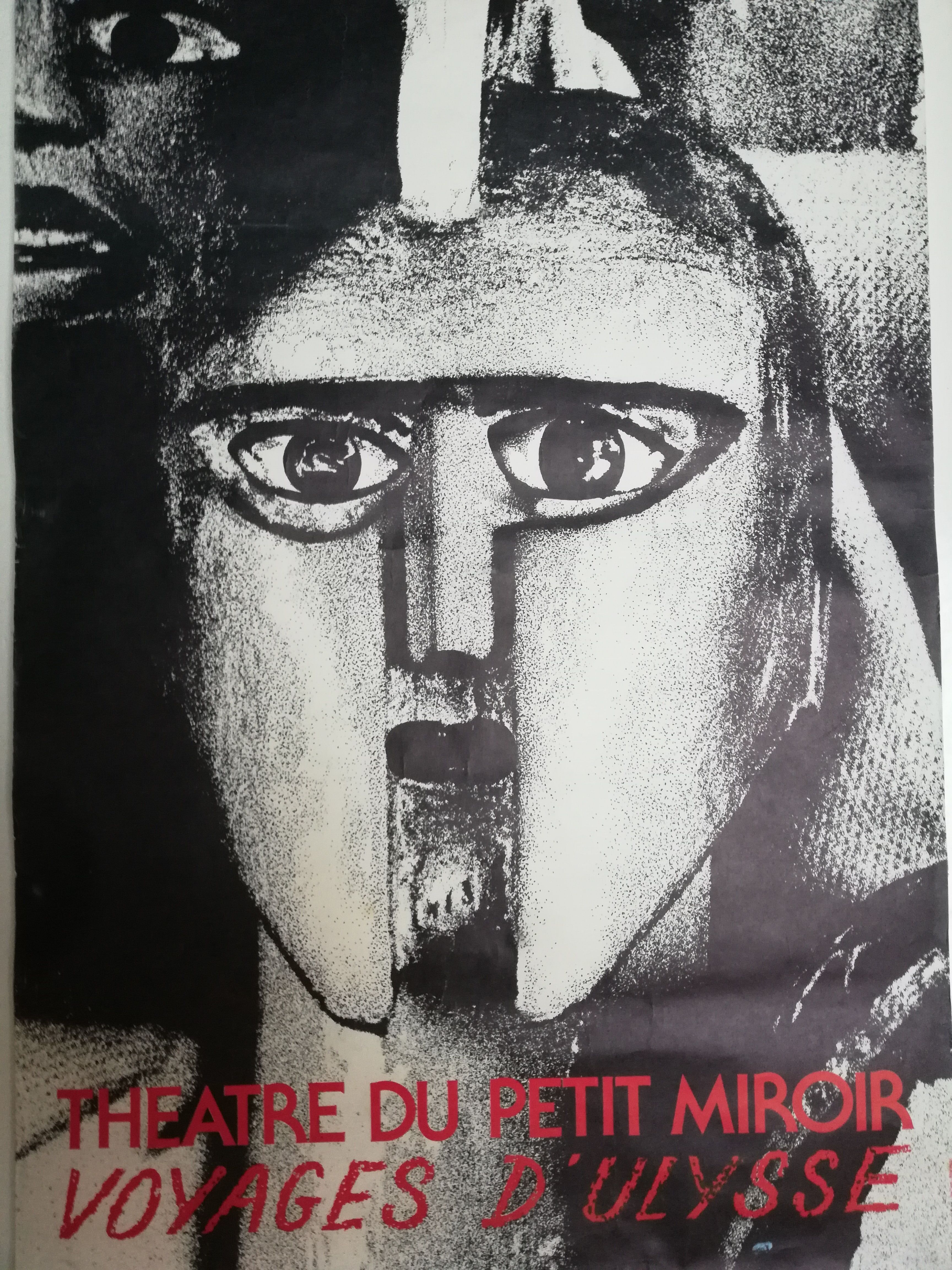
Penso’s account of the Paris museum visit explains one way that repertory changed. The company adapted the Odyssey as Voyages d’Ulysse and presented it in France. A Western story was being worked through a Taiwanese performance technique. The master himself had asked his pupil to make that creative move.
The new story also travelled back
In the acceptance speech delivered in 2007, Penso dated a performance of Voyages d’Ulysse at Taipei’s Longshan Temple to 1988. He described it as an offering performance and recalled disagreement about the event, alongside support from Taiwanese intellectuals concerned about the northern glove-puppet tradition. That is his retrospective account, not a claim that every participant agreed about what preservation should mean.
Taiwan was therefore more than the point of departure. A story developed abroad came back into a local setting where performance also had a religious purpose. Audiences and supporters in Taiwan could confront the question Li had put to his pupil: can a tradition continue through a story it did not originally carry?
Longshan is a living temple, not a permanent puppet show
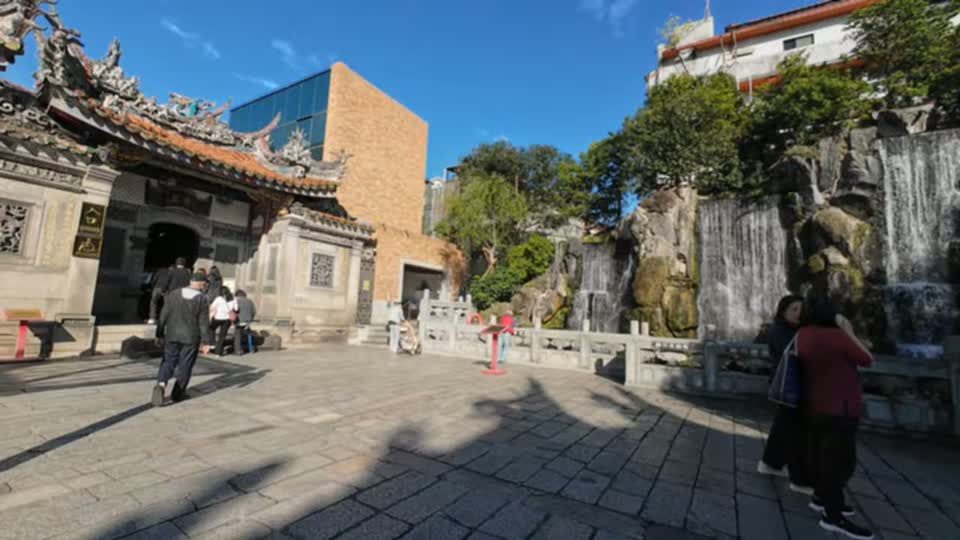
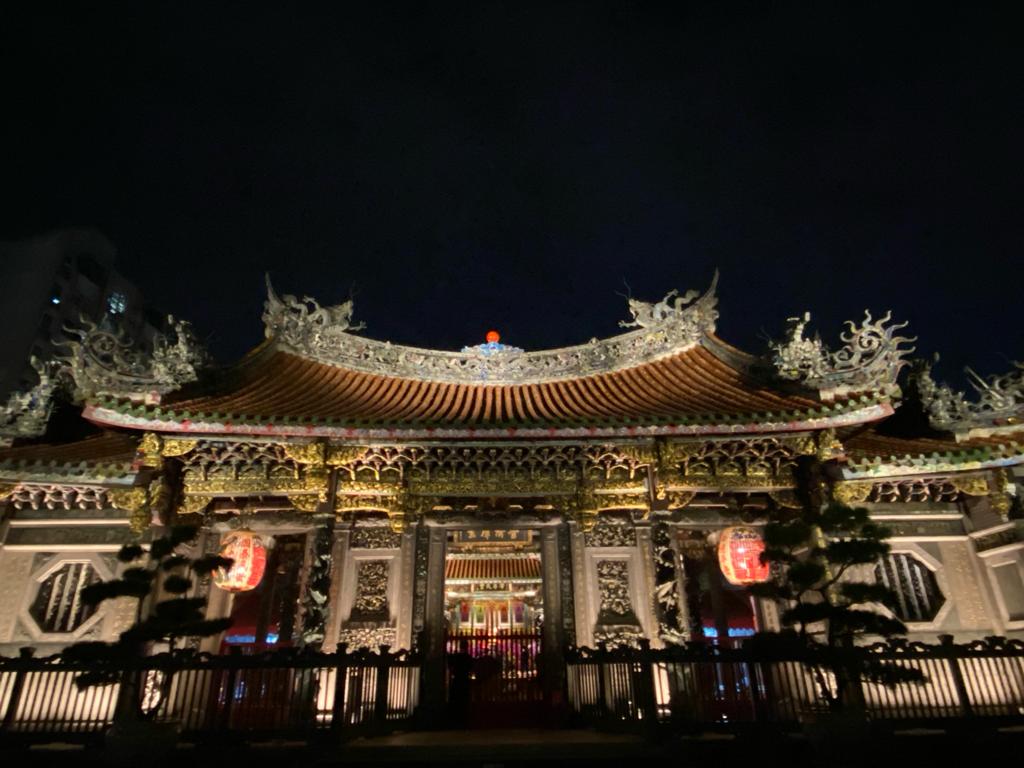
Longshan Temple is a relevant Taiwanese stop because of that documented performance. Today visitors can enter the public worship areas and consider the courtyard in relation to its continuing religious use. There is no verified permanent display of Penso’s puppets or scheduled return of Ulysses. The historical stage cannot be located more precisely from the sources read here.
For objects and the Li family’s history, the Li Tien-lu Hand Puppet Historical Museum in Sanzhi remains another direct connection. Its official visitor page currently says it is closed. Start with the foundation’s digital archive and wait for a reopening announcement before planning an indoor visit. Keeping those destinations distinct respects the people responsible for the places today.

