A familiar object, a different question
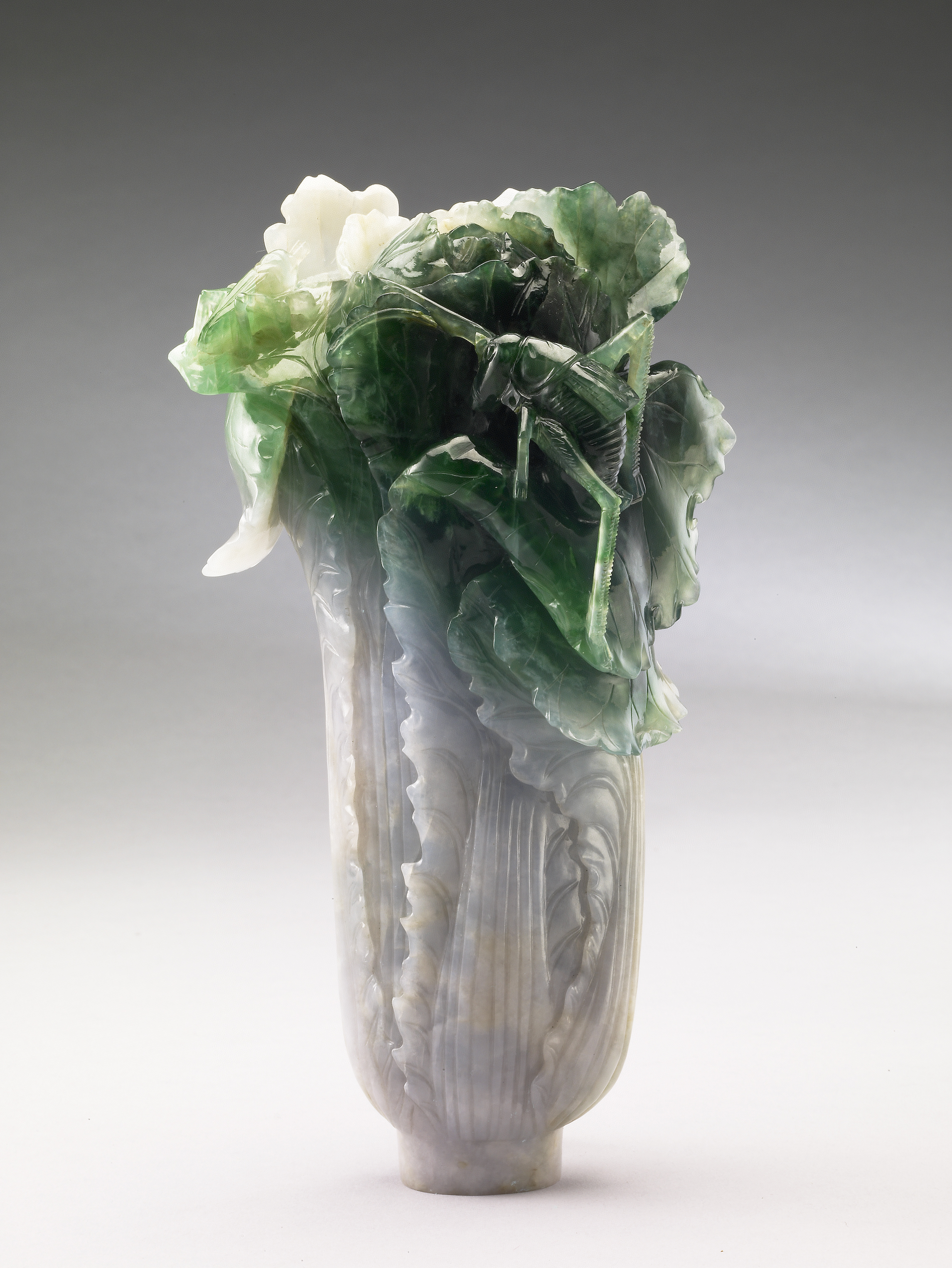
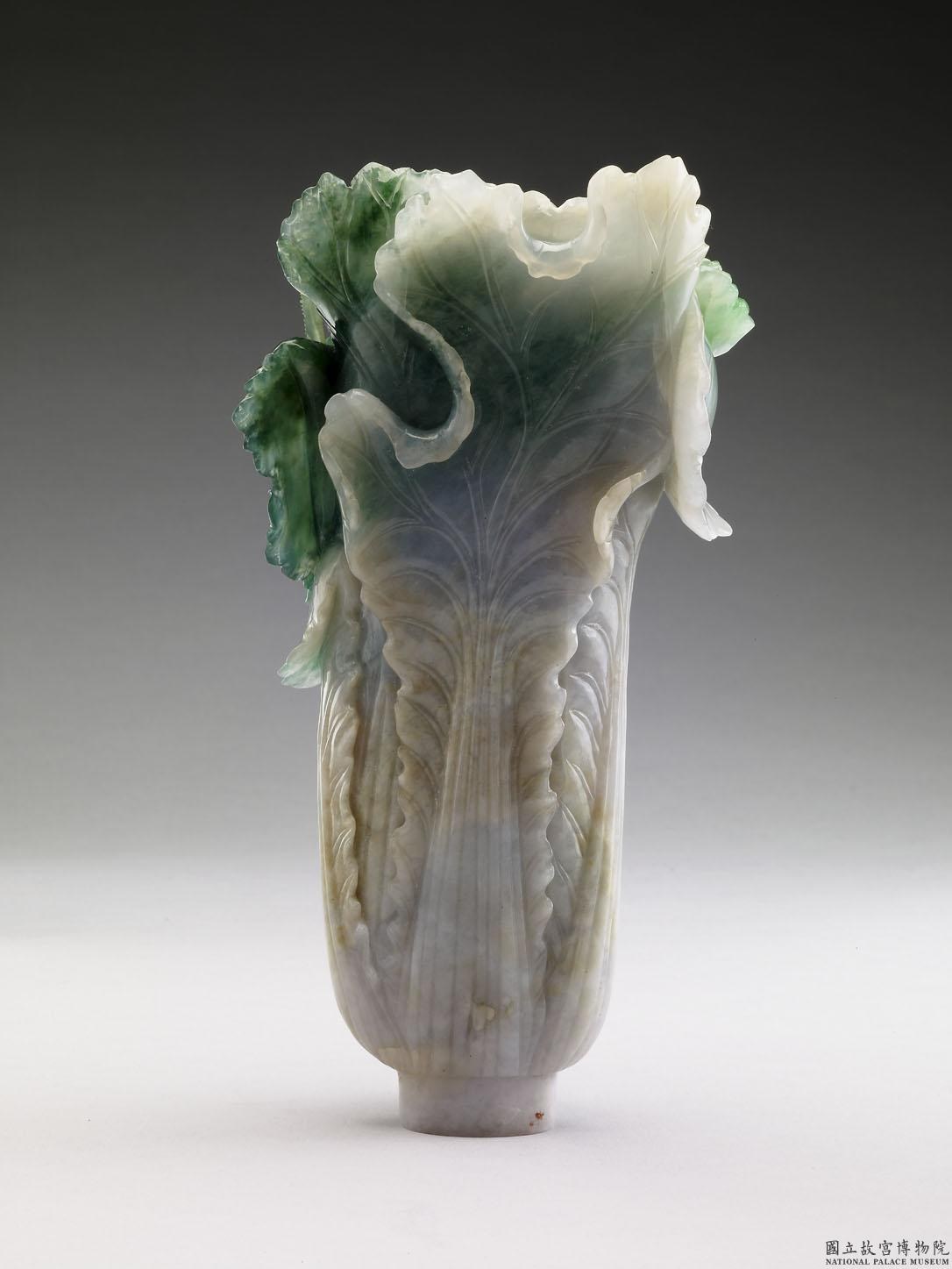
The Jadeite Cabbage is easy to recognise before a first visit to Taipei. Its pale stalk and green leaves look almost edible. How did a piece of stone acquire that appearance—and how did it reach this museum?
Those questions take a visitor in two directions. One leads to a craftsperson reading the colour and fissures of jadeite. The other follows a collection through storage and repeated checks in Taiwan. The famous object that caught reporter 권혁창’s attention on his 2025 Taiwan journey becomes an entrance to both histories.
Working with the stone
The Qing-dynasty carving is only 18.7 centimetres long. White and green areas of jadeite become the pale stalk and folded leaves. The maker also worked with fissures and uneven colouring rather than simply cutting them away. What might have counted as flaws became part of the plant's texture.
Look at the transitions between colours before looking for the smallest carved detail. That change of attention makes the craft visible: a finished form grew from decisions about a particular piece of material. Its convincing appearance depends as much on reading the stone as on removing it.
Before the galleries, there were storerooms
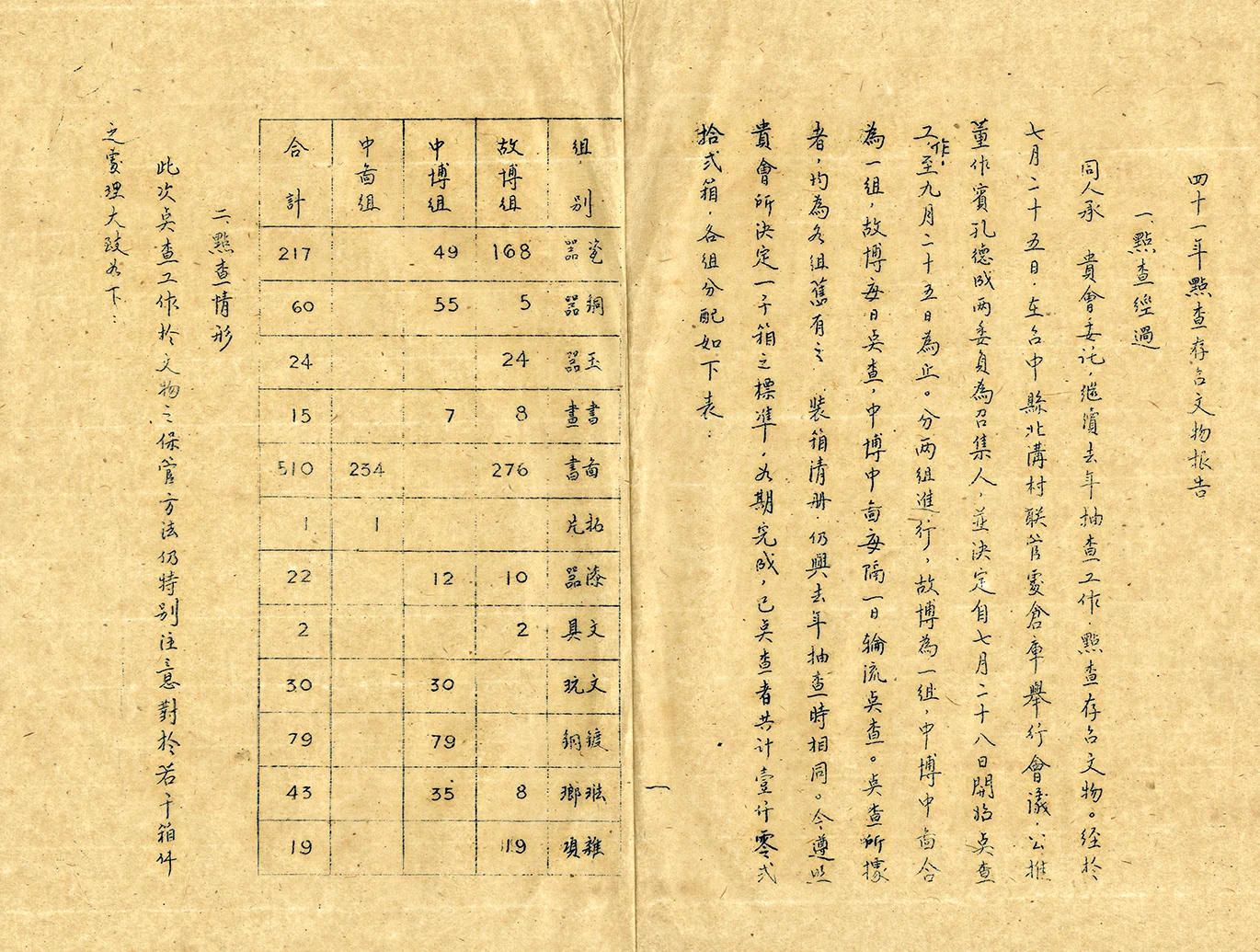
The collection's Taiwan history also includes places far from today's Taipei galleries. After temporary storage at a Taichung sugar factory in 1949, objects were moved to Beigou in Wufeng in 1950. Ventilation and protection from damp mattered as much as the strength of a wall.
Checking followed storage. Sample inspections in 1951 were followed by box-by-box, object-by-object checks from 1952 to 1954. In his later account of Beigou, photographer Chuang Ling (莊靈) recorded this work. An inventory was not merely a list of famous names: it connected an object to a box and an earlier record. Corrections to records and the condition of the objects were separate questions.
These tasks are less spectacular than a celebrated carving, but they explain how a collection can remain identifiable through relocation. The museum's history includes patient comparison as well as movement across a map.
A Korean curator came to learn
The connection with Korea also extends behind the display cases. The National Museum of Korea records that curator Sang Su Lee trained in clay and ceramic objects at Taiwan’s National Palace Museum in 1975. This is a documented journey to learn about caring for objects; the record does not identify a particular repaired object or a technique he later introduced in Korea.
The museum’s later ceramic-restoration film makes this less visible work tangible. A conservator checks broken edges, prepares an adhesive, aligns fragments and works on missing areas. The film explains why the chosen adhesive must be removable: materials can change over time, and a future treatment may require undoing an earlier join. The footage documents later work in Taipei, not Lee’s 1975 training.
Conservation therefore includes choosing how to intervene, as well as leaving room for the next person to work. The museum describes condition assessment and scientific analysis as aids to choosing suitable methods and materials. In the public galleries, the visible object is only one part of that longer chain of care; a normal visit does not include access to the conservation workshop.
Reading the museum in Taipei
The Taipei museum opened in 1965. A visit today can hold the making of an object and the later care of it in the same frame. Start with one material—jade, porcelain or paper—and give yourself time to compare a few works rather than chase an entire checklist.
Read dates and provenance alongside shape and colour. A collection can bring older artistic traditions into present-day Taiwan while also recording the institutions and people who kept it there.