A bun that is bought to take home
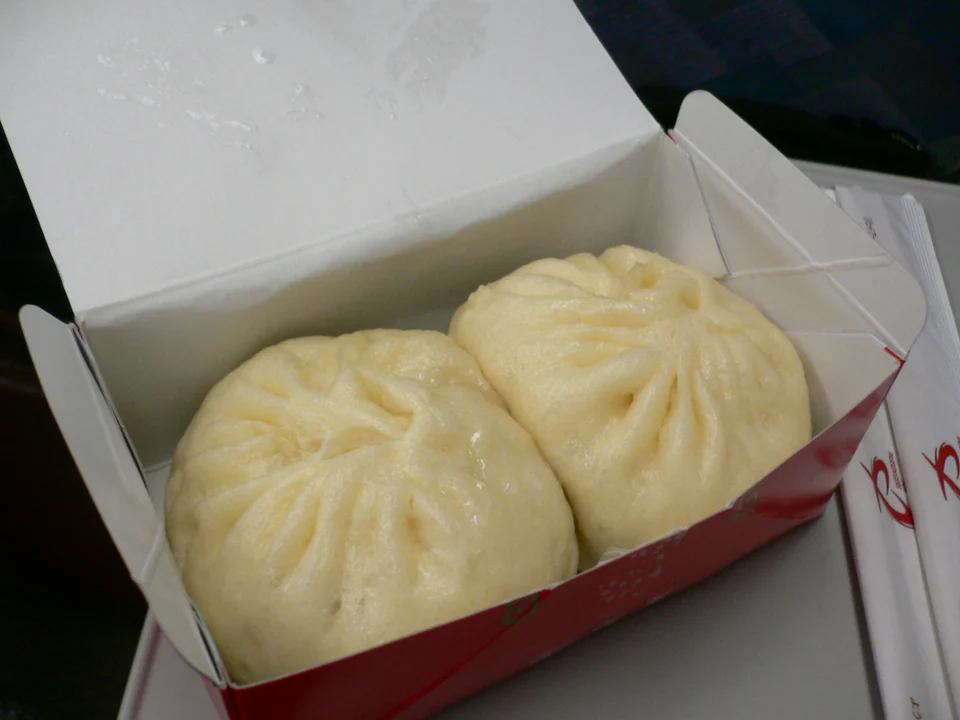
551HORAI’s current product page describes diced pork and onion enclosed in slightly sweet dough. Its packaging gives that ordinary combination a recognisable public presence: pork buns are something to buy, carry and share after a trip to Osaka. A speciality depends on those repeated uses as well as on the recipe inside it.
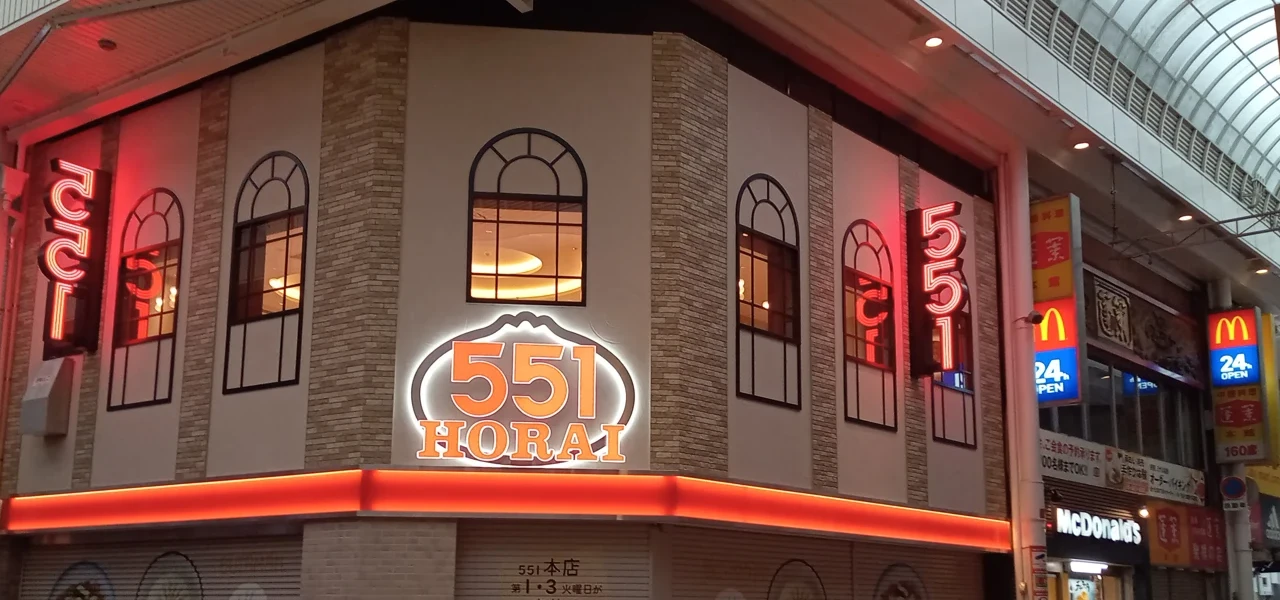
At the Ebisubashi main store, takeaway sales occupy the first floor and restaurant dining takes place upstairs. The same pork bun thus belongs to two settings: a meal eaten in the city, and food carried away from it. To find the Taiwan connection, follow the person who first had to decide what this business would serve.
Before the pork bun, a dining hall
The company’s chronology begins in 1945, with a dining hall called Horai Shokudo in Namba and founder Luo Bangqiang. The first food it lists is curry rice. This starting point is a reminder of a working business looking for customers in post-war Osaka. The pork bun, introduced the following year, was a subsequent decision.
A Hanshin Expressway interview with Horai staff records Luo and his fellow founders as Taiwanese-born. Taiwan’s Rti identifies his place of origin as Chiayi. The city now associated with the bun and the founder’s home city are different parts of one life. The account does not require an unchanged Taiwanese family recipe: what can be followed is his work in Osaka.
Making a Kobe idea work in Osaka
Horai’s own history gives the next move a clear object. Luo noticed pork-filled steamed buns sold in Kobe Motomachi and thought a filling food that could be eaten easily might suit Osaka. The company recalls making its version larger and adjusting the seasoning. He was working with a food encountered in another Japanese city, then changing it for the customers of his own restaurant.
The name changed too. The company chose the concise butaman, explicitly naming pork. It explains that niku, or meat, commonly suggests beef in Kansai. Naming therefore helped the customer recognise what was being sold. Recipe, portion and a word on the menu worked together; the bun’s Osaka identity was formed through those choices.
Showing the making, then organising the journey
In 1952 Horai began making pork buns and shumai in view of customers at the shop. Food previously ordered inside a dining hall could now be watched, bought and taken home. The company presents this change as a way for families and friends to share the products in their own living rooms. Selling altered the bun’s place in everyday life.
The more recent staff interview describes another part of the work: batches of dough sent from the Osaka factory, with fermentation and delivery time kept in mind. Shops hand-finish and steam the buns. A limited delivery area supports that organisation. The familiar package sits at the end of a schedule involving factory workers, drivers and shop staff, not just the founder’s first idea.
Return to Chiayi and read a city through its food
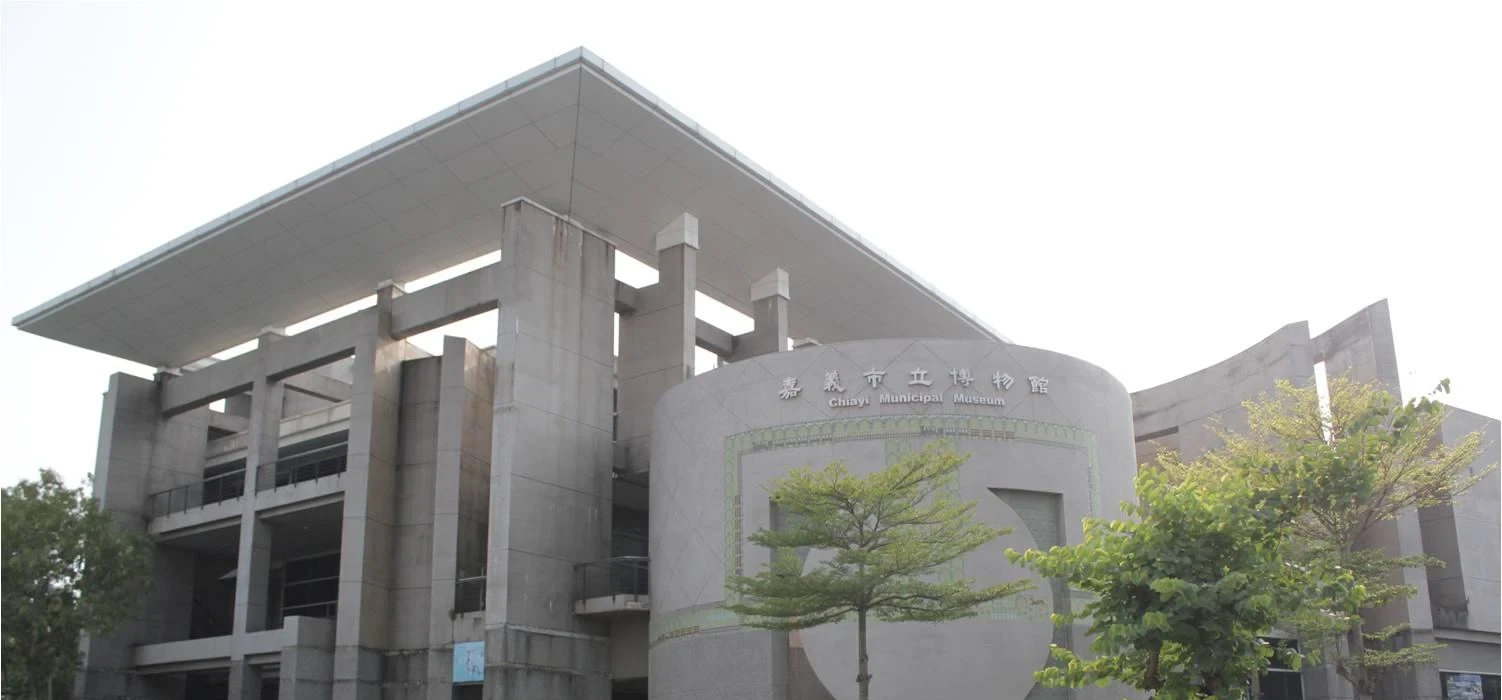
Luo’s Chiayi origin offers a reason to stop in the city before reducing his life to an Osaka brand. Chiayi Municipal Museum’s Prospect of Zhuluo permanent exhibition brings the local economy, urban changes and food into one account. Its economic section describes a city serving surrounding agriculture, sugar production and forestry. The food section, Flavours of Chiayi, follows the people whose arrivals brought different foods into local life.
Begin with those two sections and look for the links between goods, transport, work and eating. This visit provides the background of a city; it is not presented as Luo’s home or a display of his personal possessions. Carrying the question back from Osaka changes what can be noticed in Chiayi: a famous food may begin with someone leaving, learning elsewhere and deciding what another city needs.