Begin with the name on a bottle
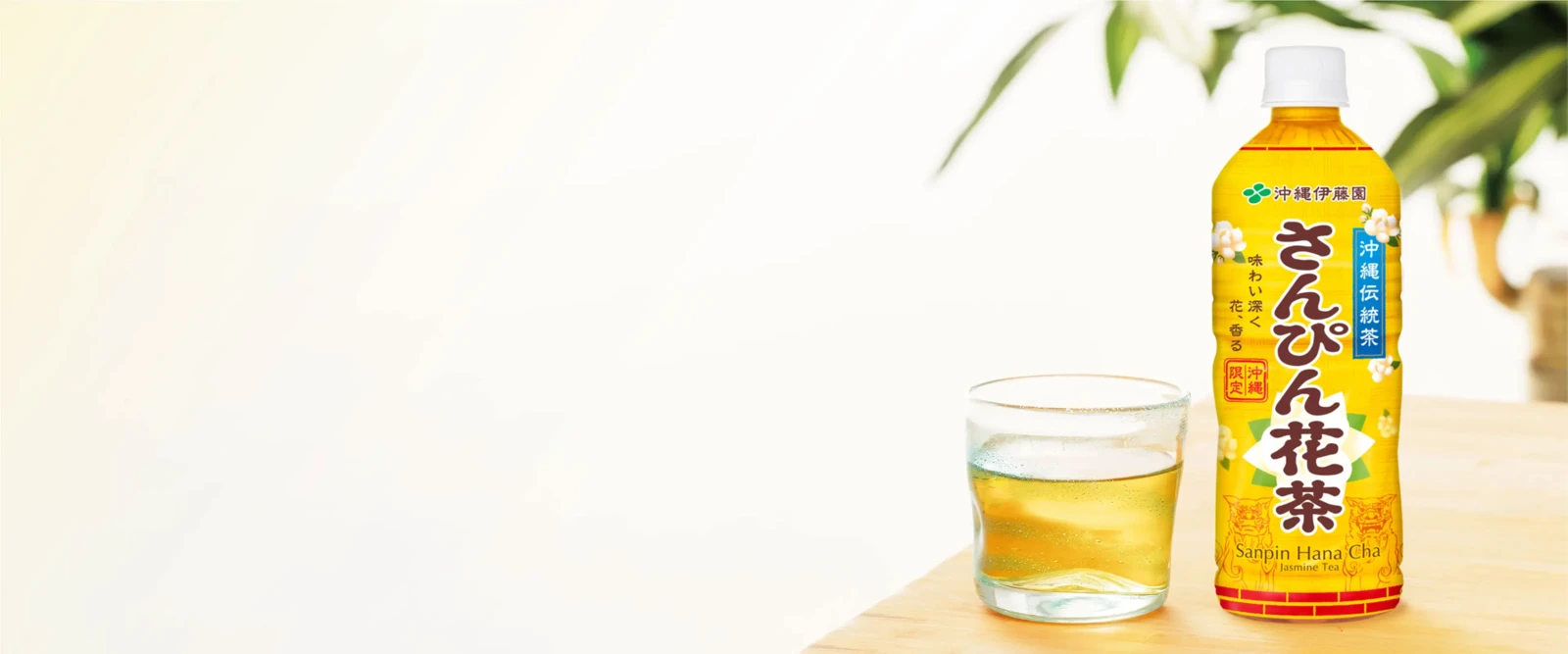
Sanpin-cha is a recognisable name in Okinawa. Okinawa Ito En’s chronology records the launch of its Sanpin Hana Cha product in 2001; its current range includes bottled, canned and loose-leaf versions. Those formats give the tea different places in a day: a drink ready to carry, or leaves that still need to be brewed. The name travels between them.
A bottle provides a useful starting question: who supplied the leaves, and where did they become the drink? To follow the Taiwan connection, move from the front label to an earlier trader’s work. His account leads to people buying, processing and shipping tea across the sea, before the ready-to-drink bottle existed.
A trader’s route from Taiwan to Naha
In an interview article published in Koryu in 2018, tea researcher Tsutomu Suga recorded his conversation with Tanaka Yoshio (田中義夫). Tanaka recalled moving from Taiwan to Miyako Island around the 1947 February 28 Incident, farming there and later working as a cook in Naha. In 1956 he began trading tea. A new livelihood grew through several kinds of work after the crossing.
Tanaka described bringing tea from Taiwan and seeing fermented tea combined with jasmine at a Dadaocheng processing factory. His recollection gives the trade a workplace and a witness. The Taiwan connection becomes an action that can be followed: someone crossed the sea, found a business, and went back to see the processing behind what he sold.
An old package keeps another route visible
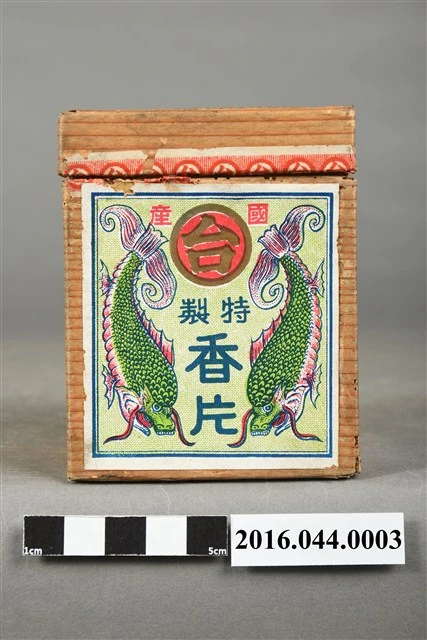
The National Museum of Taiwan History keeps a Qianmao jasmine-tea package, catalogued to 1945–1965. Its yellowed box still carries the company label and the words Specially Made Jasmine Tea. The museum’s account describes Taiwanese tea merchants’ Okinawa trading offices and Qianmao-branded tea sold on Ishigaki and Miyako in a 1938 survey. The package sits within a trade older than Tanaka’s business.
Its later journey is documented too: tea proprietor Tagawa Shinji gave it to scholar Hsu Hsien-yao, who passed it to the museum. Packaging made to identify a product became a surviving witness to its circulation. Read the online collection record alongside the image: the lettering, company mark and recorded handover make this connection more precise than a general similarity between two cups of tea.
Read the contents as carefully as the name
An article Suga published in 2018 records a visit to Naha’s Chasen tea shop and a long pink paper wrapping. Proprietor Matsumoto Harufumi explained that the wrapping survived after the contents had changed from Taiwanese to Chinese tea. An everyday object could keep its familiar appearance while the supply behind it shifted. This was the shopkeeper’s account at that visit, a dated glimpse of a changing trade.
Today the 600 ml Sanpin Hana Cha product page distinguishes its ingredients from its manufacturing place: it lists Chinese sanpin tea and production at Ito En’s Okinawa factory. Read those two entries separately. Taiwan’s role in older processing and trade remains part of the history, while each contemporary product has a supply that can be checked on its own label. A local tea tradition can continue through such changes.
Return to the rooms where tea became an export
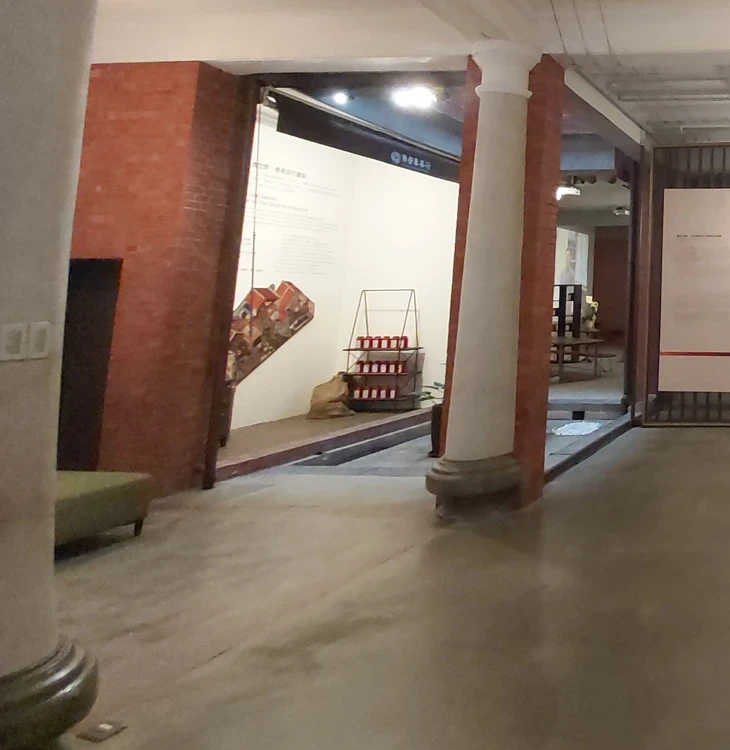
In Dadaocheng, Sin Hong Choon Tea House preserves a different tea firm’s premises, built in 1934. Taipei’s cultural account describes a shop at the front of the ground floor and tea-roasting and processing rooms behind it. Offices and reception rooms occupied the second floor; family life was on the third. Trade, production and a household shared one building, with work continuing beyond the street-facing shop.
Begin with the ground-floor spaces available during your visit: follow the movement from selling at the front to processing behind it, using the building’s interpretation. Tanaka’s testimony and the Qianmao package give reasons to look for that work. Sin Hong Choon provides a preserved setting in which to understand it; no evidence identifies this building as Tanaka’s supplier or Qianmao’s factory. The visit turns a familiar Okinawan name into questions about the rooms, labour and merchants needed to send tea away.