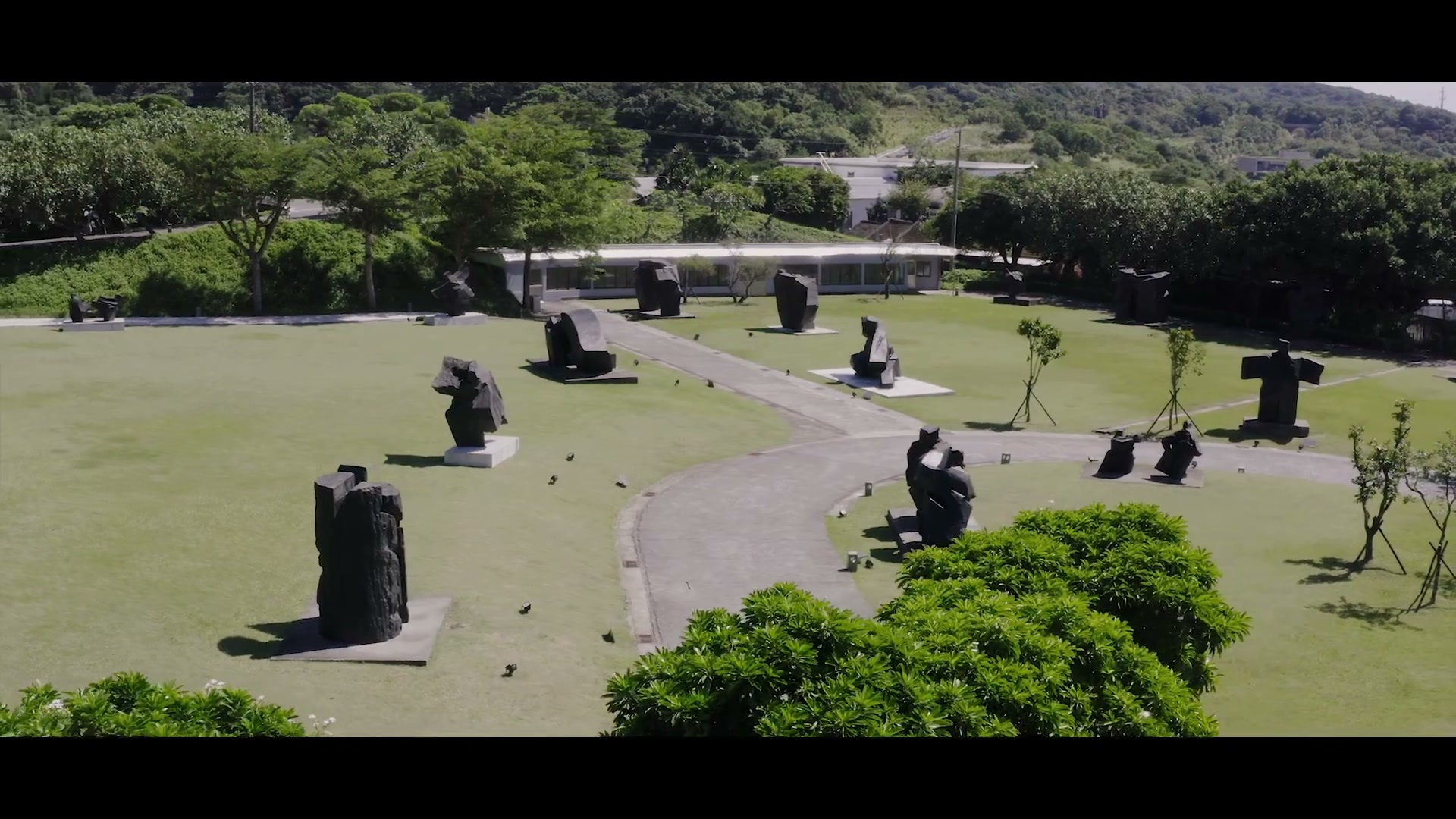
Small pieces, a bigger world
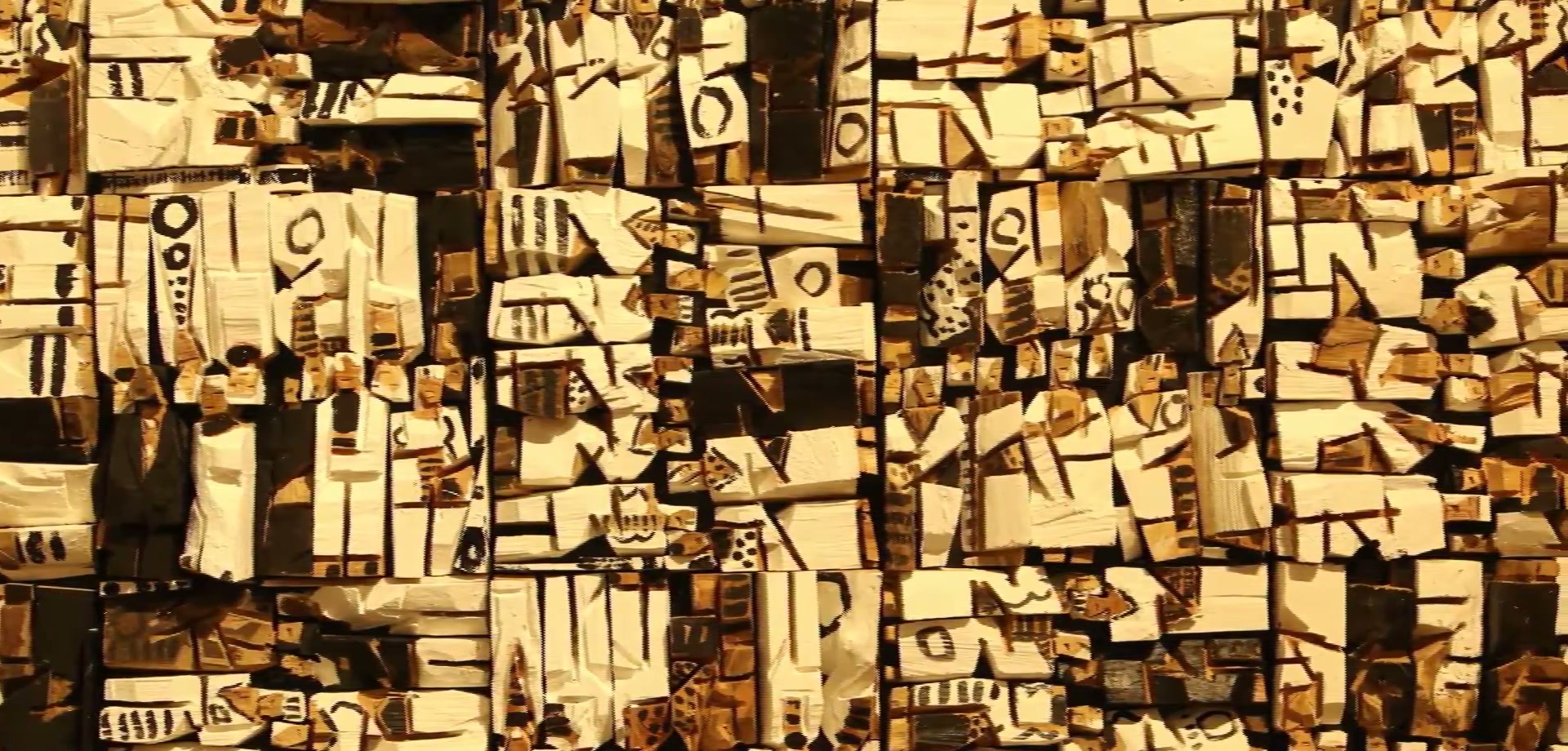
What can more than a thousand small carvings become? For his October 1981 exhibition at Max Hutchinson Gallery in New York, Ju Ming assembled small works made in America into a large wall piece and a cubic construction. The finished scale invites a closer question: how did he obtain the wood in the first place?
That question leads back to May 1980, when Ju travelled to the United States with fellow artist Liang Yi-fen and began working in Brooklyn. He had already developed a sculptural practice in Taiwan. In New York he encountered different conditions for finding materials, securing space and making his work visible. Friends’ practical help and changes in his own methods allowed the work to continue.
When large timber was difficult to obtain
Juming Museum research supervisor Chen-Ching Lin reconstructed this period through personal letters, interviews and gallery records. The study describes how, after arranging accommodation, Ju obtained familiar materials with help from artist Hsieh Li-fa and other friends. Material was a practical condition of making a work, affecting both its beginning and its possible scale.
In a later interview, Ju explained why he used small pieces to make larger structures. Large timber had been difficult to obtain in America. After buying it once, he did not want to keep depending on that approach. Smaller pieces could instead be assembled into a larger work. He recalled that obtaining large timber in Taiwan had been comparatively straightforward; the changed circumstances encouraged another method.
Here the connection across the Pacific becomes a visible artistic choice. Knowledge developed through woodcarving in Taiwan travelled with him. Conditions in New York then encouraged a new way of assembling what he made. In front of a work, count a few of its units before stepping back to see how they relate to the whole.
From a studio to a gallery
The work in New York also involved finding someone willing to look. Lin’s study records Ju approaching galleries in SoHo. Max Hutchinson later visited the Brooklyn studio, agreed to organise an exhibition and became Ju’s representative in the United States. Their collaboration connected the act of making with another space for showing and viewing.
The gallery exhibition ran from October 6 to 31, 1981 under the title Tai Chi. It also included assemblages associated with his Living World work. The title does not mean that he abandoned Tai Chi, and later Living World sculptures must not all be dated to 1981. Earlier that year, in February, Taiwan’s National Museum of History had already shown a group of works, including thirty brought back from America and others made after his return.
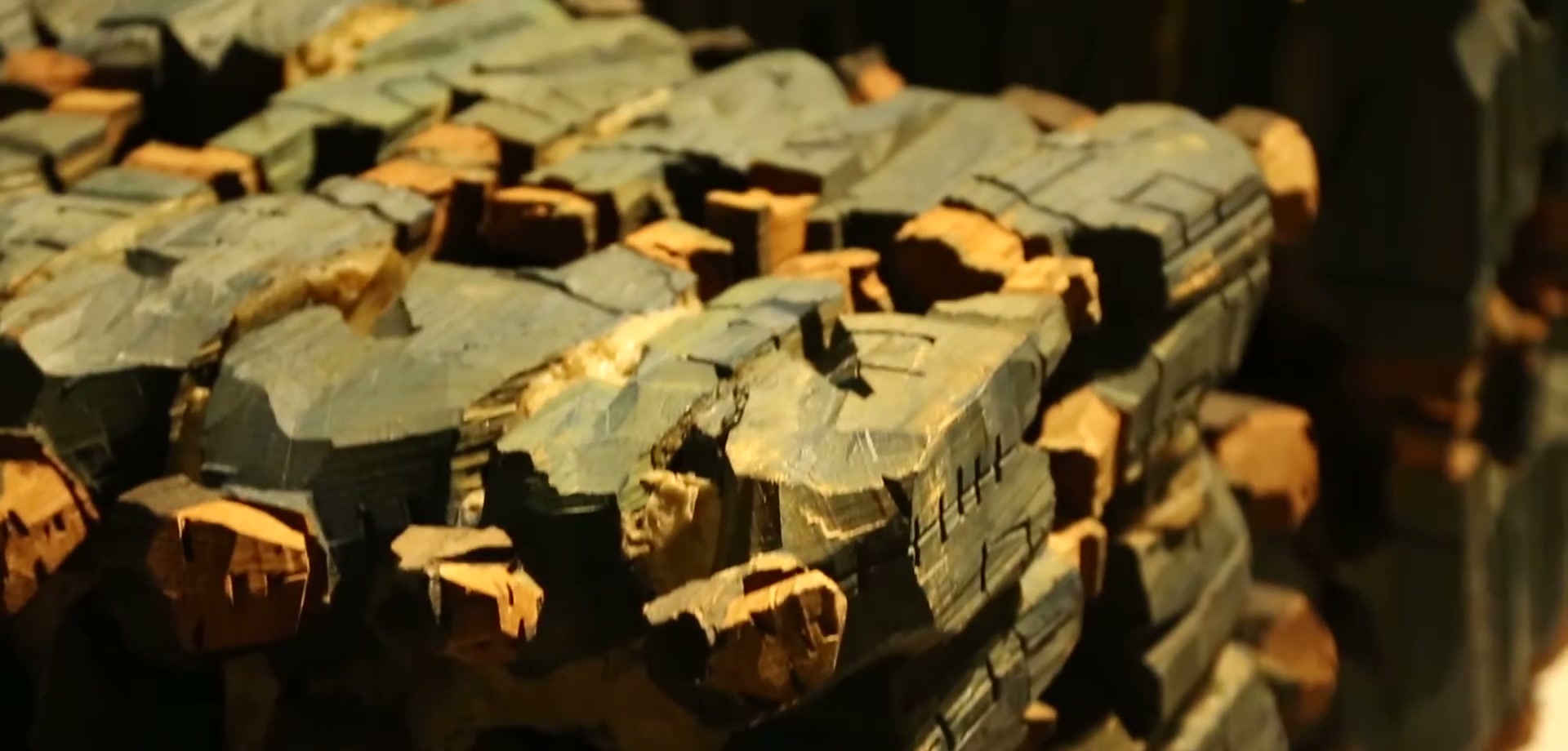
The journey therefore moved in both directions: dealing with material and exhibition problems in New York, carrying results back to Taiwan, then continuing to work in different settings. Scale, colour and material did not settle into a single form after one exhibition. The museum’s 2016 wood-sculpture exhibition offered a later comparison of coloured, white-painted and unpainted works. Those filmed displays are historical, not an exhibition still running from 1981.
Back in Jinshan: read the cuts and the joins
Ju began his training in Taiwan as a traditional woodcarving apprentice, studying with Lee Chin-chuan before learning sculpture from Yuyu Yang. His overseas work carried that experience into new settings. Skills already learned became a basis for testing different materials and structures. Following this journey reveals a part of Taiwan’s culture in which making continues to change through people’s movement and decisions.
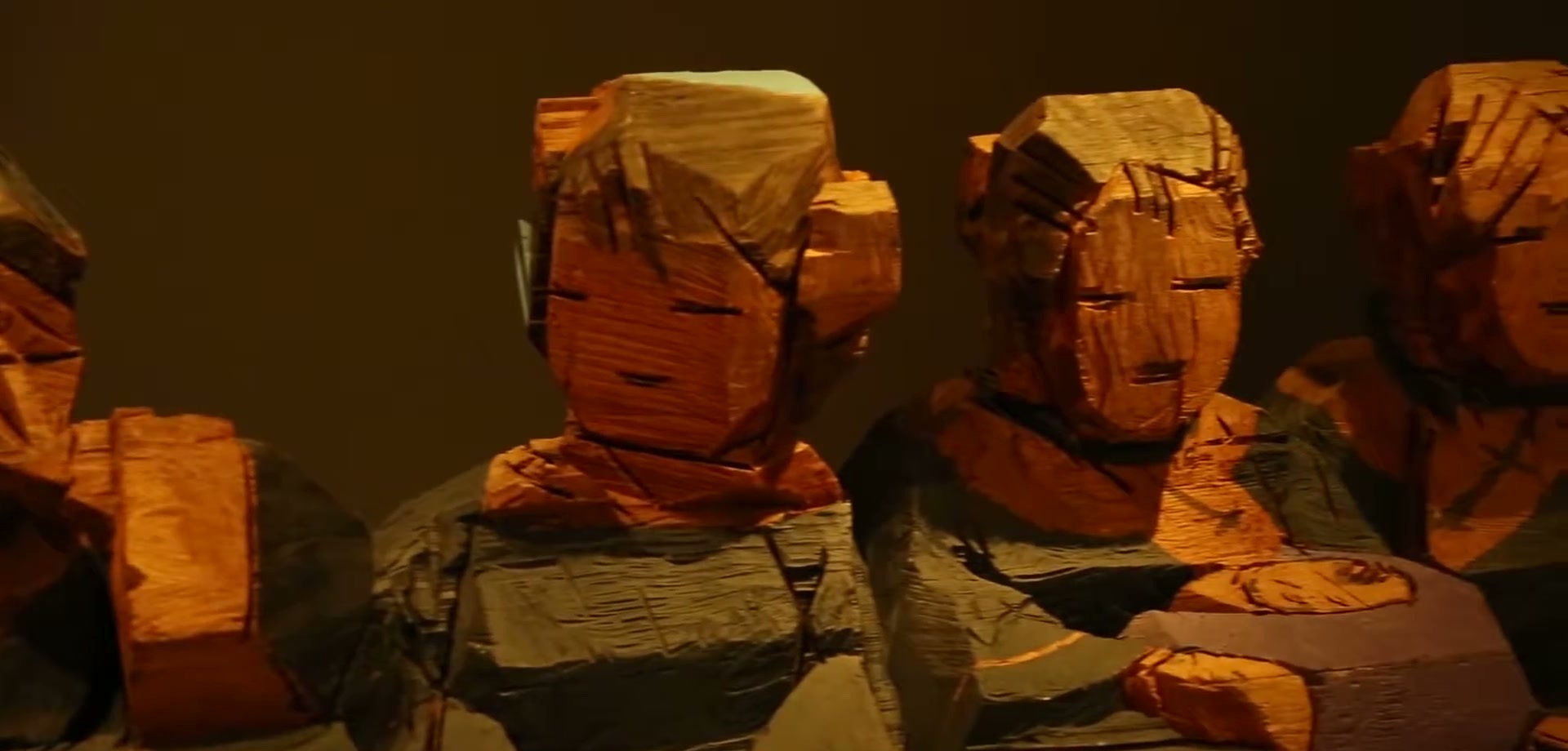
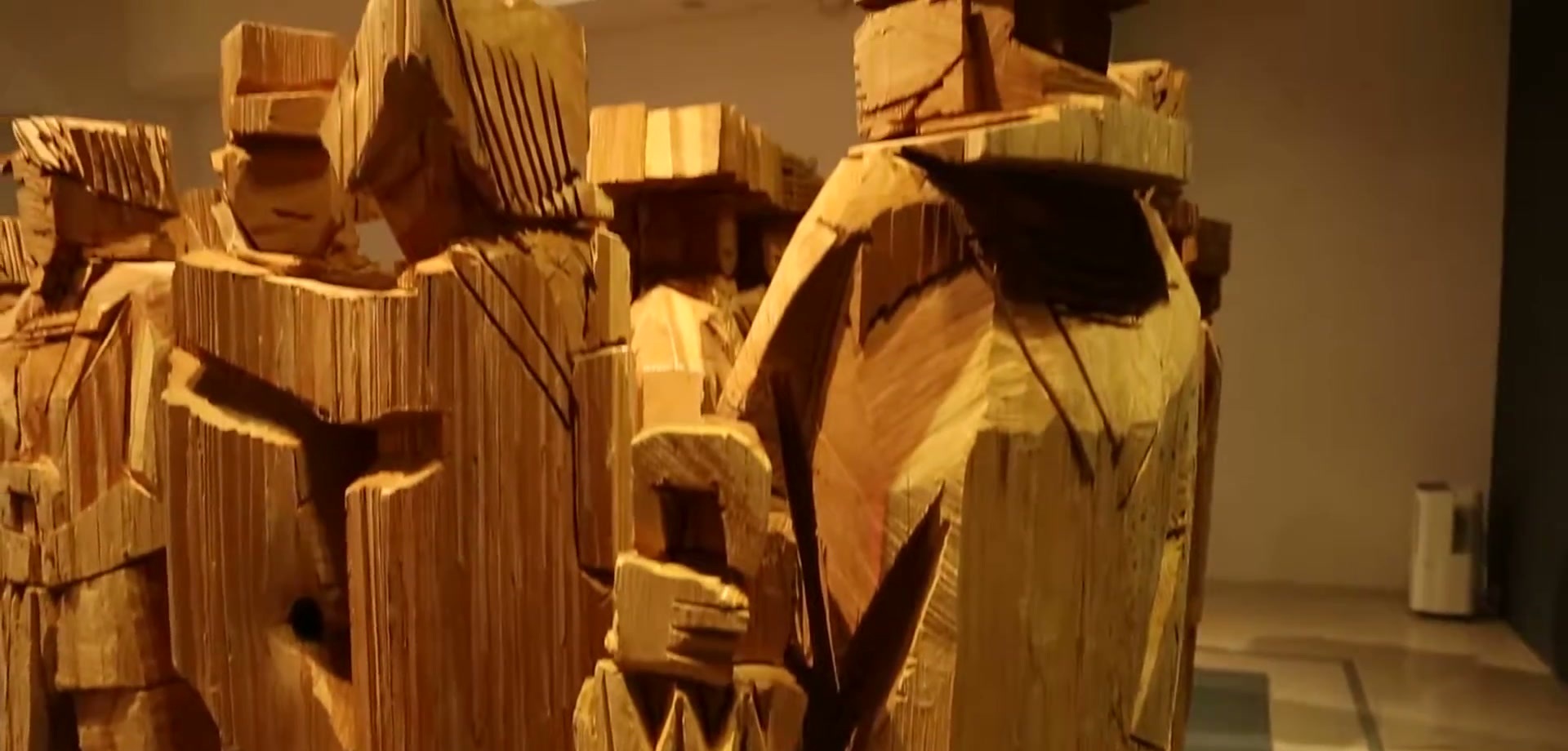
At Juming Museum in Jinshan, New Taipei City, bring the visit back to the distance between a work and your body. Start far enough away to read a group, then look more closely at cuts, grain and colour. If wood sculptures are on view, compare the outline of an individual figure with the arrangement of a group. If displays have changed, follow the current labels instead of expecting the 2016 exhibition to reappear unchanged.
Planning today’s visit
Juming Museum is at No. 2, Xishihu, Jinshan District, New Taipei City. The museum’s current information lists opening hours as 10:00–17:00, with ticket sales ending at 16:00. It closes on Mondays except national holidays. A further closure for exhibition changeover is announced for December 21–25, 2026; check the current notice when planning around those dates.
November through April is the lawn-maintenance period, when visitors are asked to keep off the grass. Use the park’s paths and open display areas. People walking across grass in historical footage do not establish permission to do so today. Confirm transport, shuttles and current displays for your intended date; this draft promises neither a fixed service nor the display of a particular 1981 work.
Bring one practical question: when a large piece of timber is hard to obtain, how can someone find another way to keep making? Looking from the result back to the method, and from New York back to Taiwan, reveals decisions that remain part of the sculpture’s story.