
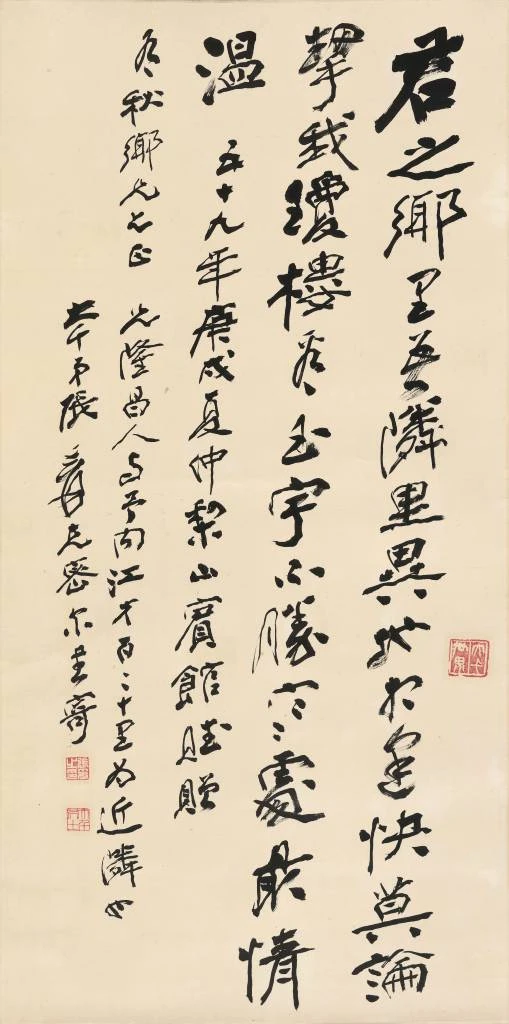
A scroll goes back to Neijiang
In March 2019, Cheng Yuping donated Chang Dai-chien’s calligraphy scroll to the Neijiang memorial museum on behalf of his family. The work had been kept for almost fifty years. For someone who knows the hometown museum, this object opens a story about a house offered elsewhere.
In May 1970, Cheng’s father, Cheng Youqiu, received Chang during a visit to Taiwan and lent him a home. After returning to the United States, Chang sent the poem and a peach painting in thanks. Hospitality had acquired a form that another generation could keep and later return.
Objects hold different journeys
The Neijiang museum’s current collection page lists the 1970 calligraphy by title. That identifies the object behind the family account, while it cannot promise that the scroll will be on view on every visit. A named work gives the story a firmer starting point than a general claim about homesickness.
Chang’s later home in Taipei belongs to a separate chapter. The borrowed house and the garden should remain distinct; the surviving account does not identify them as the same address. Keeping that difference allows both the host’s generosity and the painter’s own building work to retain their meaning.
The painter makes a place to stay
Maya’s Abode was built from 1976 and completed in August 1978. Chang designed a two-storey courtyard house at Waishuangxi, paired with a Chinese garden. After years of making homes in different countries, this became a place where everyday living and continuing artistic work could meet.
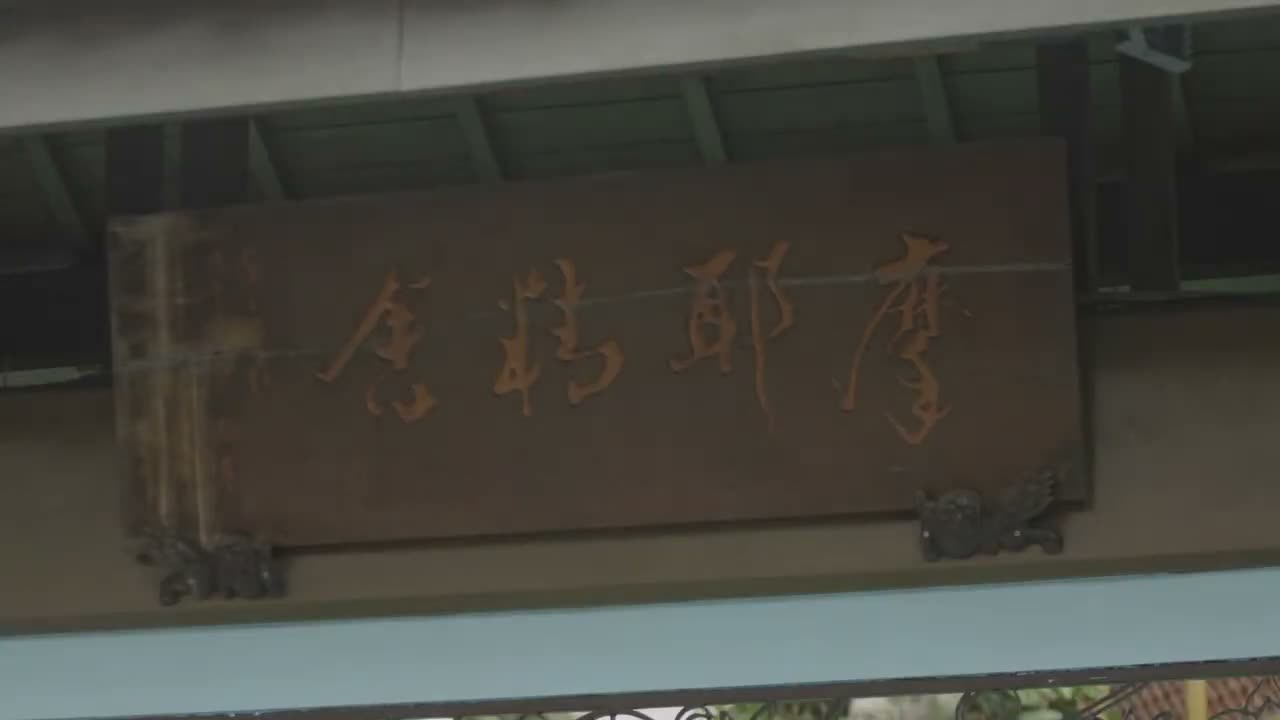
After Chang died in 1983, his family followed his wishes and donated the residence for a memorial museum under National Palace Museum management. A family home entered a public duty of care. Its rooms could now help visitors approach the painter through how he lived, as well as through finished paintings.
Guests and paintings need different rooms
The museum’s house description places the reception room beside the large studio. Upstairs, a mounting room was provided for craftsmen to mount paintings. The arrangement gives the visitor a practical question: which kinds of work needed company, and which needed their own space and skilled hands?
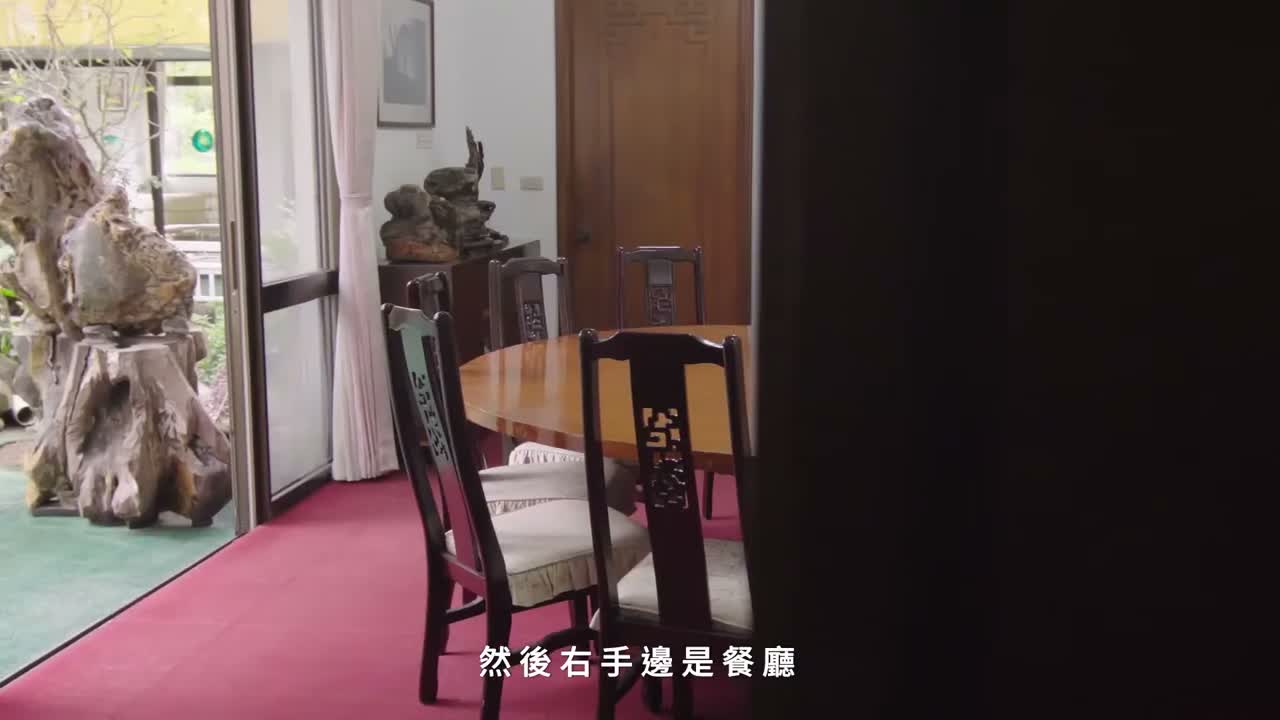
In the dining room, a handwritten banquet menu records dishes for guests. Reading across its compact lines takes the visitor away from the monumental artist’s name and towards a household preparing a meal. The menu shown here is a preserved object, rather than a meal available to order today.
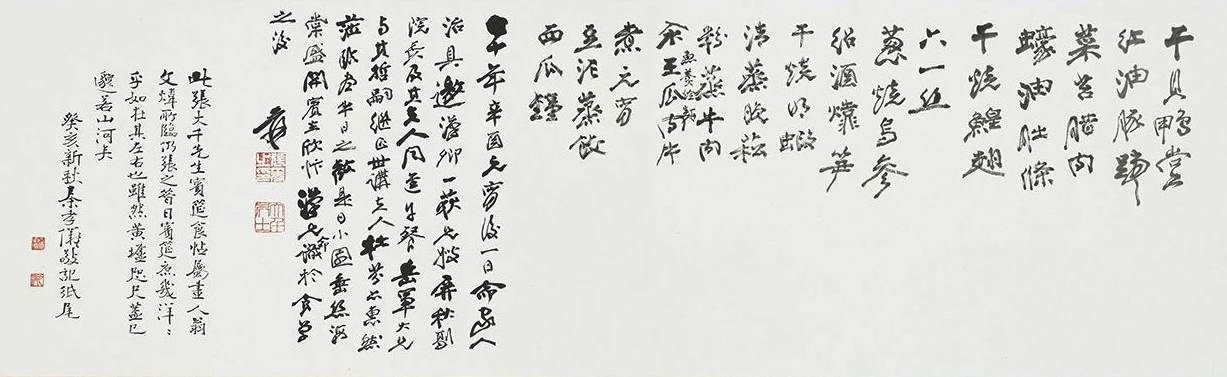
Original image information
國立故宮博物院(原頁未標示個別攝影者) · Original · Government Website Open Information Announcement · Proportional WebP rendition; no crop. National Palace Museum photograph of the preserved banquet menu; capture date unspecified.The garden becomes another shared work
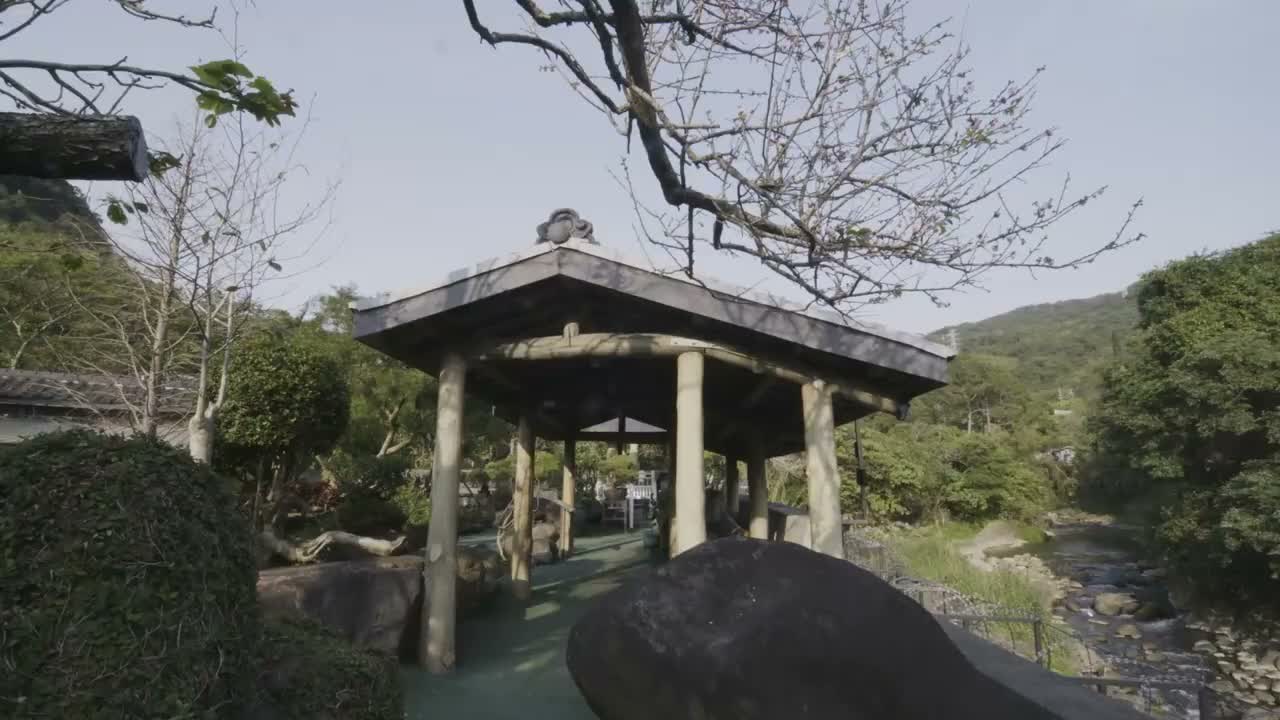
Around Ying-e Pond, the garden description names the Yiran and Fenhan pavilions. A separate barbecue place held jars for Sichuan pickles. These details make the garden more than a view outside the studio: it was also arranged for lingering, cooking and carrying habits from another home.
Photographer Hu Chung-hsien photographed the garden’s flowers; Chang added inscriptions to the prints. Photographic framing and handwritten response became a joint artwork. Their surviving works later travelled into collections and exhibitions, carrying this Taipei garden beyond the limits of the house itself.
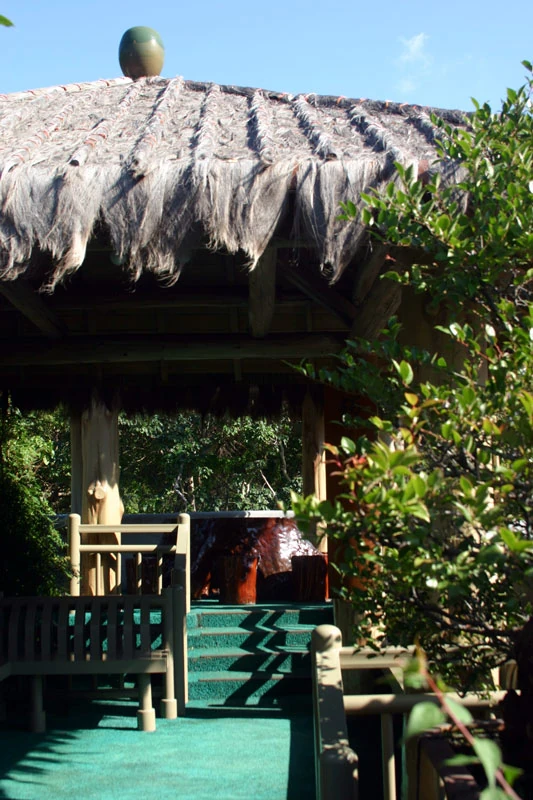
Original image information
國立故宮博物院(原頁未標示個別攝影者) · Original · Government Website Open Information Announcement · No crop; proportionally resized if over 1600px and converted to WebPA small group enters a cared-for home
Today’s visits to Maya’s Abode use advance booking, a small group and a Mandarin guide. The current form lists Saturday and Sunday sessions at 10:30, lasting forty minutes. The route belongs to the museum’s arrangements, so plan around confirmed access rather than treating the house as an open garden.
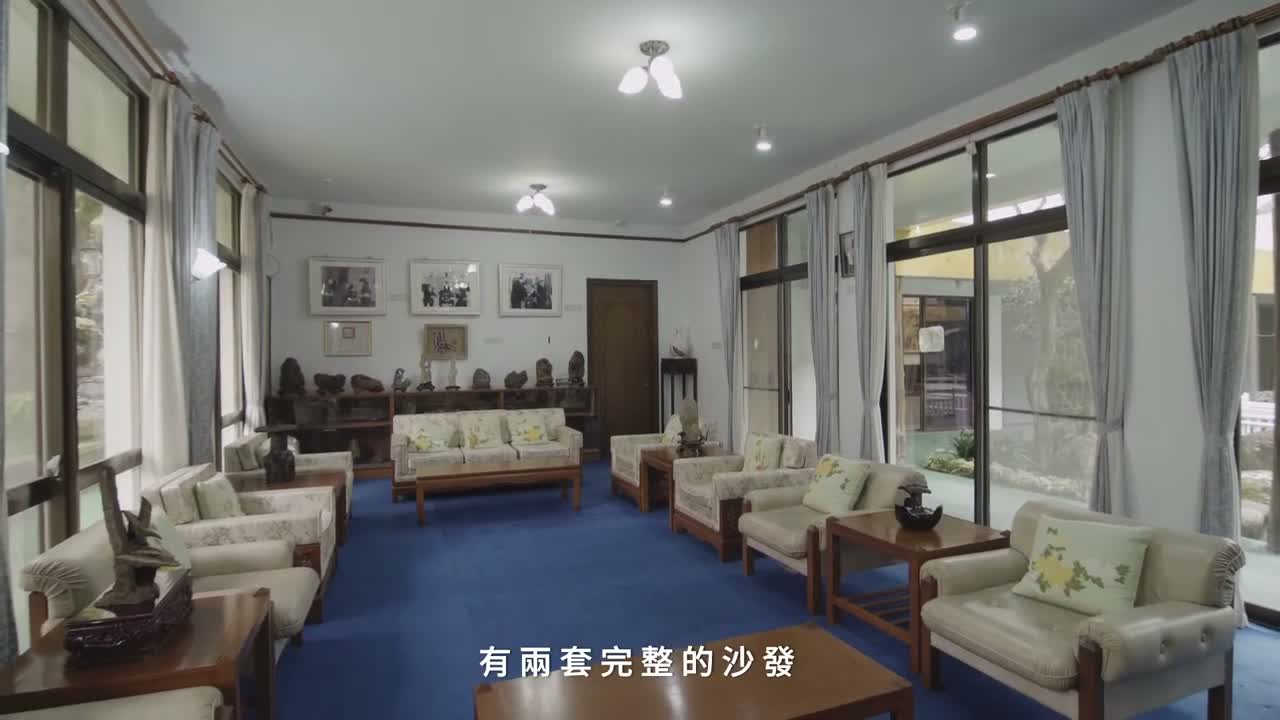
During the guided visit, look for the relationship between a room and its task: receiving someone, making a painting, mounting it, serving food or looking into the garden. A poem returned to Neijiang and a house preserved in Taipei hold different parts of a life. Both become clearer when the people doing the keeping are brought into view.