A Taiwanese name on a Nagoya bowl
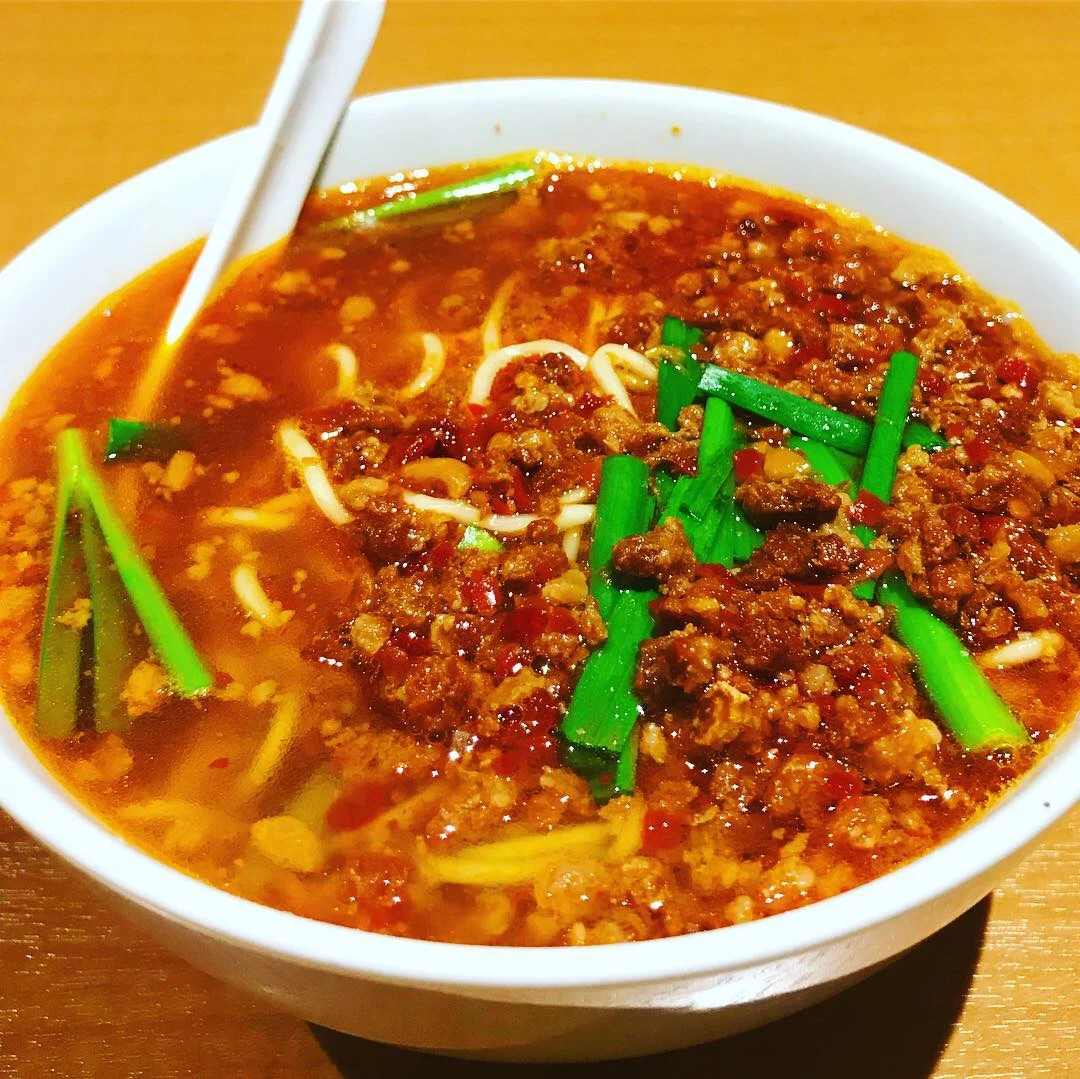
Minced meat and green chives cover the noodles, with chilli visible in the broth. In Nagoya, this is Taiwan ramen. Misen’s history identifies it as a dish developed in the city, inspired by Taiwanese tan-tsu noodles. The name points to a connection across the sea, but the finished bowl belongs to the place where it was changed and sold.
A useful question is therefore how the name became familiar in Nagoya. Misen’s published account recalls a meal first made for staff, then offered to customers who wanted to try it. A kitchen recipe became a menu item through ordinary encounters across a restaurant counter. Before it was a city’s speciality, someone had to cook it and someone else had to ask for a bowl.
A family’s work before the famous recipe
Kuo’s parents came from Taiwan, and he was born in Hyogo in 1940. His father’s family roots were in Dajia, Taichung. Kuo’s Taiwan connection was a family history carried into life in Japan, rather than a childhood spent on the island. That distinction matters when a dish’s name is used to tell the person’s story.
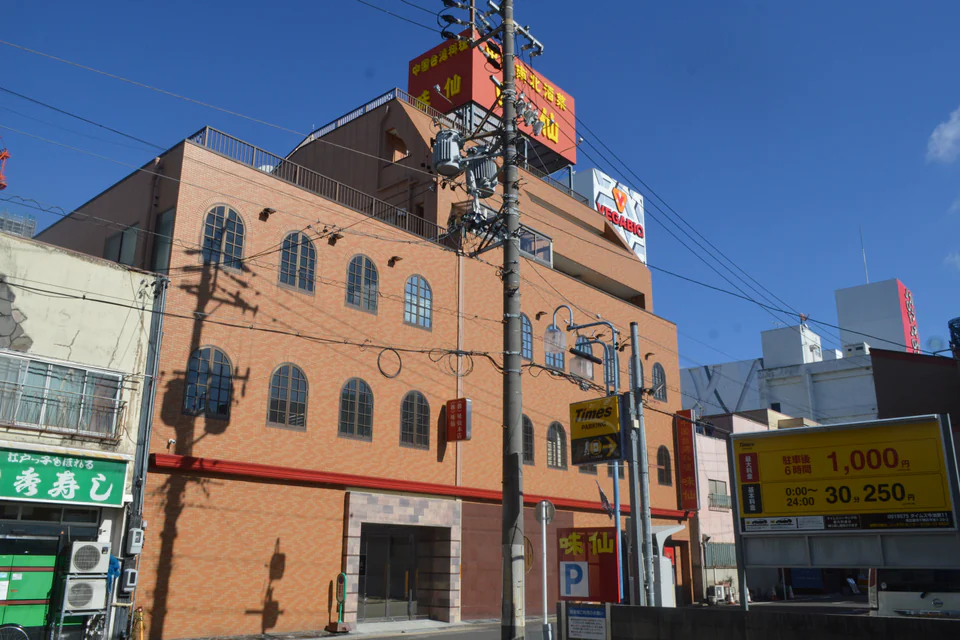
After the war the family settled in Nagoya. His father ran a Chinese restaurant, and Kuo eventually chose the kitchen when paying for further education became difficult. He renamed the business Misen and continued supporting the family through food. The story of Taiwan ramen begins with that practical decision: learning to cook well enough to keep a restaurant working.
An idea brought back from Huaxi Street
In his 2021 interview, Kuo placed the encounter around the time of the 1970 Osaka Expo. In Taipei, near Longshan Temple, he ate at a restaurant called Tainan Tan Tsu Mien. He wanted to make that dish in Japan. The trip gave him something concrete to work with: noodles, minced meat, garlic and broth, rather than a general idea of Taiwanese flavour.
The recipe changed during that work. The familiar tan-tsu noodle was not an intensely spicy dish; chilli and chives made the Nagoya version different. In a 2023 CBC programme, Kuo’s wife, Kuo Mei-ying, also connected its beginnings to his Taiwan visit. The programme followed the trail back to the Taipei restaurant, where pork mince and shrimp made the contrast visible.
A speciality shared by many kitchens
Misen’s accounts locate a larger spread during the spicy-food boom of the late 1980s. Other restaurants adopted Taiwan ramen, and the dish became part of Nagoya’s food vocabulary. Its history includes that movement between kitchens. A local speciality could grow beyond the restaurant that first put it on a menu.
The work remains more varied than a single bowl suggests. CBC’s filming at the Yaba branch showed separate cooks handling noodles, stir-fried dishes, fried food and fried rice. It also documented stocks prepared differently at different branches. Eating at Misen today means encountering a working restaurant with its own menu and organisation; it is not a replay of the first recipe.
The Taipei shop has travelled in its own way
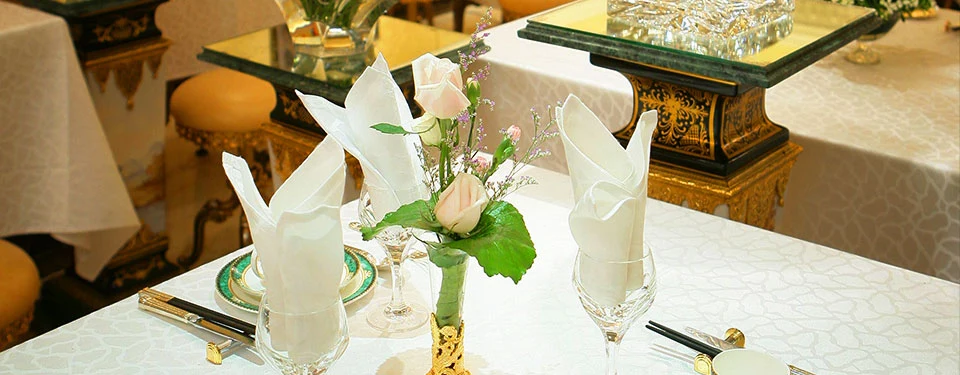
Huaxi Street’s Tainan Tan Tsu Mien Seafood Restaurant describes its beginnings as a roadside stall in 1958. Today it serves Taiwanese seafood in a dining room furnished with European tableware. Its name keeps the noodle at the front of the story, while its current setting shows the business’s own changes. Returning here connects the two restaurants through a documented meal and the work that followed it.
On a visit, look first at the restaurant’s sign and its place within the covered market street, then at the menu and table setting. If you want to compare noodles, ask about the current tan-tsu noodle offering when booking. The seafood restaurant’s dining arrangements deserve their own attention: a familiar noodle name does not promise a quick stall-style meal. The next part of this journey is a present-day reservation, with room to notice what each kitchen has become.