
The sweet taste had a factory behind it
Morimachi remembers Suzuki Tōsaburō as a pioneer of sugar refining. Following sugar to Qiaotou reveals the fields, factory work and colonial system that a founder’s biography cannot contain on its own.
A familiar sweetness becomes an industrial question
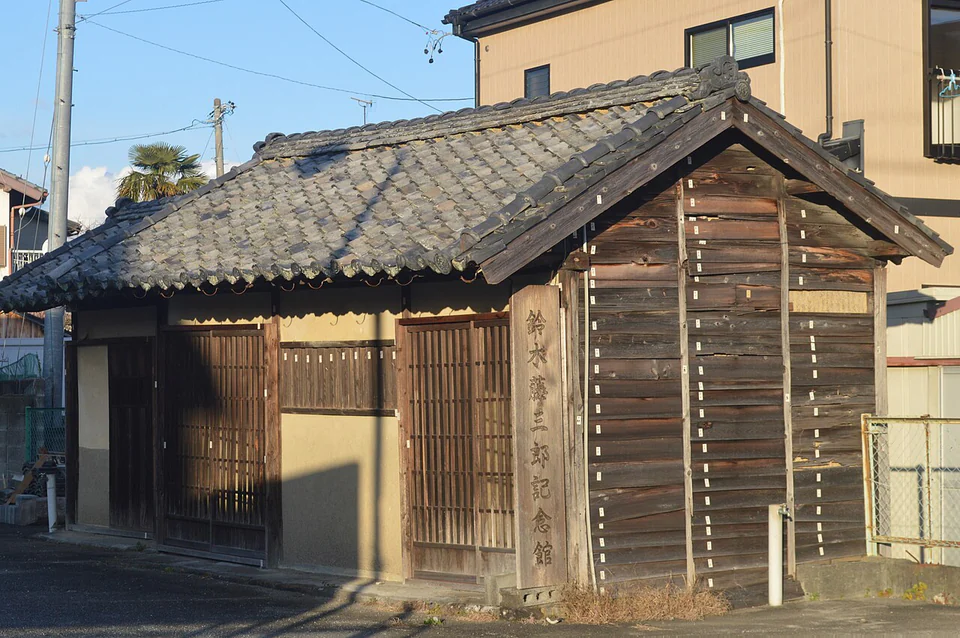
In the Shizuoka town of Morimachi, Suzuki Tōsaburō belongs to local history. Japan’s National Archives records his work making rock sugar in 1883, establishing a refining operation in Tokyo in 1890 and becoming president of Taiwan Sugar Manufacturing in 1900. His career connects experiments with sugar to a company operating across the sea.
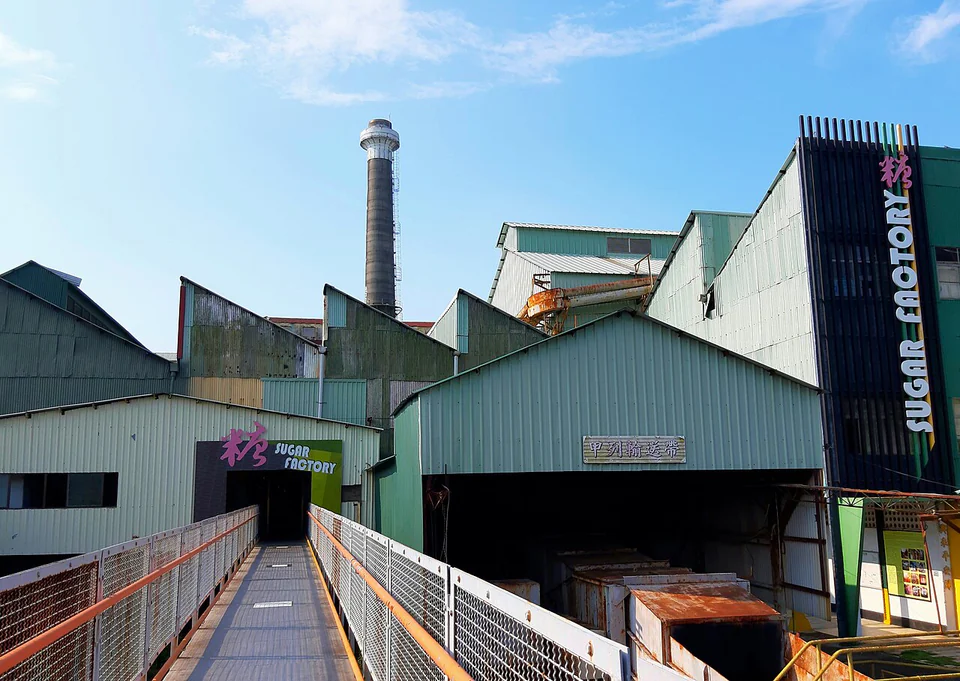
A biography can make that journey seem to end with an appointment. In Taiwan, it was the beginning of a much larger operation. Qiaotou, in present-day Kaohsiung, became a site where cane, transport and machinery had to work together. The factory stood within Japanese colonial rule, which shaped the conditions of industrial development. A useful invention and the system in which it was deployed are related questions, but they are not the same question.
The factory reached beyond its walls
A 1912 map held by the National Museum of Taiwan History marks sugar factories and their raw-material collection zones. It gives a different picture from a portrait of an entrepreneur: the factory was tied to a surrounding area expected to supply cane. The map cannot describe every grower’s experience, but its boundaries show why the history of sugar cannot be confined to machinery inside a building.
Cane had to be grown, cut and brought in before factory processing could begin. Looking at the remains of transport and production together keeps those stages connected. It also restores the scale of the work: an executive’s decision did not harvest a field or run a machine. The sweetness depended on repeated agricultural and industrial labour, much of which is less visible in commemorative accounts of a founder.
Sugar also travelled onward into other products. Archival accounts of confectionery describe Japanese manufacturers using Taiwan’s sugar and selling sweets back to Taiwan in the 1920s. The connection was therefore more complicated than raw material simply leaving an island. A crop entered manufacturing and returned as something purchased and eaten, linking agricultural production with changing consumer life.
Look for the sequence of work
At Qiaotou, use the publicly accessible factory grounds and interpretation to look for relationships between transport, processing and storage. Read the purpose of a structure before turning it into a backdrop. Surviving machinery can make industrial work visible, but a preserved factory does not mean every machine is operating or every interior is open.
This is a separate cultural visit, not a stop automatically included in a Shoushan walk. Give the factory its own time. Suzuki’s name supplies an entry from Morimachi; the site asks visitors to continue beyond that name, toward the people and land that made sugar production possible in Taiwan.
Taiwan places
Qiaotou Sugar Museum
Take Kaohsiung MRT to Ciaotou Sugar Refinery Station. Return by MRT.