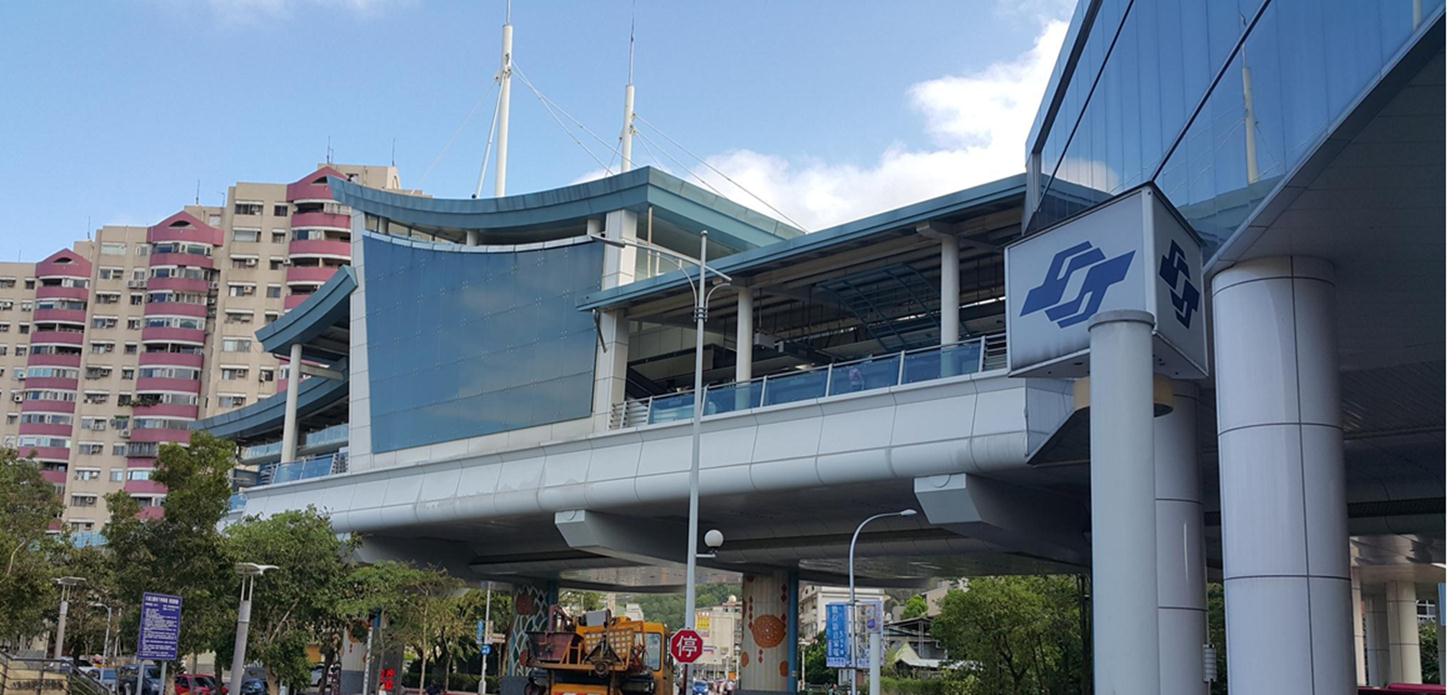
A familiar company name reaches Taipei
If you know Bombardier as a Canadian company, Taipei offers a different way to follow its name. In its 2009–10 annual report, Bombardier listed Montréal as its corporate headquarters and Berlin as the global headquarters of its transportation business. The connection begins with a company working across borders, rather than a claim about where a particular train was built.
On 29 June 2009, Bombardier announced its work on the Neihu extension: new vehicles and electrical and mechanical systems, alongside an upgrade of the existing Muzha line. It worked under Taiwan’s prime contractor, Kung Sing Engineering. Taipei Metro records the extension’s opening on 4 July, from Zhongshan Junior High School to Taipei Nangang Exhibition Center.
The decision was to avoid a transfer
Taipei’s Department of Rapid Transit Systems described the guiding choice plainly: people should not have to change trains between the old and new sections. That choice constrained the new vehicles to fit existing stations, track and tunnels. The Taiwanese team also required a shared train-control system, so the older vehicles and line equipment needed modification.
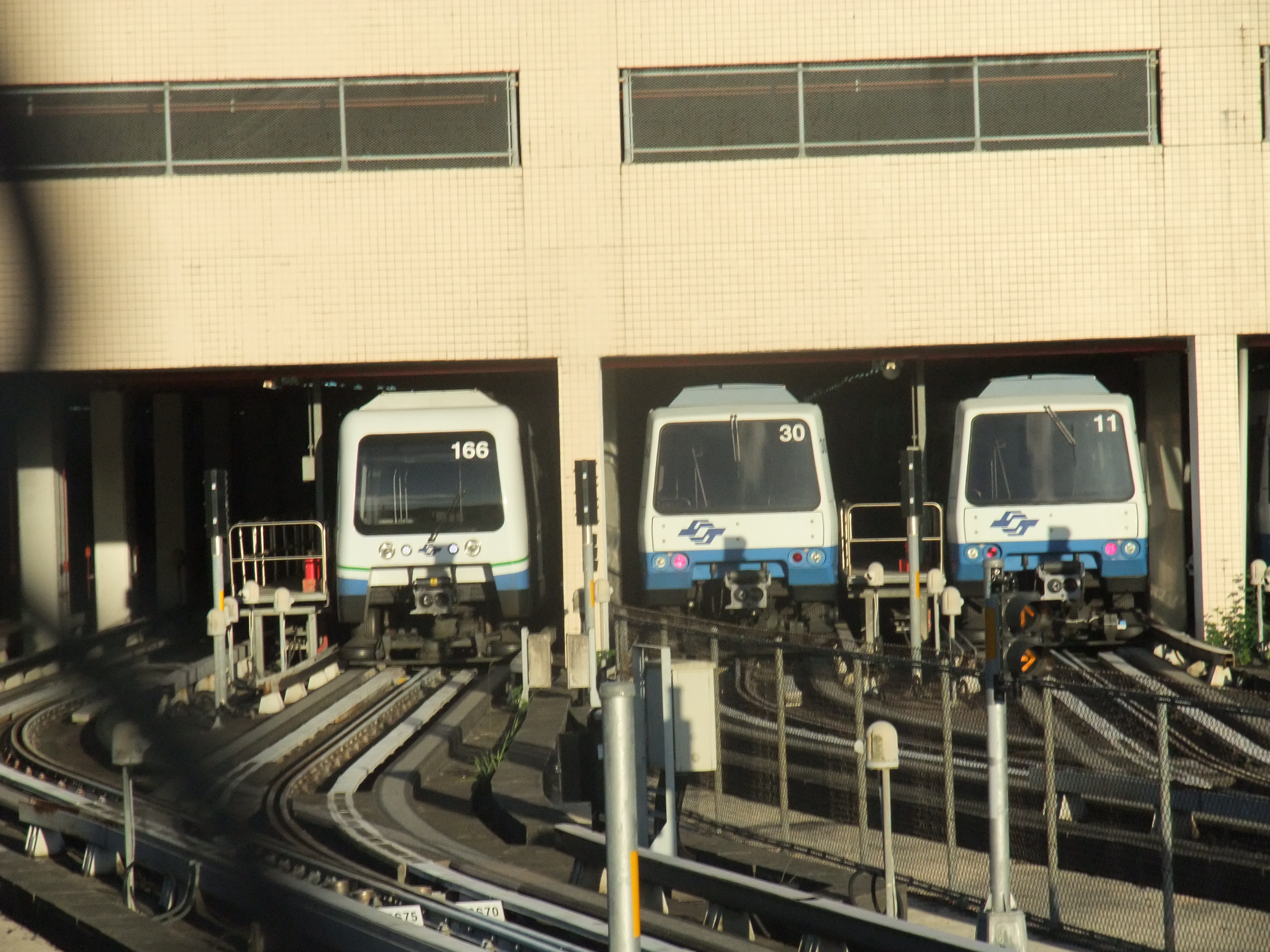
A photograph taken in Muzha Depot on 12 July 2009 makes the two generations visible side by side. The engineering account lists 101 new pairs of vehicles and 51 existing pairs to be accommodated in automatic operation across the line. Buying a new fleet was only part of the task; the old fleet had to find a working place in the extension too.
After the last passengers left
For most installation and testing on the operating Muzha line, the work had to fit into the short overnight closure. The engineers installed switching devices so tests could temporarily give the new system control, then return the line to its old system for service. Later integration tests also used specially approved service suspensions.
The account by DORTS officials Jou Shine-Kwei and Chiu Chui-Yie records the cost to people: contractors and supervisors gave up sleep and holidays, while neighbouring residents complained about night-time noise. Work windows also had to be negotiated with Taipei Metro’s maintenance teams. Keeping the railway running required people to coordinate whose work could happen when.
Opening did not finish the job
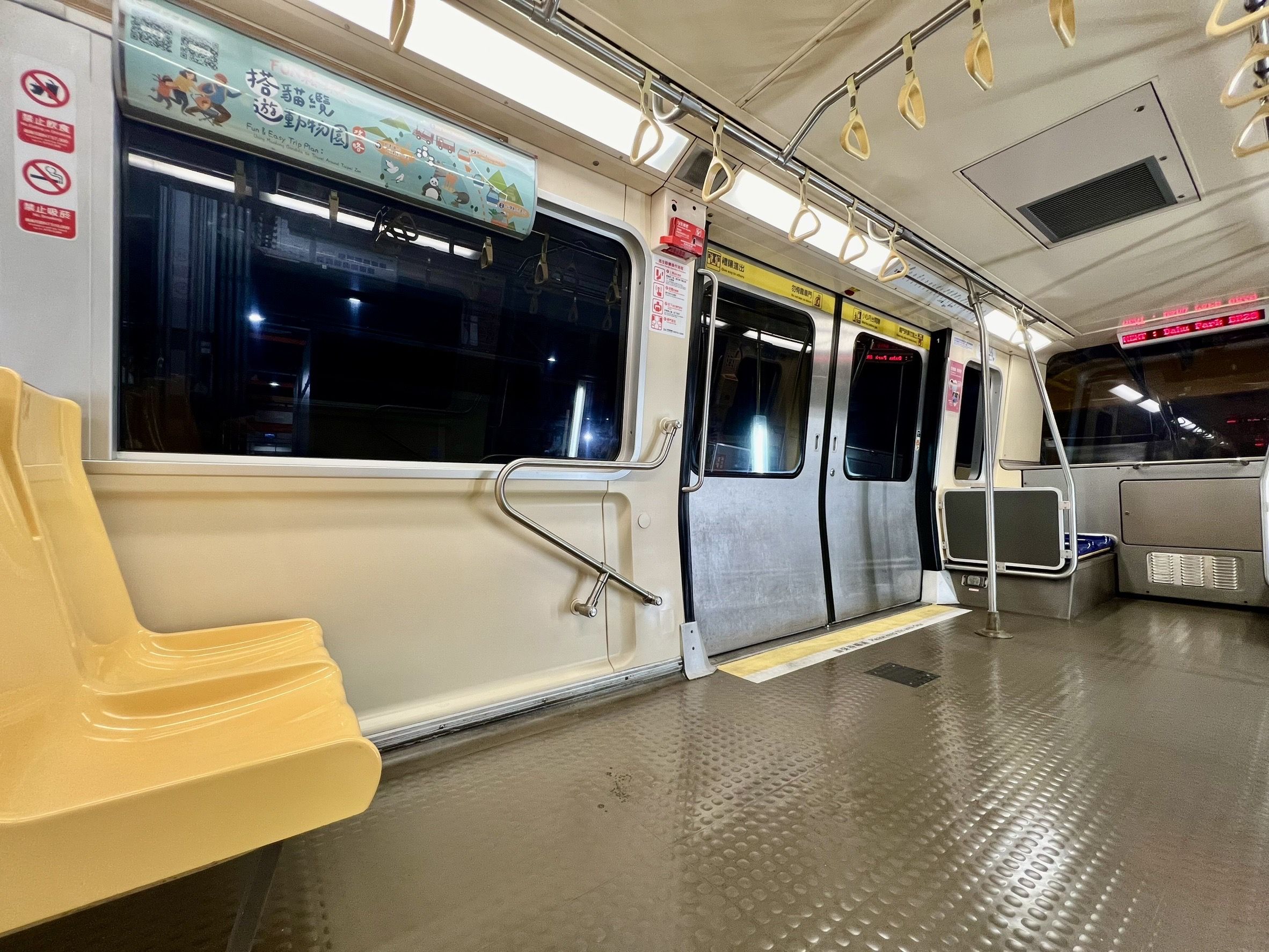
The opening was followed by failures. The same engineering account records instability in the communications network and several interruptions that stopped service across the line. Its authors describe DORTS requiring improvements and agreeing a replacement network as the long-term response, completed on 22 January 2010. The promise of a through ride still needed repair after passengers had begun using it.
In October 2009, the public name became Wenhu, combining Wenshan and Neihu. Read together, the company’s announcement and the Taiwanese engineering account tell different parts of the same project: supplying equipment, then living with the choices, disruption and maintenance needed to make it serve a city.
Read the outcome from a passenger window
Today, the place to continue this story is a normal passenger journey. The official station pages identify Songshan Airport as BR13 and Dazhi as BR14 on the Wenhu line. Board towards Taipei Nangang Exhibition Center to travel from Songshan Airport to Dazhi; the opposite direction, towards Taipei Zoo, returns you to Songshan Airport. Check station displays and current service notices before boarding.
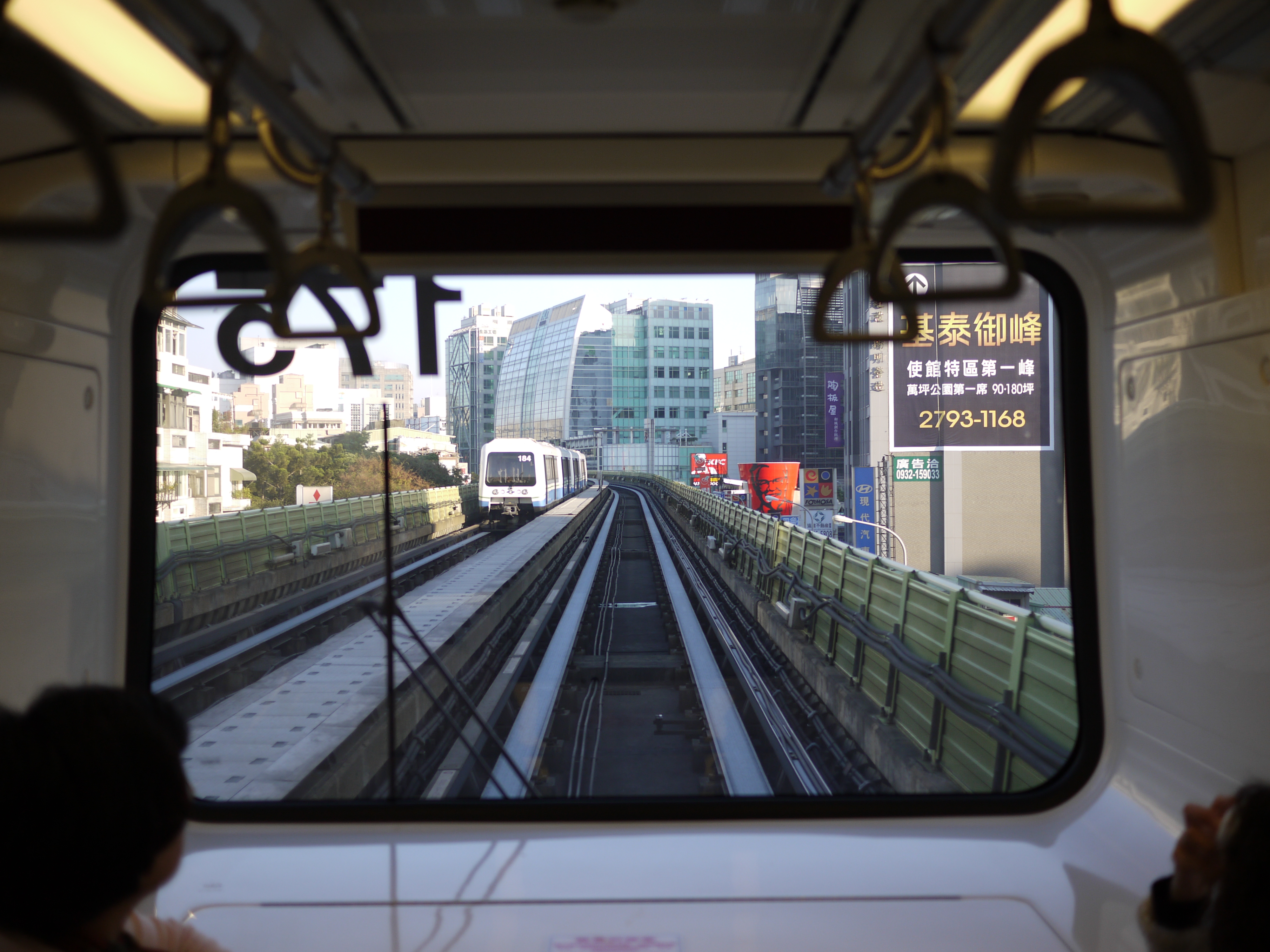
Bernard McManus’s December 2010 photograph looks through a train’s front window towards the elevated track and another train. It records a passenger’s perspective after the opening year. On your own ride, notice the continuity of the journey: a small convenience whose history includes old vehicles, overseas suppliers, Taiwanese engineers and neighbours who heard the work at night.