A familiar zoo, and an animal with a name
For Melaka readers, Zoo Melaka in Ayer Keroh is a familiar place to begin. The local municipal council describes breeding and sending animals overseas as part of the zoo’s work to maintain genetic diversity and support threatened species. Behind an international transfer, there is also the receiving team’s continuing responsibility for an individual animal.
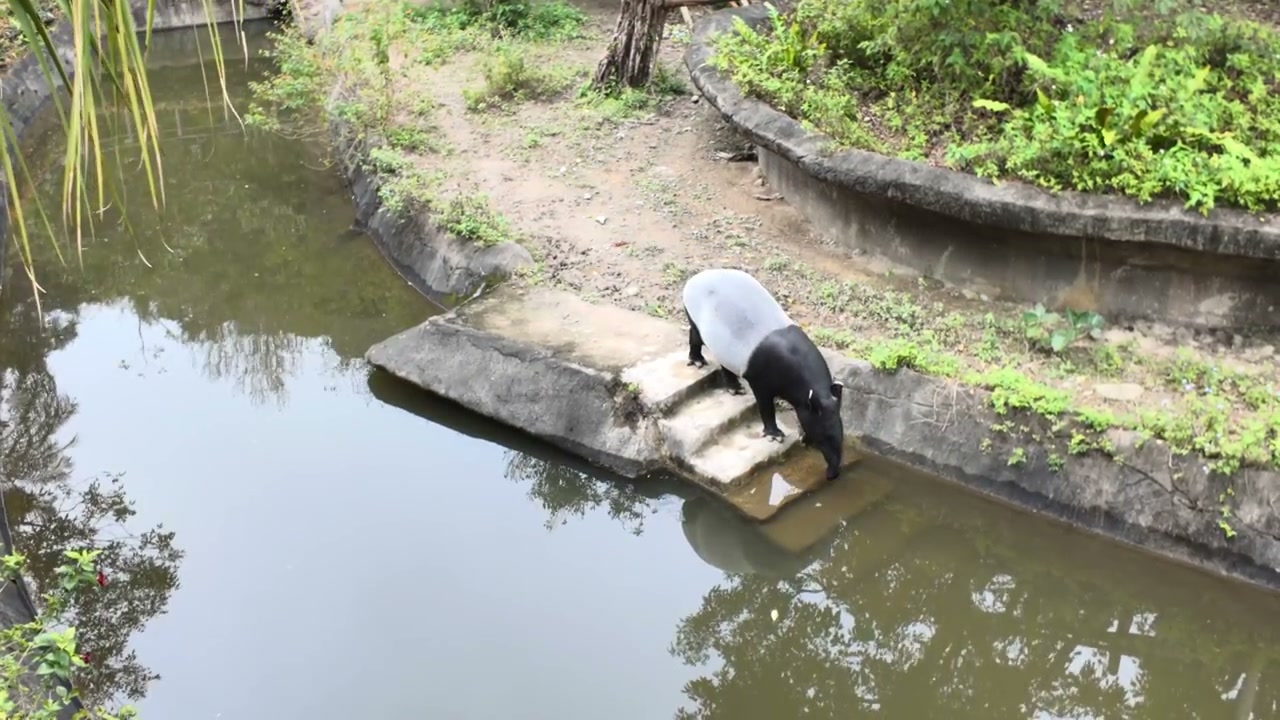
Taipei Zoo’s account identifies that connection precisely: Maya came from Zoo Melaka in Malaysia, while her partner 貘卡 came from Japan. When they first met, Maya was three years old. The keepers waited for her to grow while allowing the pair to get used to each other. The story begins with those individual animals and the keepers’ decision to wait.
Give the pair time beyond the daytime
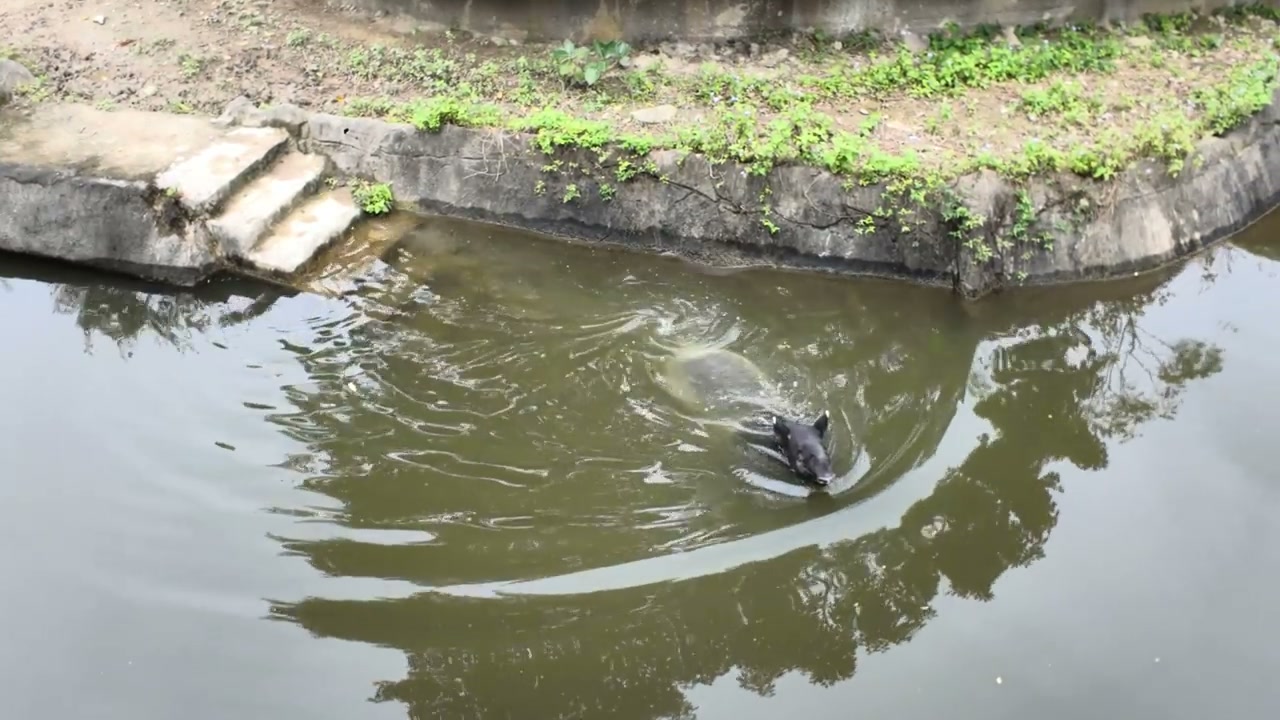
The diary records courtship behaviour during the day without a successful mating. In the second half of 2006, the keepers changed the arrangement: the nocturnal pair could stay together around the clock. They adjusted a part of daily care that visitors arriving in daylight might never notice.
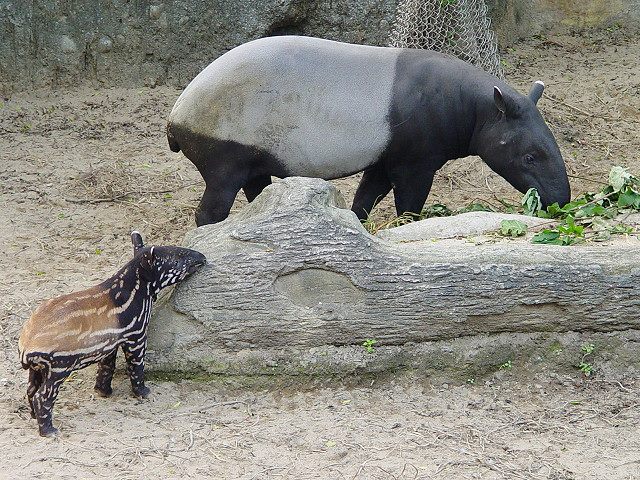
After a pregnancy described by the zoo as thirteen months, Maya gave birth to Moli on 11 November 2007. The female calf weighed 8.6 kilograms and carried spots and stripes. She was the first Malayan tapir born at Taipei Zoo. The work moved from preparing a pair for breeding to following a mother and calf day by day.
The diary continues after the birth
The next entries follow ordinary care. On her first day Moli mostly rested between feeds. A few days later she followed Maya while her mother ate, though she could not yet stand for long. The zoo’s photograph identifies the small striped animal beside Maya as Moli. The family link can be followed through both the written observations and these named animals.
On 8 December, the diary notes Moli’s first outing in the outdoor enclosure: Maya called her back when she approached the pond. At one month, she weighed 26.3 kilograms. Recording movement, feeding and growth made the story continue beyond the announcement of a birth, with small changes that the care team could keep following.
A daughter grows up; the space must change too
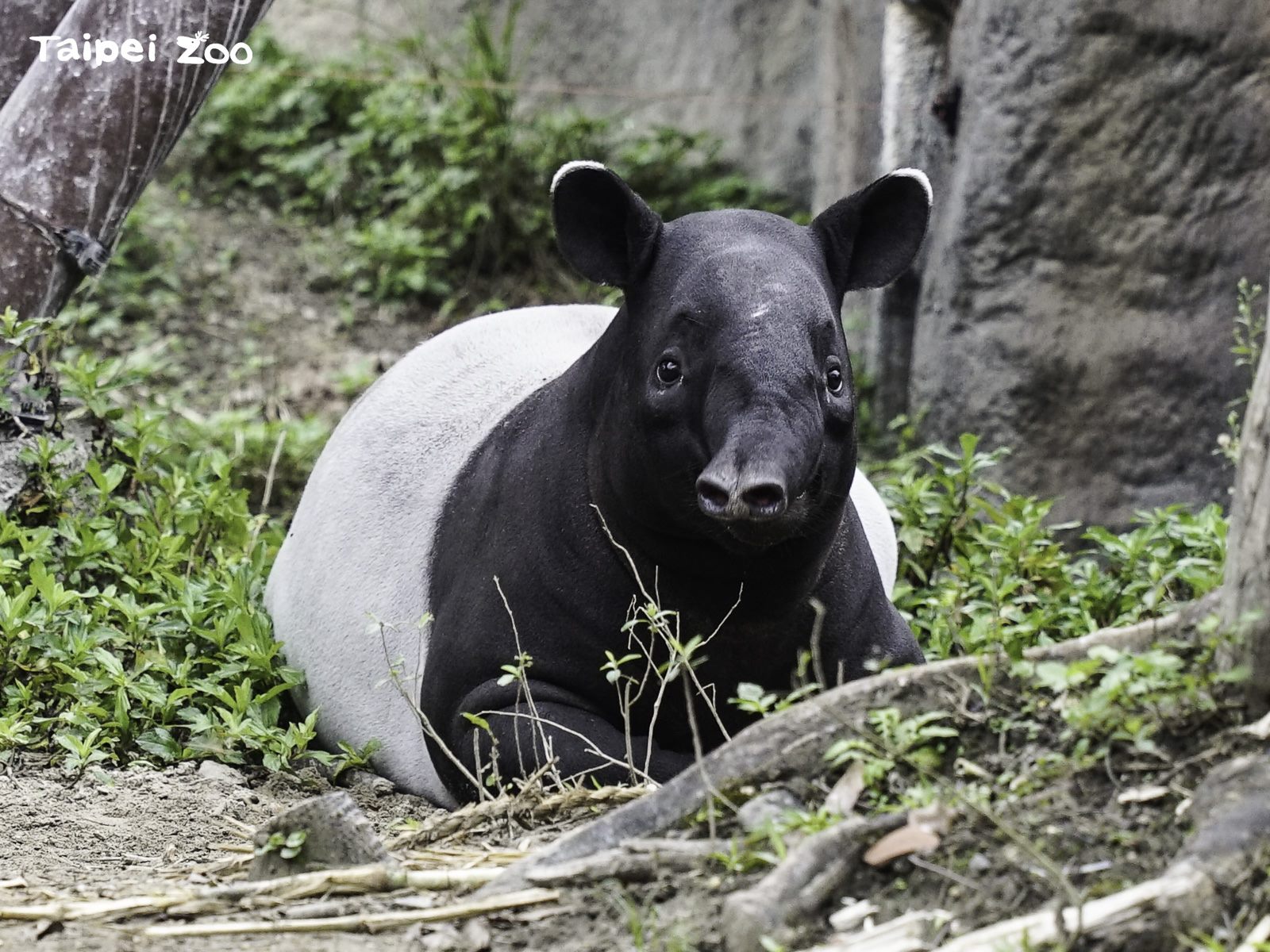
By the zoo’s March 2023 account, Moli had become a mother. She and 貘克, a male brought from Prague Zoo, had produced 貘花豆, born on 10 August 2021. This granddaughter of Maya belonged to the family’s third generation. The zoo’s accompanying photograph identifies her by name, carrying the family’s account into another generation.
More generations brought decisions about limited space and new pairings. The 2023 account explains that the zoo used its population management plan to arrange pairings, exchanges and separate care, with family members taking turns in outdoor enclosures and living in different areas. Some care happened in the Conservation and Research Center, which was not open to visitors.
Read the names in Taipei’s rainforest area
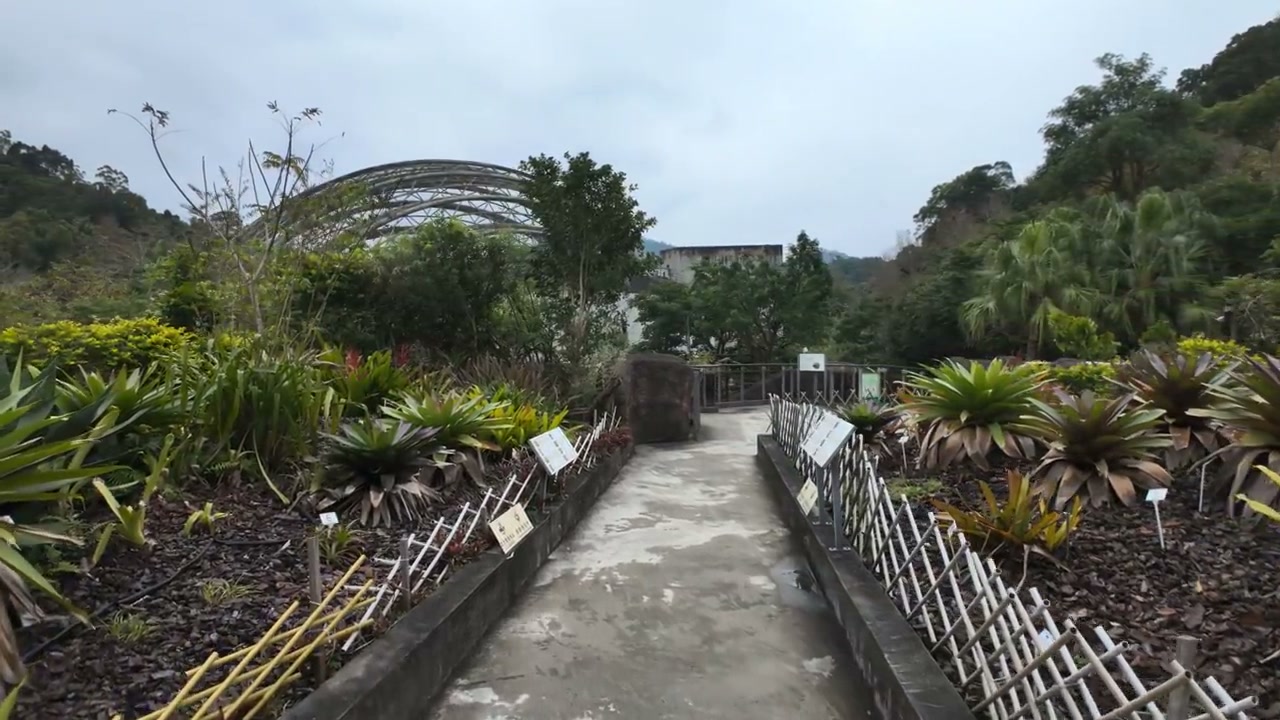
Today the zoo’s public introduction lists Malayan tapirs in the Tropical Rainforest Area, a setting based on Southeast Asian rainforest landscapes. Start there with the current signs and animal information. The family’s earlier moves make the name on a current sign part of understanding who is being cared for there.
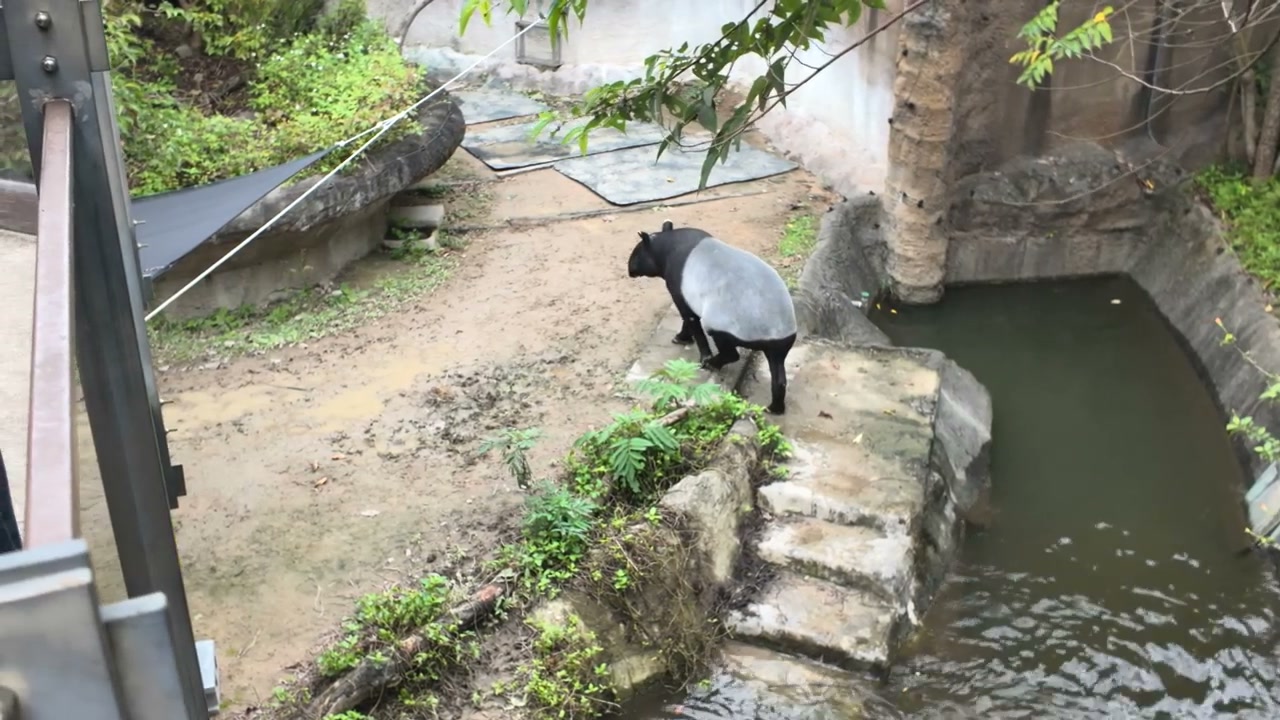
This visit is to the public zoo, without a promise of seeing Maya, Moli or 貘花豆. Keep the diary’s sequence in mind: first maturity, then a change in the pair’s time together, then years of care and rearrangement. A connection that began at Zoo Melaka became a continuing task for Taipei’s keepers, long after the first calf’s name was announced.