A familiar costume in a different encounter
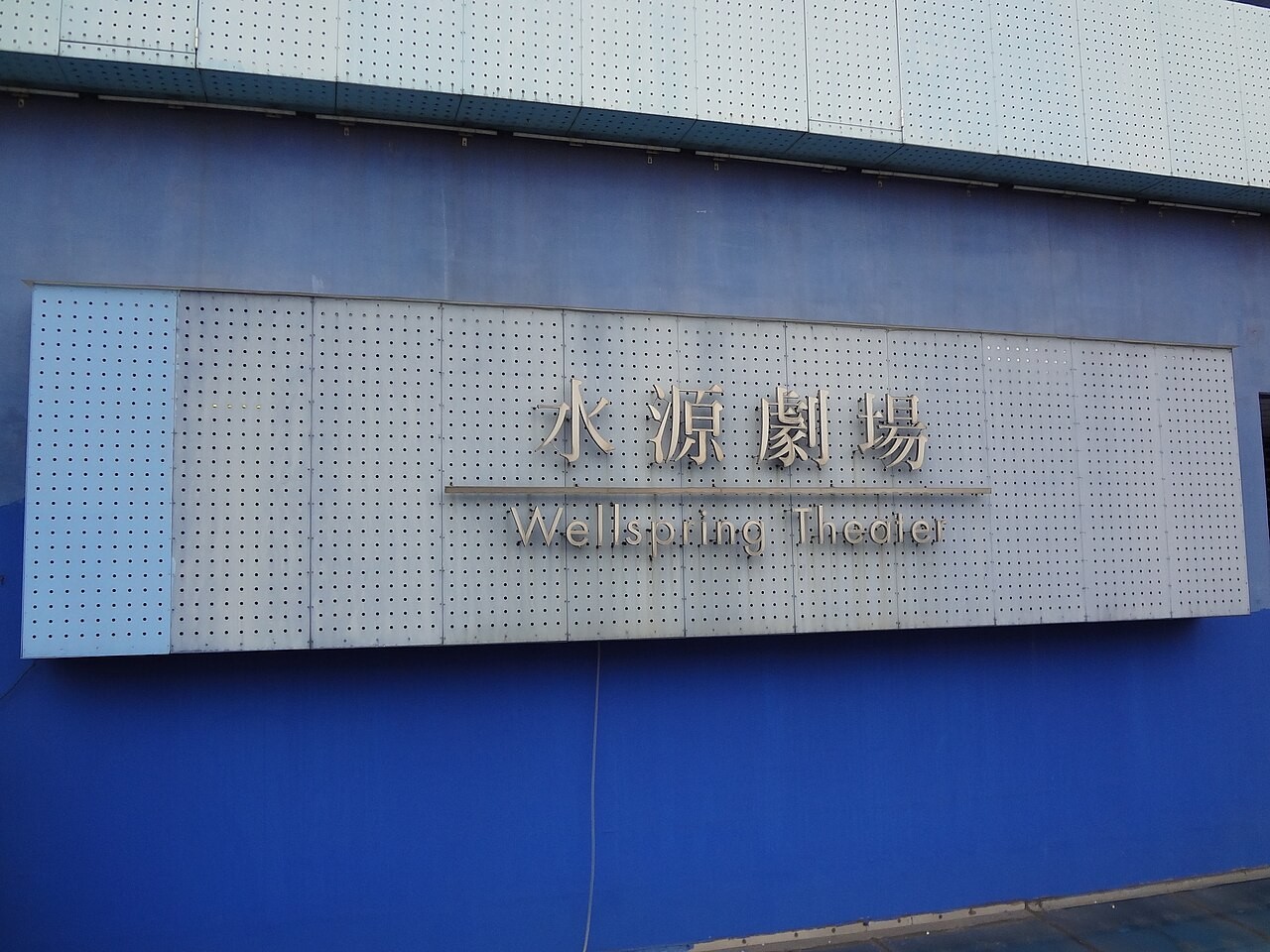
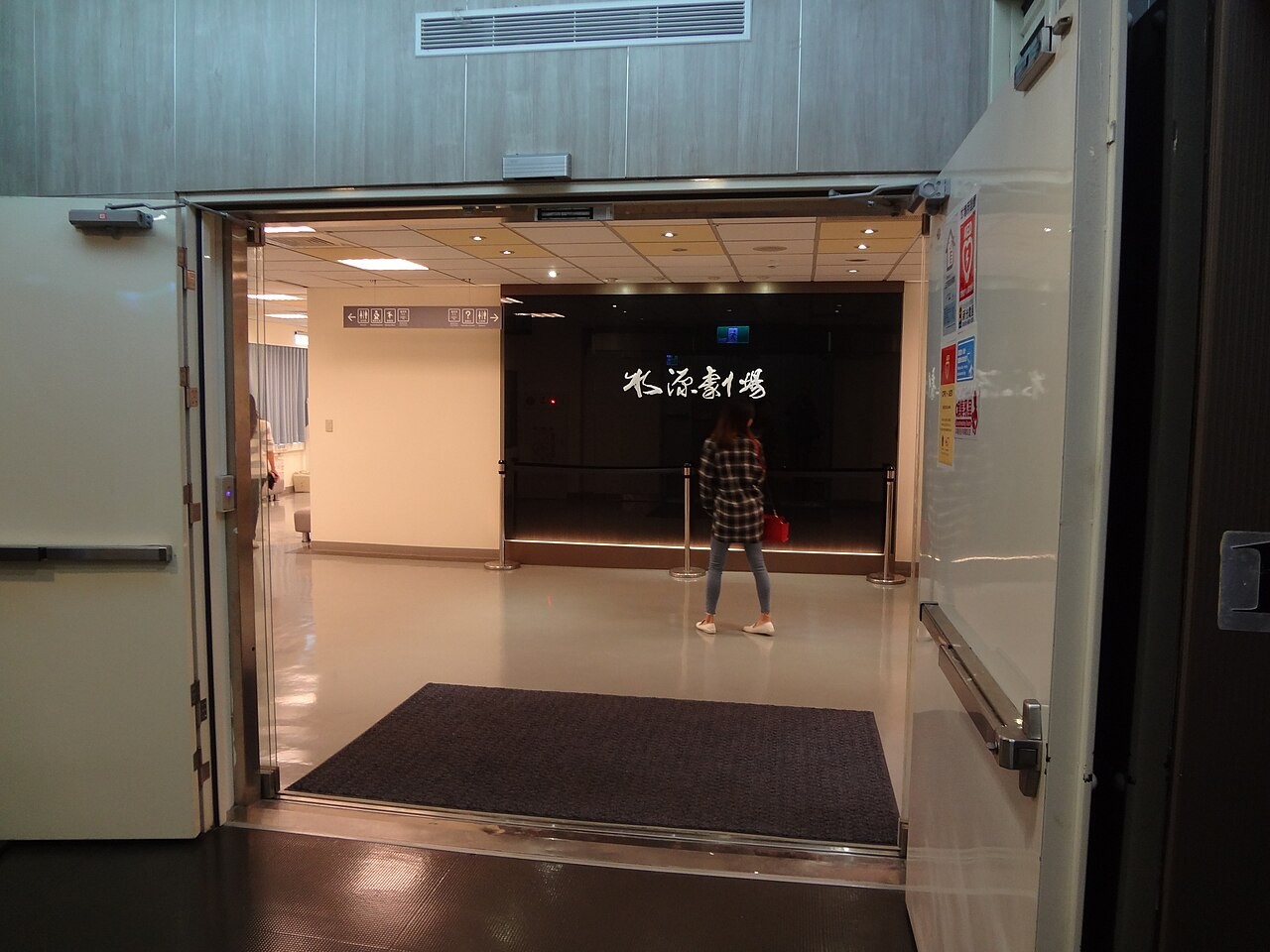
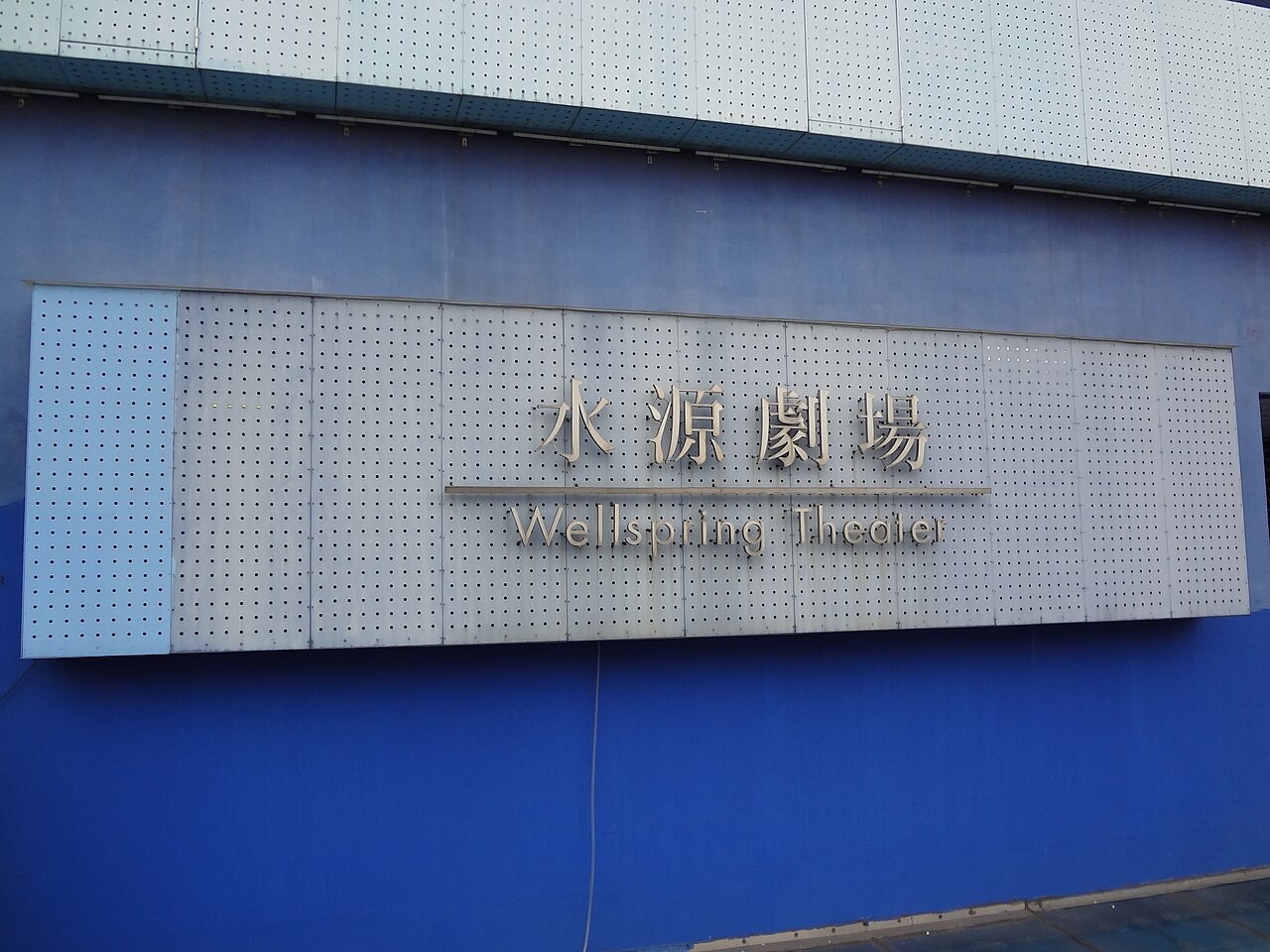
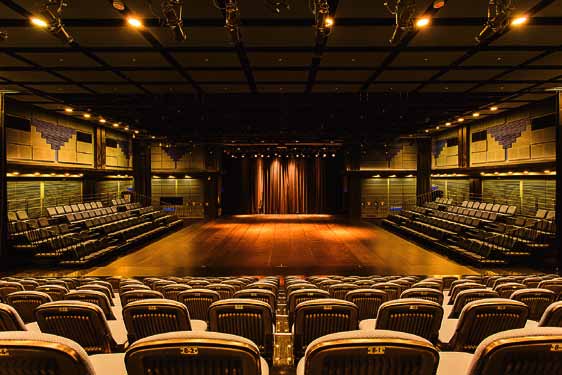
At Taipei’s Wellspring Theater on 11 August 2019, Eisa Jocson and Russ Ligtas appeared in Snow White costumes. Writer Liu Qin’s review records movements gradually developing from stiffness into precisely organized gestures, followed later by interaction with the audience. The costume was recognizable, but this was not a visit from a theme-park character. The performers were asking what it takes to produce that recognition.
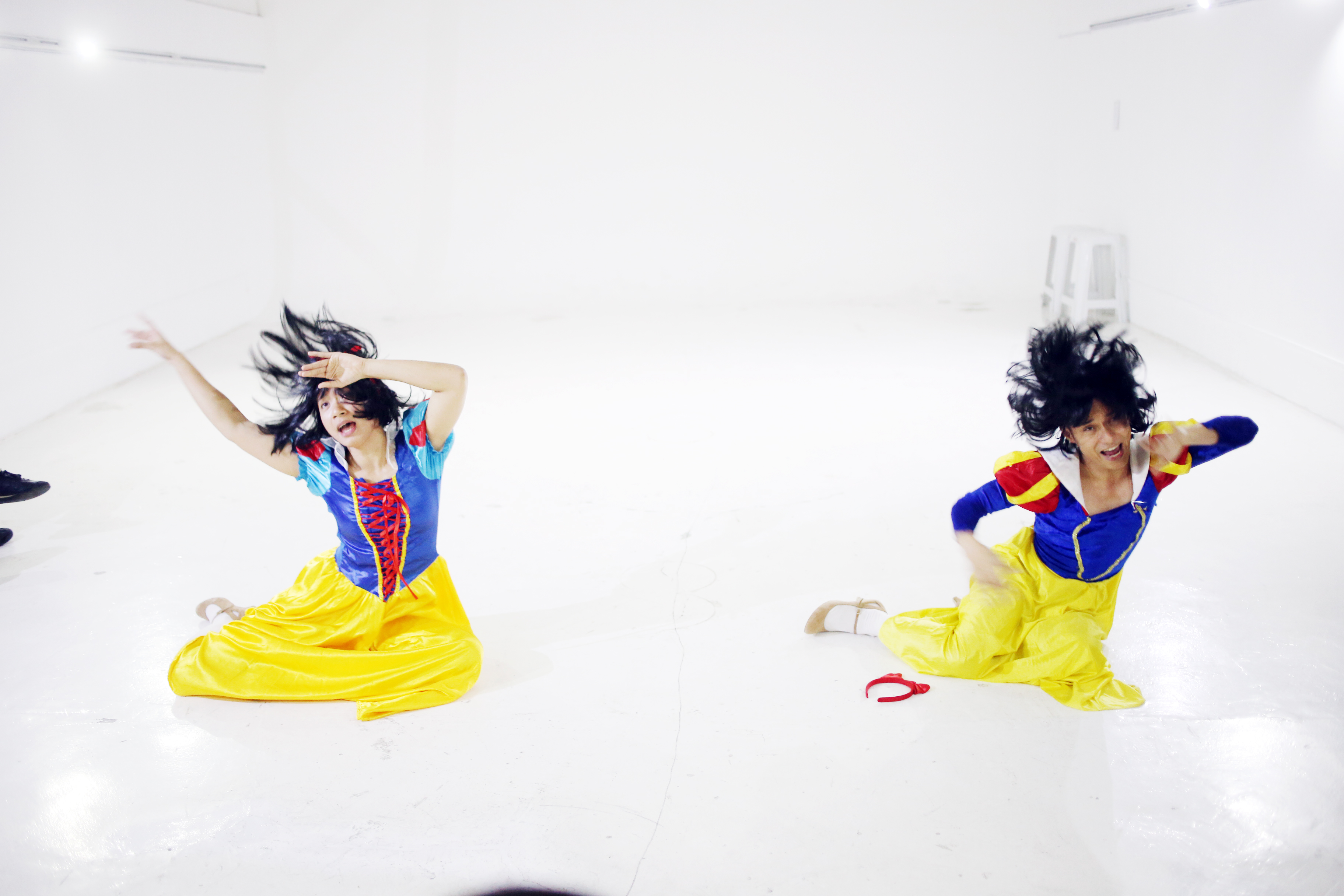
For readers in the Philippines, Jocson’s question is connected to a familiar movement of skilled people: dancers leave to work in overseas entertainment. Her own Princess statement focuses on Filipino performers in Hong Kong Disneyland, whom she describes as supplying cheerful supporting characters while the central princess role is reserved for a particular racial profile. This was the artist’s account of the system she studied, not a claim about every worker or present-day casting decision.
Training for somebody else’s fantasy
Jocson had studied visual art and ballet, then worked through pole dancing, macho dancing and hostess performance in successive pieces. The Onassis Foundation’s profile describes this as an inquiry into bodies that dance for a living. The movement itself is important, but so are the conditions deciding which movement someone must repeat to earn an income.
During her 2018 Taipei visit, she told Taiwan’s Central News Agency that changing between dance roles required learning each form’s basic movements. Taking up macho dancing meant reorganizing how she carried weight and related to the floor. Her research required learning and unlearning; a costume by itself would not make one body capable of performing another job.
Giving the supporting body a central role
Princess, the first part of her Happyland project, premiered in Frankfurt in February 2017. Jocson and Ligtas reconstructed the princess’s movement and speech on their own bodies. In her account, the action moves the Filipino performer from the supporting margin to the main role. It does not offer a new employer’s casting solution; it uses performance to make the existing arrangement questionable.
The title Happyland carries a second reference in Jocson’s writing: alongside the theme-park promise of happiness, it is also the name of a densely populated Manila settlement. She does not make these places identical. Putting the name beside the performers’ labor prevents the fantasy from floating free of the city and the working lives from which it draws people.
Taipei viewers are part of the work
Taipei was not simply a destination on a tour list. Jocson had already presented Corponomy there in 2018, and Princess followed in 2019. The Akeroyd Collection’s artist chronology records the later festival appearance, while the dated Taiwanese review locates the actual performance at Wellspring. The two records give the cross-sea event a place and an audience, rather than an abstract statement of cultural exchange.
Liu Qin paid particular attention to what happened when the performers moved from dancing into conversation. Her review describes a spectator standing up to return a requested embrace on equal terms. The writer interpreted that brief response as interrupting an unequal interaction. This is one Taiwanese witness’s reading, not a unanimous verdict. It nonetheless preserves local viewers as people who could answer, rather than scenery behind a visiting artist.
A theater above the city’s everyday life
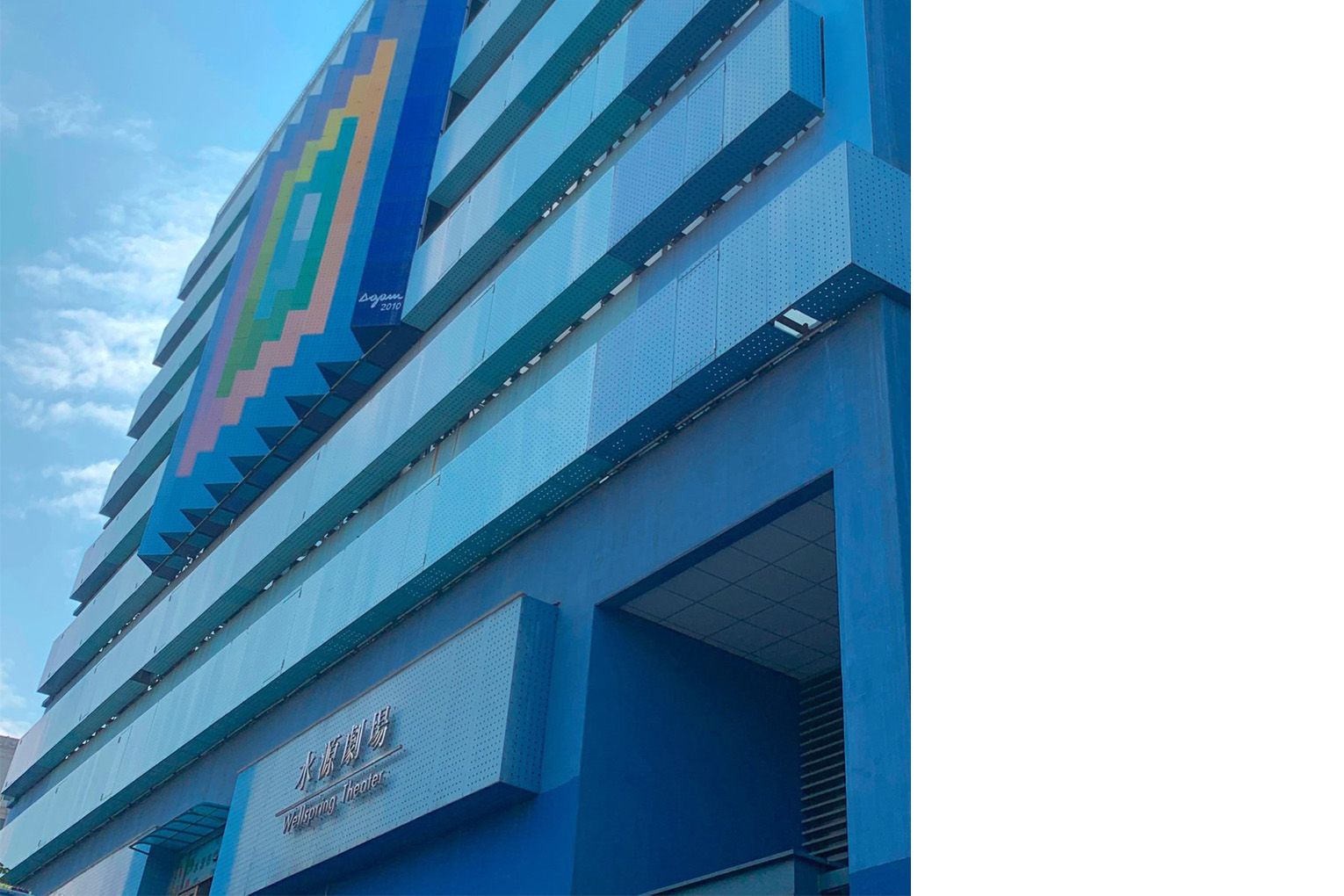
Wellspring remains a working public theater in the Shuiyuan Building near Gongguan. Its current official program offers a way to return to the place where this encounter happened. Entering a theater today will bring a different piece and different people. Princess should be remembered as a historical performance, not advertised as an attraction waiting permanently on the tenth floor.
One question can travel with a viewer into that next performance: behind a familiar image, what has the person in front of us had to learn, repeat or change? Jocson and Ligtas brought that work from a Filipino context into a Taiwanese room. The reply did not have to be the same for everyone; it began when the people in that room ceased to be only consumers of somebody else’s happiness.