A design fair’s name, and the work behind a product
Manila FAME and its digital platform FAME+ connect Philippine design with people beyond the country. In its 2021 interviews about the Taiwan–Philippines craft programme, FAME+ looked behind finished products. The exchange had begun in 2019, bringing designers and makers into each other’s working environments before the pandemic interrupted physical visits.
Wilhelmina “Willie” Garcia of Junk Not recalled being drawn to discarded material during her Taiwan factory visits. Some Taiwanese participants were looking closely at materials available in the Philippines; she was looking at what factories no longer needed. An exchange could begin with those different questions, rather than a shared assumption about what counted as valuable.
A container acquired another job
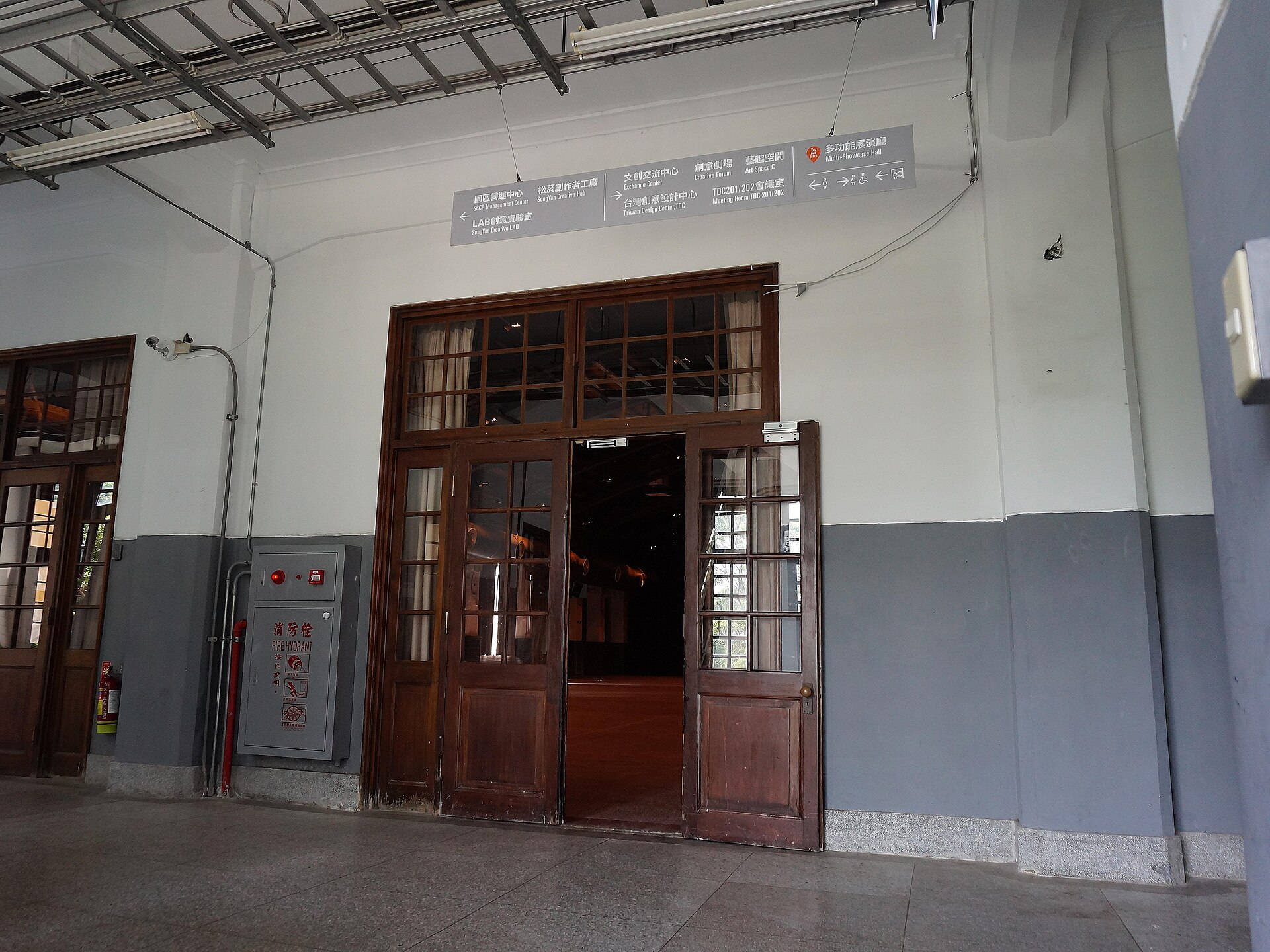
One collaboration joined Garcia with Taiwanese maker Suyui Hsu, founder of REstoRE. Hsu’s own exhibition record identifies Storage Chair as a 2020 work using textile offcuts, cotton yarn, jute and a recovered paper container supplied by Good Gold. The same record places it in Tracing Lines, the Taiwan–Philippines presentation at Songshan Cultural and Creative Park during Creative Expo Taiwan 2021.
Garcia described the design as combining the waste of two companies into a hamper or stool. The words identify a practical change of use: packaging could supply a body for something meant to remain in a room. Hsu’s weaving added another layer of making. It is a particular collaboration, not proof that every discarded container is suitable for furniture.
Why choose the slower method?
Hsu’s work with clothing had already made her attentive to the difference between getting rid of fabric and understanding it. In a 2021 interview she explained why her classes began with weaving even though machine sewing could be faster: slowing the work let participants become aware of the material. Her practice treats cloth as something to handle and learn, not simply a resource category called recycled.
That attention also led her towards the leftovers of production. The interview describes sample fabrics that remained after tests required only a small section. Using such offcuts did not erase the time needed to cut and rework them. The stool made that work visible through a textile surface assembled around an existing container.
The pandemic changed how people could collaborate
Garcia had hoped to spend more time learning alongside artisans. Instead, the pandemic pushed communication online. The programme’s format joined Taiwanese designers with Philippine makers, and Philippine designers with Taiwanese makers. Work still depended on particular people solving material problems; crossing a border did not itself solve them.
The record is clear about one outcome: the products reached the 2021 Taiwan exhibition. That is different from proving large sales or a lasting solution to waste. The collaboration’s value can be read at a smaller scale, in the new use of a container, the work put into its covering, and makers explaining to each other what they had previously overlooked.
Find the textile work again in Taipei
The 2021 display has ended. Songshan remains its documented exhibition setting, but the original stool is not promised there today. To follow Hsu’s continuing work, consult REstoRE’s own current information. Its September 2026 update moved the studio back to Ximending; an older Dadaocheng class address is not a current destination.
Choose an announced open day or arrange a course before setting out. A workshop can make the distinction between a cloth strip, a knot and a finished object tangible, but neither Hsu’s presence nor a viewing of Storage Chair should be assumed. The story returns to Taiwan through a maker’s ongoing practice, rather than an expectation that a past exhibition will be waiting unchanged.