
The person in the photograph
In 2014, Lau Kek-huat returned to Malaysia during Qingming, the season for tending family graves. He began looking for the history of the grandfather whose portrait had hung in the family home. In a later interview he identified that home as Sitiawan. The photograph had been familiar since childhood; the man’s life had remained much harder to ask about. The documentary began with that gap between a visible object and an account the next generation had never received.
Lau recalled beginning without funding or a finished-film plan: he wanted to understand his father and aunts. Questions led from relatives to older people in Thailand, then to China and Hong Kong. A family’s missing account became a journey between people who held different parts of it.
Distance made another kind of question possible
Lau’s account in the Malaysian publication The Interview traces work in Malaysia and Singapore before film studies in Taiwan. He did not describe arriving with a lifelong certainty that he would become a filmmaker. He described encountering room to learn and ask questions. In the Taiwanese conversation about Absent without Leave, he linked studying film with beginning to question the silences in his own home.
That distance did not give him a complete family history. During a 2015 discussion he recalled that even identifying who his grandfather had been was difficult at the beginning. Relatives offered memories from their own positions. Lau’s task was to listen to those differences, then decide how a viewer could follow them without losing the relationships that had made the questions matter.
Taiwanese listeners questioned the work in progress
On 18 April 2015, a discussion at Taiwan’s national film centre brought Lau together with writer Lan Bo-chou. The record explicitly describes the version shown as a short, unfinished version. Lan thought the family portrait offered a strong beginning, and asked why the work moved so quickly to interviews without making the family’s reluctance to speak clearer.
The exchange records a Taiwanese participant doing more than welcoming an overseas filmmaker: Lan asked about the route from a private question to a film another person could understand. Lau, in turn, explained the uncertainty he had faced while filming. The record preserves a working conversation. It does not establish that any particular change in the completed film resulted from that afternoon.
Editing in Taipei, speaking to Malaysia
In the 2016 Funscreen conversation, Lau described bringing the footage back to Taiwan and editing for six months, with individual perspectives as his focus. The interviews still needed work at an editing table. Memories had to be arranged so a listener could follow the people and relationships behind them.
In February 2017, Malaysiakini reported the production company’s response after the film was barred from public exhibition in Malaysia. The company described its purpose as opening communication through a personal family story. That statement matters as the makers’ explanation at that moment. The film’s questions had travelled far from the house where the portrait hung, while the people who made it still had to explain why they had asked them.
A Taipei cinema became another listening room
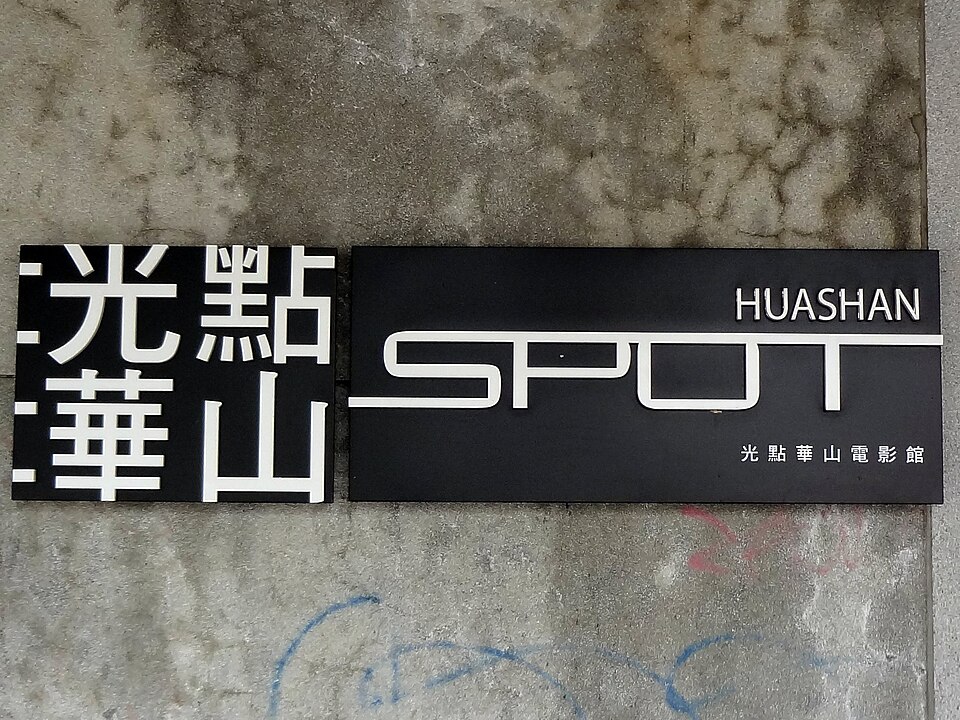
Taiwan International Documentary Festival lists the completed film as a 2016 Malaysia–Taiwan production running 90 minutes. Its 2018 programme records screenings at SPOT-Huashan in Taipei on 4, 9 and 13 May, with a Q&A indicated for 9 May. The festival record supplies a specific Taiwanese destination for this journey: people could gather in a cinema and give the family’s voices the duration of a film.
SPOT-Huashan remains a working cinema in Huashan 1914 Creative Park. A visit today begins with choosing a current programme, not assuming the 2018 screening is still available. The historical venue photograph identifies the cinema where that encounter was scheduled. Following this story there means noticing the ordinary work that makes such listening possible: a programme, a ticket, a seat and time set aside for someone else’s account.