A Taiwan idea had to wait in New York
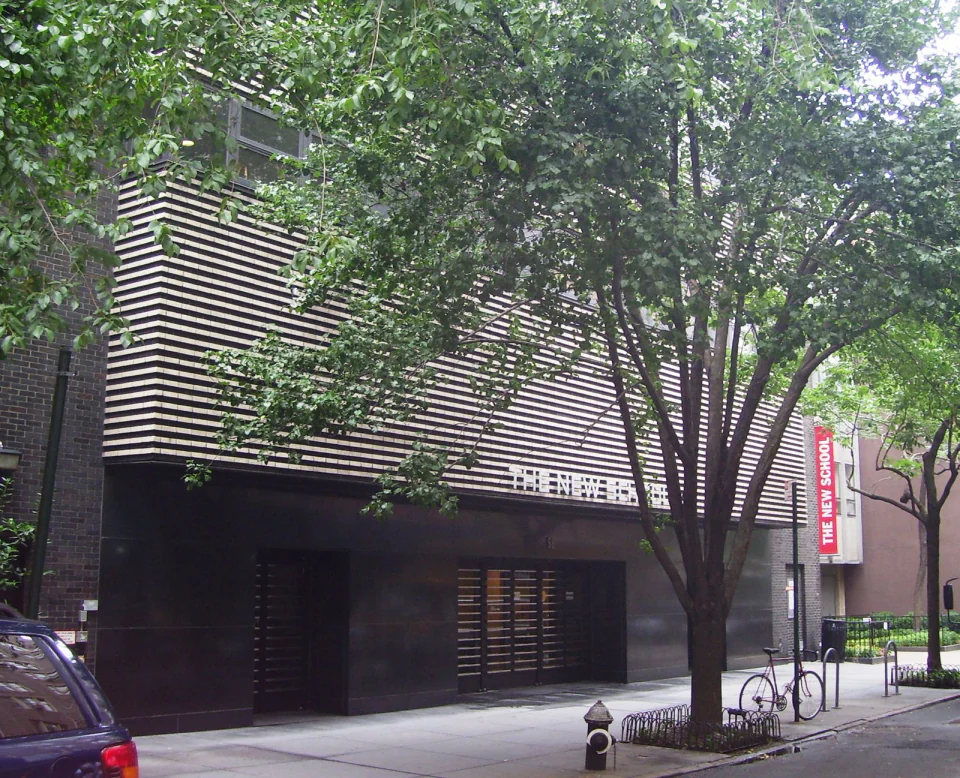
In 1999, Tsou and Baker met in an editing room at The New School. She brought him a memory of being reprimanded for using her left hand. Their early Taiwan project was too large for them to make, so they began with a smaller New York production. They co-directed Take Out (2004). The project waiting across the Pacific gave this collaboration a direction to return to. Learning to make a film together came before they could bring that first idea home.
Tsou narrated the story as Baker typed in English; before production, she reinterpreted the screenplay in Chinese. A shared script therefore passed through two people’s language skills. Who describes an action, who gives it a written form, and who returns it to the language of the characters are different parts of the same task. This division helps explain how an American filmmaking partnership could carry a story rooted in Taiwanese life.
A child leads them to a working mother
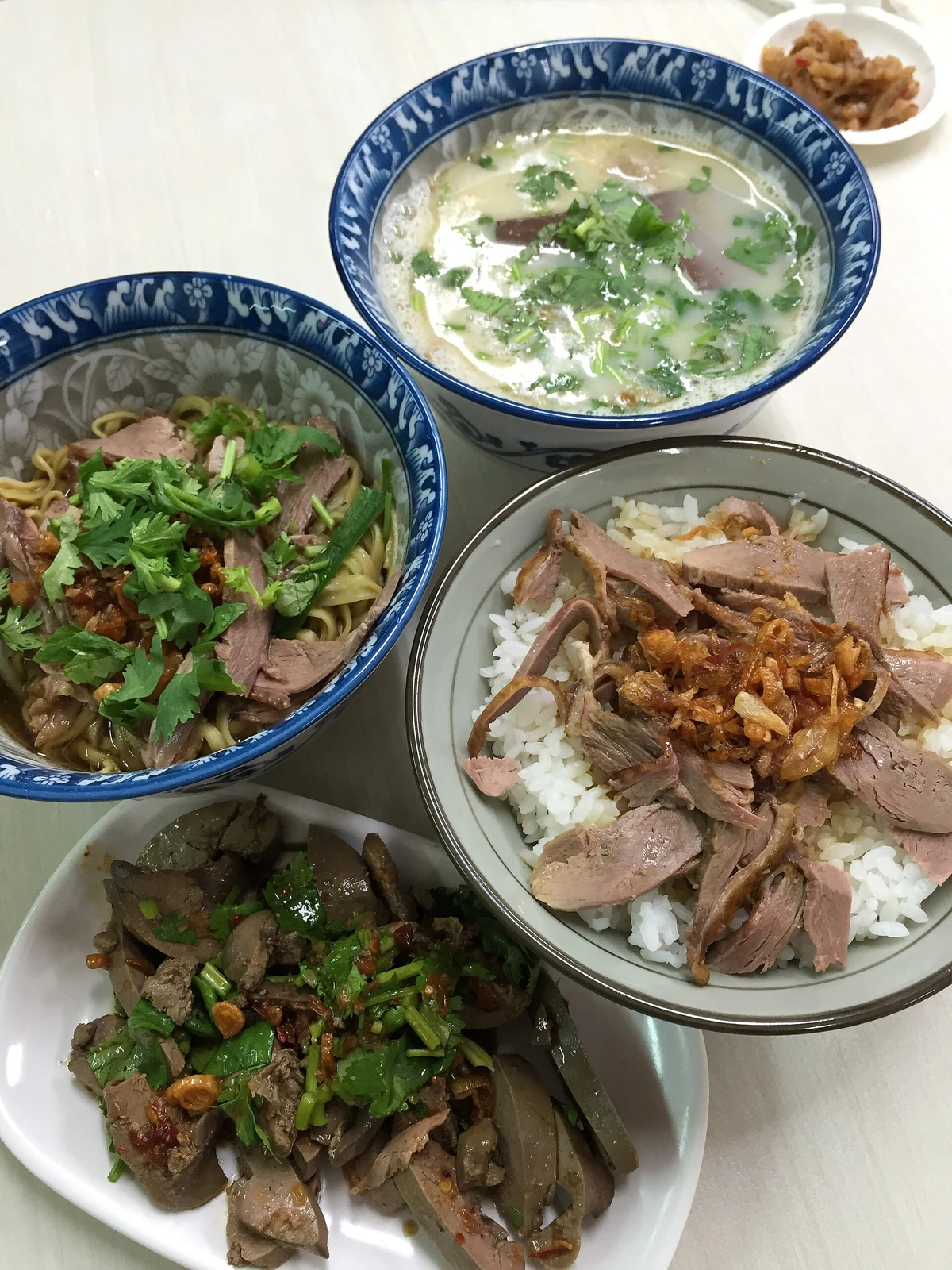
On a 2010 return to Taiwan, they met a girl whose mother worked at a night-market noodle stand. The encounter became a clue for the film’s family. The mother’s work and the child’s movement give the place two scales. A customer arrives to choose a meal; a family must also find room for earning a living and growing up. Building the story around those different positions allows food, work and care to remain close together.
The film follows a mother and two daughters. Janel Tsai practised cooking noodles repeatedly to enter the mother’s role. That is a concrete acting task: hands need to know what comes next, while a person remains aware of everyone waiting nearby. A meal prepared again and again belongs to a working routine. Paying attention to that routine keeps the family story connected to the demands of making a living.
Deciding where the camera should stand
Tsou and the lead cinematographer spent three or four days breaking down every scene, planning low angles that follow the little girl’s viewpoint. Camera height was part of deciding whose world the story would enter. A child and an adult meet the same street at different levels: a counter, a shoulder or a gap between stalls has a different relationship to each body. Thinking through each scene made that choice a working instruction for the crew.
A roughly twenty-person crew drew onlookers; Tsou reduced the visible team to five or six. Customers even approached Tsai to order noodles. Passers-by kept moving through the shots, and nearby vendors knew about the filming. A smaller footprint made space for both a planned performance and the street’s own activity. The team had to work within a place already being used by other people. Filming became a negotiation with the rhythm of a workplace.
The city also needed to be heard
Tsou supervised much of the Taiwanese music, drawing on tracks from friends in Taiwan’s music industry. The team combined local music with ambient melodies and the sounds of different shops. Sound asks another question about the same setting: how does one small space connect to the next? A street can carry several activities at once. The music work involved choosing what belonged to that setting, alongside the camera’s decisions about where to look.
Baker began the edit; Tsou and another editor continued assembling it, and Tsou handled the final music integration. Their collaboration continued through several stages after the filming. Writing, directing, editing and music were connected jobs, with different hands returning to the material. The route from a street performance to a finished film therefore involved more than the person holding the camera on the day.
The Taipei story returns to New York
Left-Handed Girl premiered at Cannes Critics’ Week in 2025. On 8 March 2026, Tsou discussed the film at the Taipei Cultural Center in New York, alongside actor Zhang Yunxi. The return gives the collaboration a new public setting. A story once carried between two writers could now be discussed with people in the city where their work began. Taipei’s family and workplace entered that conversation together.
She hoped the film would help people understand others’ situations and difficulties. That invitation can continue in a visit to Taipei. The customer, the person preparing a meal and the family sharing the street have different needs within a small area. Looking at how those needs meet offers a useful way to spend time in a night market, with attention reaching beyond the dish one came to buy.
An evening on the public street
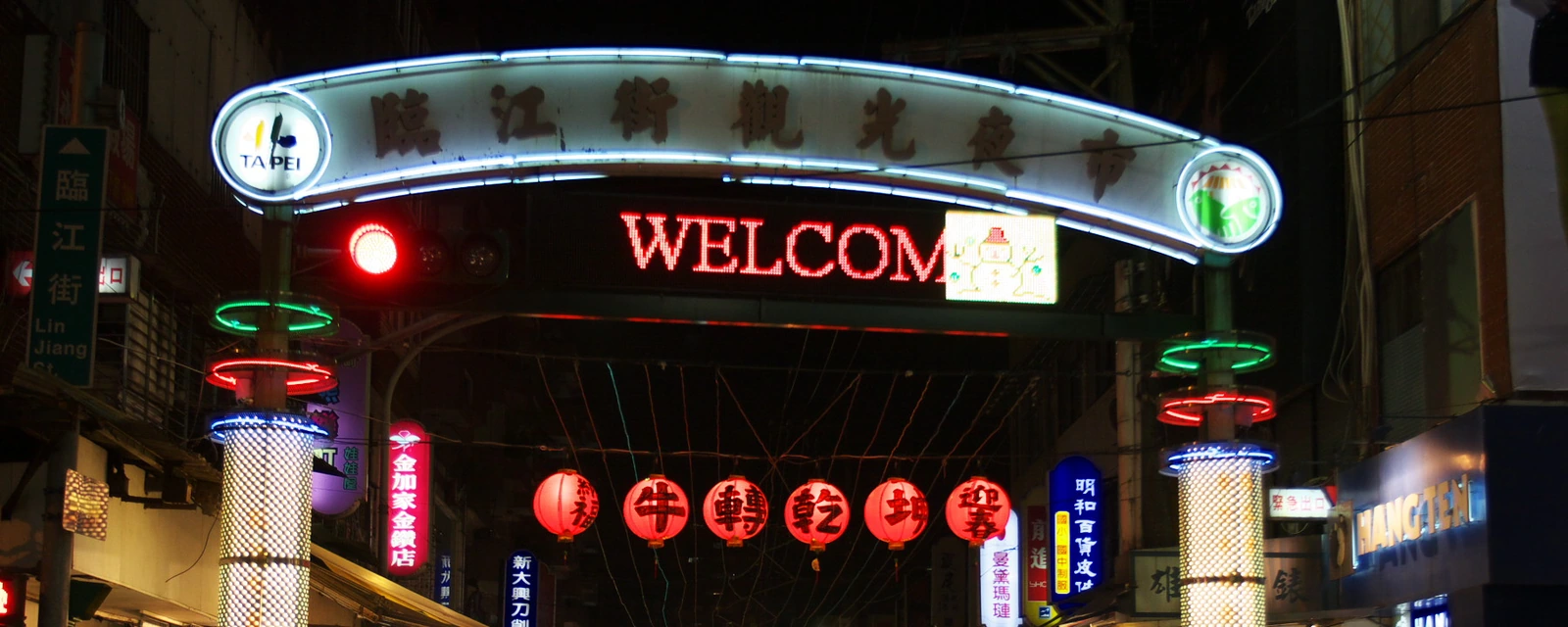
Today’s public entrance is Linjiang Street, between Tonghua Street and Keelung Road in Taipei’s Da’an District. Begin with a walk, then choose a meal and leave time for waiting. From the customer’s side, notice how a counter, a queue and people carrying food share the passage. These small arrangements give a visitor a way to look at the work that holds an evening together.
Stay with the present-day public market. Listen while you wait, let food-serving paths remain open and ask before photographing a person at work. The family story can make this visit more attentive: a lighted shopfront is an invitation to eat, and also a place where someone is still finishing the day’s work.