Beyond a room with a hot spring
In June 2026, CREA introduced Jiaoxi as a short trip from Taipei through hot-spring accommodation and nearby food. Choosing a room and making bathing part of a trip is one way into the town.
Outside the hotel is another timescale. Residents’ lives do not end at checkout. The public-bath story brings hot water from a travel experience into the arrangements people make for daily use.
A road changed where people bathed
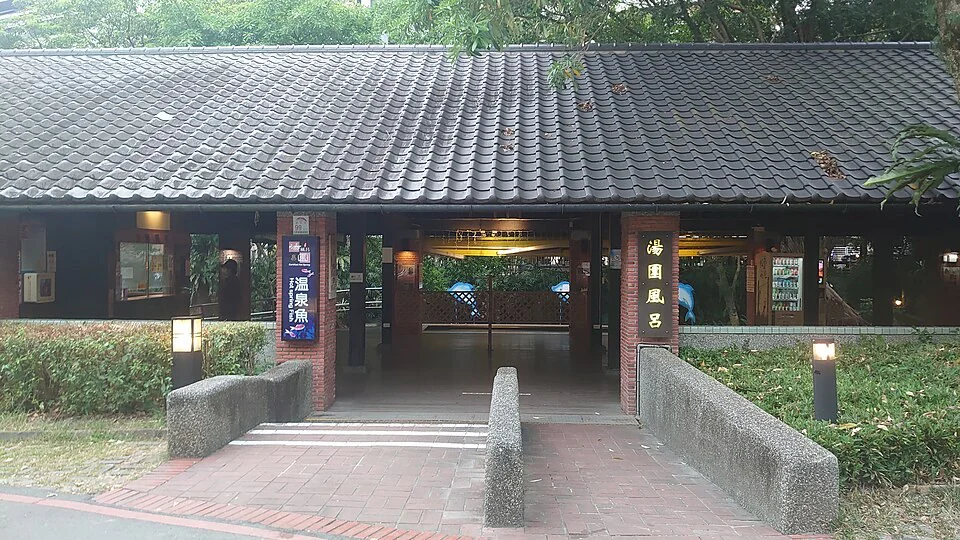
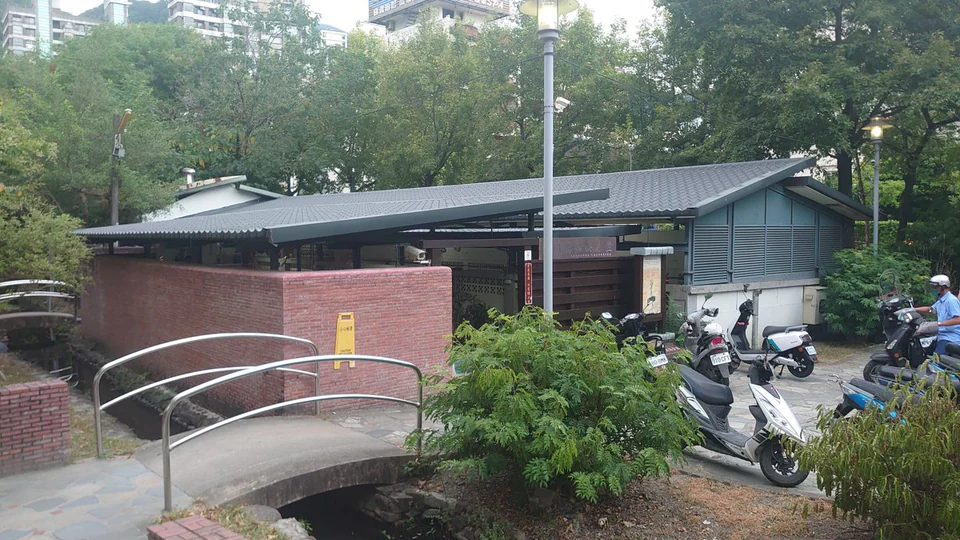
A local account published in 2015 linked the 1977 public bath to changes to Highway 9. With the earlier bath in the road’s path, residents raised funds for a simple replacement near Ren’ai Road and Tangweigou. An everyday need made the bath reappear after change.
Keeping a bath concerns more than preserving an exterior. For its users, where to bathe is an ongoing practical matter. Road planning, park design and bathing arrangements can therefore meet in the same place.
After a petition comes maintenance
Plans for Tangweigou Park had included removing the old public bath. Wang Hsun (王熏) of the Jiaoxi hot-spring cultural association and residents petitioned to retain it; the association also took on management and maintenance.
That step turns preservation from a decision into work that has to continue. Someone must care for a space after others argue to keep it. The bathing place seen by a visitor also contains a story about residents taking responsibility.
Distinguish the different places to use water
At Tangweigou today, first distinguish waterside paths, footbaths and bathing facilities. Tangwei Fenglu’s visitor information is separate from the old public bath’s preservation story. Different parts of the park also have different rules for use.
A trip involving accommodation can also notice public life. Besides choosing a bath for yourself, look at where people can sit, where they wash and who can use each space. Residents’ everyday needs give the town a dimension beyond a list of hotels.