Before the railway, an encounter in Taipei
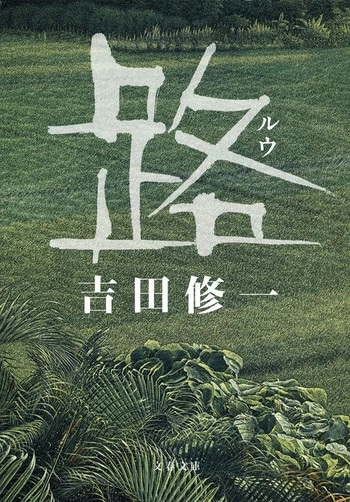
In his 2012 interview, Yoshida traced Road back to a short story published in 2004, Taipei Meiro—“Lost in Taipei.” A Japanese woman and a Taiwanese man met at a food stall. He wanted to give that encounter a longer life. On repeated visits, the high-speed railway taking shape offered him a time frame large enough for a novel.
A route on a map has two ends; an encounter does not tell us so quickly what comes next. Giving the characters a railway project placed their lives inside waiting, work and return. The book invites a reader to stay with those intervals, rather than treating Taiwan as a sequence of attractive stops.
Several lives share the same years
Haruka comes to Taipei as a member of a Japanese company’s high-speed rail project. Her memory of Eric reaches back to an earlier visit. Elsewhere in the novel, a Taiwan-born older Japanese man carries an unresolved friendship from his youth, while a younger Taiwanese man becomes a train-maintenance worker. Their relationships give the project different meanings.
The railway offers the characters a common calendar, without making their needs identical. A job, an unfinished friendship and the wish to meet someone again move at different speeds. That is where the title becomes more than a reference to rails: a person can cross the sea quickly and still take years to approach another person.
Returning became part of the writing
Yoshida described feeling unexpectedly at ease in Taipei, then returning to Taiwan repeatedly. His interviews explain an important change in scale: he wanted to write deeply about individual lives, allowing the relationship between places and generations to appear through them. The affectionate view of Taiwan comes from the author’s experience and choices.
The Japanese book crossed the sea in another way when Liu Tzu-chun translated it for Linking Publishing. The Taiwan edition appeared in 2013. A story about meeting and misunderstanding could now be read by people living in the places it described. For a traveller, reading the two editions makes room for a second perspective before choosing an itinerary.
Outside the novel, the work continues
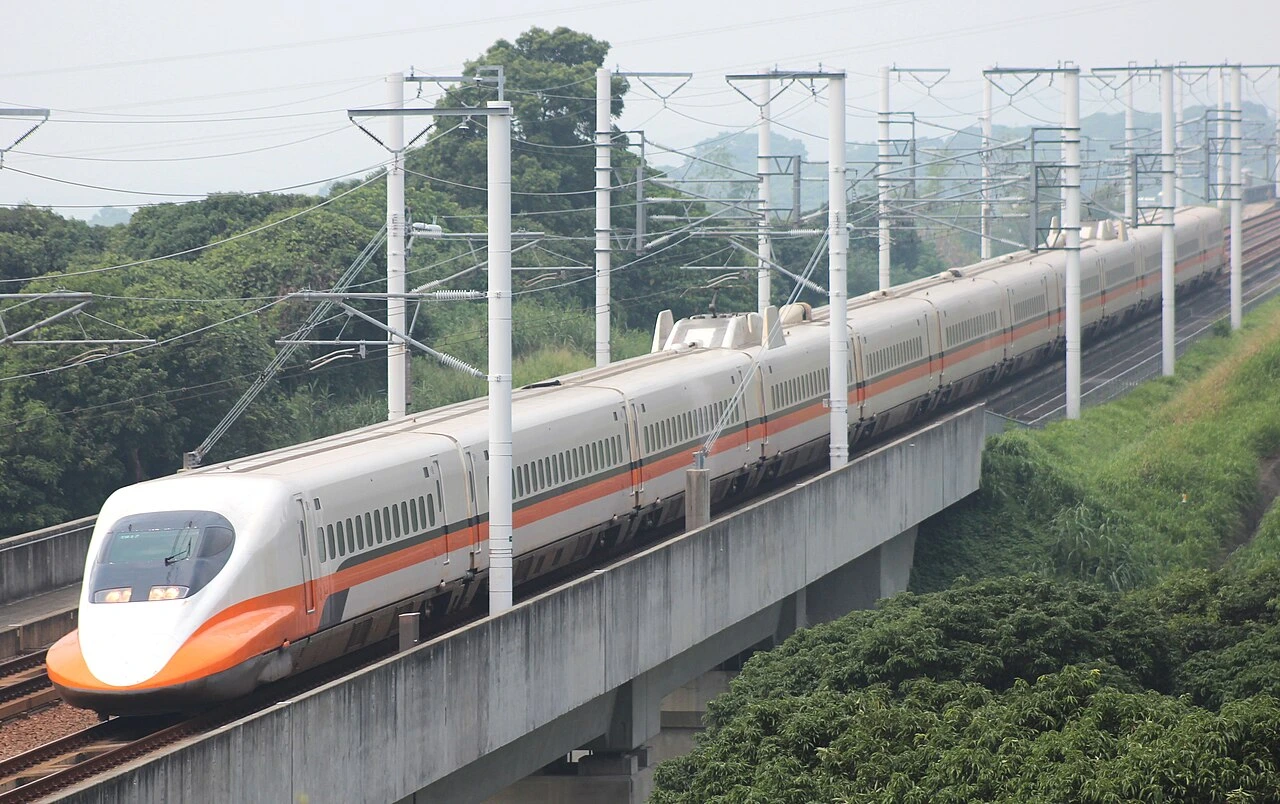
The real railway has a history of its own. Its 700T trains were jointly manufactured by Kawasaki Heavy Industries, Nippon Sharyo and Hitachi, with design changes for Taiwan’s operating environment. The THSR Discovery Museum also documents construction workers from 26 countries, preserving everyday possessions as well as engineering objects. Technology travelled alongside people and their working lives.
A maintenance worker’s tools and a passenger’s ticket belong to different parts of the same journey. One makes the vehicle ready; the other gives someone a place on it. At a station, look at the signs, the ticket gates and the way transfers are organised. These ordinary arrangements turn a distant destination into a trip a person can actually make.
Begin with a real departure
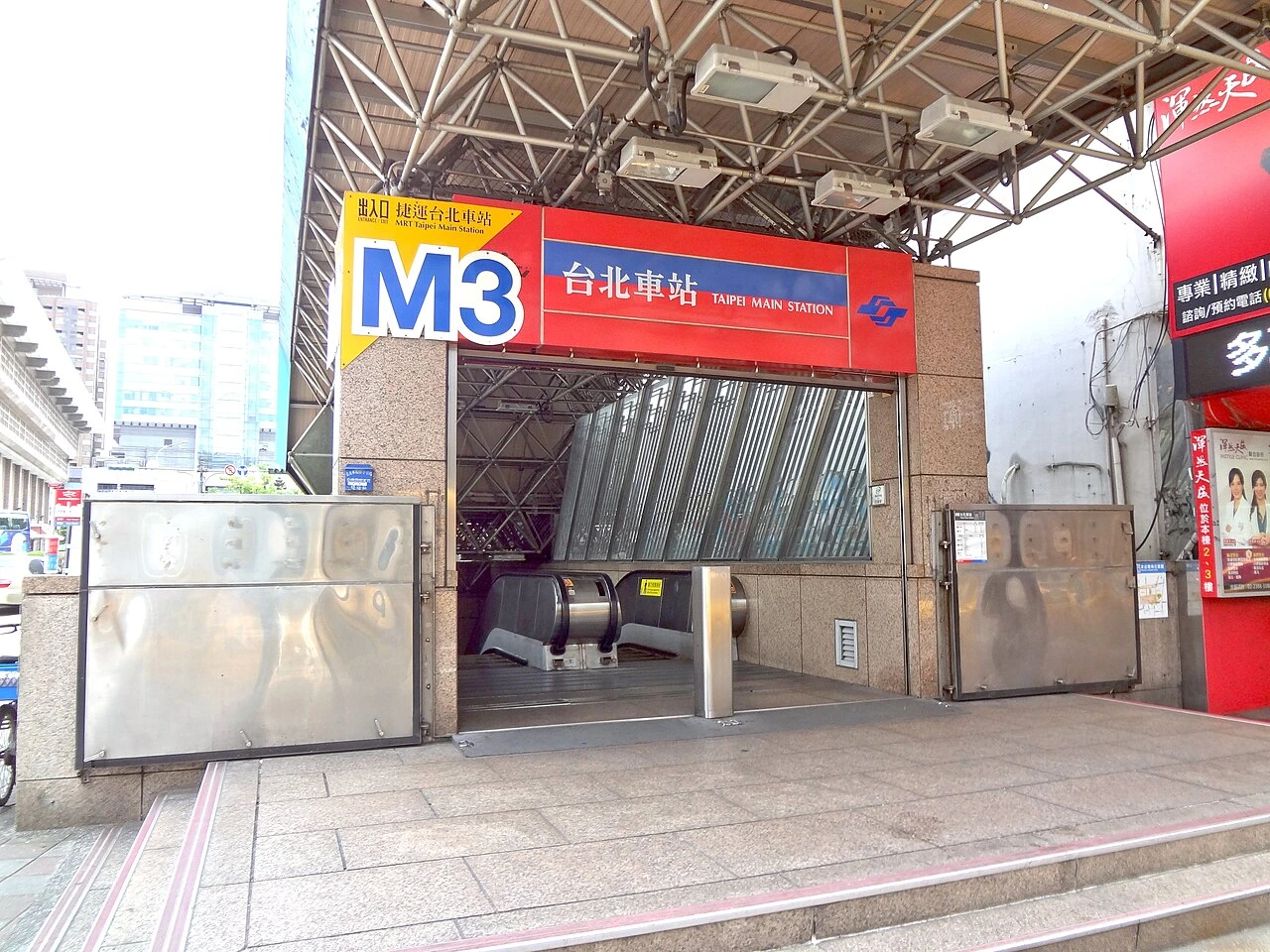
Taipei Main Station is a useful starting point. Read the distinction between THSR, Taiwan Railways and the metro before buying a ticket. If you choose a high-speed journey, compare the departure, arrival and onward local transport. The destination gains meaning through the time and arrangements it asks of you.
Bring the novel back into that experience through a question: what makes someone return? It may be a meeting, a job or a place that has become familiar. The train gets you there; spending time in a neighbourhood, at a meal or in a bookshop lets you discover what might bring you back.