
← 國家與故事入口

Indonesia × Taiwan Literature Base, Taipei

The black dot that an Indonesian writer asked Taiwan to look past

Chin Nyap Fong’s Rika’s Black Spot won the 2024 Taiwan Literature Award for Migrants. Her story leads from Indonesian writing and interpreting work to a Taipei literary venue where migrant authors could speak for themselves.

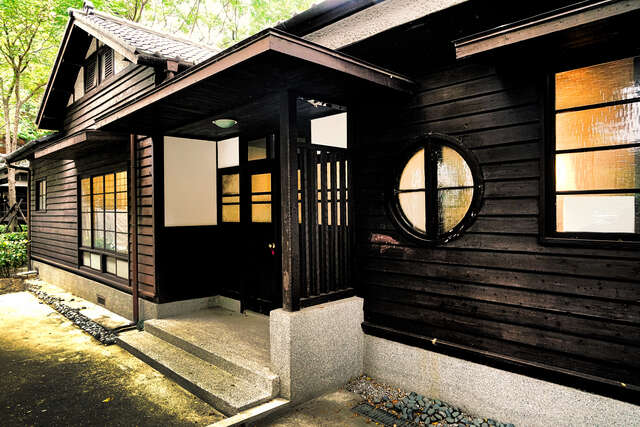
Entrance to the former Qidong Poetry Salon at Taiwan Literature Base

A dot on the back of a calendar

In Rika’s Black Spot, the narrator turns over a calendar sheet and draws a dark dot on it. Rika notices the dot before the large white area around it. This is a scene in Chin Nyap Fong’s literary work, not an incident witnessed by this article. The small image asks how quickly attention can narrow to one visible difference in a person’s life.
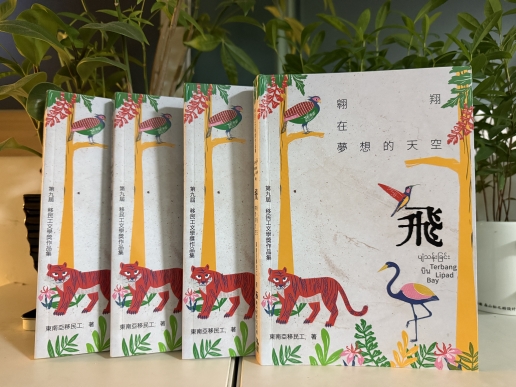
The genuine ninth Taiwan Literature Award for Migrants anthology, Flying, in a photograph published by the immigration news service on 14 January 2025. It contains Chin’s 2024 prize-winning story; it is a different publication from the earlier anthology launched in January 2024.

The work won the top prize in the ninth Taiwan Literature Award for Migrants in 2024. Indonesian-language community outlet Indosuara introduced it as a story using tattoos to explore cultural difference and identity. An Indonesian title, Titik Hitam Seorang Rika, entered a Taiwanese literary conversation through a named author and a specific work, rather than through a general celebration of diversity.

A language notebook before a manuscript

Chin’s later account, published by Taiwan’s immigration news service, describes her learning Taiwanese in construction work. She used Indonesian phonetic spellings to record words she heard. It is a practical detail with consequences: language first helped her communicate at work, and later became central to interpreting and writing. The ability to tell a story grew alongside the need to understand another person.

In the same account, literacy classes, a recovered school textbook and library books appear as stages in her learning Chinese. They do not turn difficulty into a simple success formula. They show the materials and opportunities she actually used. Keeping those details visible gives the reader a way to understand her choices without reducing her to either an inspiring prizewinner or a person defined only by hardship.

Interpreting becomes a literary question

A 2024 interview on CivilMedia records Chin’s concern that interpreting receives too little attention. She discussed bringing several languages into Rika’s Black Spot and the misunderstandings she had encountered between workers and employers. This is her explanation of the work’s purpose. It should not be confused with proof that every fictional scene reproduces one identifiable case.

Rika’s choices in the story resist an easy demand to become less visible. The narrator must also reconsider how to help her. Read as literature, the tension is more interesting than a checklist of cultural customs: who gets to decide which difference matters, and whose explanation is heard? Chin places the person doing the interpreting inside that tension, instead of making language conversion look automatic.
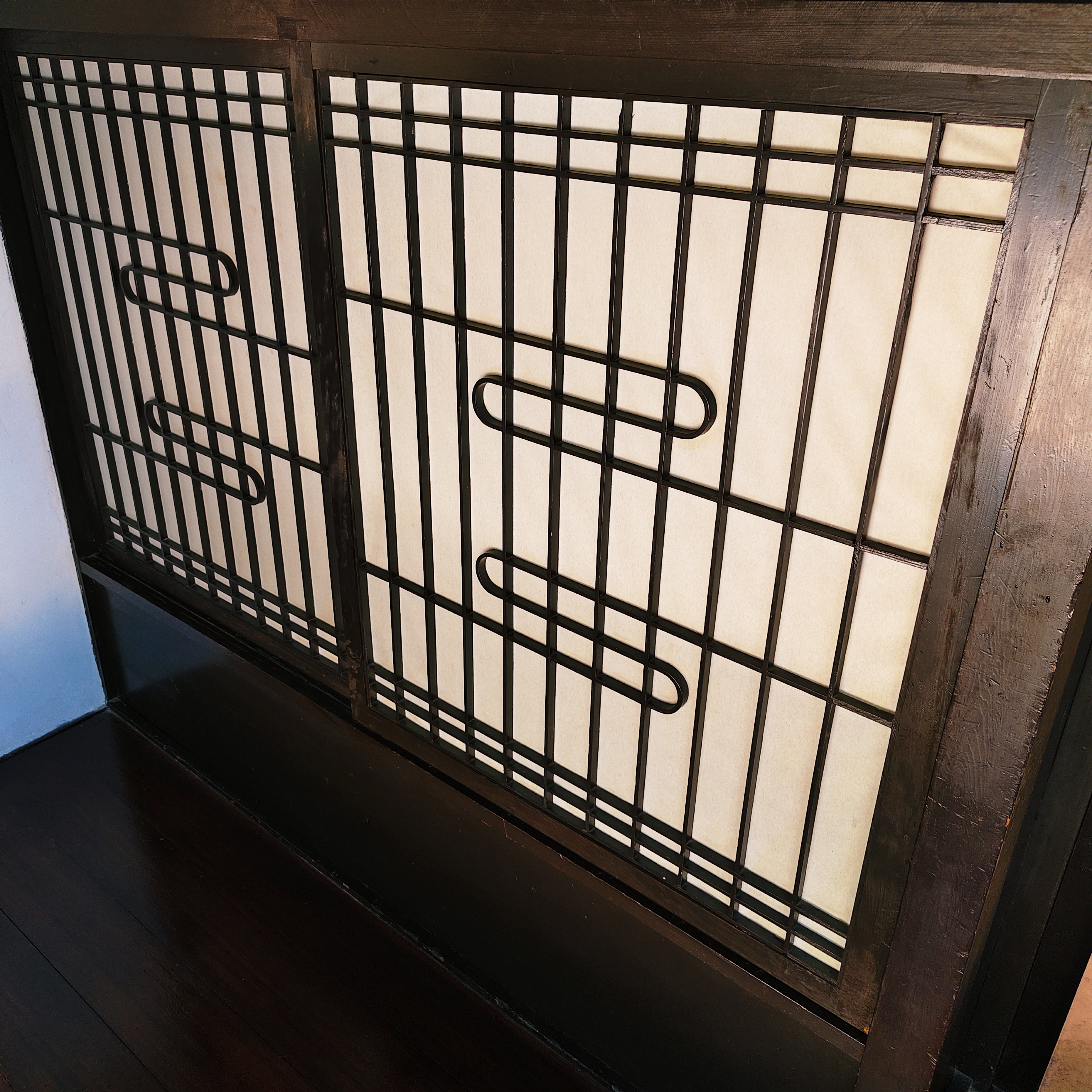
A shoji detail in the Qidong Street Japanese house complex

A book brings authors into the room

The award’s multilingual process gave that writing a route to other readers. Indosuara’s report describes initial assessment in the authors’ languages, followed by translation for a Chinese-reading final jury. The translators’ work is therefore part of the crossing too. A Chinese version is a way into the story, while the Indonesian-language authorship remains essential to where it came from.
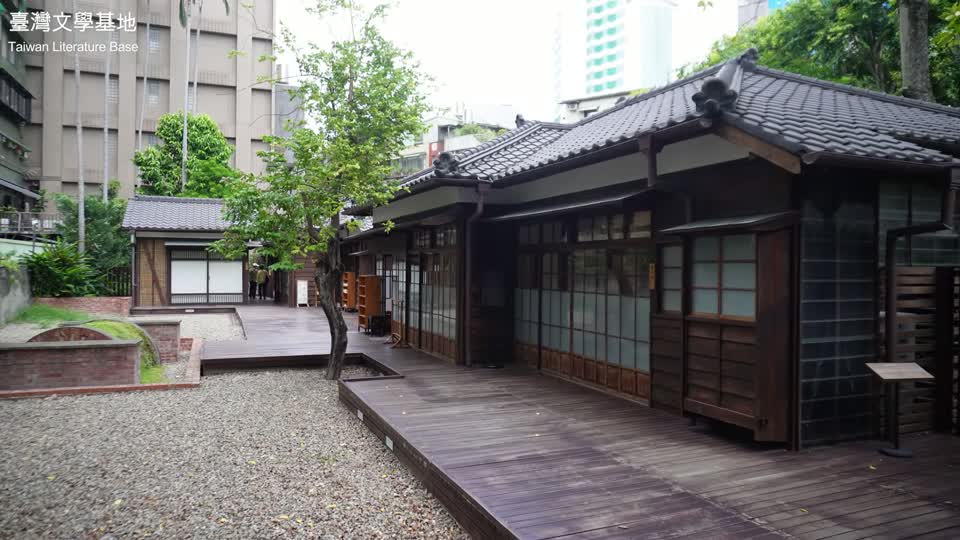
A courtyard and timber deck at Taiwan Literature Base in a visitor record uploaded in October 2025. Venue context only; this is not the January 2024 book event.

A National Museum of Taiwan Literature release, republished in January 2024, records the earlier award anthology launch at Taiwan Literature Base in Taipei on 14 January. Chin shared observations from her interpreting and consultation work. That is a direct link to a visitable place: a museum-run venue where an author’s account was part of a public literary event, not a site added merely because it looks historic.

Visit with a book in mind

Taiwan Literature Base remains a public literary site. A current official event page lists an exhibition linking the Base and Taiwan Literature Hub from June 2026 to January 2027. That verifies ongoing public programming; it does not establish a current display of Chin’s work. Check the museum’s present announcements for the day’s access and programme rather than using a 2024 launch notice as visiting information.
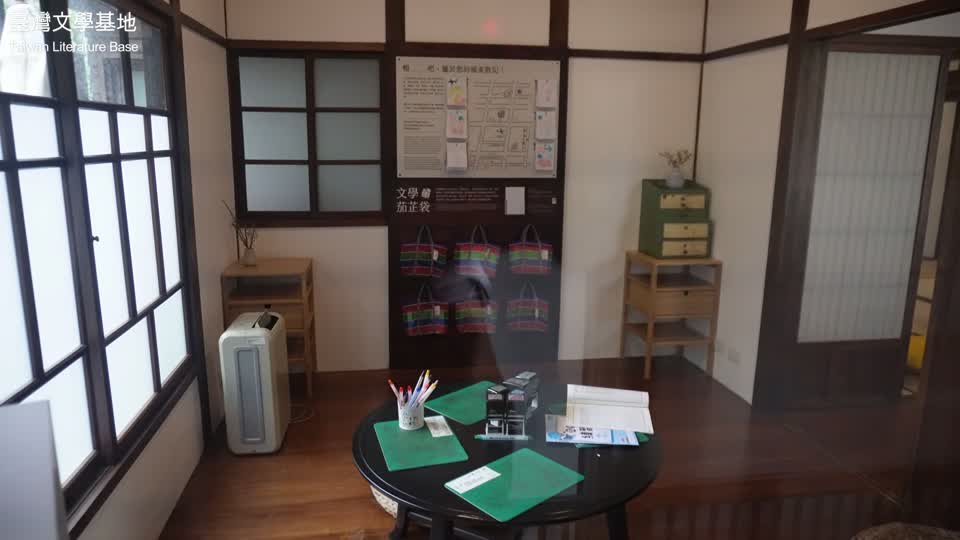
A visitor desk and posted instructions in the Qidong house complex, in a record uploaded in October 2025. This is not identified as Chin’s writing or interpreting room.

Read a short work before walking through the grounds, then notice how many languages and forms of writing the institution chooses to make visible. Chin’s path connects Indonesia and Taiwan through everyday learning, interpreting and a manuscript that reached readers. The black dot is a useful question to carry: after noticing a difference, what else are we willing to see?

Find this story in Taiwan

What to see
The museum’s January 2024 anthology-launch record places Chin’s public sharing here. Visit current literary programming without expecting a permanent exhibit of her work.
Visitor information
The current official exhibition page lists a Base/Hub exhibition from 3 June 2026 to 17 January 2027, without advance exhibition registration. It is not a Chin Nyap Fong exhibition.
Before visiting
No. 27, Sec. 2, Jinan Road, Zhongzheng District, Taipei. Free admission; Tuesday–Sunday 10:00–18:00.
Before visiting
Closed Monday, except national holidays; the day after a consecutive holiday period is closed. Also closed on Lunar New Year’s Eve and New Year’s Day, official natural-disaster work-suspension days, election days and separately announced closure days.
Before visiting
Remove shoes to enter the buildings and keep out of areas not open to visitors. Check the latest announcements for special changes; the 2024 launch has ended.
Getting there
From Zhongxiao Xinsheng MRT Exit 5, follow Xinsheng South Road, turn right onto Jinan Road Section 2 and continue to the Base at No. 27. This is the museum’s published MRT approach.
Return journey
Plan the return from the Jinan Road Base to Zhongxiao Xinsheng station by reversing that approach. The Literature Hub entrance beside 26 Hangzhou North Road belongs to a separate exhibition site; do not use it as the Base’s arrival or return address.
Time to allow
Allow 45–60 minutes for a public exhibition and the grounds; editorial suggestion.

Official visitor information (Chinese) → →

Film, images and visit-check dates

The film uses a visitor record uploaded on 22 October 2025; its filming date is unstated. The anthology photograph belongs to the ninth award’s January 2025 release, while the original article also describes an earlier January 2024 public sharing. These are separate events. Neither the visit footage nor the original Qidong architectural photographs is an event record or evidence of a permanent Chin Nyap Fong display.

Official 2025 anthology release and original book photograph

Original visitor record, uploaded 22 October 2025

Museum exhibition listing; read 6 November 2026

Official visitor notices

The official event listing runs from 3 June 2026 to 17 January 2027 and says the exhibition needs no advance registration. It concerns love writing at the Base and the separate Literature Hub, not a Chin exhibition. Check the operator’s latest notices before a special visit.