Taiwanese drums on a Hong Kong programme
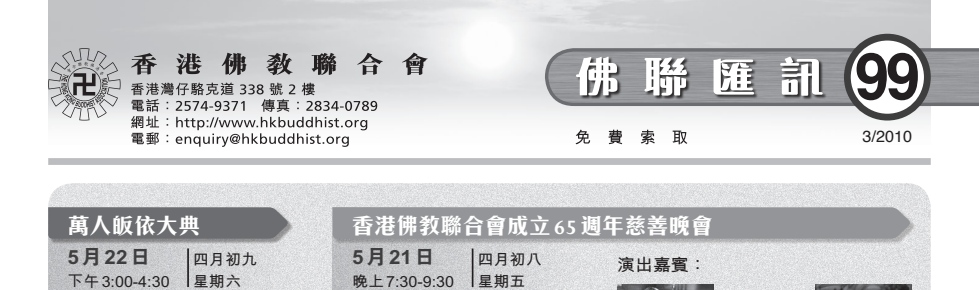
On 21 May 2010, the Hong Kong Buddhist Association held its 65th-anniversary charity concert at the Hong Kong Coliseum in Hung Hom. Its programme named Taiwan’s Ten Drum Art Percussion Group, and its subsequent bulletin included photographs of the performers. The group brought together Taiwanese folk percussion, contemporary composition and the work of an ensemble.
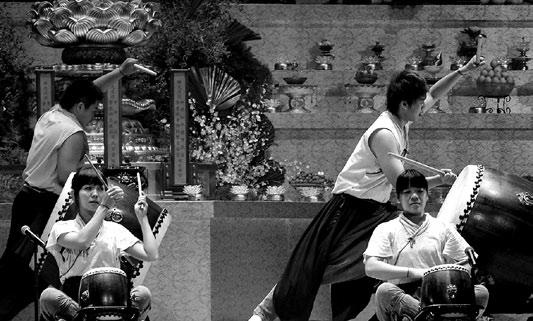
The programme placed Ten Drum alongside several other forms of performance. Following that name back to Taiwan leads beyond the stage: the musicians rehearse, teach drumming and look after an old sugar factory. One Hong Kong engagement offers a thread to follow into the work that makes their music part of an ongoing daily practice.
A performance changes a young drummer’s direction
Ten Drum’s founder, Hsieh Shih, grew up as the son of a Taoist ritual specialist, surrounded by ceremonial percussion. In a 2010 interview, he recalled climbing onto a drum platform at three and taking up rhythms he already knew. As a youngster he also followed the sounds of street processions to test his skills. Sounds heard repeatedly in everyday life and remembered through the body became a starting point for his later work.
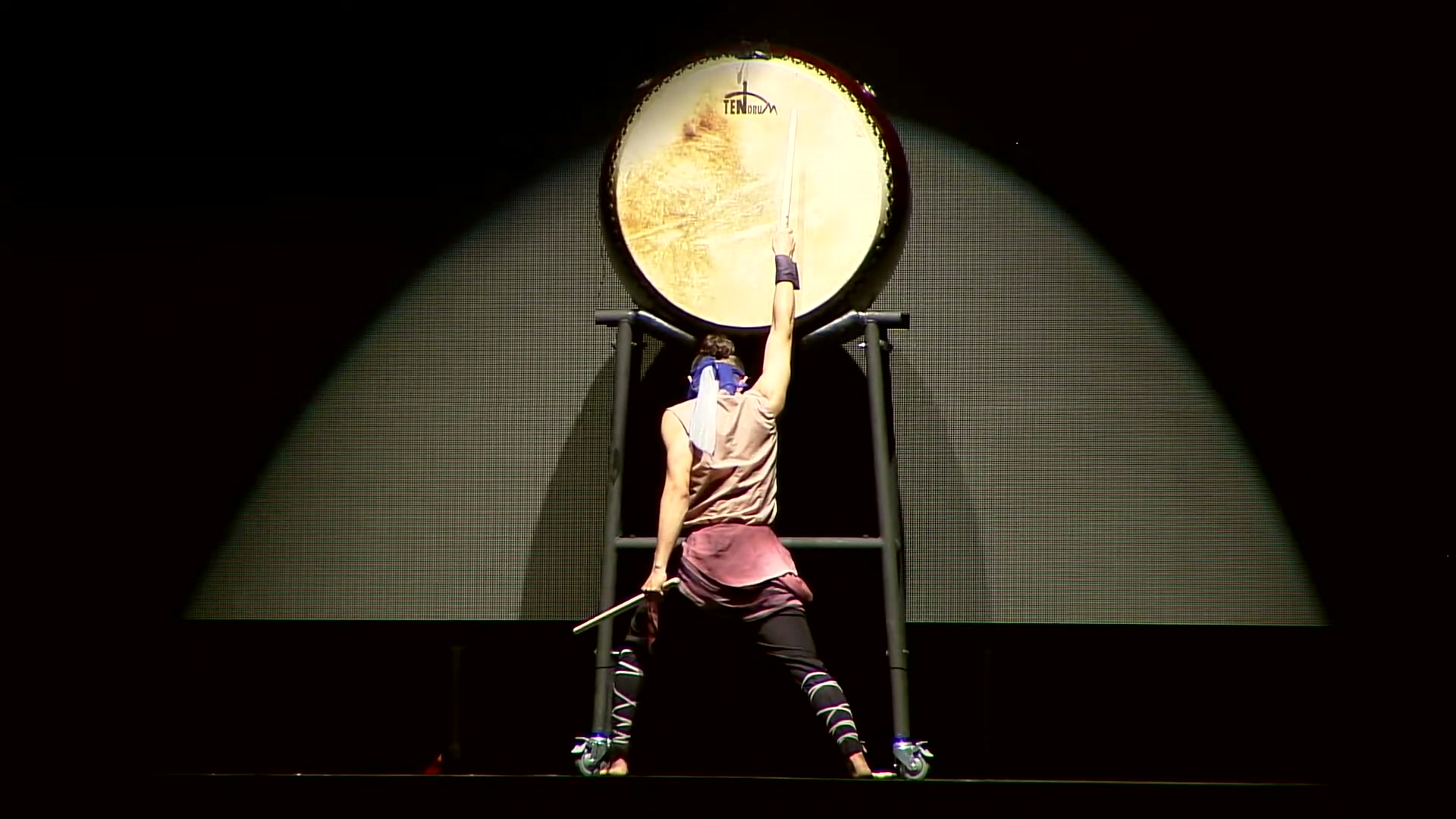
At sixteen, hearing Hong Kong percussionist Yim Hok Man changed how he understood the instrument’s possibilities. Hsieh recalled finding his life’s direction through that encounter: familiar folk percussion could develop into music to be listened to on a stage. The task ahead extended beyond mastering an individual rhythm to forming a team capable of turning ideas into a shared performance.
Individual strokes become ensemble music
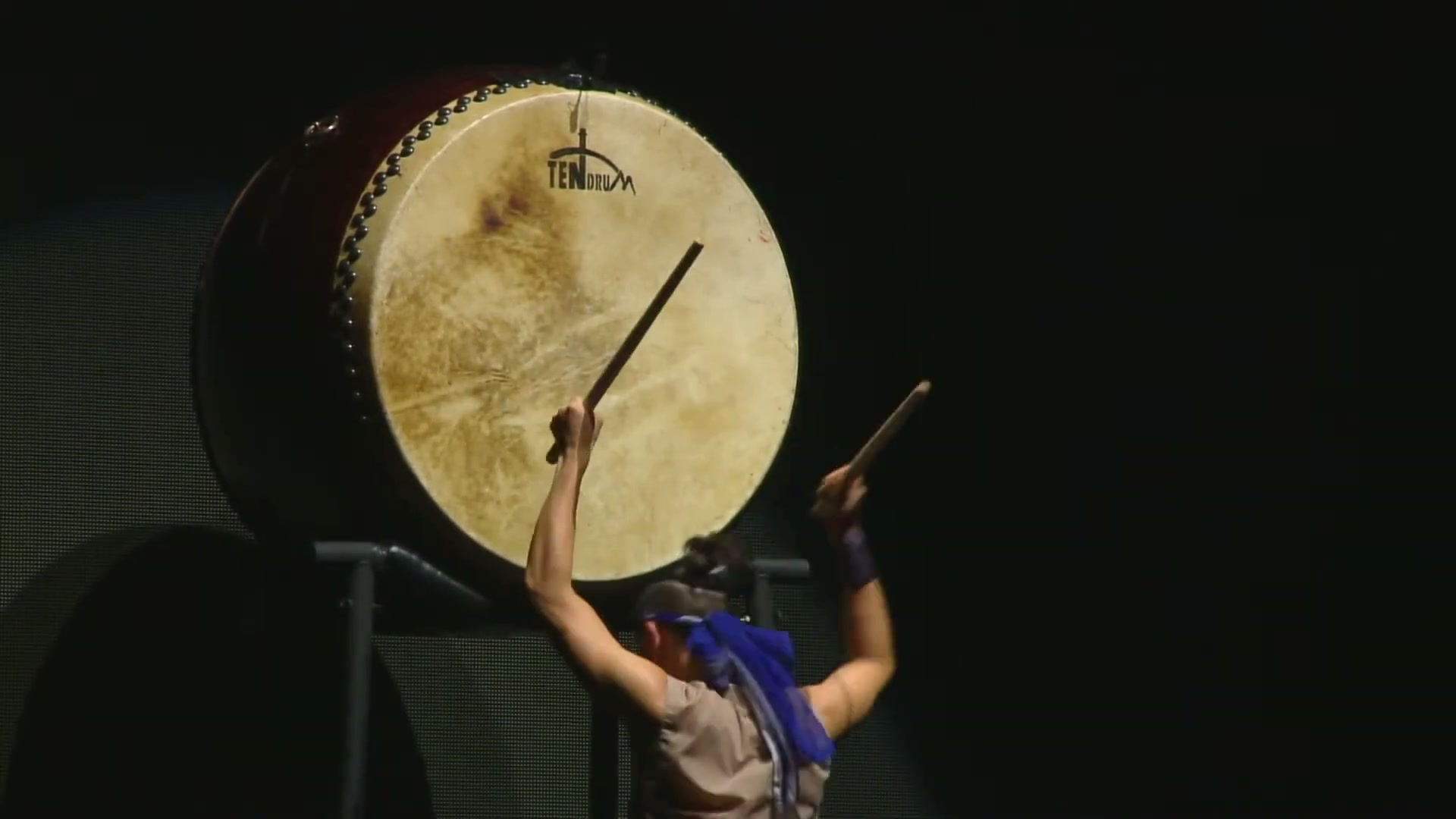
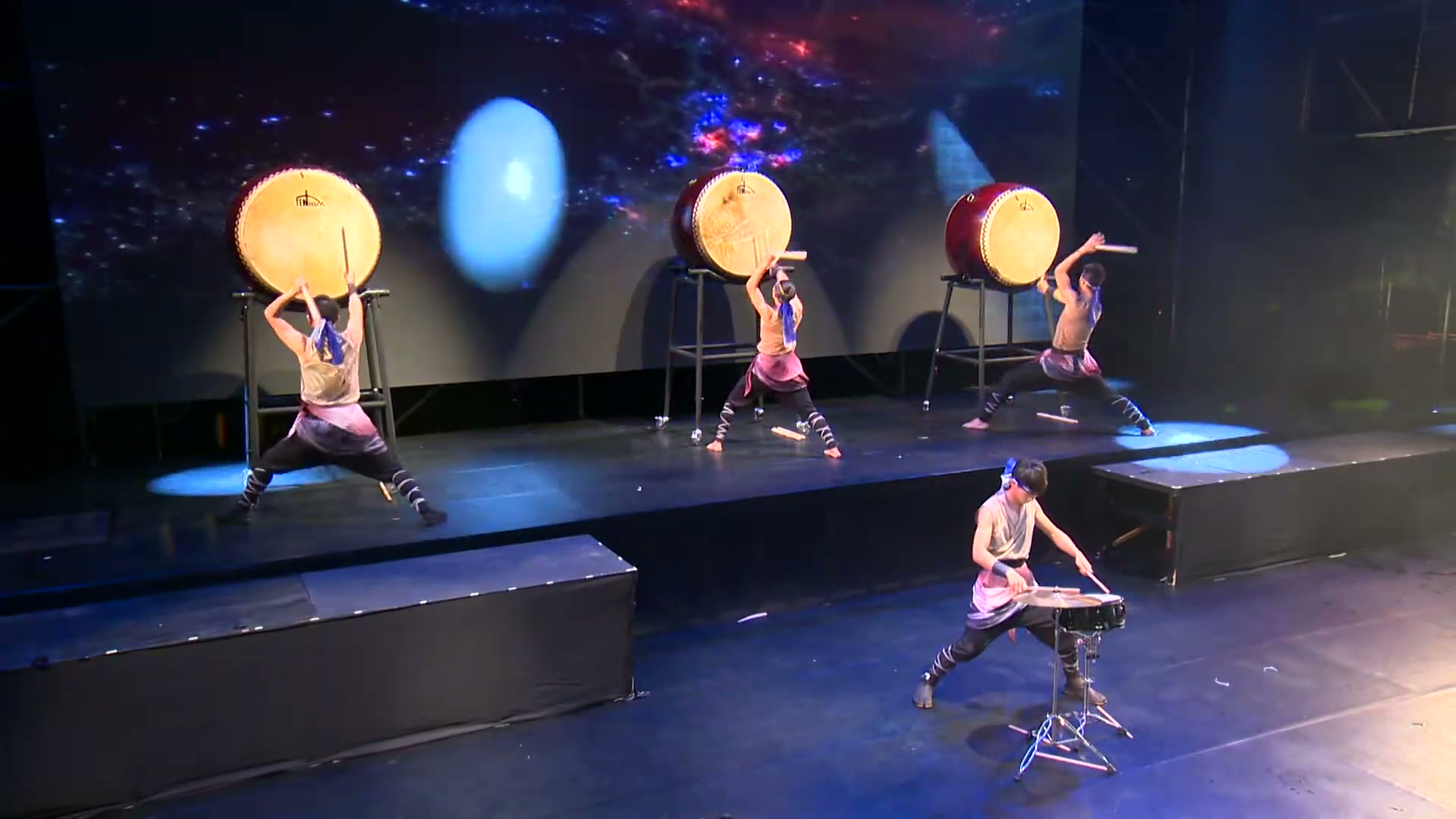
Ten Drum was founded in spring 2000. In his interview, Hsieh described wanting harmony and the feeling of a team in percussion. Different drums, volumes and entry points have to fit within the players’ attention to one another. Beginning with Taiwanese folk percussion, the group also draws on other percussion traditions, combining local subjects with contemporary staging to develop its own performance language.
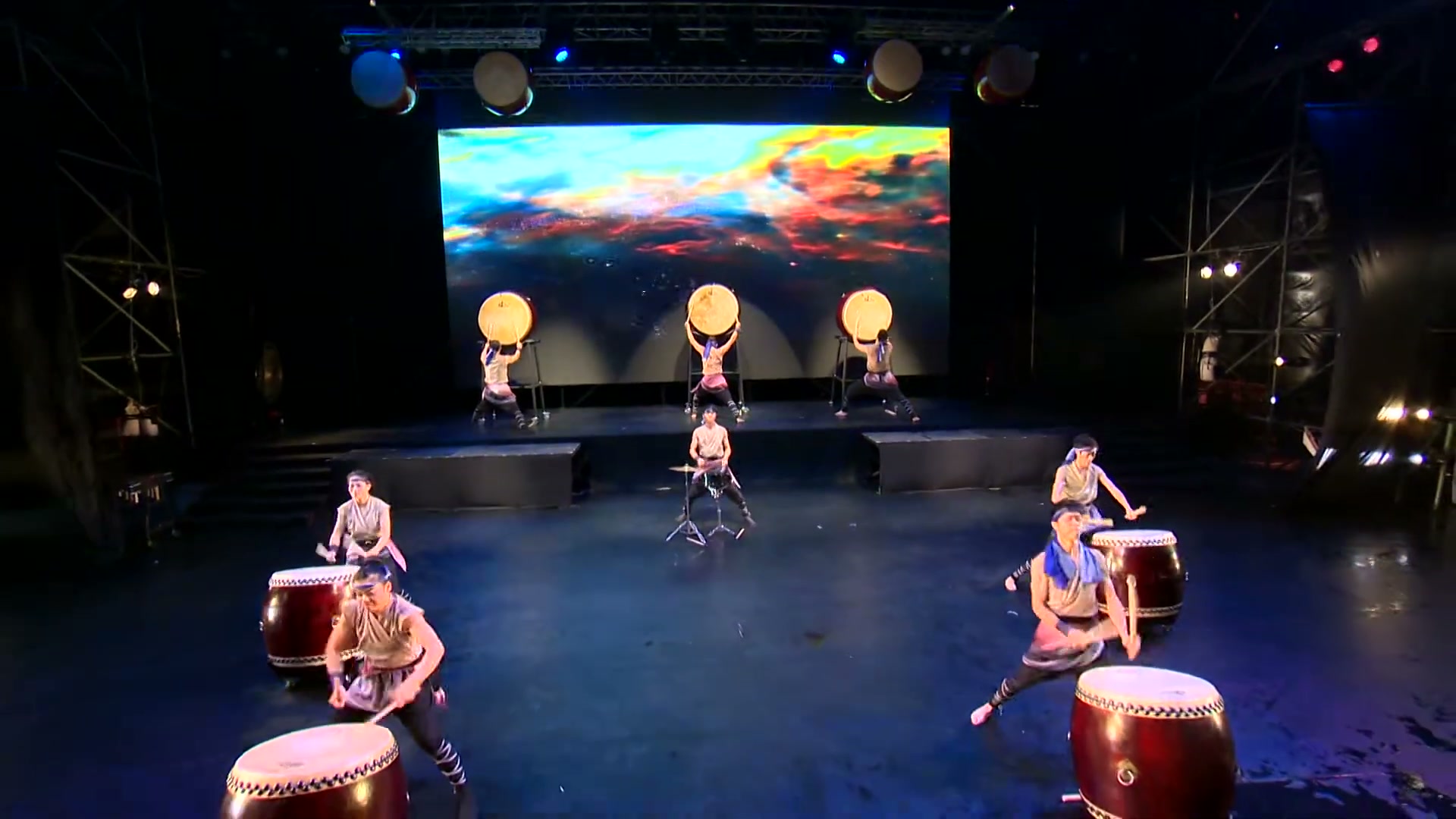
Composition also grows out of ordinary life. In an interview with Performing Arts Review, Hsieh discussed ideas prompted by typhoons, rainfall and a rooster heard at the site, translating them into sounds and rhythms in different works. Local life enters the music while leaving room for new arrangements. The drumming on stage is contemporary work shaped through repeated practice and coordination between bodies and musical parts.
Before the Hong Kong concert, a home in an old factory
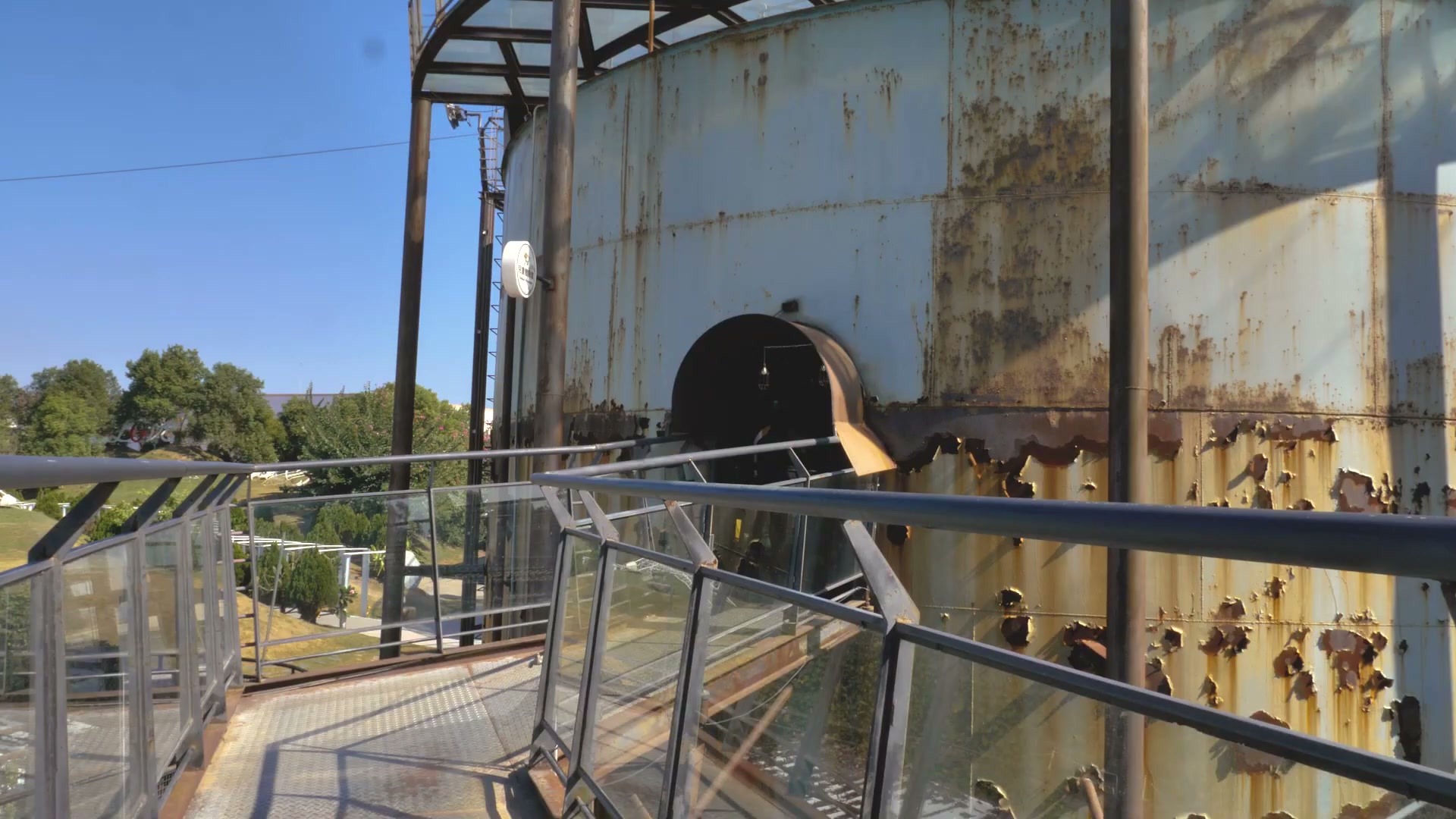
The group’s base in Rende, Tainan, occupies the former Cheluqian factory, later known as Rende Sugar Factory. Sugar production closed in 2003, and some warehouses were subsequently leased to Ten Drum. Tainan’s official tourism information records the revitalisation in 2005; the group dates the establishment of Ten Drum Cultural Village to 2007. Rehearsal, performance and teaching gained a place where the work could continue to develop.
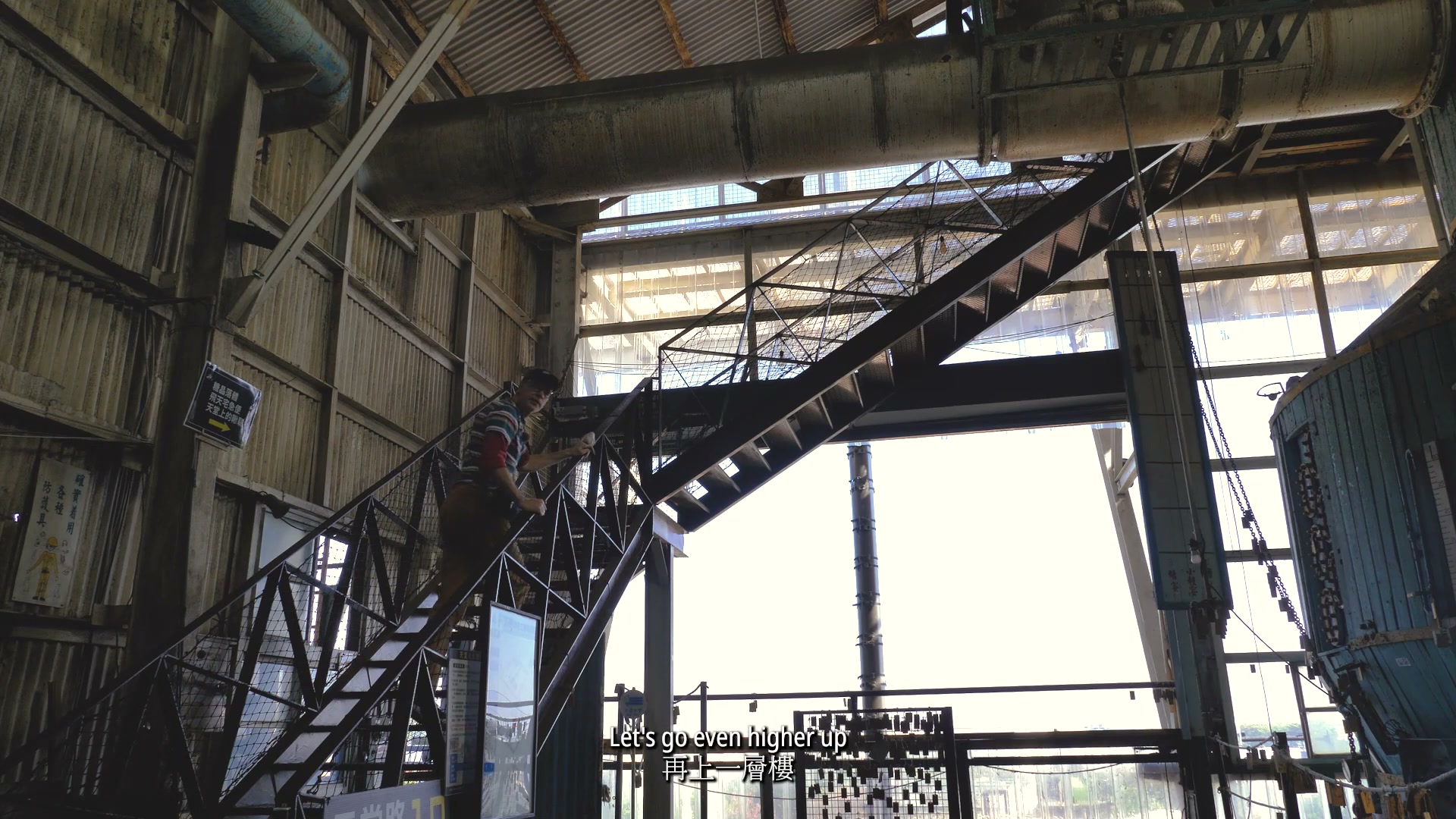
Caring for the site became part of the musicians’ work. The 2010 interview records deputy director Yang You-wen leading members in clearing a storm-affected part of the site themselves. This daily labour adds another dimension to the village: beyond performance, people maintain buildings and clear spaces so rehearsal and teaching can continue. Drumming has a lasting home here through people who keep playing and people willing to care for that home.
In Rende, make time to listen
Today the story can be continued at Ten Drum Cultural Village, 326, Section 2, Wenhua Road, Rende District, Tainan. The site retains old warehouses and sugar-industry structures alongside repertory performances and drumming-related activities. Plan admission and performances through the operator’s current rules. Its admission page states that one park ticket includes one drumming performance; operating hours, schedules and additional performances follow current notices. Check the performance times before travelling so a complete listening experience fits into the visit.
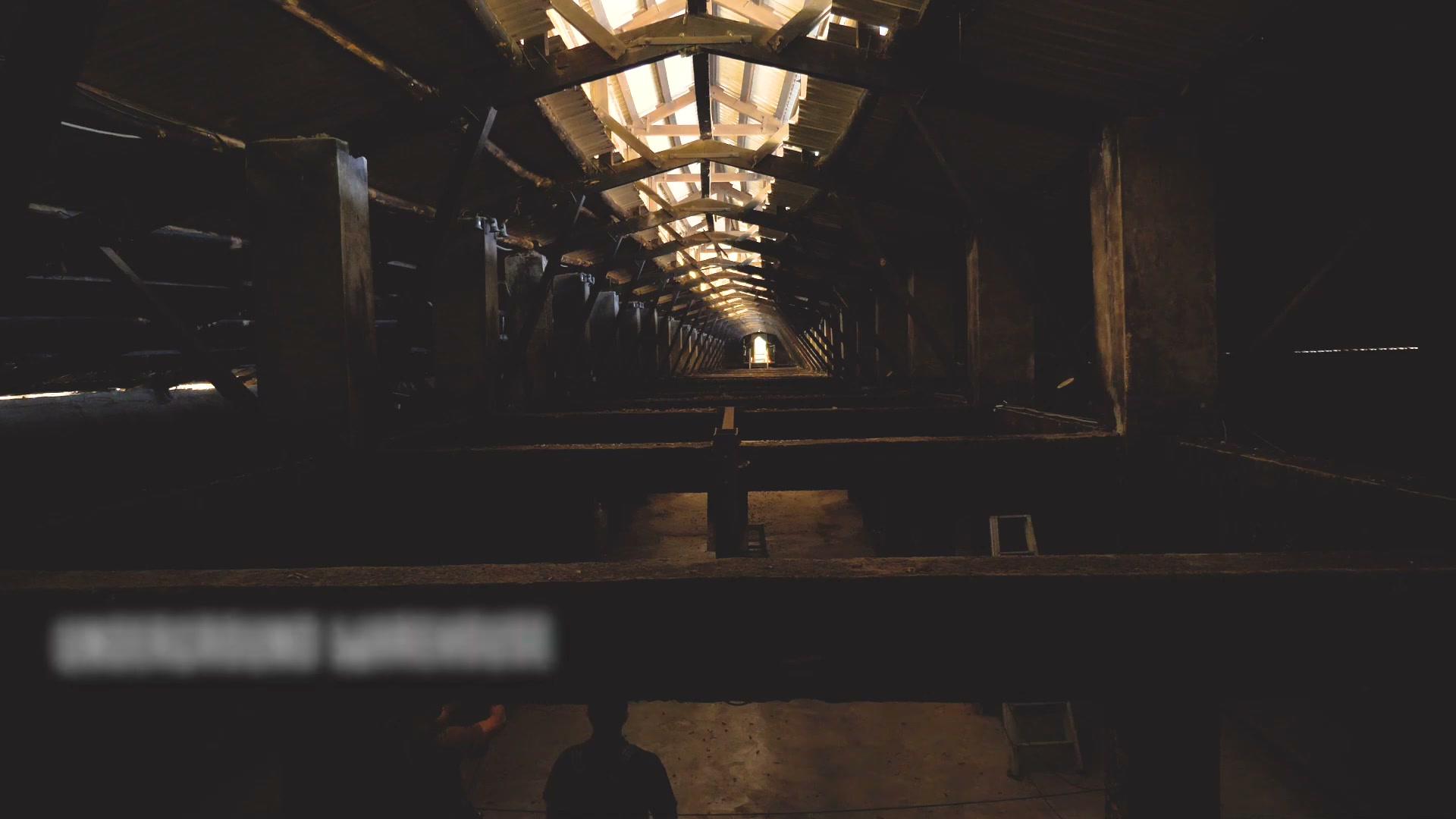
When watching, listen to how one musical part enters and how others respond. Notice where the sticks land, how bodies shift their weight and the moments when sound gives way to quiet. After the performance, walk past the old factory buildings and chimney. A Taiwanese name on a Hong Kong programme leads to a place where people rehearse, perform and maintain their surroundings. Drumming becomes visible as ongoing cultural work carried by a group of people.