A Hong Kong piazza invites a travelling theatre
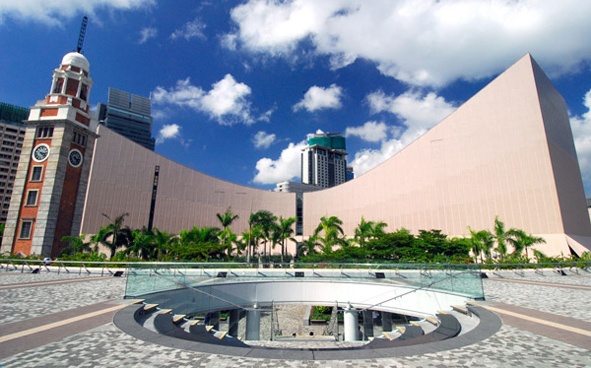
The programme for Hong Kong’s 2013 Taiwan Festival offered a place outside the theatre’s ticketed interior: Paperwindmill Fantasia at Hong Kong Cultural Centre Piazza on 9 November. It listed a free outdoor performance from 18:30 to 19:40. Introduced through the Kwang Hwa Information and Culture Centre, the invitation brought a form of theatre practised across Taiwanese towns into a public space in Tsim Sha Tsui.
The programme offered more than the name of a visiting troupe. Its announced sequence combined movement, animation, actors and puppets, then black-light forms that could become flowers or lightning. It also included Travel Alone at the Age of Eight, adapted from Wu Nien-jen. The connection to Taiwan lay in how its makers turned familiar lives and childhood memories into theatrical forms children could follow.
The theatre travels before the children have to
There was already a long Taiwanese journey behind this approach. Paperwindmill began its 319-township children’s arts project in 2006 to bring professional children’s theatre to local communities. The troupe records a five-year journey through all 319 townships, completed in Wanli, New Taipei, on 3 December 2011. Access to culture could mean moving the stage, lights and audience seating, rather than requiring every child to travel to an established theatre.
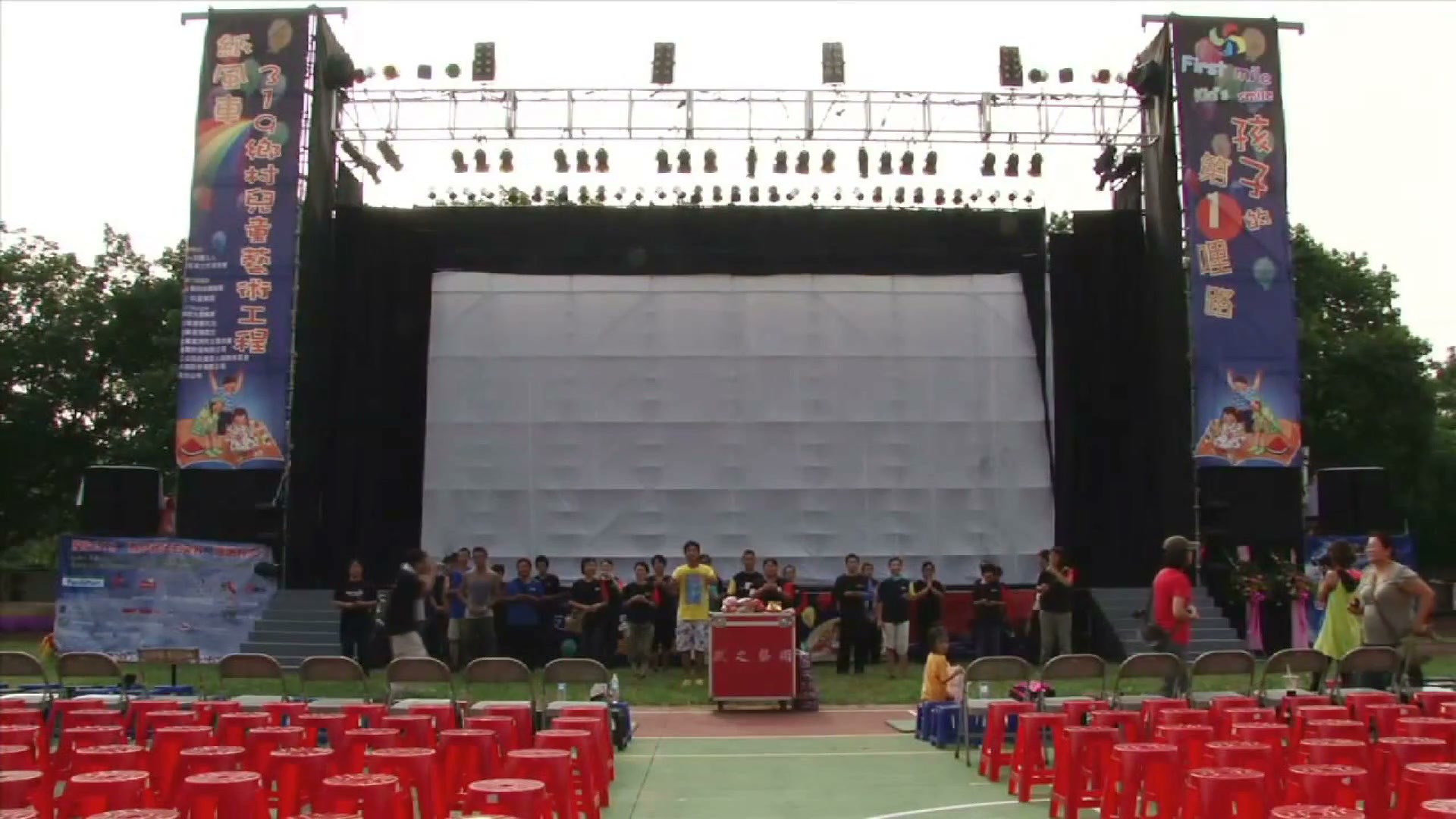
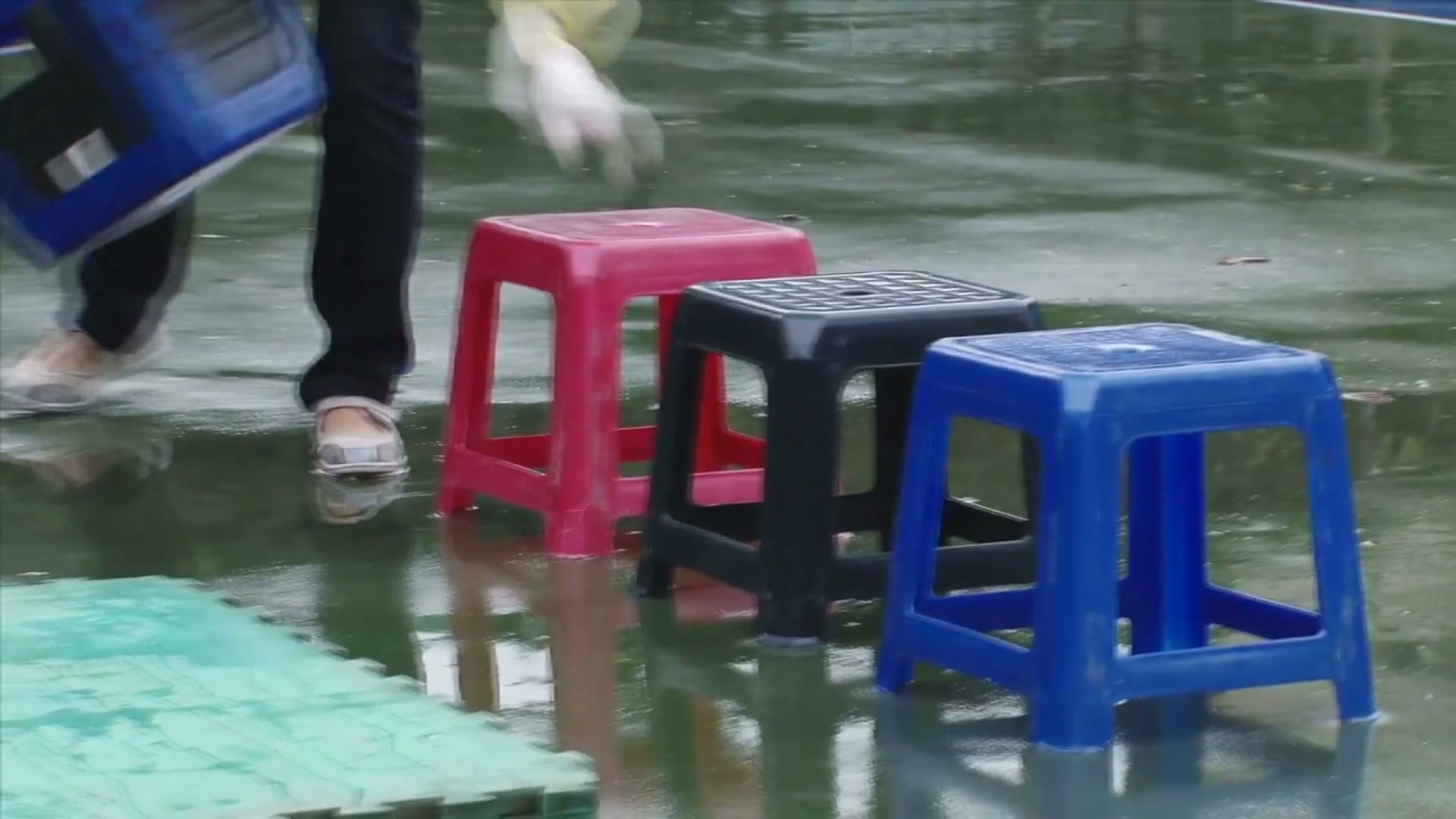
The journey was only part of the work. The promotional film released by Kwang Hwa in 2013 shows equipment, vehicles and rows of seats, including rain-coated workers arranging wet chairs and stools. The Taiwan tour records make visible the transport, preparation and care for an audience that sit behind the simple phrase “free performance”.
An eight-year-old meets strangers on a train
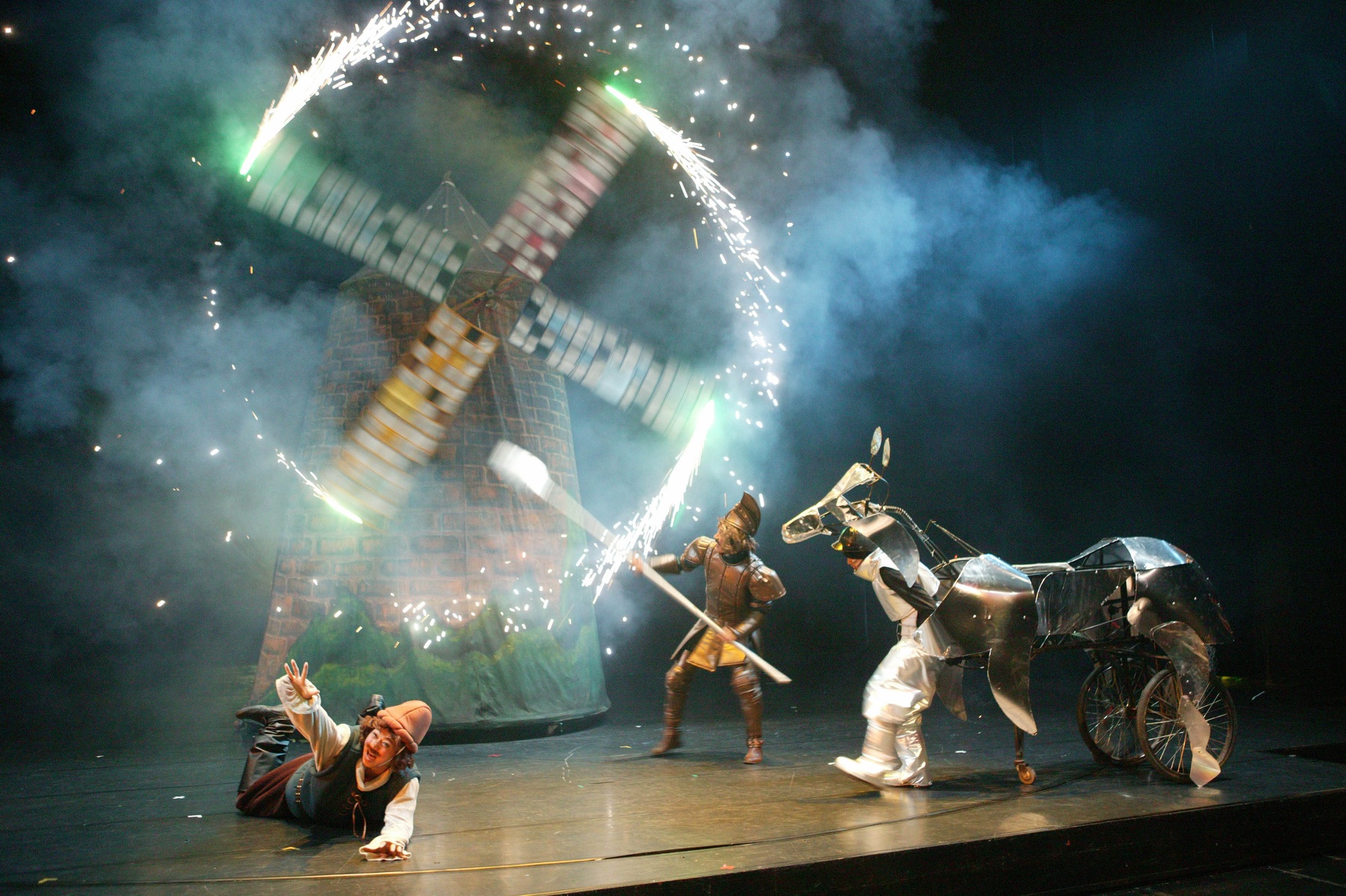
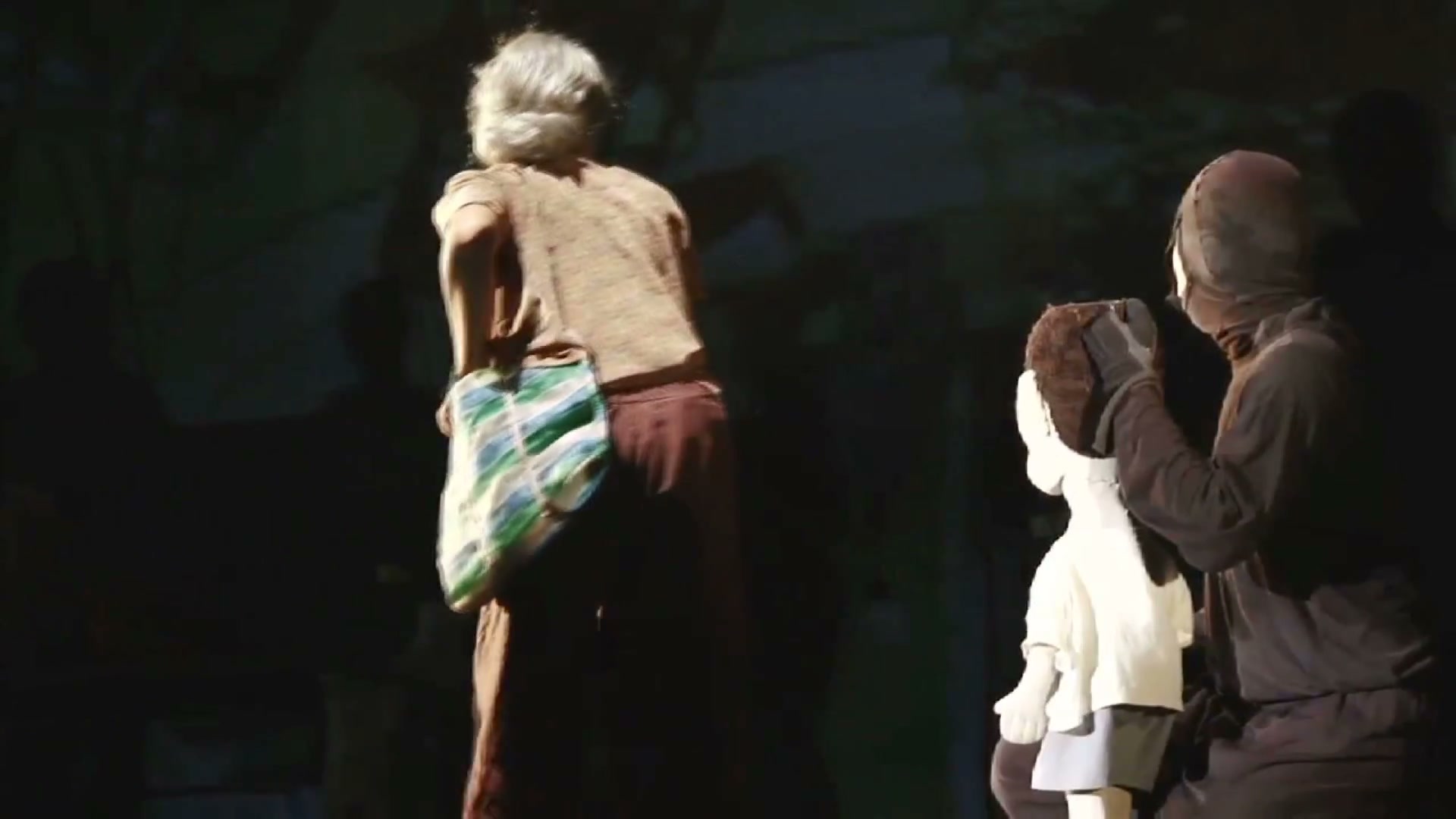
Travel Alone at the Age of Eight adapts a work by Wu Nien-jen. The troupe’s account follows eight-year-old Wu Wen-chin on a solo train journey from Keelung to Yilan to visit his great-aunt. On the way he helps an older woman who reminds him of his grandmother. The action grows from a child entering an unfamiliar journey and meeting another person.
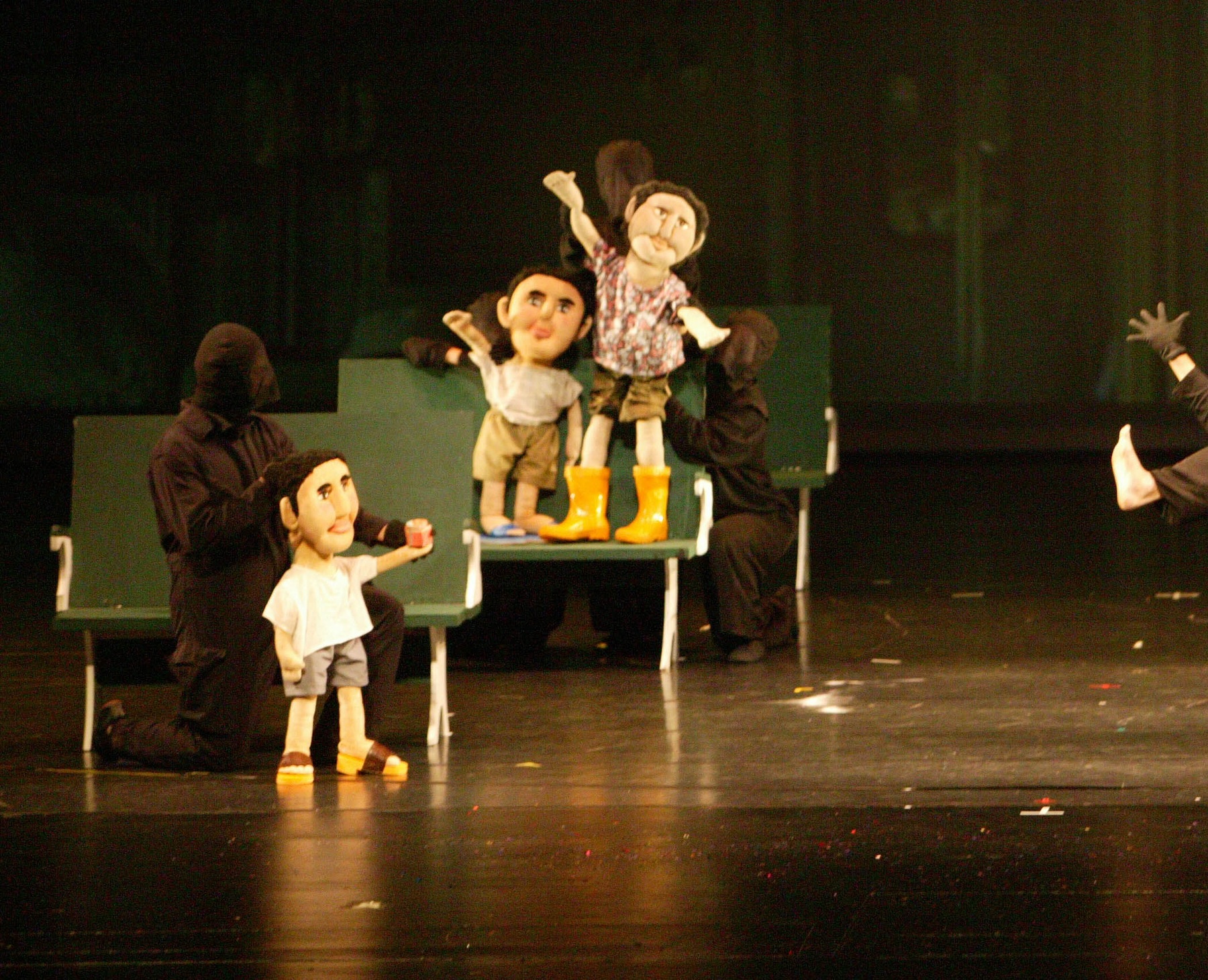
A feeling on the printed page needs another form when an audience must see it together. The production combines actors, puppets and multimedia: the figures’ scale, the operators’ hands and their movement all carry the story. A named writer’s experience becomes an encounter through which Hong Kong audiences could approach the question of how strangers treat one another.
From waking up to black light
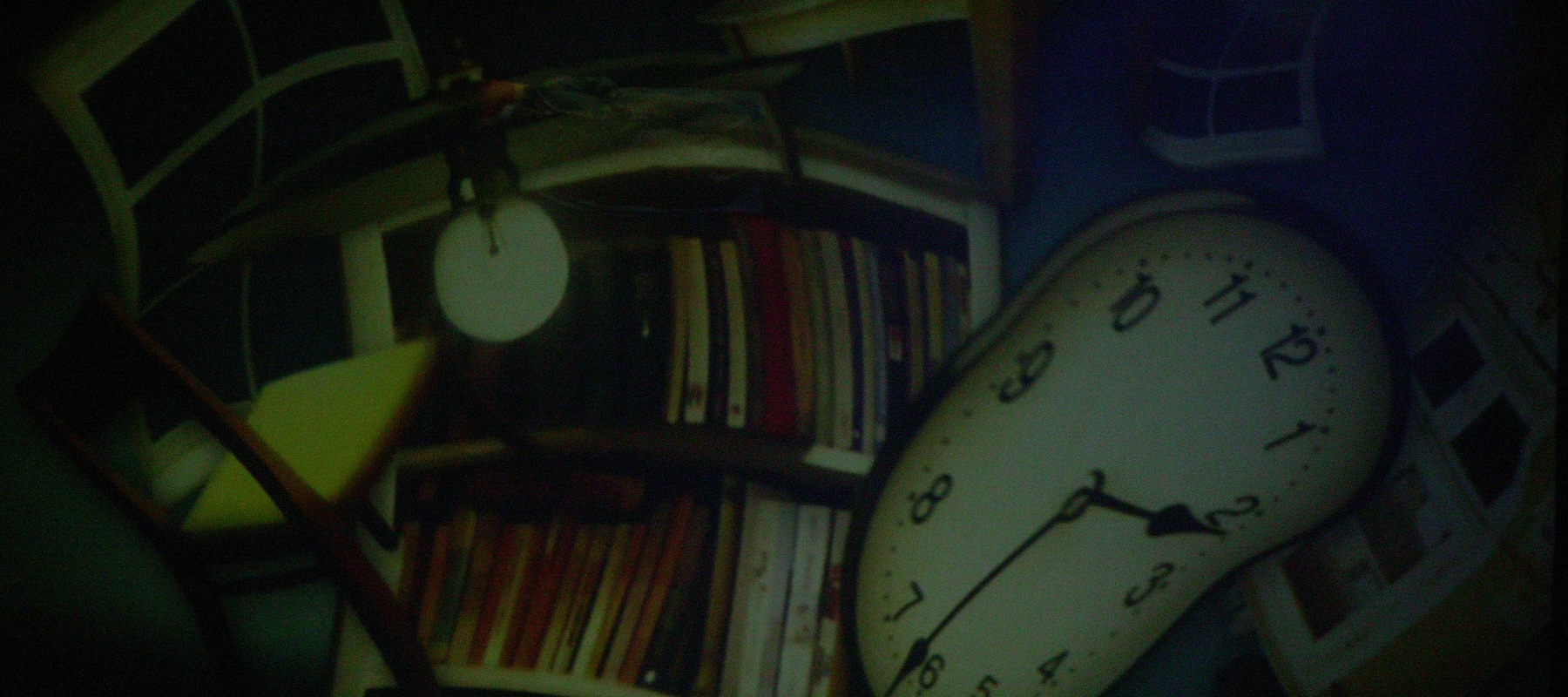
The Hong Kong programme also listed Reveille, which turns the ordinary resistance to getting out of bed into an unexpected combination of animation and movement. Its clocks and enlarged interior setting change the scale at which everyday things are seen. This is a different passage from the childhood train story, but it shares a creative choice: begin with a recognisable part of life, then let theatre open it into something else.
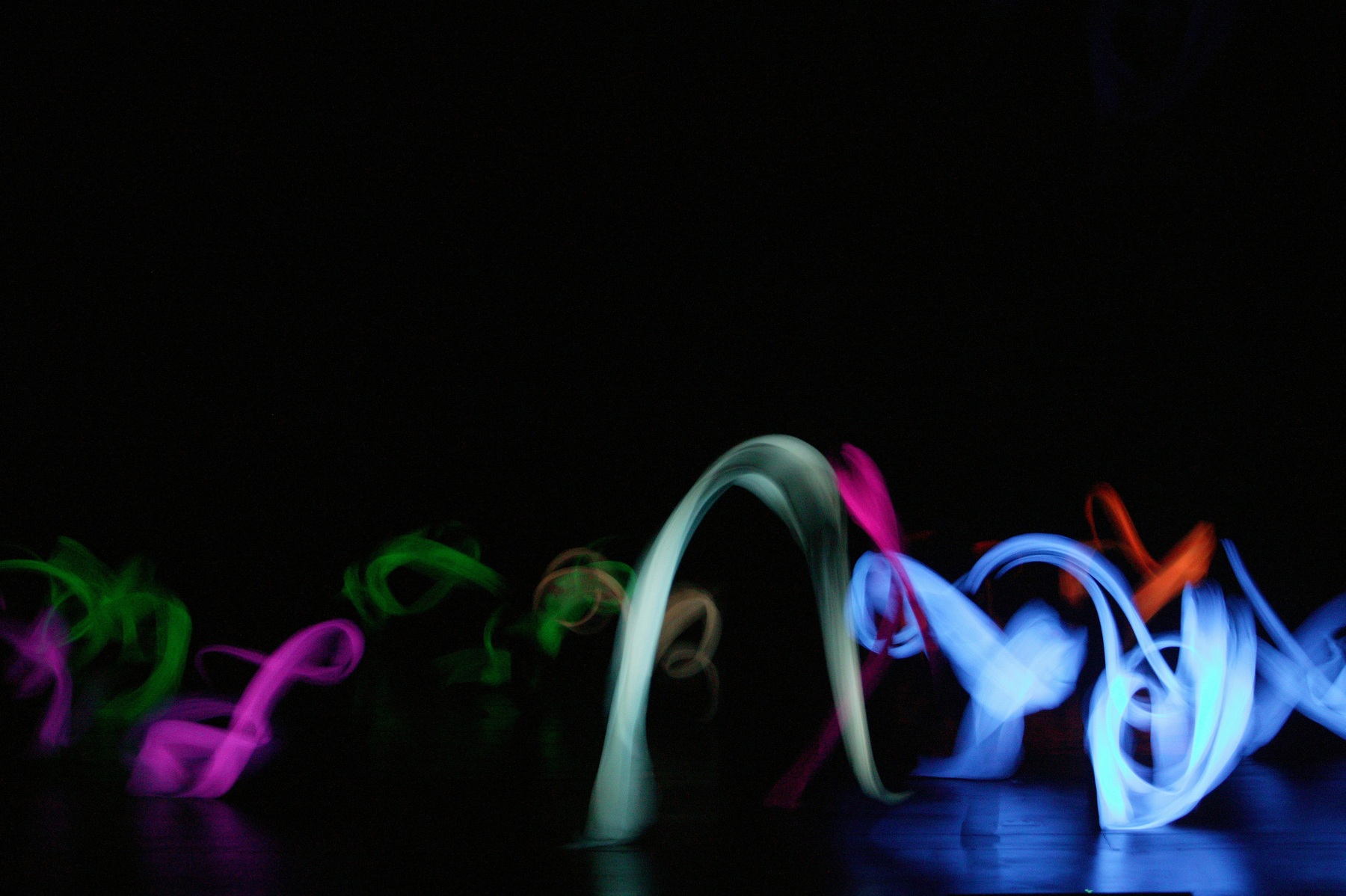
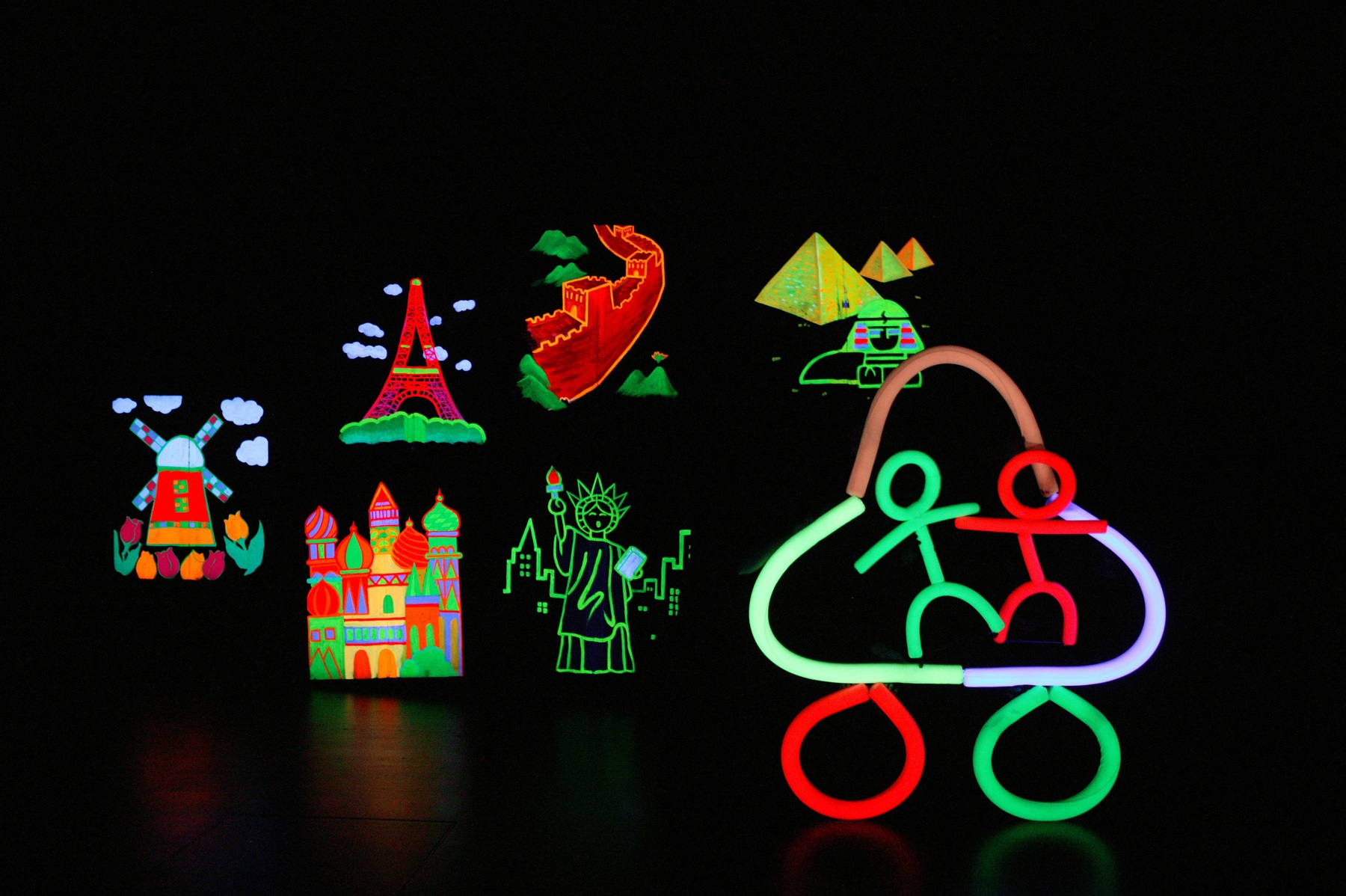
The black-light passage places the operators in darkness and lets luminous lines form changing shapes. The Hong Kong introduction specifically mentioned flowers and lightning; the troupe’s surviving production photographs also show figures, objects and patterns. It offers another entrance into the work: an audience need not first master a long spoken passage to follow how a shape appears or changes, and encounter the imagination of its Taiwanese makers.
From that invitation to Taiwan’s next stop
In 2013 Paperwindmill launched a further project covering 368 Taiwanese townships and districts. Its records place the completion of that second round in October 2024, followed by a third round. The figures 319 and 368 belong to different phases. The Hong Kong invitation belongs to 2013; today’s performances are found in the troupe’s current schedule.
To reconnect with the work in Taiwan, start with Paperwindmill’s current schedule and choose an announced performance. The programme may be another work, such as Lantern Monster or Polly Goes Home, rather than a repeat of the 2013 Hong Kong sequence. At the venue, notice the work around the stage: how seating is arranged, how objects arrive and how characters share a place with children. Follow a Taiwanese childhood into the troupe’s story, then enter a present-day performance and see how a travelling theatre meets its next community.