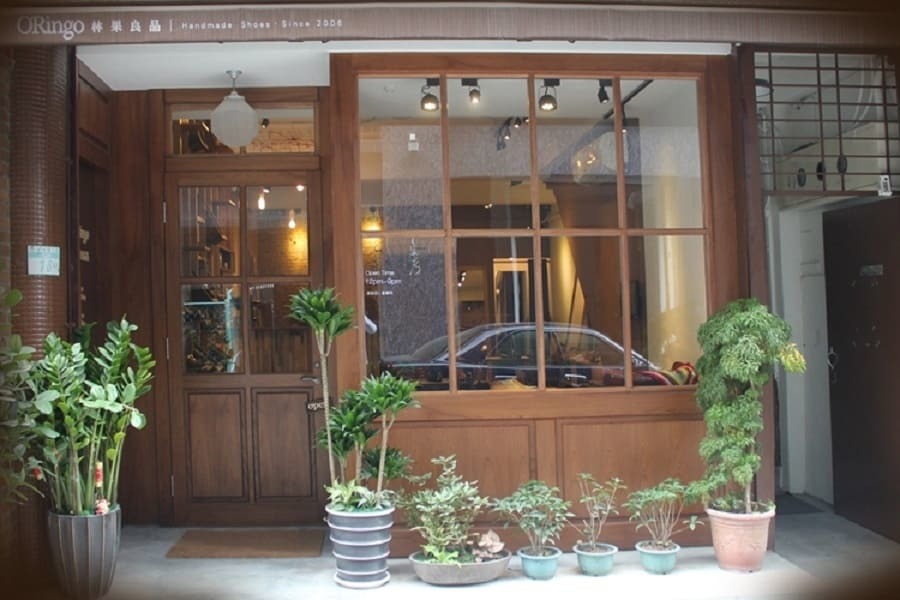
A Hong Kong opening leads back to the makers
On 2 October 2015, the Hong Kong government announced the opening of ORINGO’s first shop outside Taiwan. For the Taiwanese brand, founded in 2006, Hong Kong became a place to present its shoemaking overseas. The announcement came with a photograph of shoes. Following those finished objects backwards leads into the makers’ workplace.
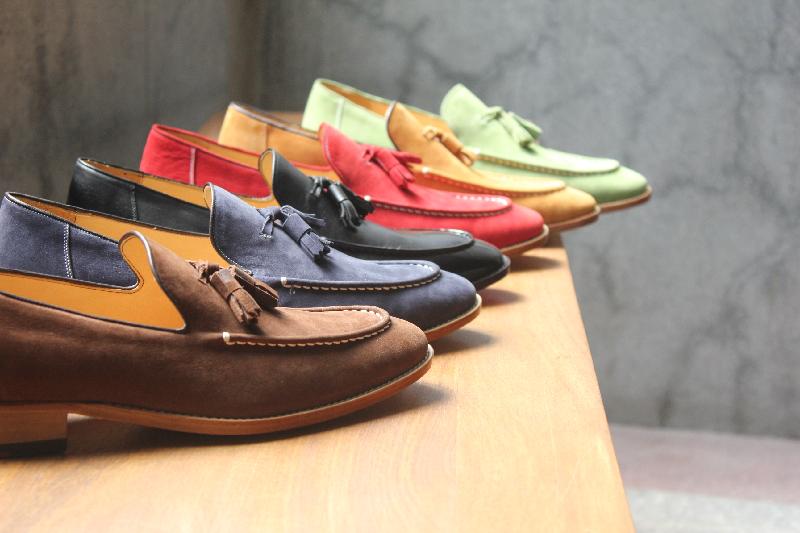
In that announcement, founder Tseng Hsin-ju described an aim of bringing Taiwanese shoemaking skills to a wider audience. The content of those skills becomes clearer through the work itself: how flat leather gains volume, how an upper fits a foot-shaped form, and how a sole joins the shoe. The brand’s process film records these decisions and divisions of labour.
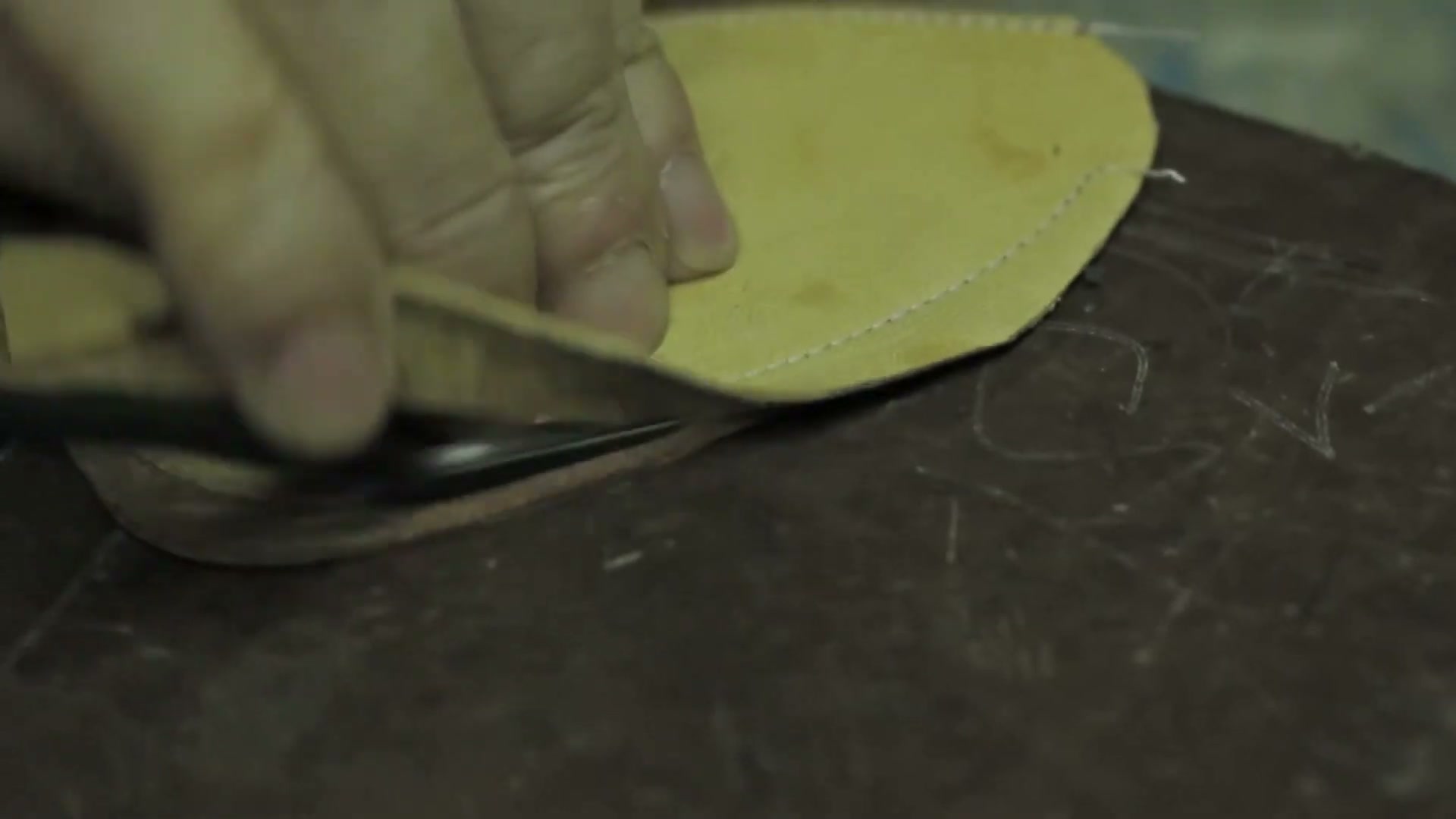
The upper begins as a flat piece
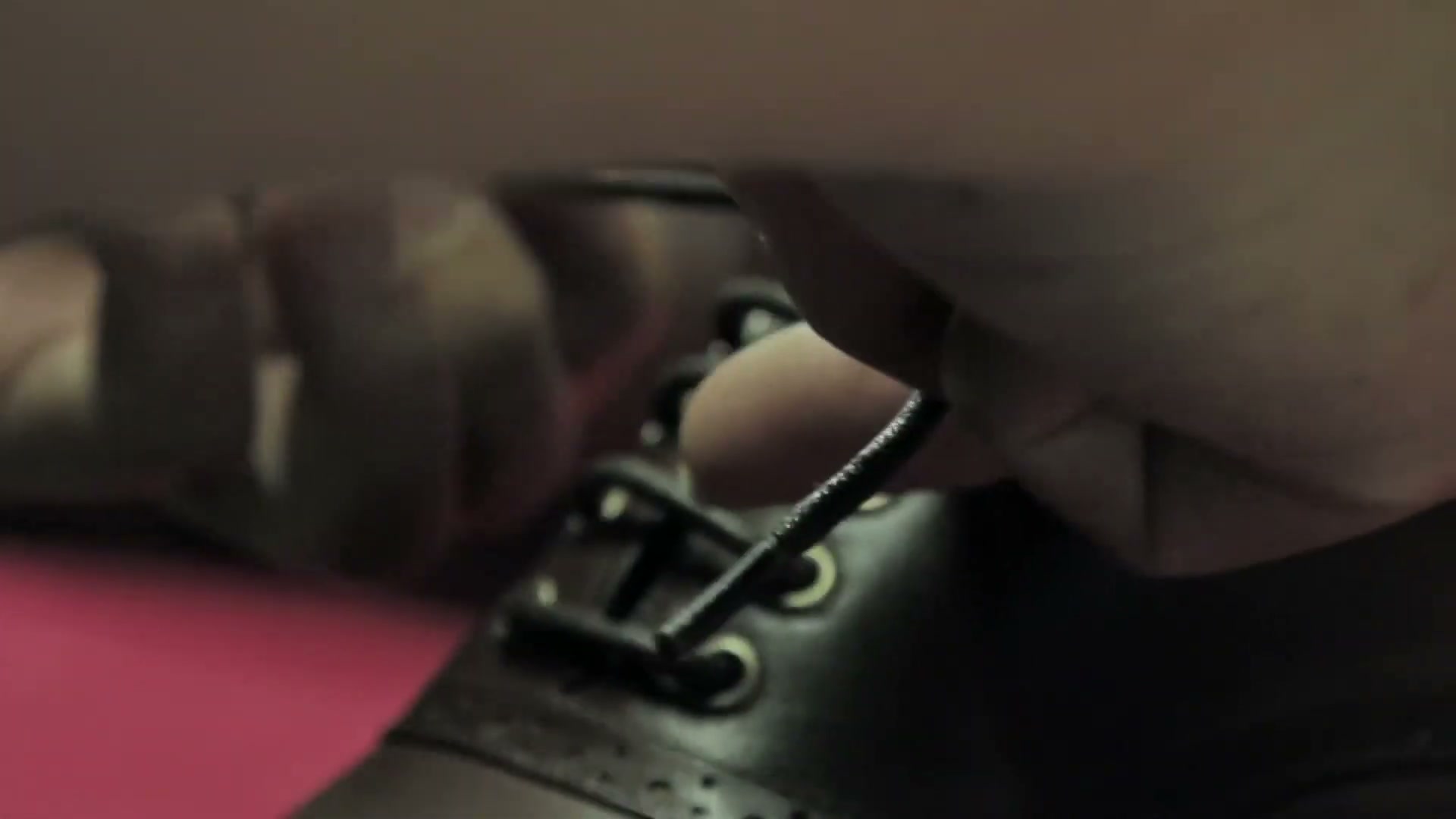
The process record credits Master Hsu with upper-making and Master Lin with sole-making. Their roles are distinct. Work on the upper begins by transferring the outlines and details of a pattern onto leather, followed by cutting and punching. The lines and joining points matter to the sewing that follows and to the shape the shoe will take on a foot.
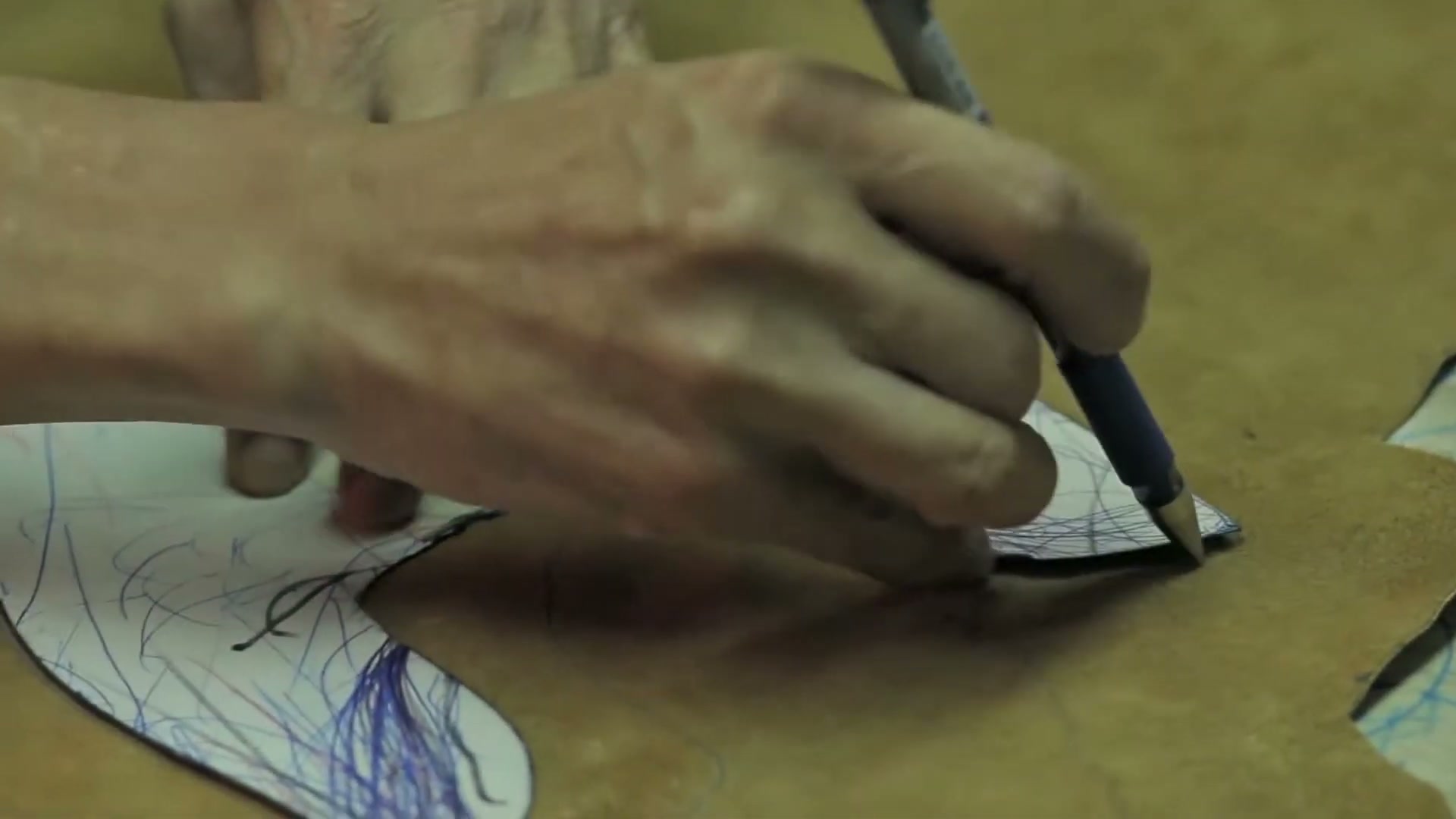
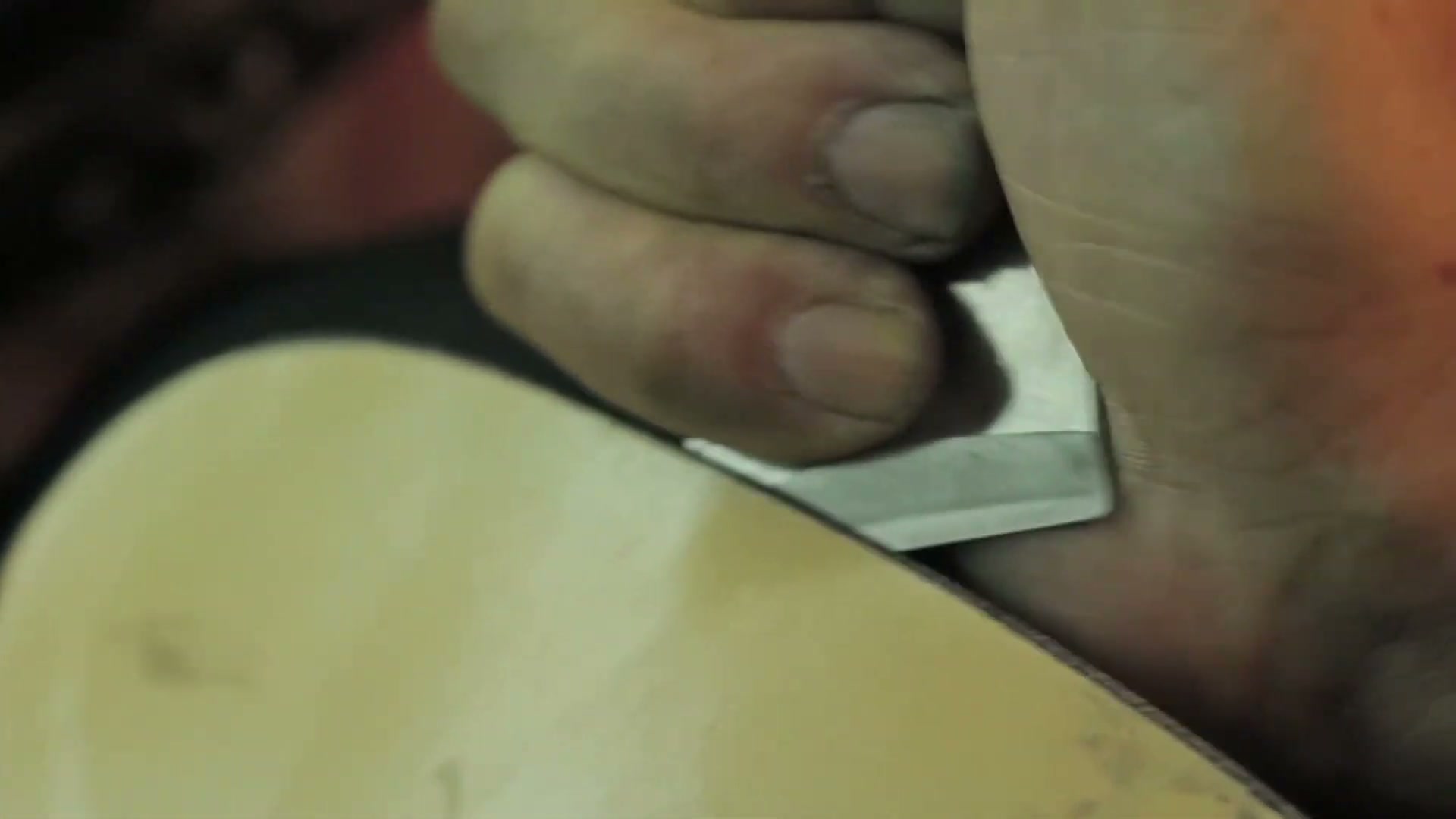
Thickness, lining and edges also need attention before the pieces are sewn together. The source describes cutting and sewing as central skills of upper-making. A line visible on the outside also relates to joining and fit within. As flat material becomes a three-dimensional upper, the dimensions left by one stage pass into the hands of the next specialist.
The last gives the upper its shape
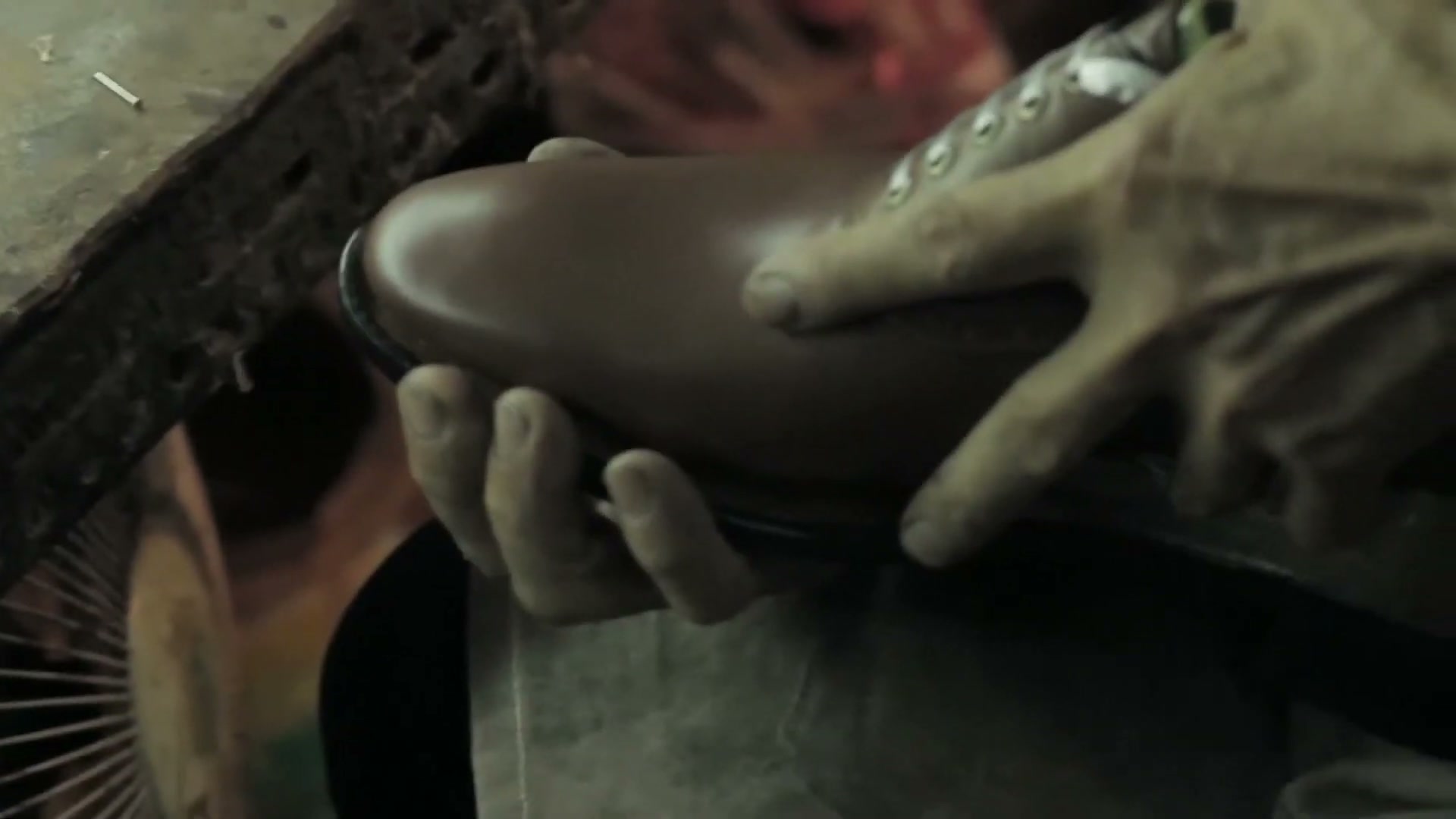
A last is the foot-shaped form used during making. In lasting, the sole specialist pulls the upper around that form, temporarily fixes it and works it into shape. Force and angle affect how evenly the leather fits. Repeated taps are small adjustments between material and form.
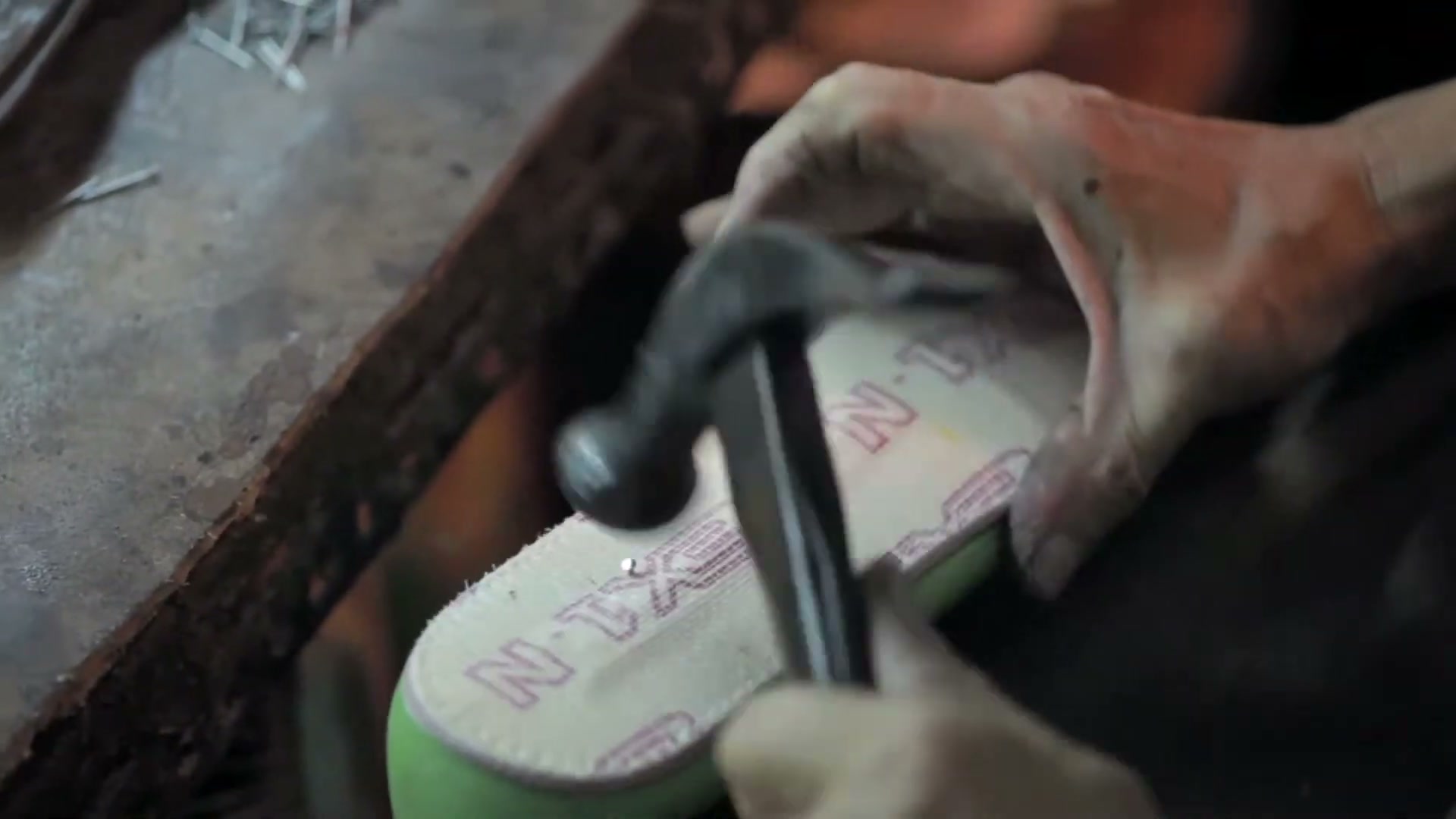
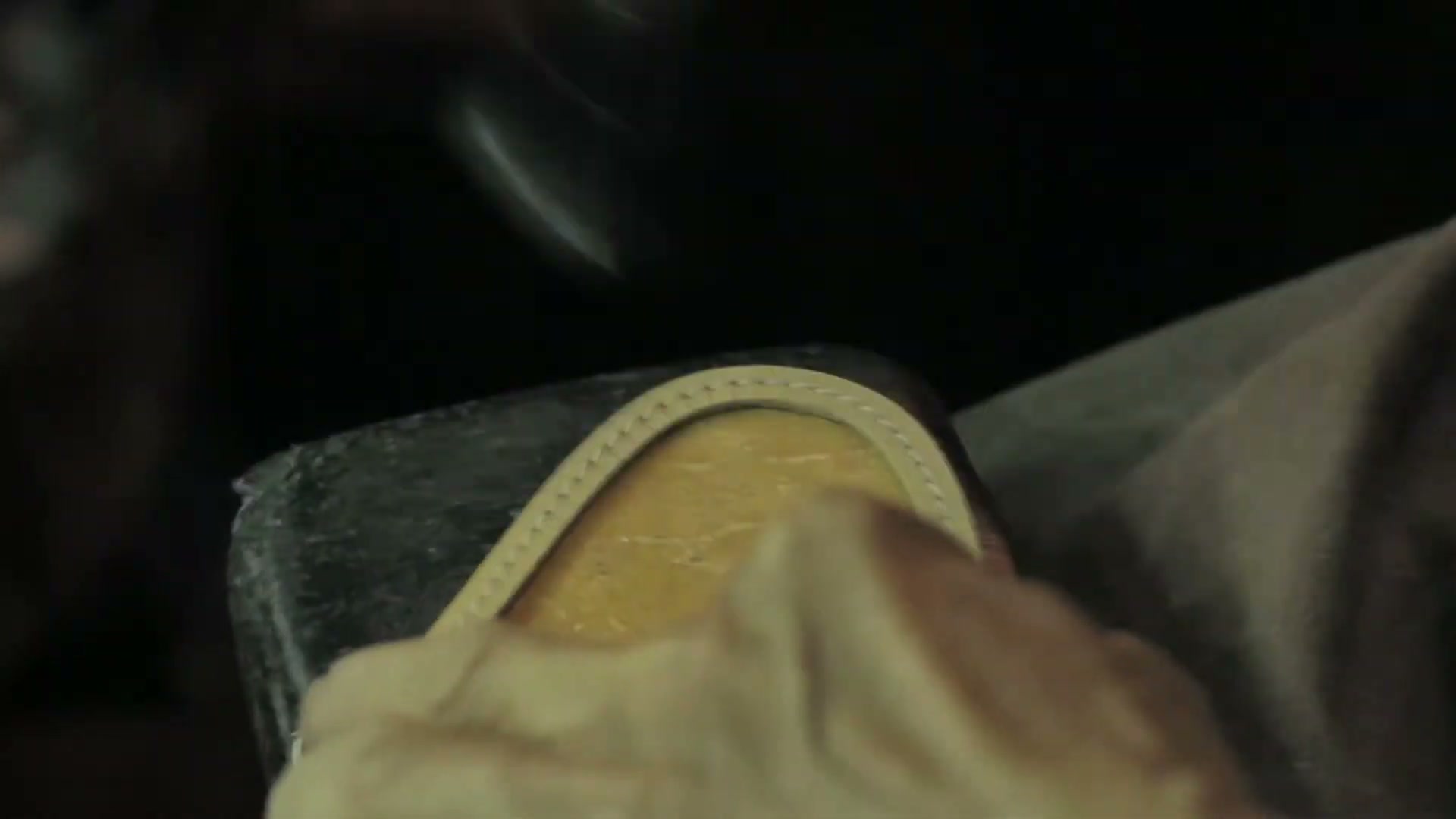
The joining surfaces are then prepared, the sole is fitted to the outline and the edges are worked before attachment and stitching appropriate to the shoe. This leather-sole process shows the different roles of needle, knife and grinding tools. Where the upper and sole finally meet, separate skills become one wearable object.
Years later, another decision about continuing
The team later faced another question: should it take over its partner, Best Shoe Factory, when closure loomed? A public letter in 2024 looked back on that decision. The account valued more than the shoes produced: it also valued tools used over many years, the makers’ working habits and the memories of several households.
Taking over the factory brought the people running a brand into the work of production. The letter acknowledges management and operating difficulties, locating the possibility of continuing in the craftspeople and their daily work. Reading from the Hong Kong opening to this later choice in Taiwan shows that skills endure through people practising, collaborating and taking responsibility for keeping work possible.
In Zhongshan, read the process through a finished shoe
Today, the Taipei Zhongshan shop provides a place to continue the story. It began trial operations in 2013, using an older house and a space intended for lingering to slow down the encounter with a shoe. At the shop, look at the seams on an upper, then follow the edge to the sole attachment. A finished pair can be read as work passed between specialists.
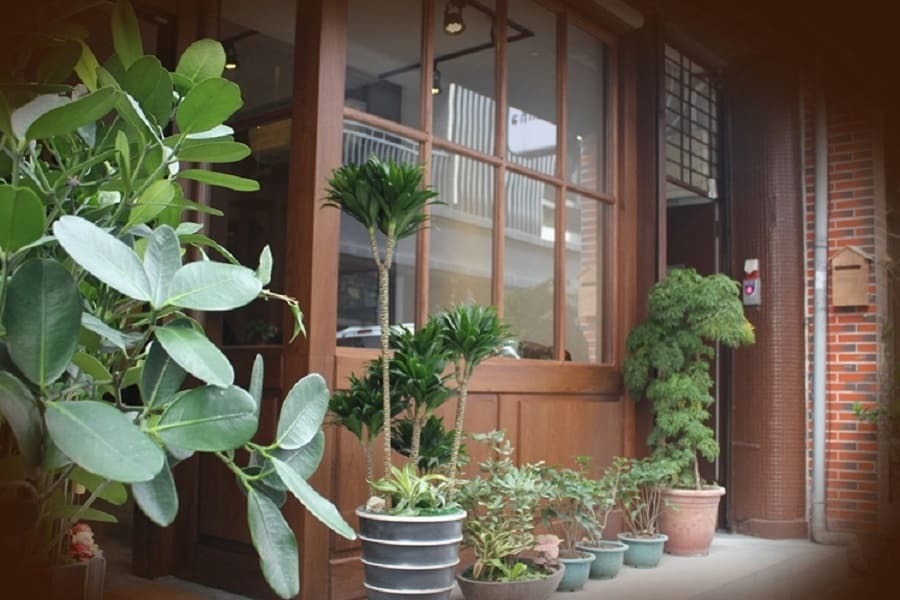
The Zhongshan shop is on the ground floor at 18-1, Lane 72, Section 2, Zhongshan North Road, near Exit 1 of Shuanglian MRT Station. The official Chinese page lists 13:00–21:00 Monday–Thursday and 12:00–21:30 Friday–Sunday and public holidays, with last entry half an hour before closing. The shop offers viewing, fitting and shoe services; factory visits depend on separate announcements. Check temporary operating notices before travelling, then carry the process described here into your own looking at shoes and seams.