An offer in the gallery
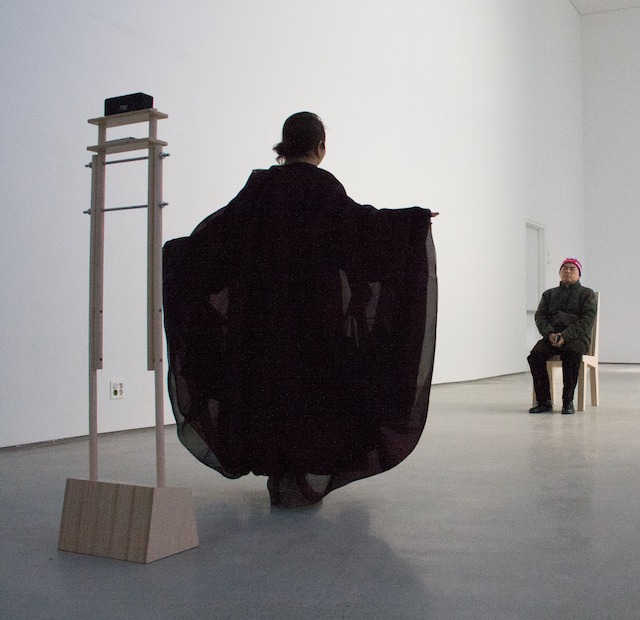
From 27 August to 29 September 2024, M+ presented Lee Mingwei’s Sonic Blossom in its Focus Gallery. The museum named nine participating singers and credited the Hong Kong Academy for Performing Arts as collaborator. A visitor could become the recipient of a live song: a performance assembled from a work, a local singer and the response of someone who had come to a museum.
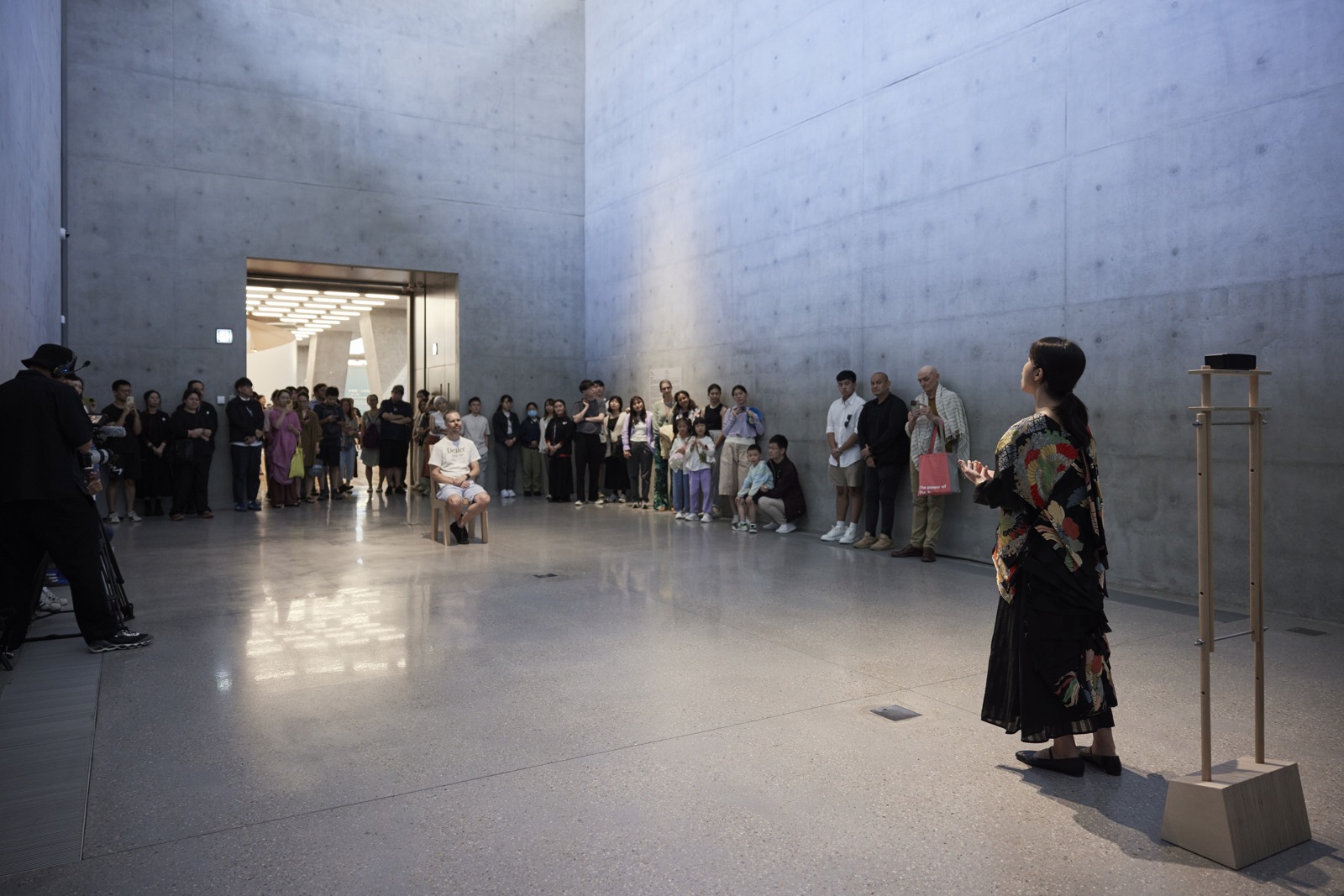
The museum’s record places the event after its earlier presentation of Lee’s Letter Writing Project. For Hong Kong readers, the connection to Taiwan is therefore traceable through a particular artist and a particular exhibition, rather than a general claim about shared taste. The song is also an unusual museum object: its brief duration has to be carried by another person’s work.
A family record became a public gift
Lee described the work’s origin in a Hong Kong interview. When he cared for his mother after surgery, he found the Schubert records she had played during his childhood and played them for her again. M+ also records this period of care as the source of Sonic Blossom. A listening practice within a family became a form that could be offered to people who did not know one another.
In the same interview, he explained that a gift between strangers brings uncertainty. A recipient can accept or decline; a singer cannot know in advance how the encounter will unfold. His instruction was to avoid deciding beforehand what sort of person would be most receptive. This is an account of his method, not a promise that everyone will be moved in the same way.
The accompaniment had to follow a person
Lee also described a mistake that changed the production. At the first presentation, he had recorded one piano accompaniment for each song, assuming different singers could use it. He discovered that their breathing and phrasing varied. Later, each singer recorded an individual accompaniment with a pianist. The apparent simplicity of a song offered in passing depended on that precise preparation.
That adjustment makes the local performers more than interchangeable messengers. The work has to be made again through their bodies, their musical decisions and the room around them. Hong Kong’s named singers give the 2024 event its own people and circumstances. Lee’s account does not tell us what every individual recipient felt, and no such reaction needs to be invented to understand the labour.
Taipei’s museum workers also took part
Taipei Fine Arts Museum presented Lee Mingwei and His Relations from 30 May to 6 September 2015. Its contemporary press release describes Sonic Blossom moving through the hall and corridors, with a singer asking a visitor whether they would accept a Schubert song. The same format was therefore already part of a documented Taiwanese exhibition, years before the M+ presentation.
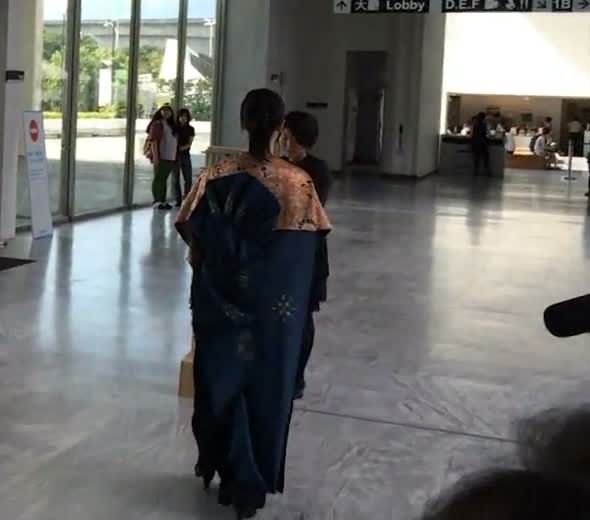
The exhibition brought together fifteen projects. In The Dining Project and The Sleeping Project, the release assigned museum staff and volunteers the role of host. They prepared food or shared conversation with selected participants after closing. These were separate works, but they show how the Taiwanese venue participated: workers’ time and willingness to meet visitors became part of what the exhibition could do.
Return to the place, with a different attention
A visit today begins with the museum’s current exhibitions, rather than an expectation that Sonic Blossom is still being performed. As checked on 4 November 2026, the museum’s visitor page, updated on 30 October, lists the first, second, third and basement floors as normally open. It opens Tuesday to Friday and Sunday from 09:30 to 17:30, and Saturday until 20:30; Monday is closed. Check the official exhibition and visitor notices again before travelling, because a particular gallery or exhibition may have separate arrangements.
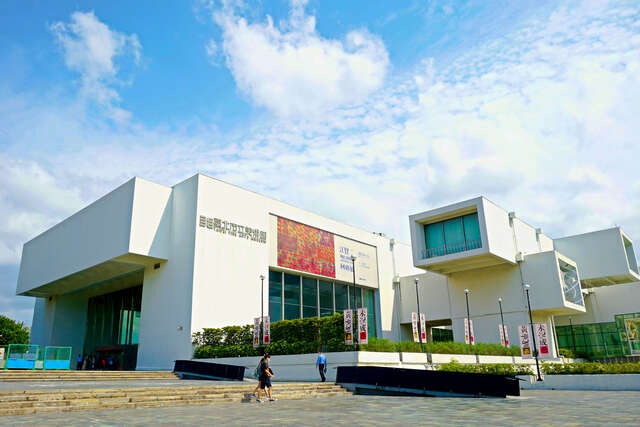
Carry one question into the current displays: what does a work ask people to do for one another? It may involve looking, listening, waiting or deciding whether to participate. Sonic Blossom’s route between Taipei and Hong Kong offers a concrete way to notice those actions. A cross-sea connection survives here in an artist’s method and the different people who agree to put it into practice.