
In Hong Kong, two chairs change how a painting is approached
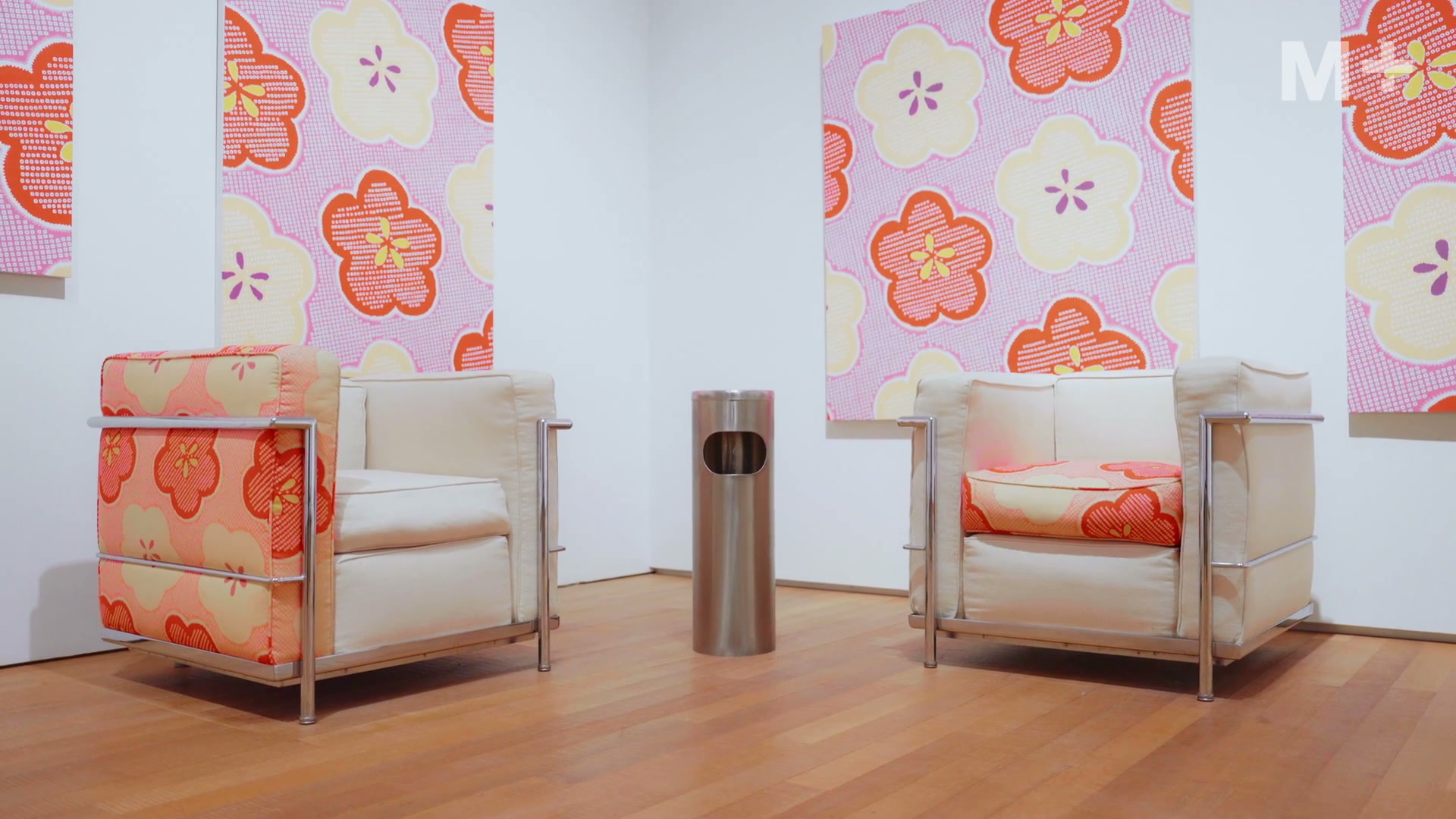
Two floral armchairs face one another at a right angle in Michael Lin’s Untitled (Cigarette Break), a 1999 work in Hong Kong’s M+ collection. Five floral paintings extend across the walls, echoing the upholstery. A corner for spending time with other people comes into view, with painting becoming part of that space.
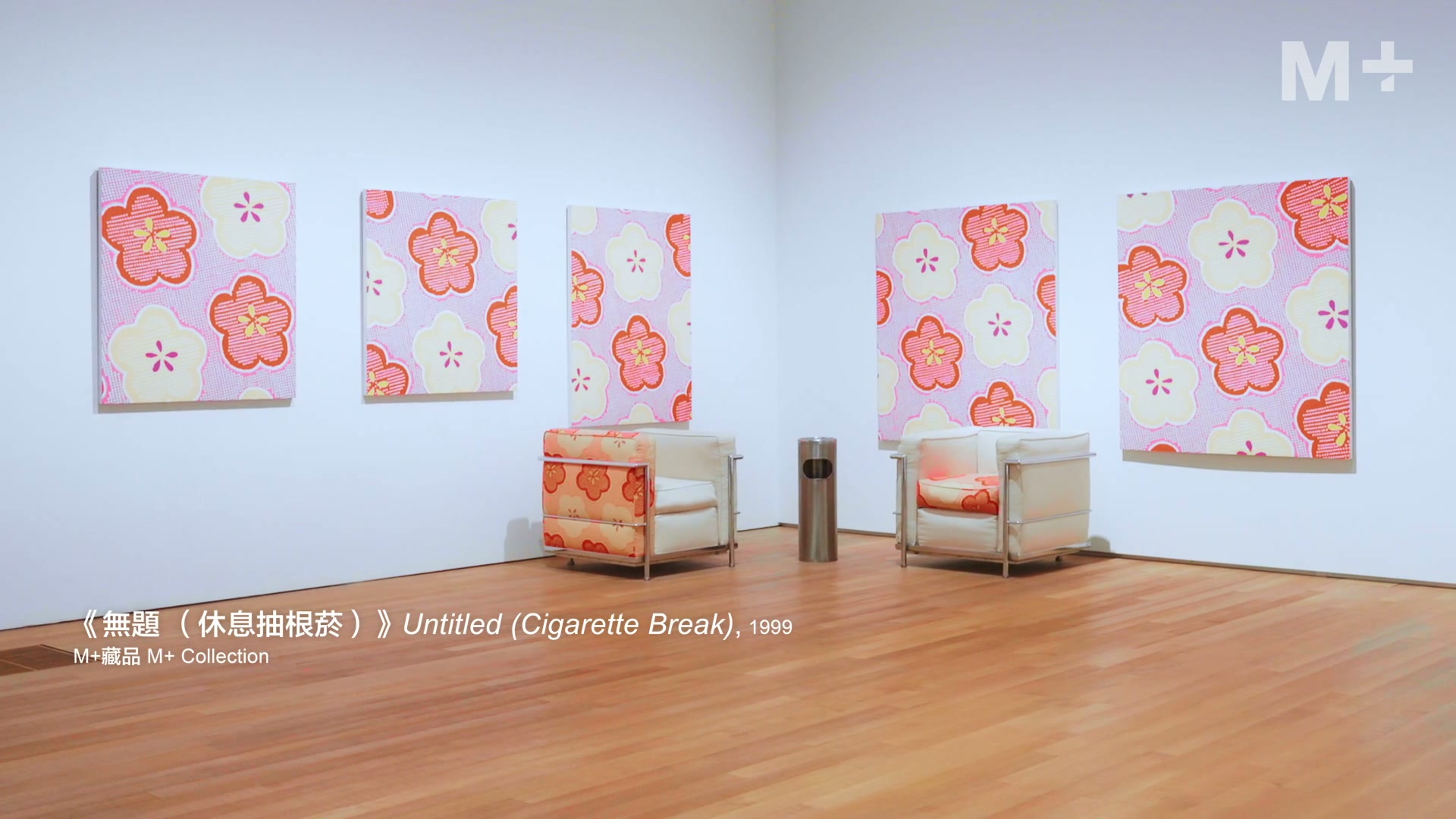
M+ displayed the work in Individuals, Networks, Expressions between November 2021 and November 2023. Seen from Hong Kong, its printed cushions lead back to the domestic life Lin knew in Taiwan. The connection lies in everyday materials rearranged by the artist, and in their encounter with viewers in a Hong Kong museum.
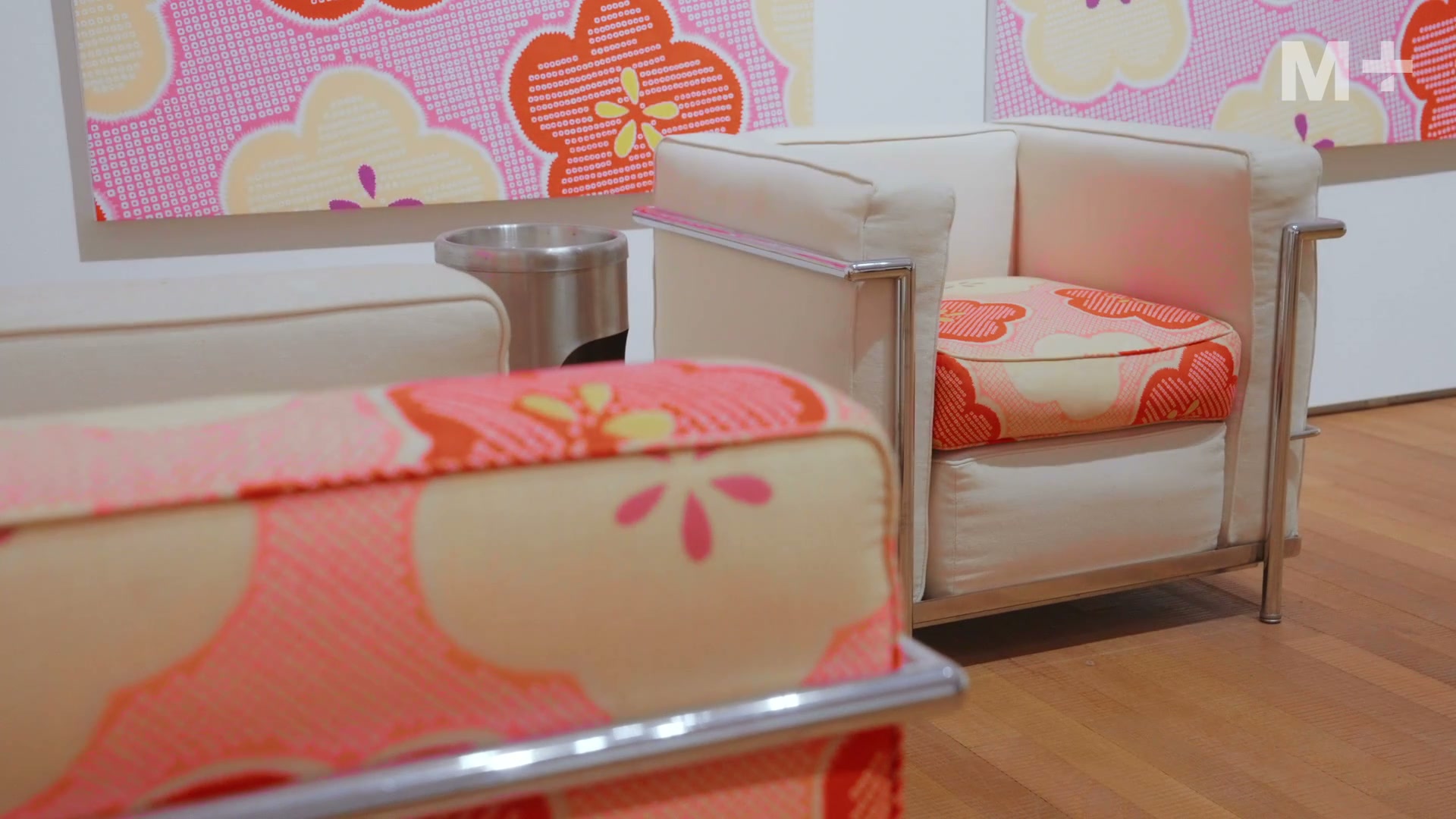
A pattern carries memories of household cloth
In his M+ interview, Lin recalls that many prints he has used were popular in Taiwan from the 1960s through the 1980s, often appearing on wedding quilts and in dowries. Such textiles sit close to the body, the household and changes in family life. In an artwork, familiarity with a pattern can become a way of approaching art.
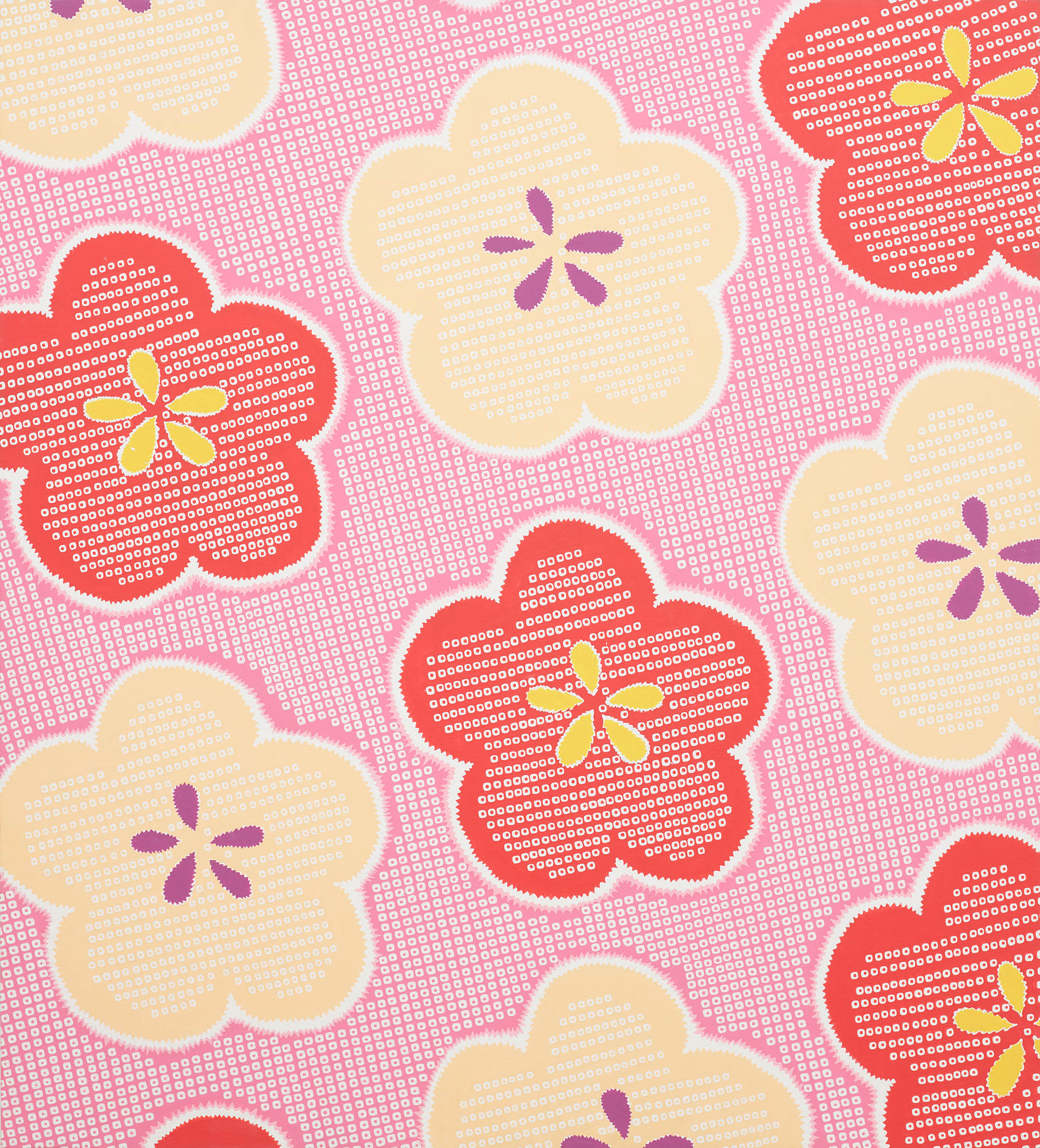
Lin returned to Taiwan after studying overseas in 1999 and made this work. He brought household prints together with modern furniture, then extended related motifs onto paintings on the wall. The pattern occupies both usable furniture and a surface to be viewed, loosening the boundary between them.
Making room for people within the work
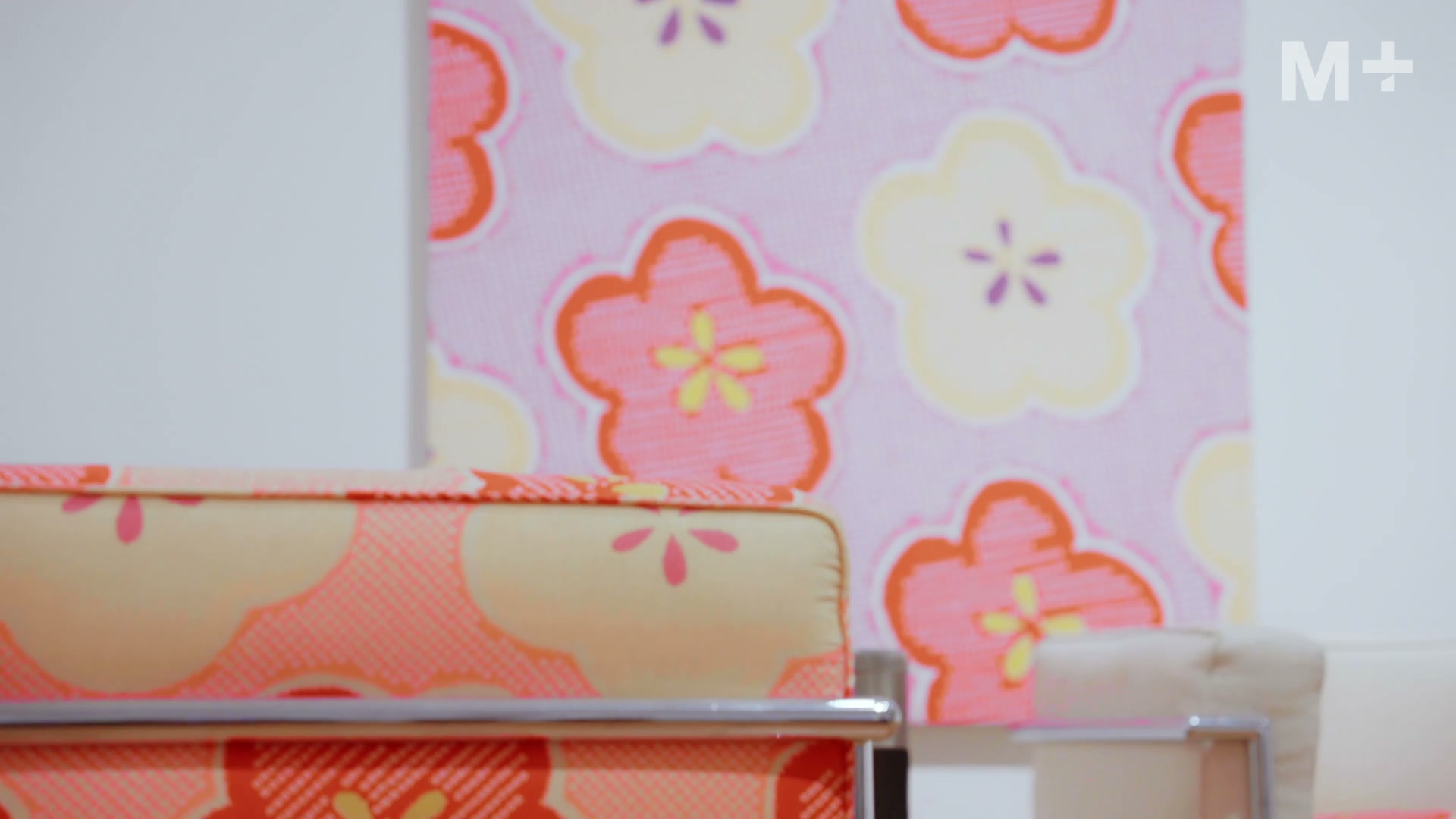
The five paintings echo the cushions, enlarging a small pattern into an environment around the body. In the interview, Lin explains his interest in people being within a work, rather than in an isolated object alone. The chairs are therefore integral to the idea: sitting, pausing and spending time with others are part of how he thinks about art.
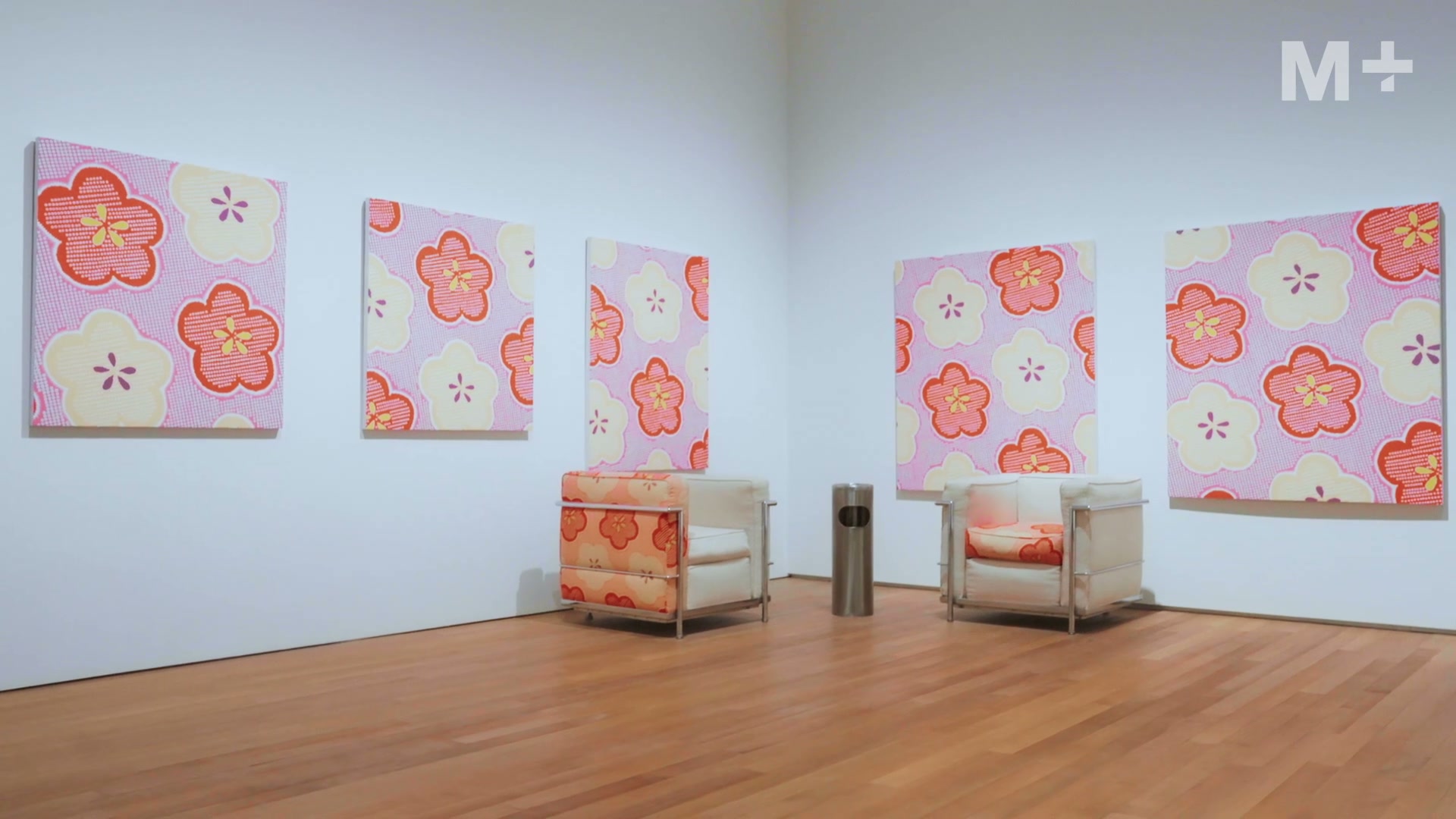
Curator Pauline J. Yao also reads the metal ashtray between the chairs as a reference to an everyday social pause. A relaxed posture, the distance between pieces of furniture and the position of another person enter the painting’s field. Materials from life in Taiwan become a question: can art make room for the ordinary time we spend together?
A different work on roofs in Taichung
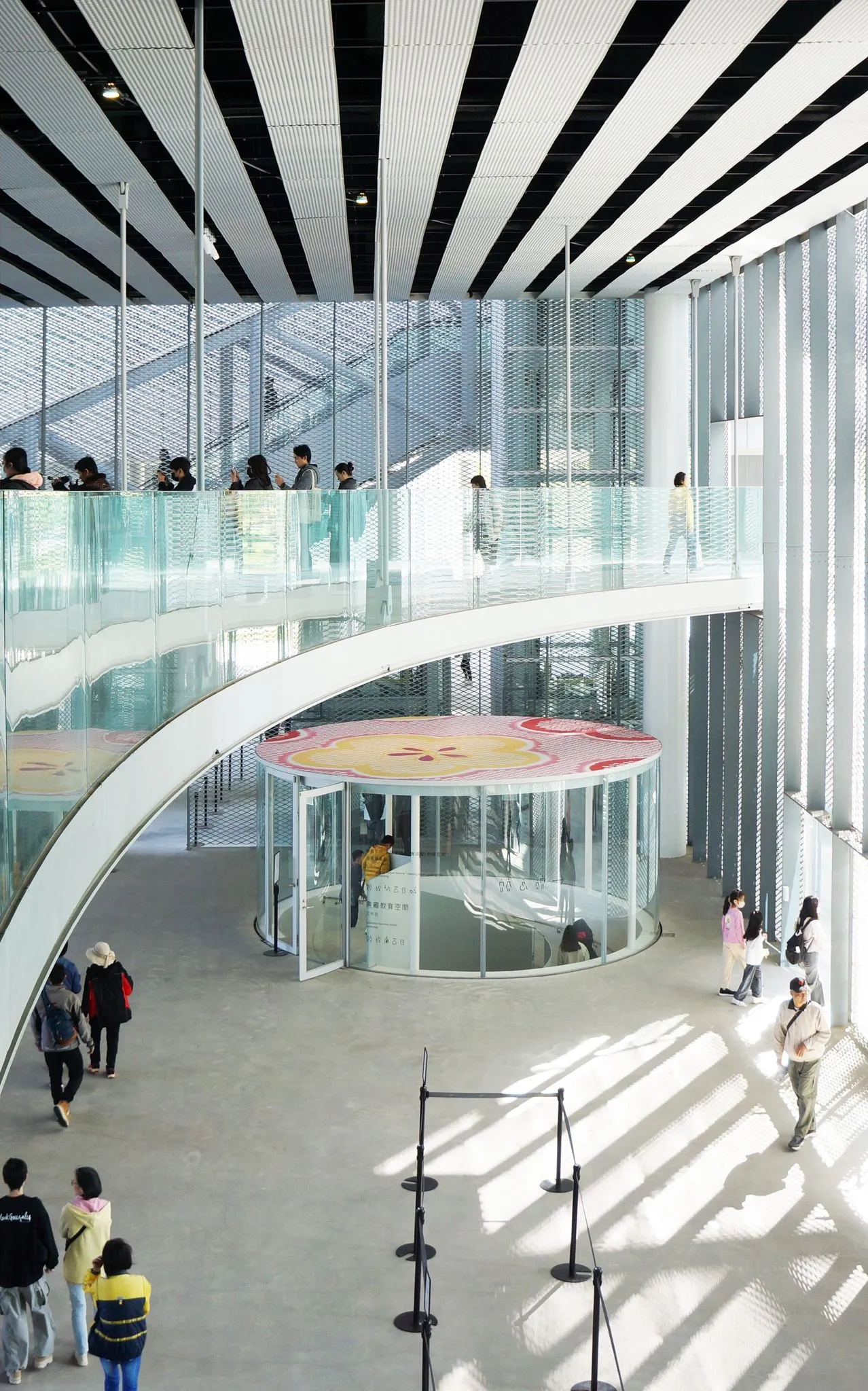
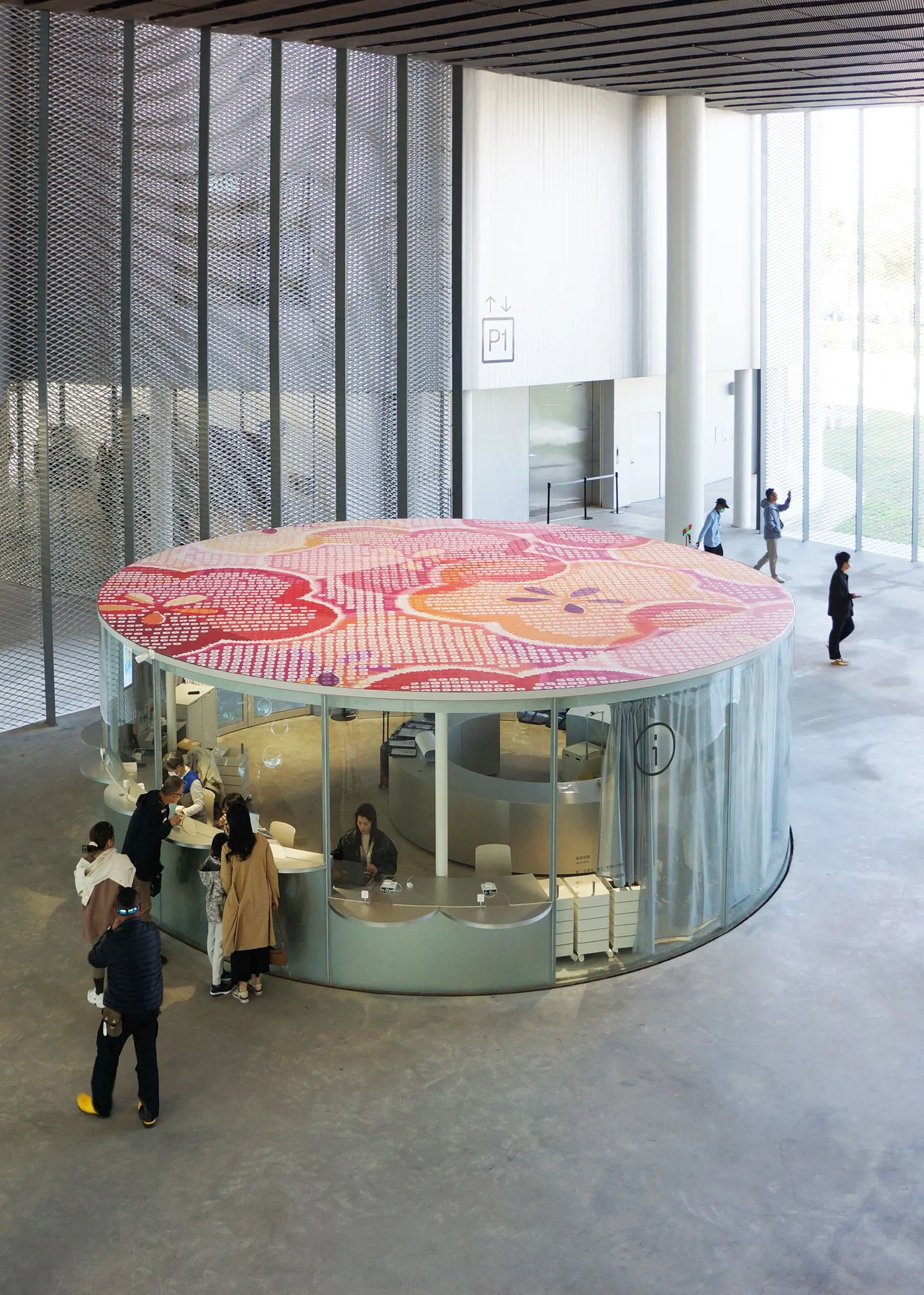
At Taichung Green Museumbrary, Lin’s Processed (2025) places floral-print motifs on the roofs of two glass bubbles. Commissioned for the Taichung Art Museum’s public space, the patterned roofs draw on plum-blossom textile patterns. Registration and misalignment make differences associated with printing visible within the work.
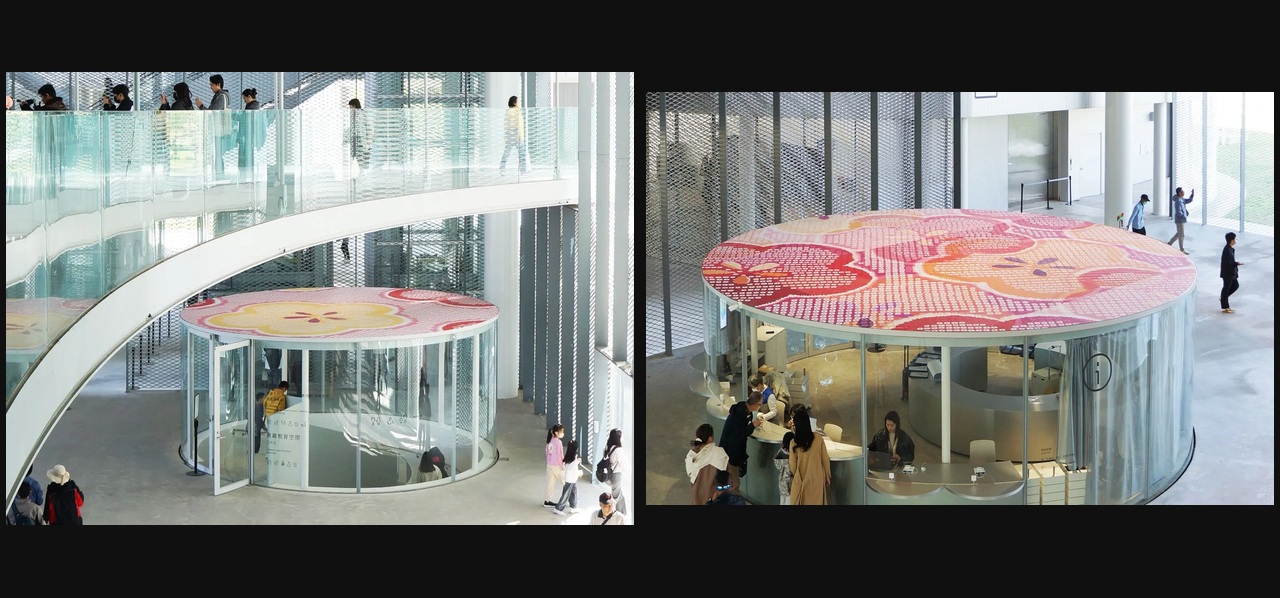
From an armchair to a building’s roof, both scale and use have changed. The work collected in Hong Kong explores sitting and sharing space; the later Taichung commission asks viewers to move. A floral pattern is experienced through the changing distance between a person and the architecture around it.
Turn viewing into a walk across the bridge
The second-floor skybridge links the museum and library. The official tour explains that crossing the whole bridge is necessary to experience Processed fully: as a viewer walks, the plum-blossom motifs change in relation to the surrounding architecture. Begin with one roof as a whole, then move along the bridge to see how the other comes into view.
Taichung Art Museum is at 2201 Zhongke Road, Xitun District. Regular hours are 09:00–17:00 Tuesday–Friday and Sunday, and 09:00–20:00 Saturday; it is closed Monday. The second-floor bridge closes in rain, so check that day’s notices before travelling. If visiting M+ specifically for the earlier work, check current exhibitions and display information first. Walking into these places continues the story through your own position, pace and looking.