An invitation to show the making
Before the Mid-Autumn Festival in 2015, a Hong Kong announcement offered another way to approach a lantern: a demonstration at the Hong Kong Museum of History. On 22 September, the Leisure and Cultural Services Department announced that Taiwanese masters Lee Kuan-i, Lin Yu-chu and Lee Ching-yun would give a free lecture and demonstration the following afternoon, exploring Taiwanese lantern-making from traditional to modern methods.
The programme invited Taiwanese makers to share how a lantern comes together within Hong Kong’s festival season. That lecture and those festival displays belong to the past. Lin’s work still opens the question behind the invitation: how can a finished, glowing object become a set of skills that someone else can practise?
Change the frame inside
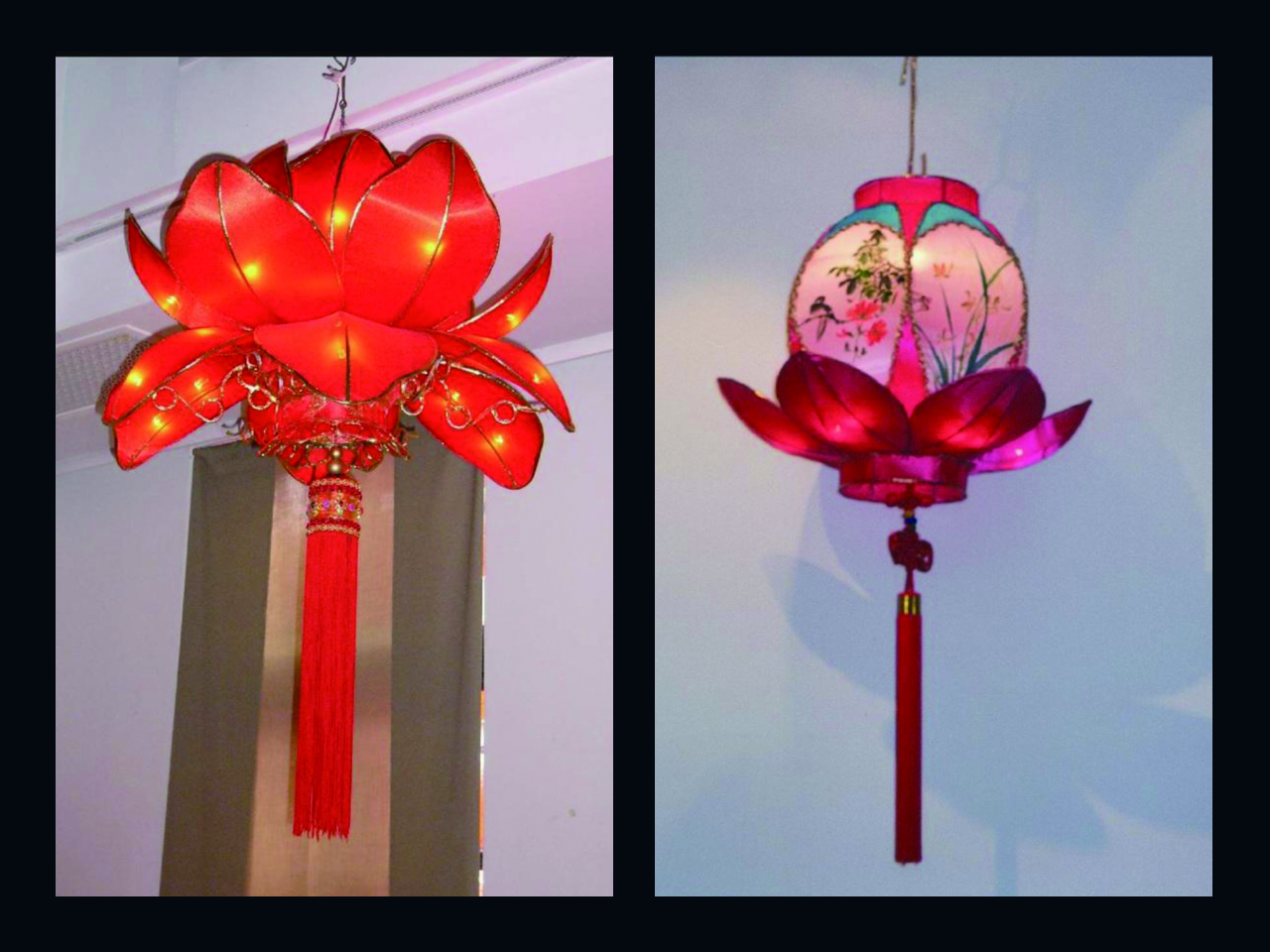
Lin’s changes began inside the lantern. The Taiwan Craft Development Association records her use of paper-wrapped wire for shaped frames. A 2016 craft-school prospectus dates that innovation to 1979, contrasting it with earlier bamboo-strip construction. A change of material offered another way to build the outlines of flowers, birds, dragons and animals.
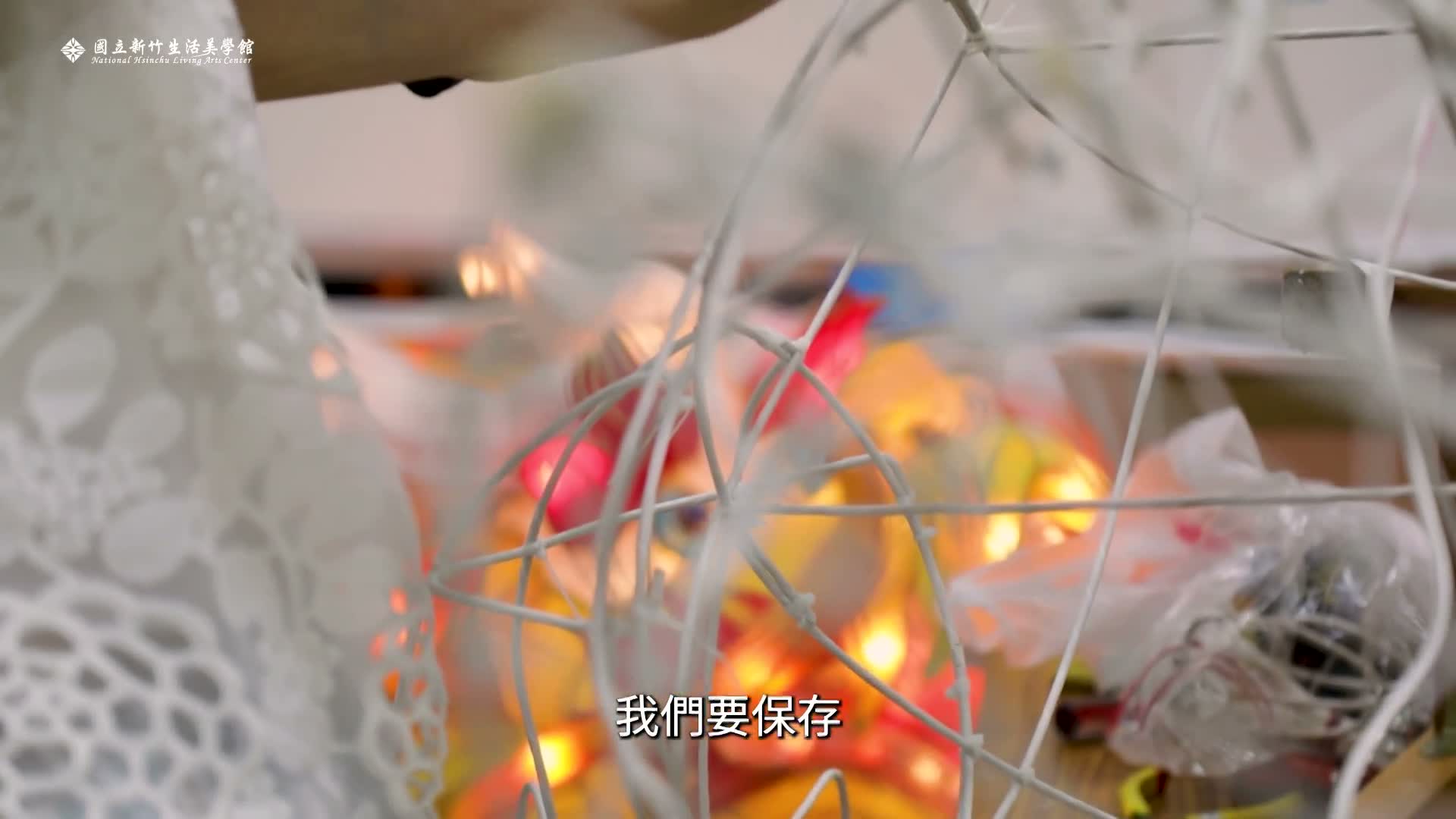
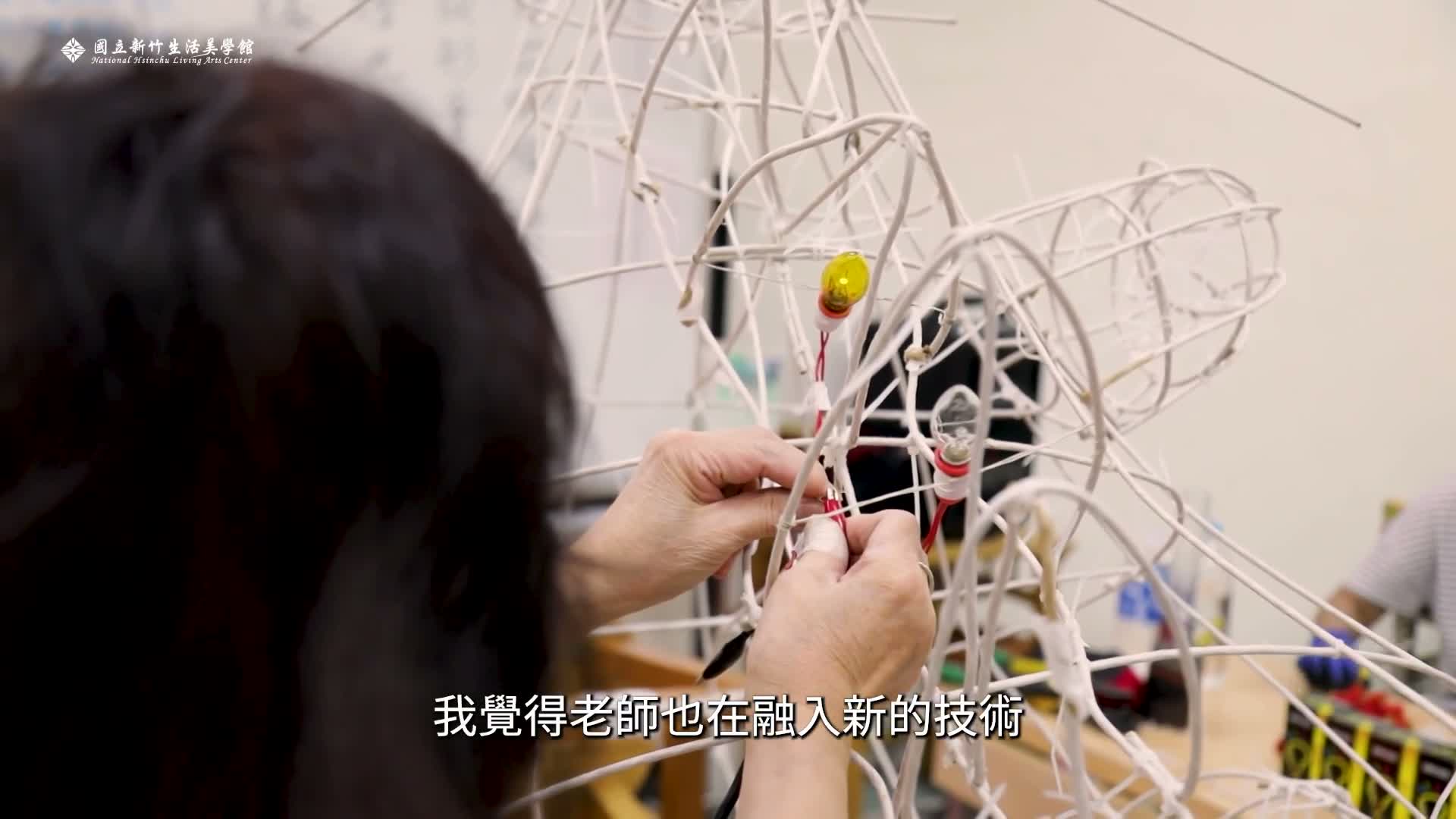
In a documentary published by the National Hsinchu Living Arts Center in 2023, Lin recalls asking for wire wrapped in kraft paper and then cotton thread. Her son, Lee Kuan-i, describes ties that can be adjusted or tied again when damaged. Before the glowing surface is finished, the maker works through joints, curves and supports. The light outline rests on a structure that can be revised.
Give a beginner a first shape
A complex lantern needs a clear starting point for a beginner. Lin designed DIY kits with zodiac, ecological and animal subjects, and set out methods in books. One volume introduces creative lantern-making; a second develops more advanced work. Materials and steps become lessons that can be carried away and opened again.
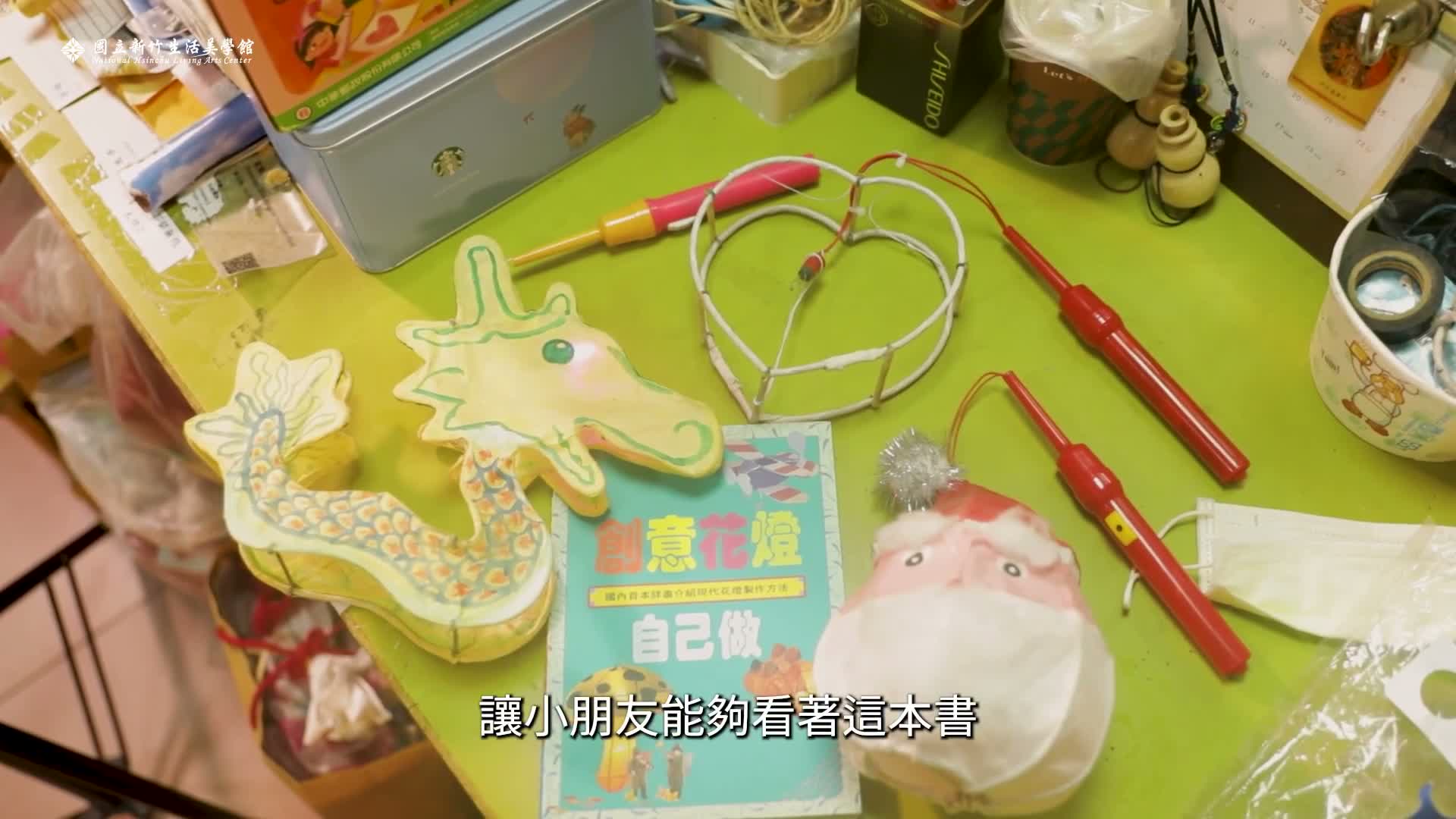
The documentary shows a tabletop with a small dragon surface, metal rings, wire and an instruction book. A large illuminated composition can be approached through these manageable parts. The 2016 syllabus similarly begins with tied wire frames, geometric forms and three-dimensional structure before lighting and fabric covering: first make the shape hold, then consider how light will pass through it.
From one pair of hands to a classroom
Lin also taught lantern-making to schoolteachers in Taiwan. Teaching a teacher calls for knowledge that can be explained, demonstrated and continued by another pair of hands. The Taipei branch of the National Taiwan Craft Research and Development Institute listed her advanced creative-lantern course in its 2016 prospectus, arranging frames, electrical layout and fabric decoration into a course of study.
The documentary published in 2023 records uncovered lanterns in a teacher-training classroom. It moves close to wire intersections and shows learners working from behind, arranging and tying a frame. Passing on a craft becomes a visible action: learners find the joints, pull the ties and adjust a shape so the next stage can begin.
In Taiwan, look inside the glow
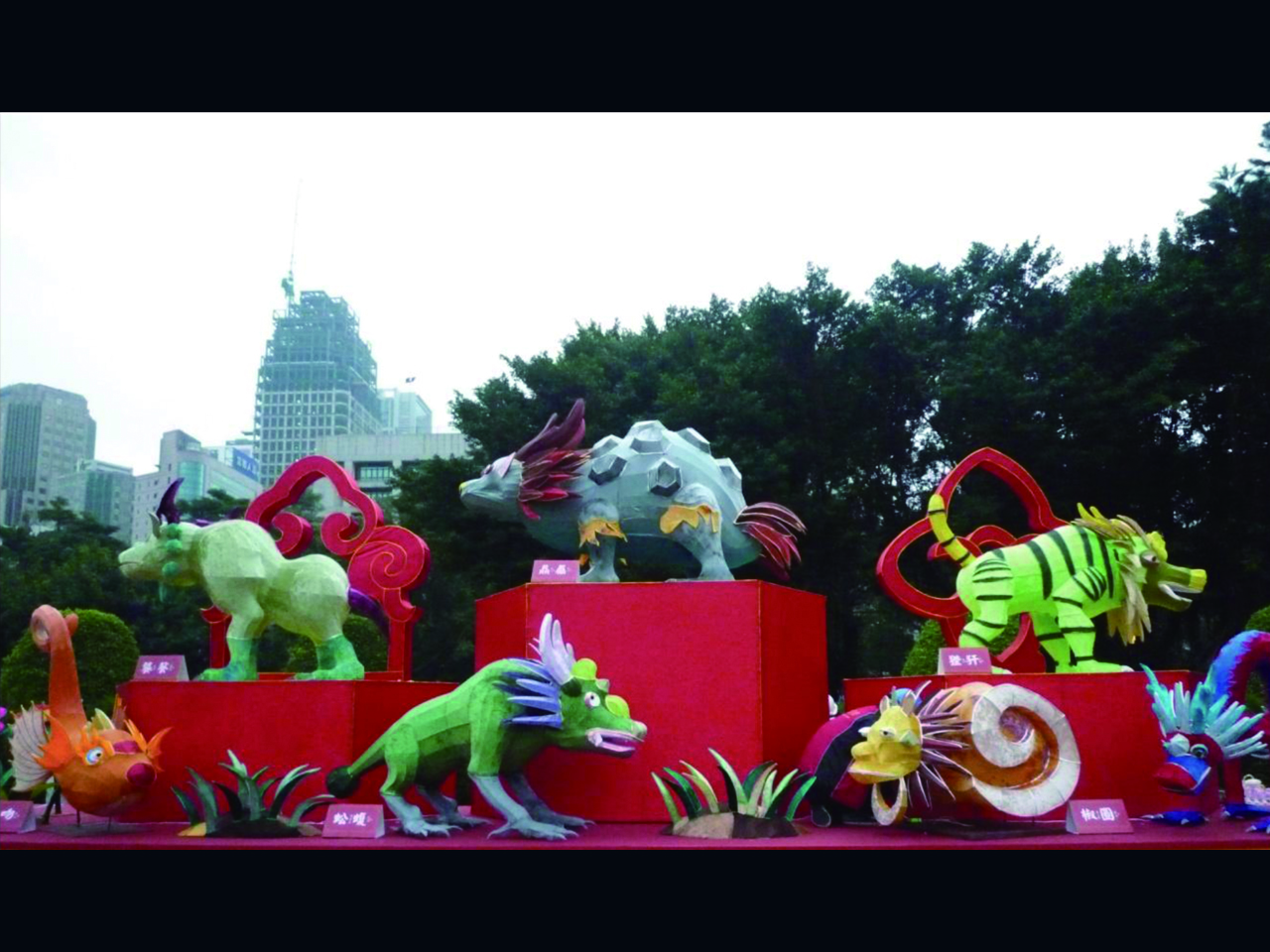
Lantern festivals and local lantern events in Taiwan offer places to approach the craft. Records of Lin’s Jade Rabbits Celebrate a Centenary and Nine Sons of the Dragon show a change of scale from hand-held lamps to large compositions. Start with the complete form, then look from a side where viewing is permitted: where does a curve turn, how is the fabric divided, and where does light change colour or intensity?
Notice the outlines and joints that remain visible, and how a work changes between daylight and night. Seen this way, the demonstration in Hong Kong’s invitation takes on another meaning. A visitor can leave with more than a bright photograph: how did hands make this shape? Check the dates and venue of the relevant year’s festival before travelling, and begin with an actual lantern you encounter.